All twenty-four
Everything we cover, filed by the hour that suits it best.

Everything to do in Luxor
Loading the full index.
The six that matter most
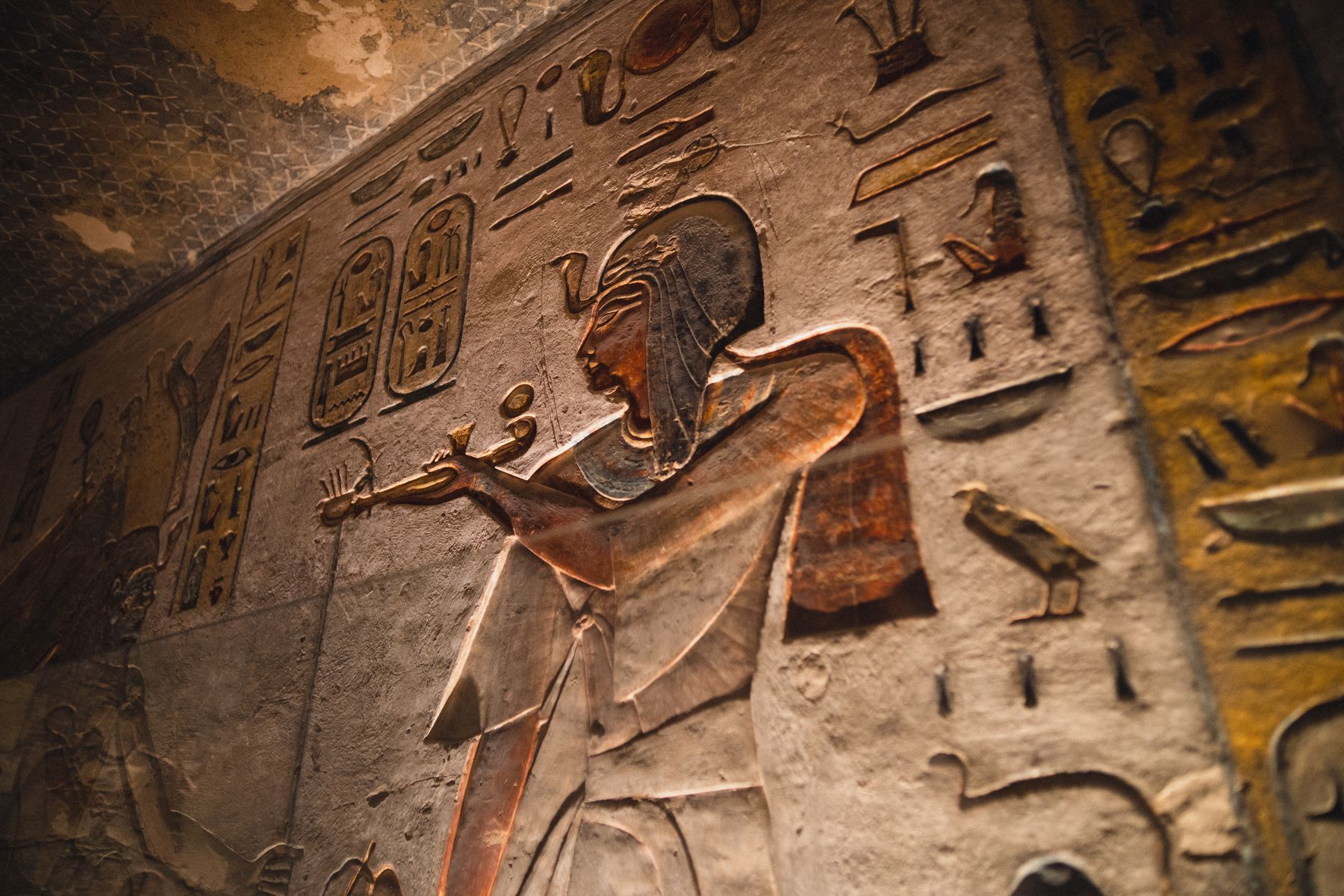
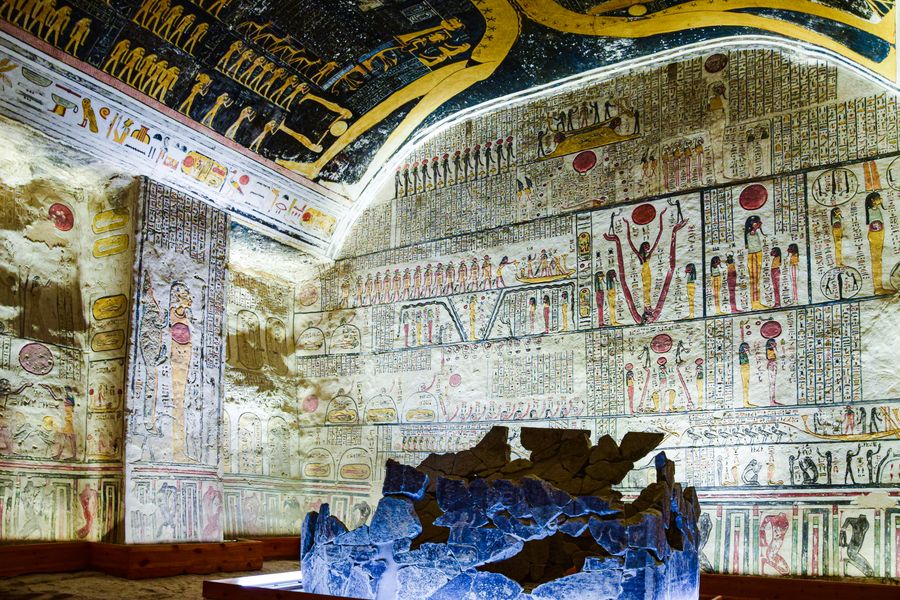
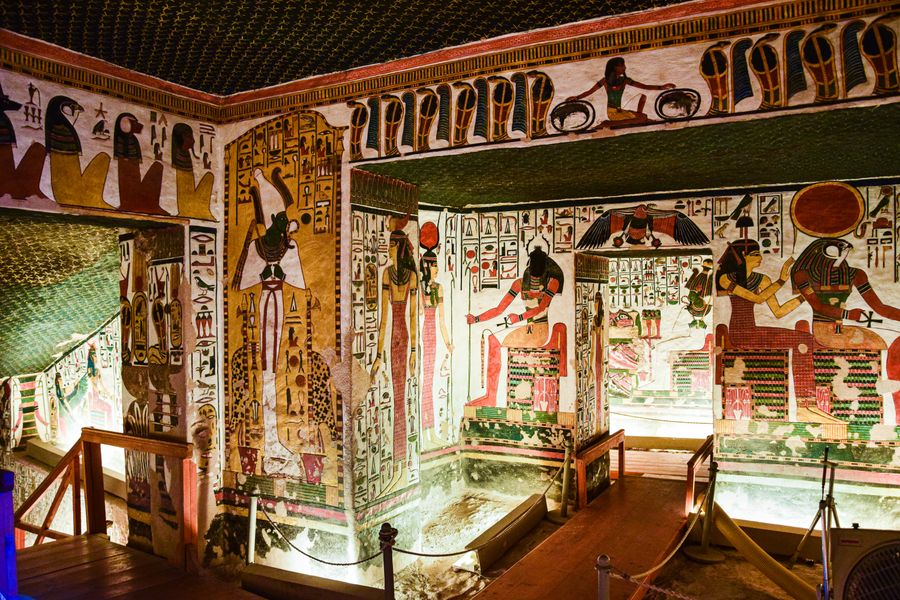
- Valley of the Kings Painted corridors cut into a mountain. Nothing else in Egypt is like being inside one. Dawn
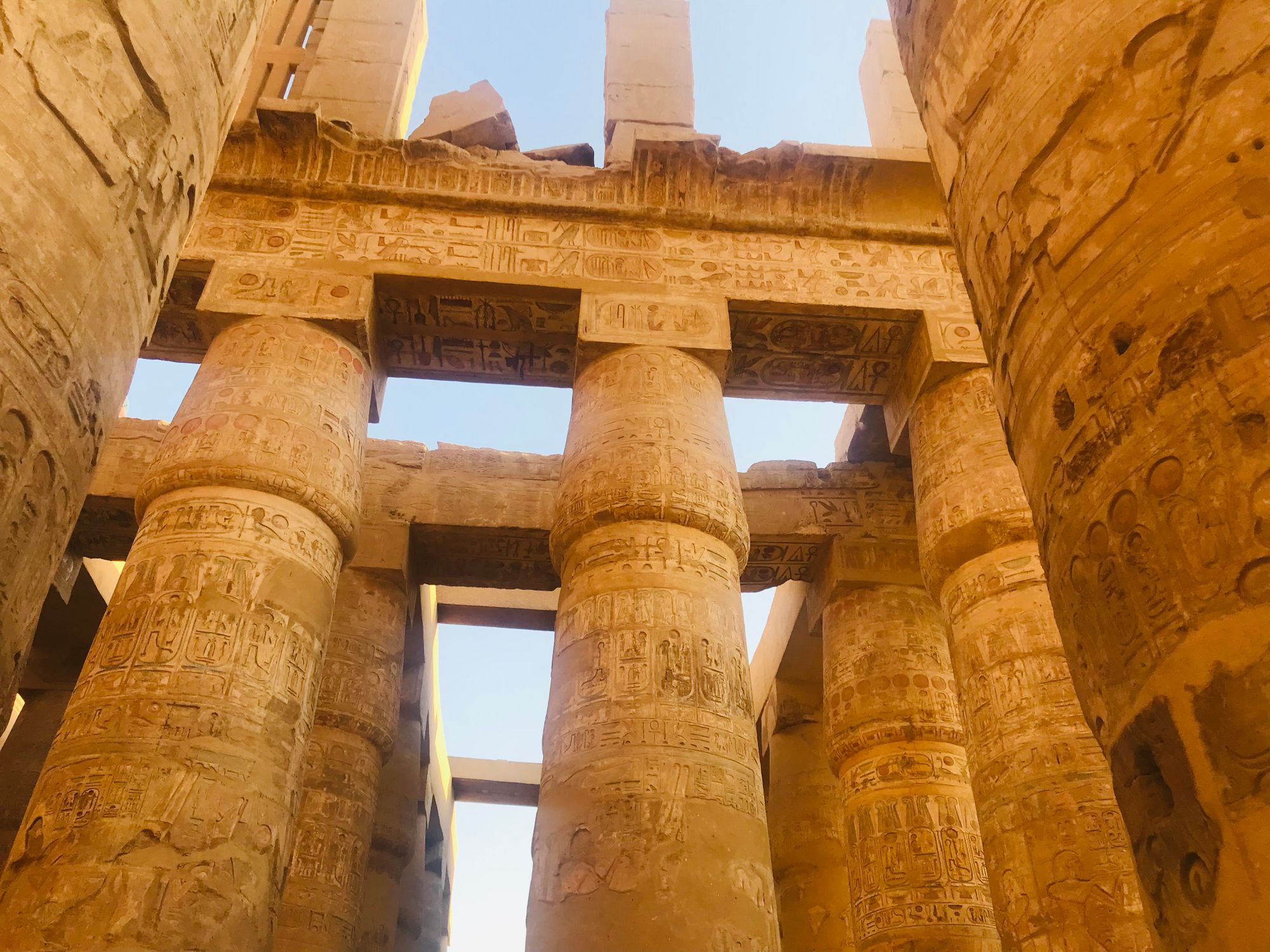
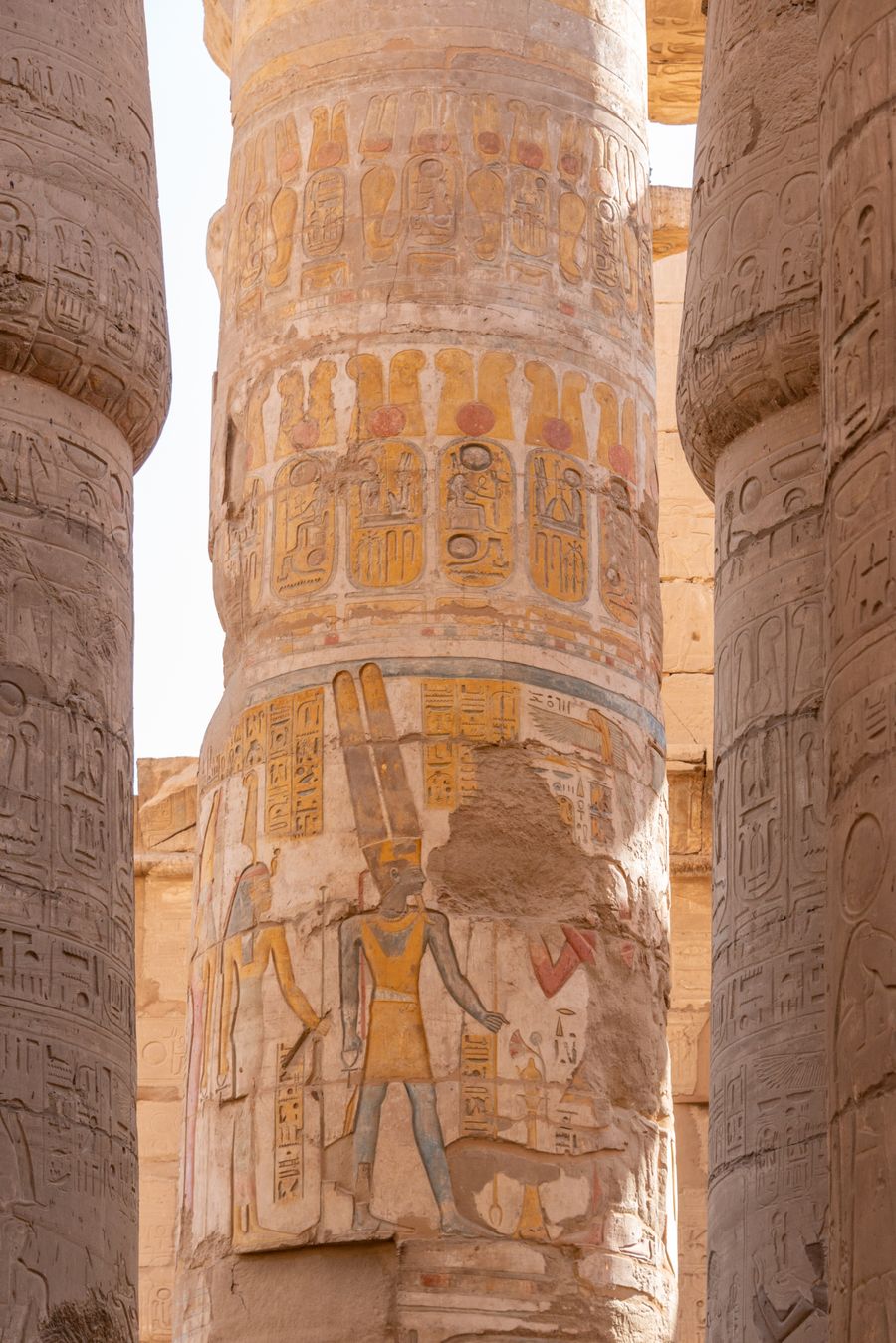
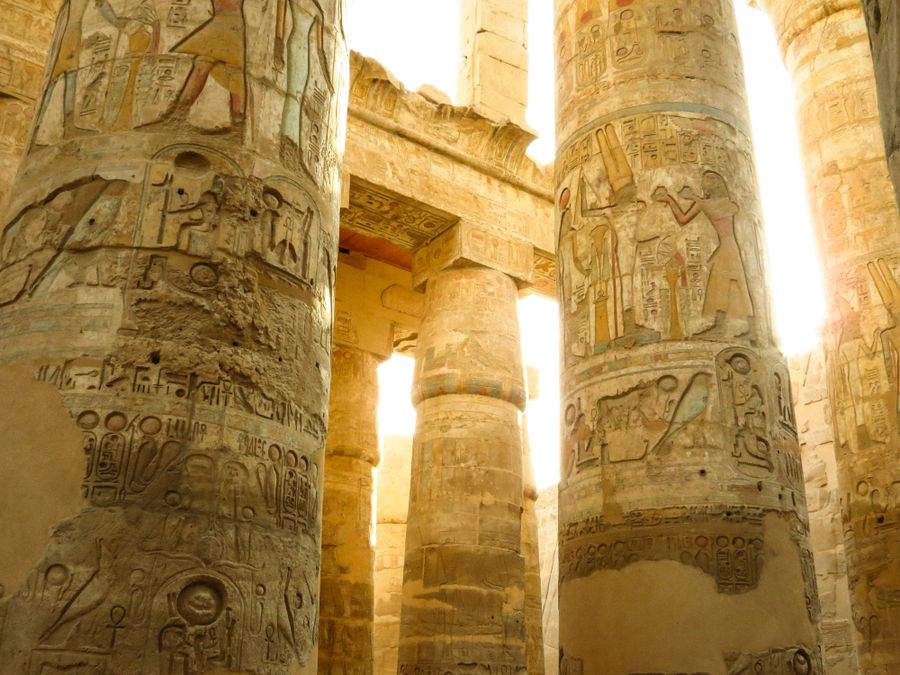
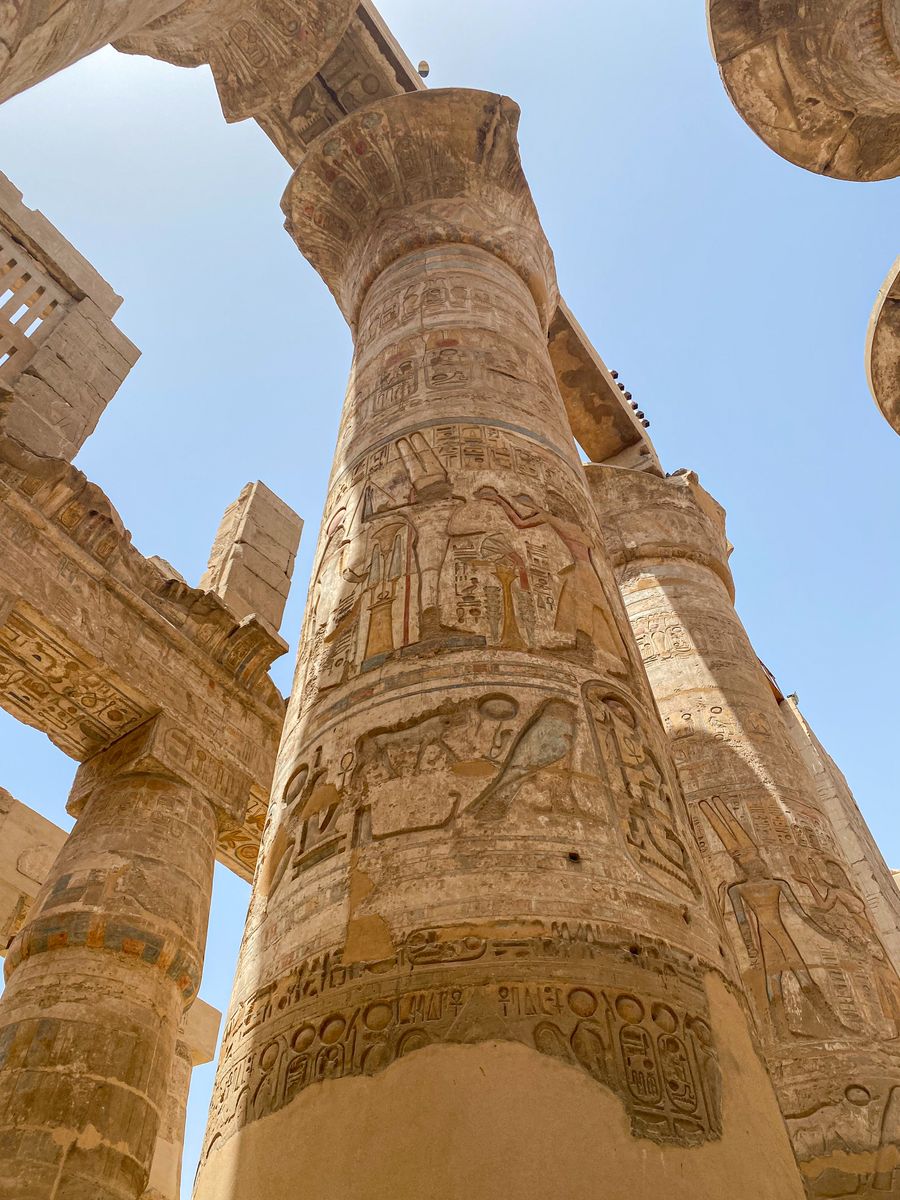
- Karnak Temple Complex Two thousand years of building in one site, and the hypostyle hall at the centre of it. Opening or 16:00
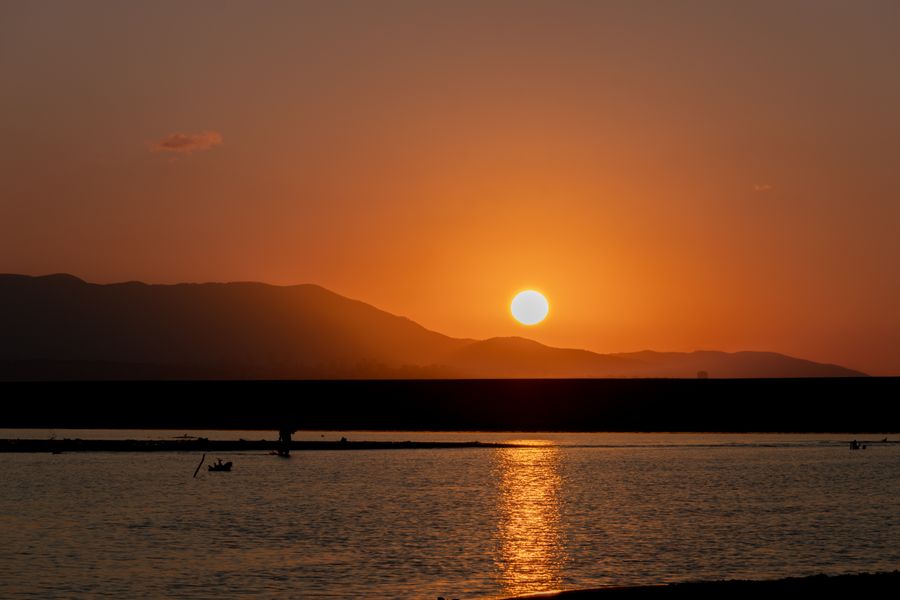
- Balloon over the West Bank The only way to see how the necropolis, the cane and the river actually fit together. Pre-dawn
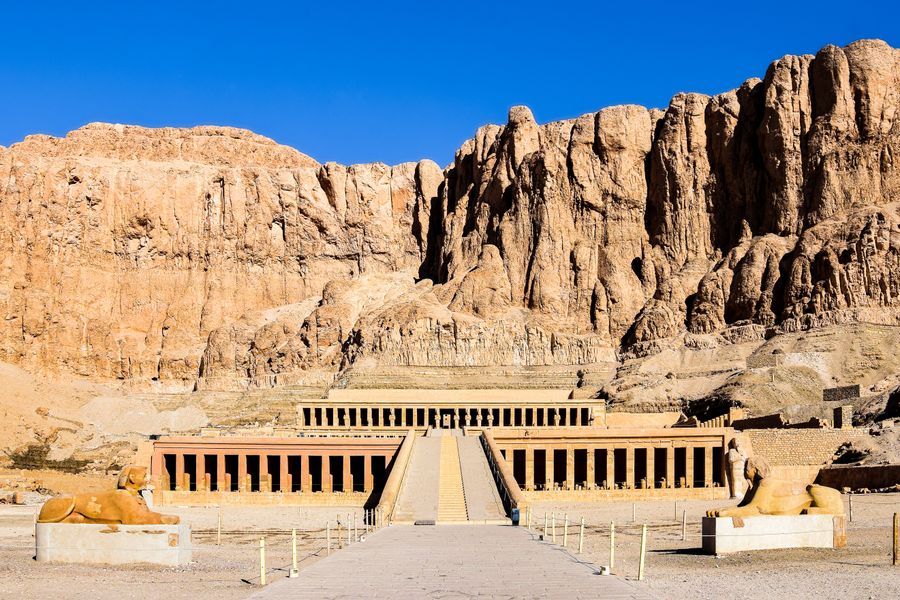
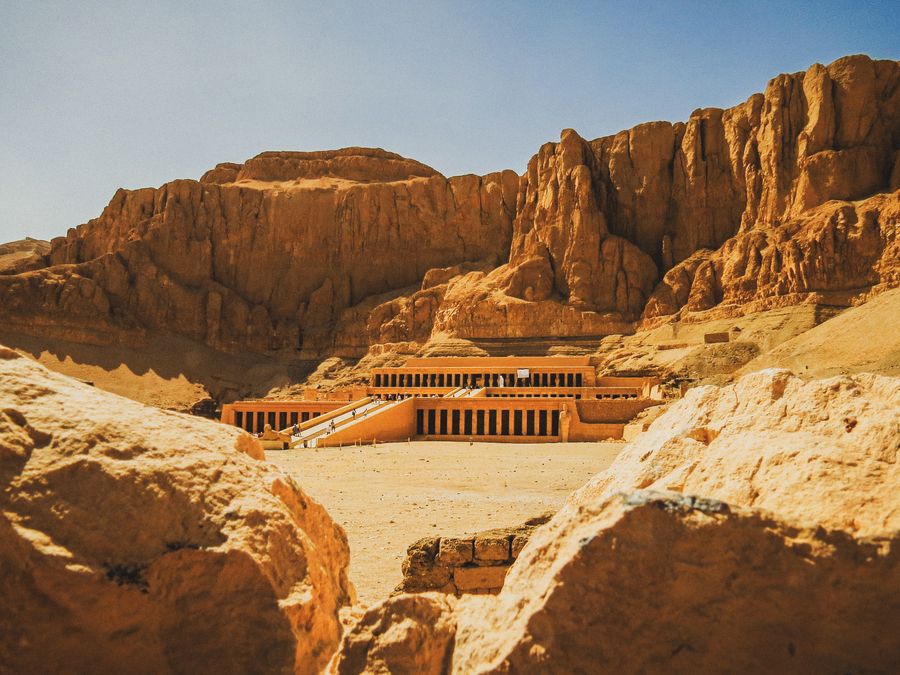
- Hatshepsut Temple Architecture answering a cliff, the most deliberate building on either bank. 07:30
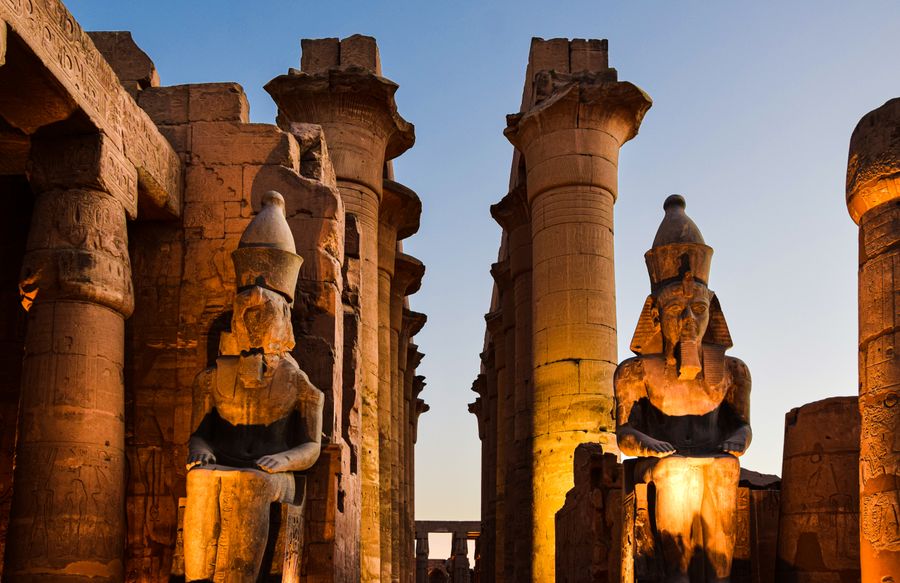
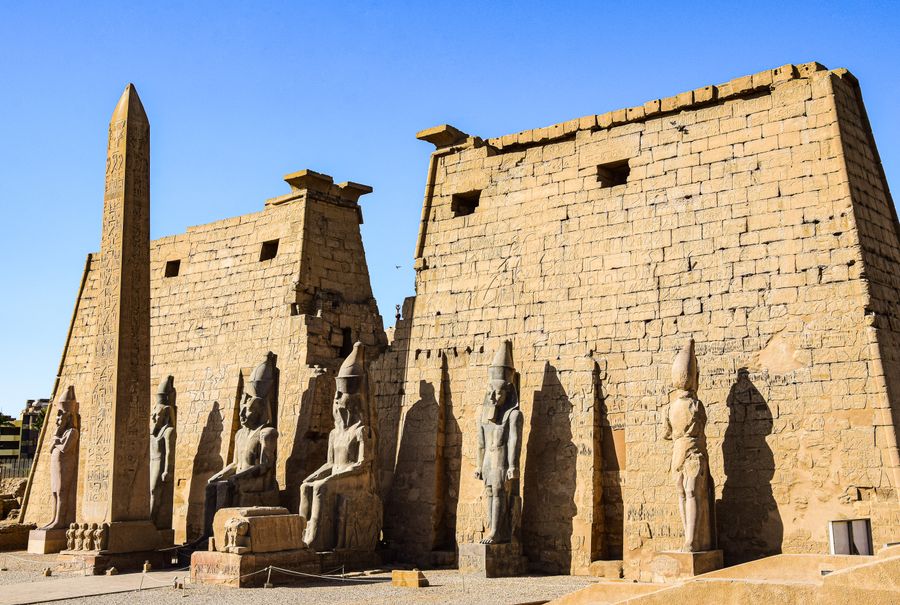
- Luxor Temple after dark Lit columns in the middle of a living city, visible from the Corniche. After sunset
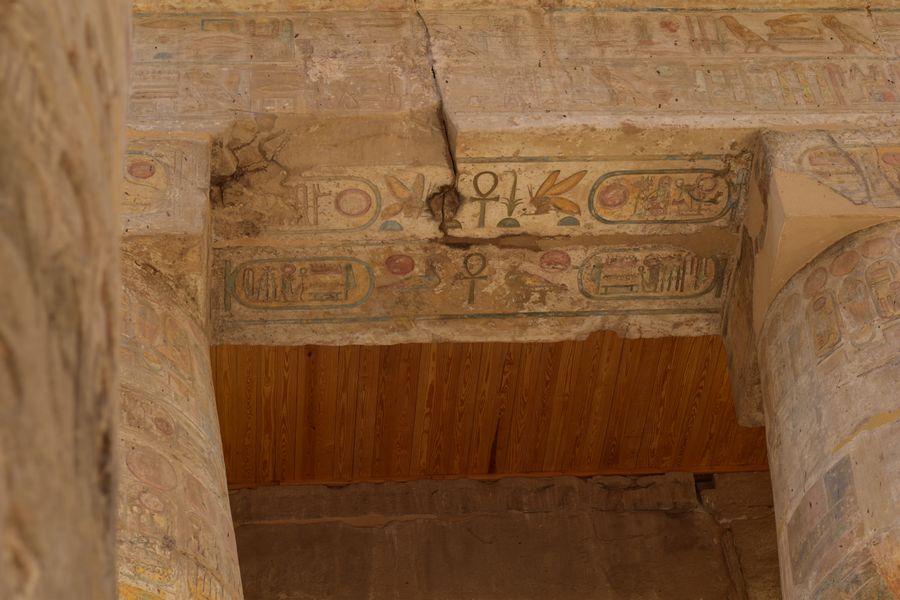
- Medinet Habu The colour survives here. You leave knowing what the others originally looked like. 16:00
Before you set out
What is worth booking in advance?+
The balloon, and little else. Tomb tickets are bought at the gate, the Luxor Pass at the ticket office, and no temple sells out. In high season a balloon slot can take several days to come free.
Is the Luxor Pass worth it?+
Only if you are doing the expensive extras, Nefertari, Seti I, the Valley of the Queens and both museums. For a two-day trip covering the headline sites, individual tickets usually come out cheaper.
How early do the sites actually open?+
Six in the morning on the West Bank, and that is the single most useful fact on this page. Most groups arrive between nine and ten, so an early start buys you three near-empty hours.
Can I see both banks in one day?+
Yes, and it is the standard first day: tombs and temples in the morning, cross for the museum in the heat, Karnak in low sun, dinner on the Corniche. Two days is far more comfortable.
What is free?+
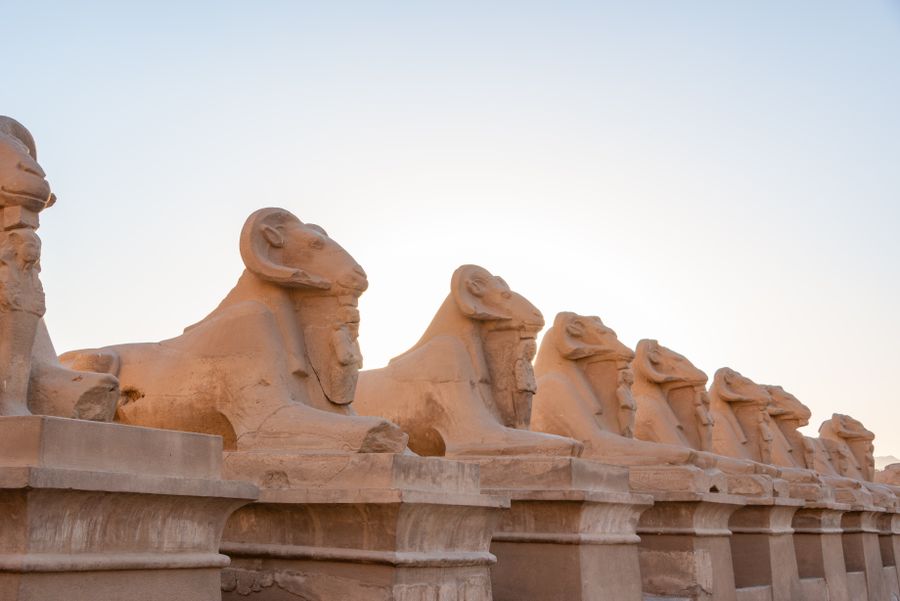
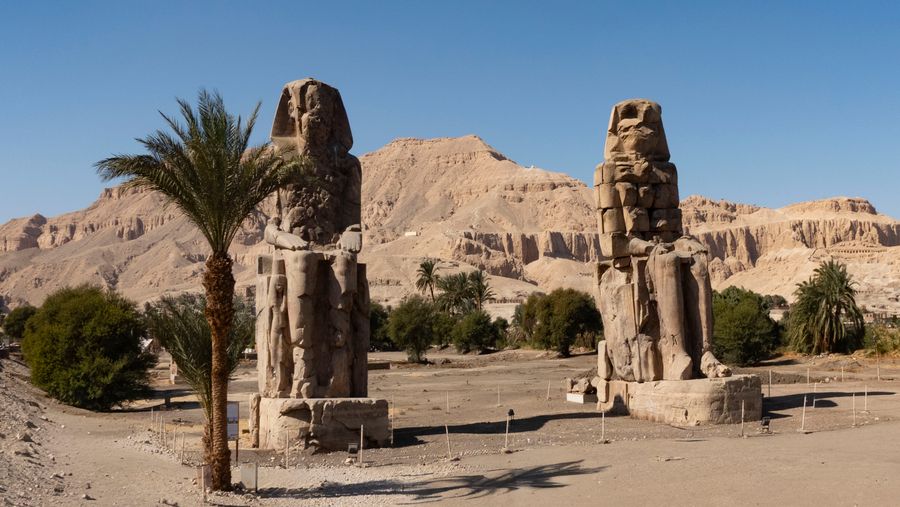
The Colossi of Memnon, the Avenue of Sphinxes, the Corniche walk, the souq, and Luxor Temple lit up from the railing at night. You could fill a good day without a ticket.