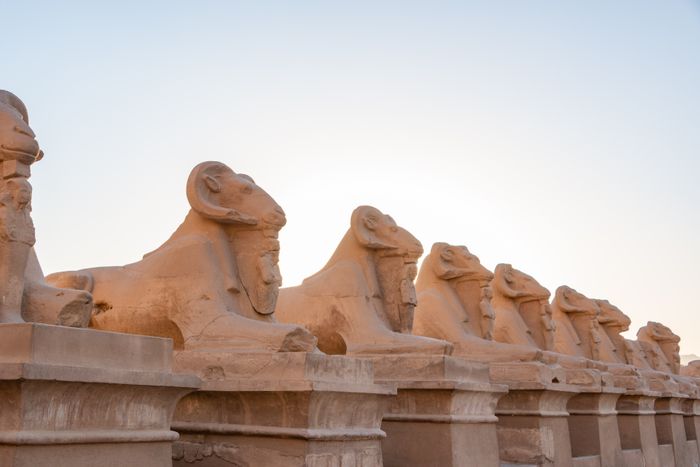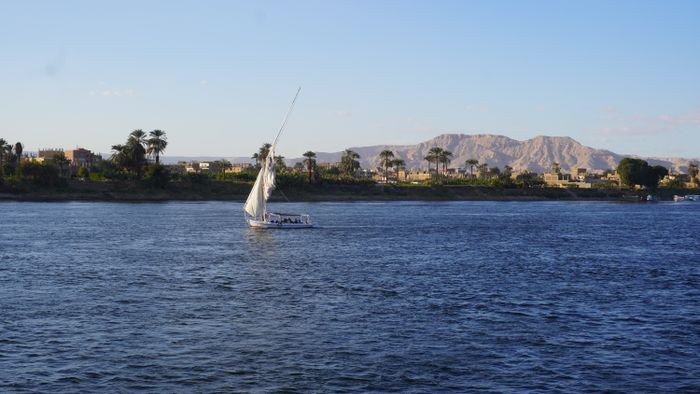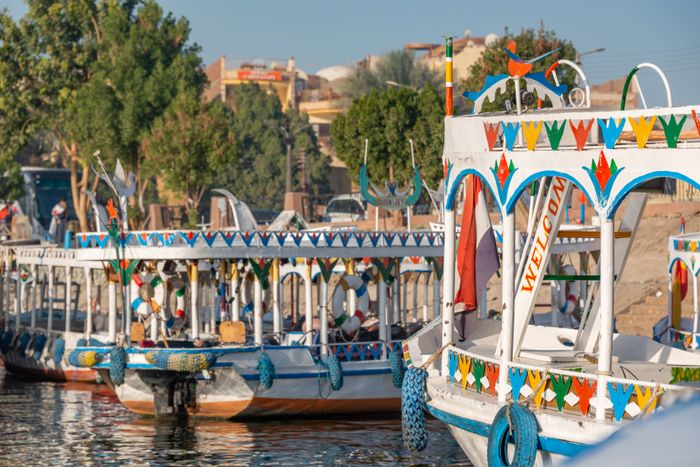
Luxor's genuinely free experiences are mostly outdoors and self guided: the Corniche al-Nil walk, the ferry crossing views, the Avenue of Sphinxes, the public squares and markets of the East Bank, and the cultivated edge of the West Bank around Al-Qurna and New Qurna. Every tomb and temple interior charges admission set by the state, and the balloon flights, Nile cruises and horse carriages are commercial services. So the free day is a walking day, best split between one bank in the morning and the other in the late afternoon.
What free actually covers in Luxor
In Luxor, free means open public space: the riverfront, the streets, the squares, the market lanes, the farmland paths and the desert fringe. It also means looking at monuments from outside, because the Colossi of Memnon stand beside the road and the outer walls of Karnak and Luxor Temple are visible from the surrounding streets.
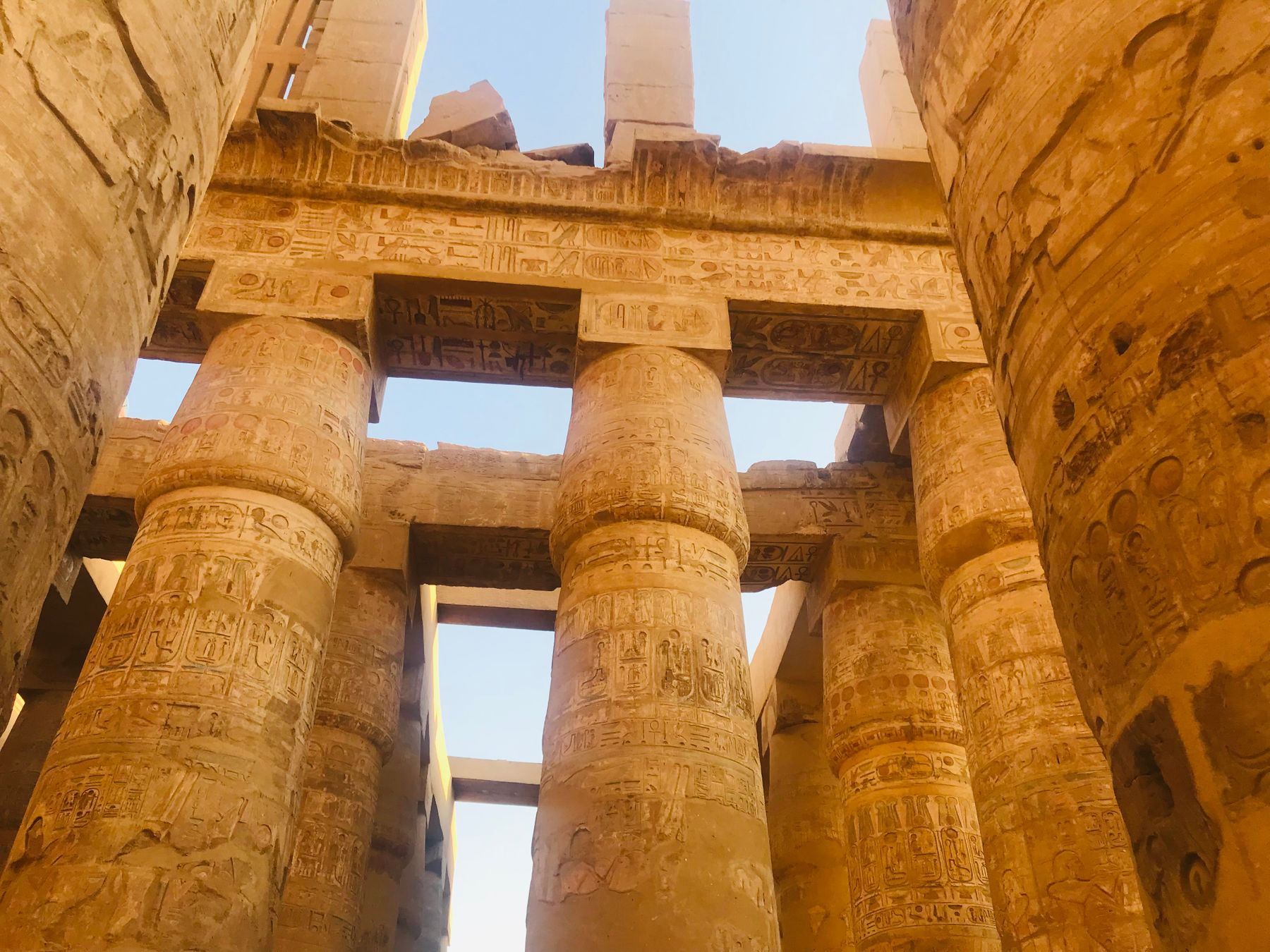
It does not mean entering tombs or temple interiors. Those are state antiquities with admission set centrally, and the ticket office is the only route in. Nothing in this guide is an exception to that, and any offer of a free entry is not a real offer.
A free day therefore works best as a walking day, and the useful question is not what to see but how to sequence the walking so the heat, the light and the river crossings all fall in your favour.
Free things worth building a day around
Free, cheap or ticketed: how the main sights split
The free that is not free
Businesses sometimes advertise a free service that is really a sales route: a free boat ride to a workshop, a free shop visit with a guide, a free drink tied to a purchase. The reliable free things in Luxor are public space and public views, and nothing else. If a free offer comes with a destination you did not choose, treat it as a sales visit rather than a sight.
The East Bank free day
The East Bank holds the city, the railway station, most hotels and restaurants, and both of the big temples. The free itinerary here is the riverfront: the Corniche al-Nil runs along the water and connects the ferry landings, the cafe strip and the approach to Luxor Temple.
Inland from the river, the Avenue of Sphinxes is a public road, so you can walk the ceremonial route between Luxor Temple and Karnak without buying anything. The scale of the avenue is best understood on foot, and the walk gives a clear sense of how the two temple precincts related to each other.
Luxor City Center and the Luxor Souq lanes fill the space between. Browsing is inexpensive to reach, though a shopkeeper may invite you in, and declining politely is normal. The market is busiest in the evening, when the heat drops and the streets stay active late.
East Bank and West Bank compared for a free day
Questions
Can you see Karnak or Luxor Temple without paying?+
You can see the outer walls, the approach and the pylon from public ground, and the Avenue of Sphinxes is free to walk. You cannot enter the temple interiors or the hypostyle halls without a ticket, and there is no legitimate free route in. Treat any offer of free entry as a sales approach.
Is the public ferry free?+
No, the public ferry carries a small river fare, and private boats charge their own rate agreed before boarding. What the crossing offers for that fare is a view of both banks and the river itself, which is one of the standard Luxor experiences. Fares and timings change, so confirm on the day.
What is the best free thing to do at sunset?+
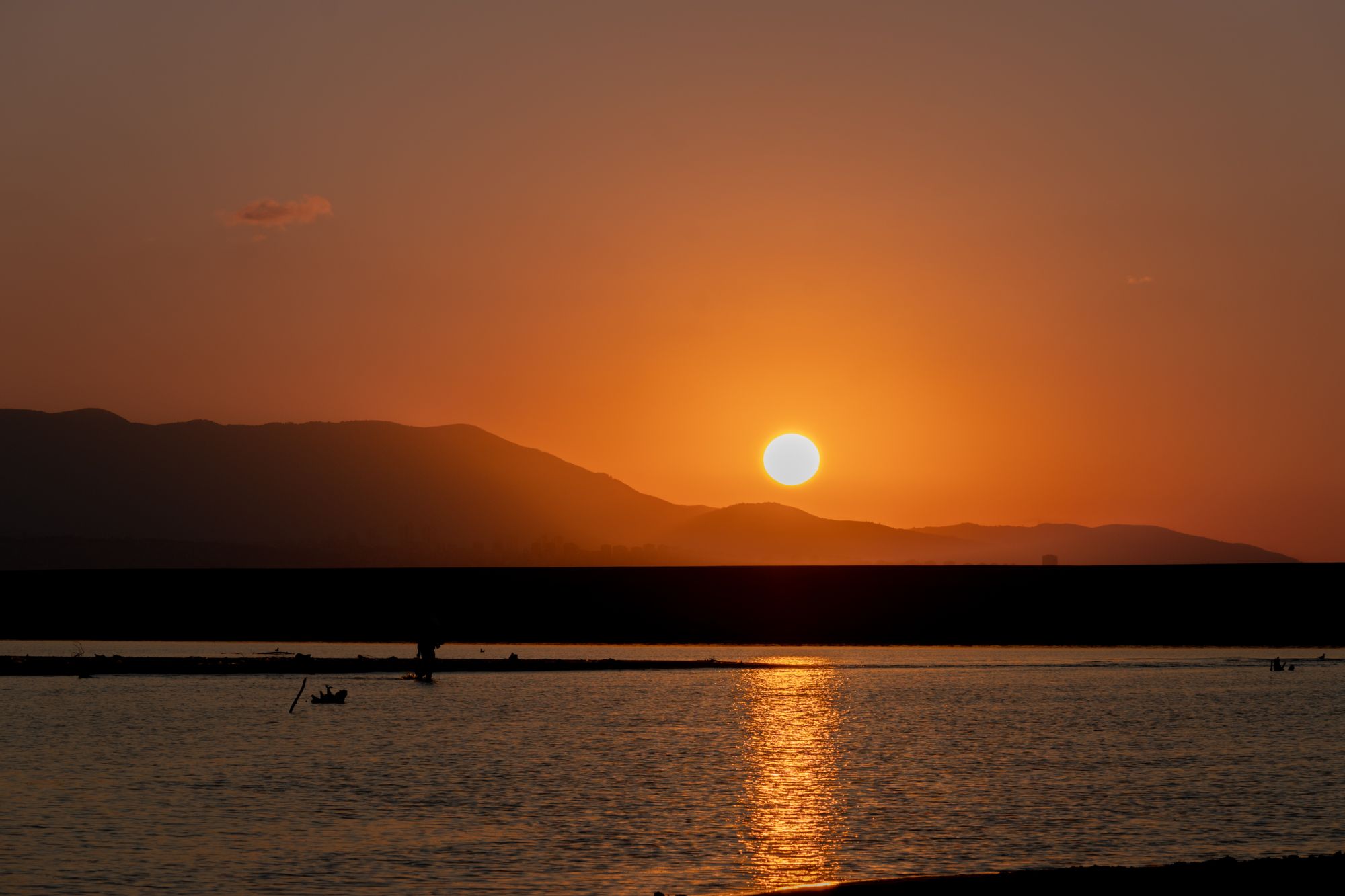
The Corniche al-Nil on the East Bank and the West Bank waterfront both face the light well, and the cliffs above the West Bank fields turn warm late in the day. The riverfront promenade needs no ticket and no booking. Exact sunset times shift through the year, so check the date rather than relying on a fixed hour.
Are the West Bank village lanes open to visitors?+
The lanes around Al-Qurna and New Qurna are working village streets rather than a site, so walking them is free and normal. Keep to the paths, do not enter houses or courtyards uninvited, and expect to be offered guides, donkey rides or workshop visits along the way. Those are paid services, not free additions.
How should a free day fit around the ticketed sites?+
Give the ticketed interiors the early morning, when the light is low and the heat is manageable, then use the free walking hours for the afternoon and evening. That way the Corniche, the avenue and the market lanes fall in the cooler part of the day. Multi day plans can alternate paid mornings with free afternoons.