Luxor is a calm, well-trodden tourist city where the main risks are mundane: heat, traffic, touts, and stomach trouble. Violent crime against visitors is rare. Most trips pass without incident. The practical precautions are the same as anywhere in Egypt: drink sealed water, agree transport before you set off, keep valuables out of sight in crowds, and respect local dress and Ramadan fasting norms. The desert heat and the river are bigger hazards than crime.
The honest picture
Luxor receives millions of visitors a year, and the overwhelming majority experience nothing worse than a hard sell or a dodgy stomach. The city's economy depends on tourism, and the police and tourist police are visible around the main sites. That does not mean zero risk, but it does mean the streets are not the danger many first-time visitors imagine.
The real hazards are environmental and commercial. Summer heat can cause exhaustion or heatstroke if you walk temples at midday. Traffic on the East Bank is chaotic, and crossing roads requires care. Touts and unofficial guides can be persistent, especially around the Corniche al-Nil and the Luxor Souq. None of this is unique to Luxor, but it is what you will actually deal with.
Practical precautions
Common risks and how to handle them
Heat is the real danger
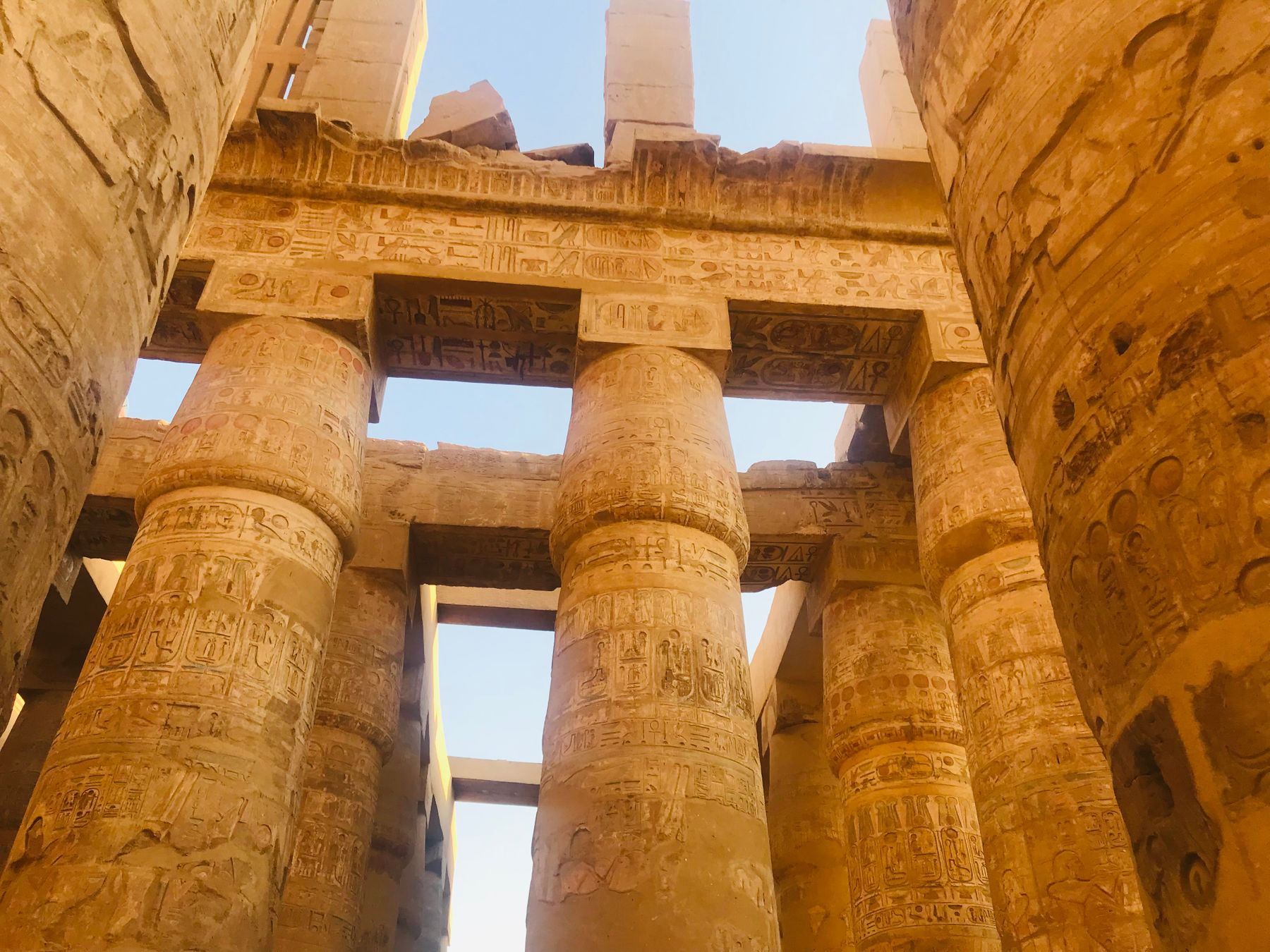
From June to August, daytime temperatures regularly exceed 40C. Plan temple visits for early morning or late afternoon, and treat midday as rest time. Heatstroke is a genuine risk, and it is far more likely to affect your trip than crime.
The West Bank and after dark
The West Bank is quieter and more rural than the East Bank. During the day, the main sites like the Valley of the Kings and Medinet Habu are busy and well policed. At night, the roads between villages are dark and poorly lit, and there are few taxis. If you are staying on the West Bank, arrange transport back to your hotel rather than walking.
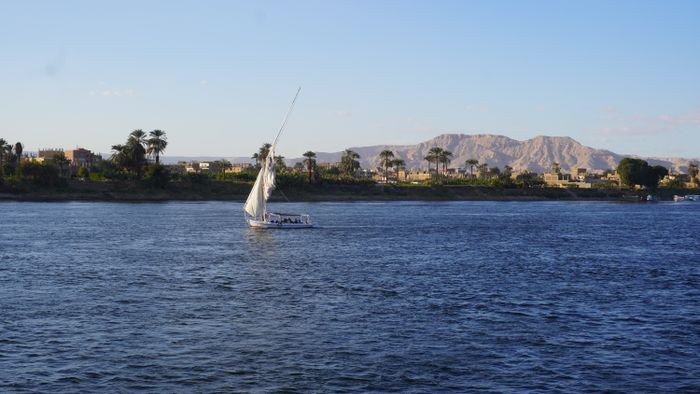
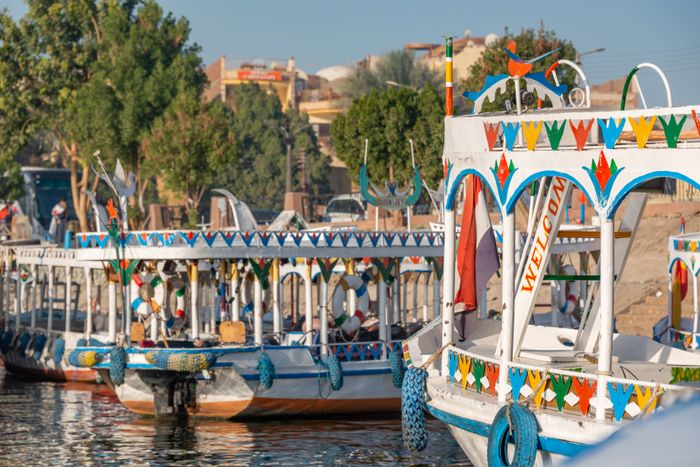
The public ferry between the two banks runs frequently during the day, but services thin out later. Private boats are available but agree the fare before boarding. Women travelling alone may attract more attention on the West Bank, particularly in village areas, though it is usually verbal rather than physical.
Emergency numbers and health
Questions
Is Luxor safe for solo female travellers?+
Generally yes, with the usual caveats. Verbal harassment is more common than in many Western cities, and you may be stared at or approached. Dressing conservatively and avoiding isolated areas after dark reduces this. Many solo women travel through Luxor without serious problems.
What should I do about stomach illness?+
Prevention is the main tool: drink sealed water, avoid ice in uncertain places, eat freshly cooked food, and peel fruit yourself. If you do get sick, oral rehydration salts help, and most cases pass in a day or two. Seek medical help if symptoms are severe or last more than 48 hours.
Is it safe to walk around at night?+
On the East Bank, the Corniche and city centre are lively and generally safe after dark. The West Bank is much quieter, with fewer lights and fewer people. Stick to main roads and avoid walking alone in isolated areas, especially if you are unfamiliar with the layout.
How do I deal with touts and unofficial guides?+
A firm but polite 'no, thank you' and continued walking usually works. Do not feel obliged to explain yourself. If someone claims a site is closed or that you need a guide, verify at the ticket office. Official guides carry identification.
Do I need travel insurance?+
Yes, and check that it covers Egypt and any activities you plan, such as balloon flights. Medical facilities in Luxor are adequate for routine issues, but serious cases may require transfer to Cairo. Insurance is the difference between a manageable incident and a very expensive one.