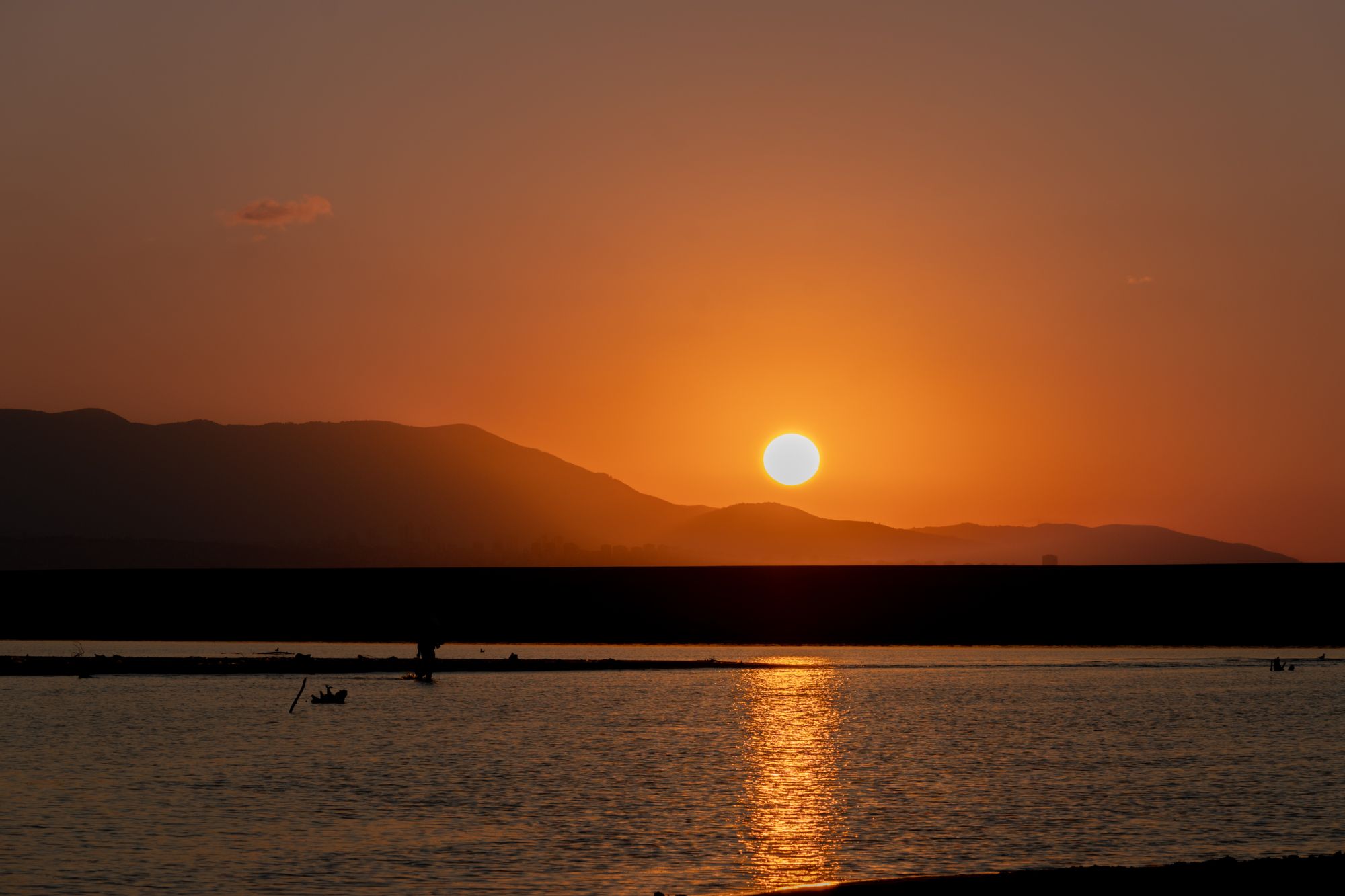
Luxor has two real travel windows. October to April brings the mildest days and the heaviest demand, Christmas and New Year especially. May to September is hot, with daytime temperatures that push sightseeing into early morning and late afternoon. The Nile splits the city: temples, the station and most hotels sit on the East Bank, while the Valleys, Hatshepsut and Medinet Habu sit on the West Bank. Wind and dust are a wildcard in March and April. Decide your window first, then your bank, then your days.
The two seasons that matter
Luxor runs on two broad seasons. From October to April the days are mild enough to walk Karnak in the middle of the afternoon, and the evenings on the Corniche al-Nil are comfortable. That comfort is exactly why this window draws the most visitors, so book the sites and the river crossing around the busiest hours.
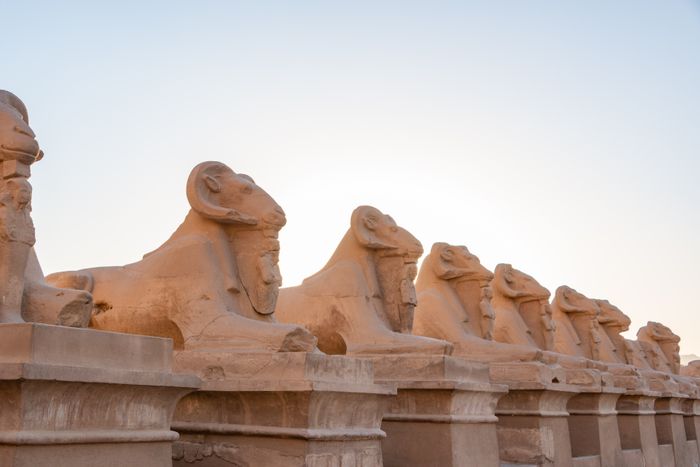
From May to September the heat reshapes the day. The Valley of the Kings and the West Bank tombs are best at opening time, the middle hours are for the Luxor Museum, the Mummification Museum or a long lunch, and the late afternoon is for Luxor Temple and the Avenue of Sphinxes.
March and April sit between the two, and bring the khamsin: a seasonal wind that can lift dust and cut visibility across the West Bank. It does not happen every day, and no reliable forecast exists months out, so check the forecast for your dates and keep a flexible morning.
Month by month, in broad terms
What actually changes with the season
Plan around heat, not the calendar
In the hot months, treat the day as two sessions: one from opening time to late morning, one from late afternoon to sunset. The hours in between belong to the Luxor Museum, the Mummification Museum, a long meal or the Corniche al-Nil.
How your window shapes the days
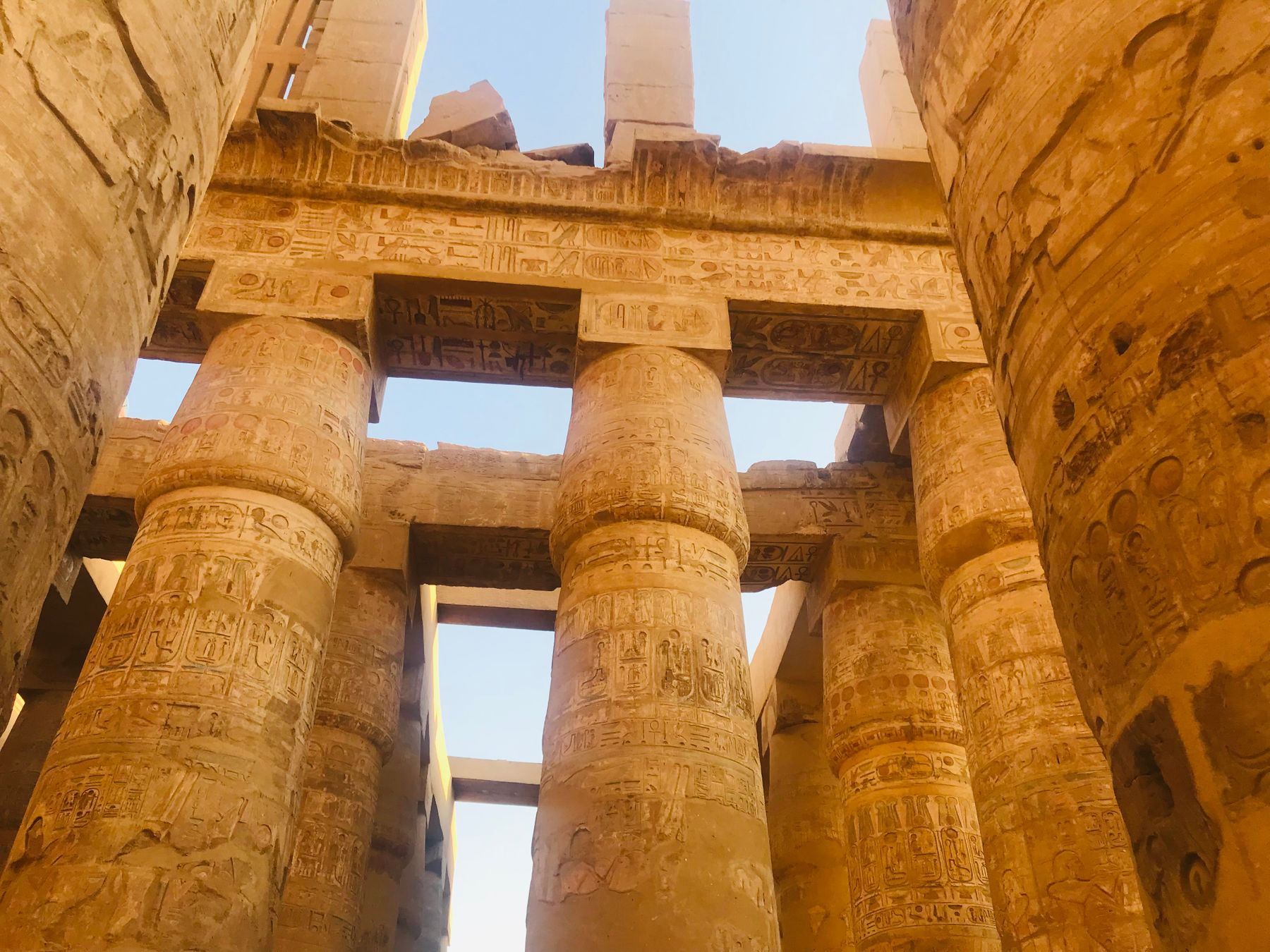
In the mild months you can string a full East Bank day together: Karnak Temple Complex in the morning, the Luxor Museum at midday, Luxor Temple and the Avenue of Sphinxes later. The same day in July needs to be split, with the middle hours indoors and the temple saved for the evening.
The West Bank rewards an early start in every season, because the Valleys, Hatshepsut Temple at Deir el-Bahari and Medinet Habu sit in the open. A winter start means leaving the East Bank before sunrise; a summer start means the same, with more reason.
If your dates are fixed by flights rather than weather, the season still tells you which plan to open: the 48 hours in Luxor structure for a short trip, or One Week in Luxor when you have the days to spread the sites out.
The river decides the shape of the day
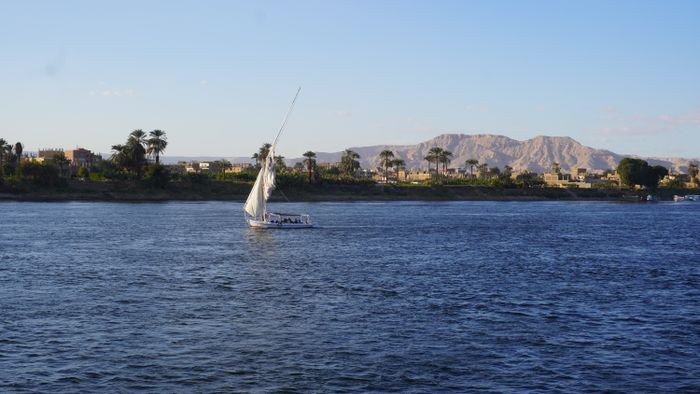
The Nile splits Luxor. The East Bank holds the city, the station, most hotels, Luxor Temple and Karnak. The West Bank holds the Valley of the Kings, the Valley of the Queens, Hatshepsut Temple at Deir el-Bahari, Medinet Habu, the Ramesseum and the Colossi of Memnon.
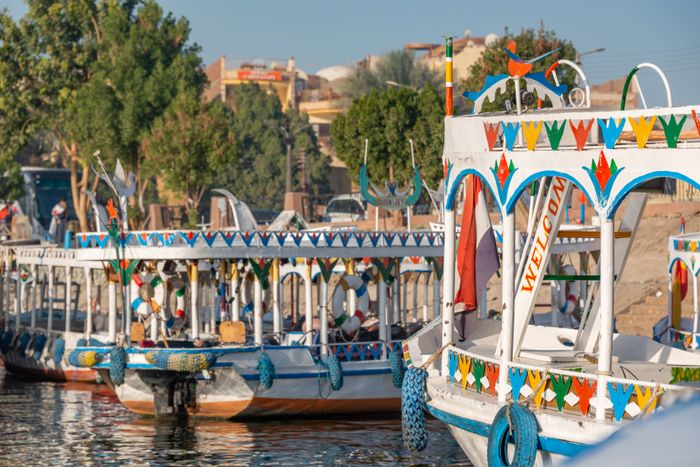
The public ferry runs every few minutes through the day, private boats cross on demand, and a road bridge sits south of the city. In the hot months the crossing is also a break: a few minutes on the water between two outdoor stretches.
Pick where you sleep with the season in mind. Staying on the East Bank keeps the restaurants and the station close, while a West Bank base puts the tombs closer and the city a crossing away, which matters more when the days are short.
Questions
What is the best month to visit Luxor?+
November to February gives the mildest days, which makes long outdoor mornings on the West Bank comfortable. It is also the busiest stretch, so the main sites fill early. If you want mild weather and lighter crowds, late October and early March are the shoulders between the hot and mild windows.
Is summer in Luxor too hot to visit?+
It is hot, but the days are workable if you split them. Start at opening time, keep the middle hours for the Luxor Museum, the Mummification Museum or a long meal, and return outdoors in the late afternoon. Air conditioning is standard in hotels and most restaurants.
When is the khamsin in Luxor?+
The khamsin is a seasonal dust-laden wind that most often affects March and April, though it is not a fixed date and does not blow every day. It can reduce visibility across the West Bank and affect balloon flights. Check the forecast for your dates and keep one morning flexible.
Do sites close earlier in winter?+
Opening hours at some sites shift with the season and can change again without much notice. Hours change seasonally, so check the operator's page for your date before you build a day around a specific opening time. Plan the West Bank for the morning and the East Bank for the afternoon either way.
Which bank should I stay on, and does the season change that?+
The East Bank puts the station, the restaurants and Luxor Temple close, which suits shorter days and evenings in the city. A West Bank base puts the tombs and Hatshepsut closer and relies on the ferry or a private boat to reach town. In the mild months the crossing is easy at any hour.