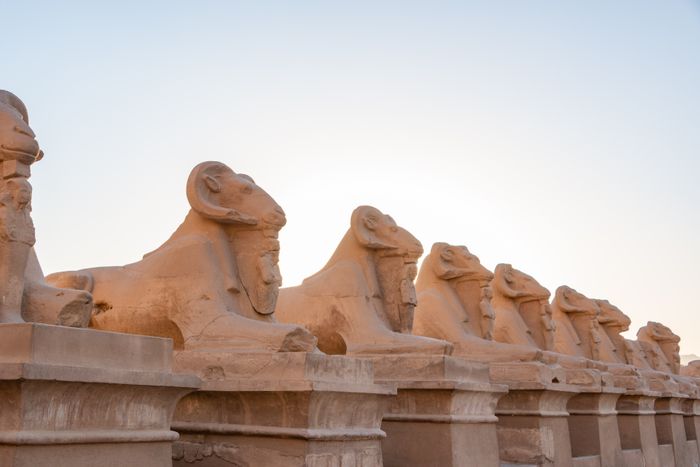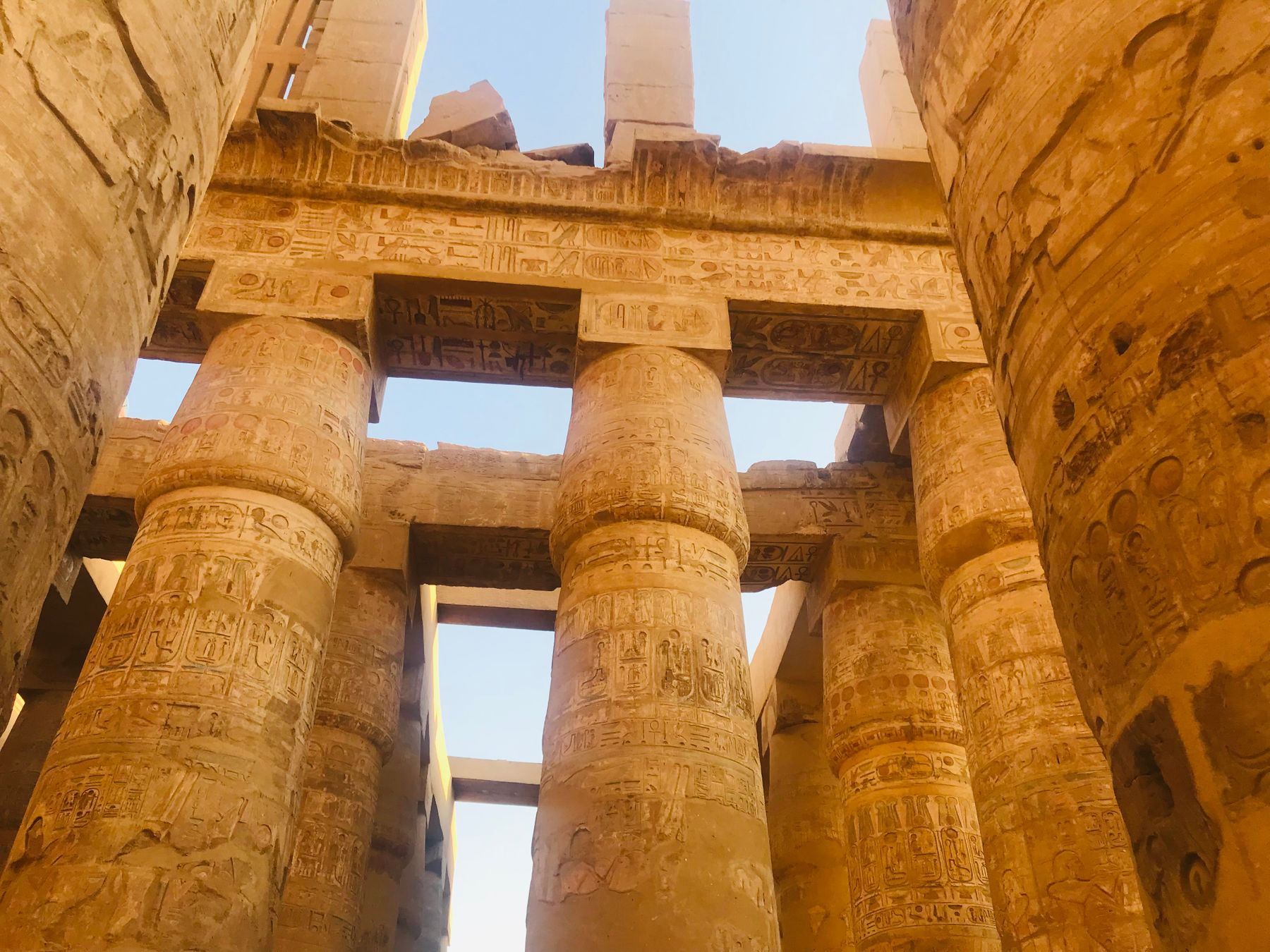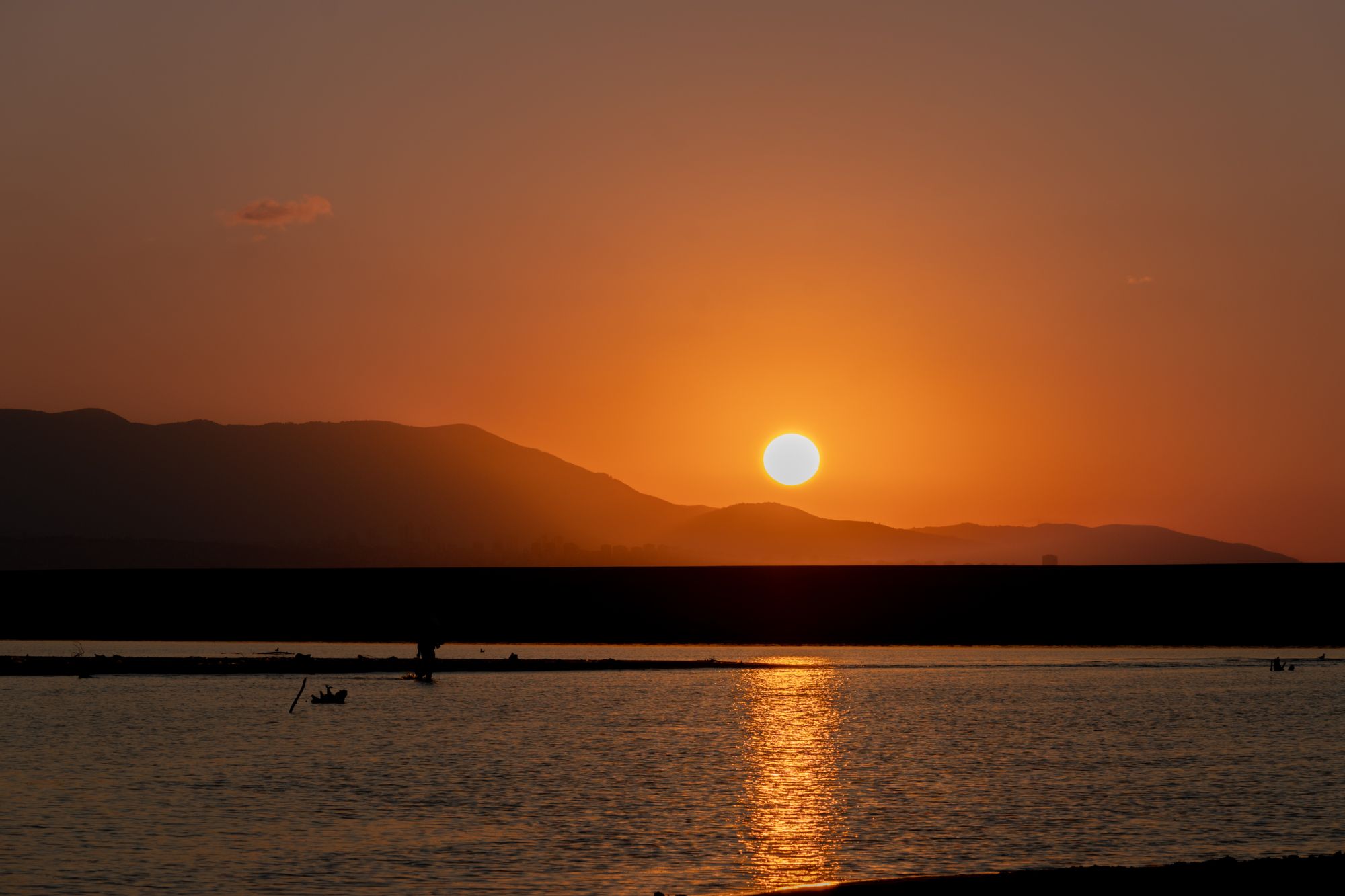
Choose the East Bank if this is a first trip: the temples at Luxor and Karnak, the railway station, the souq and most restaurants sit on that side, and the public ferry runs across every few minutes. Choose the West Bank if the tombs, Hatshepsut's temple at Deir el-Bahari and Medinet Habu are the point of the trip, or if you want a quieter base with fields and desert edge. The two banks are close; the bridge south of the city takes road traffic.
The river decides more than any single district
Luxor is two towns facing each other across the Nile. The East Bank holds the railway station, Luxor Temple, Karnak, the souq and the dense run of hotels and restaurants. The West Bank holds the tombs, Hatshepsut's temple at Deir el-Bahari, Medinet Habu and the Colossi of Memnon, plus fields, small villages and the desert edge. Your first decision is which side, not which street.
The two banks are close. A public ferry crosses every few minutes, private boats run on demand, and a road bridge stands south of the city. That means a West Bank base is workable even on a temple-heavy trip, and an East Bank base is workable for early tomb starts, at the cost of a crossing before dawn.
What changes between areas is not distance alone. It is when you have to be somewhere, whether you want dinner within walking distance, and whether you want fields and birdsong or street noise outside the window.
East Bank against West Bank
East Bank: which district
Luxor City Center puts the station, Luxor Temple and the souq within a short walk, and the Corniche al-Nil runs along the water from there toward Karnak. It suits a first trip because the practical parts of the day, arrival, dinner, an evening walk, need no vehicle. Noise is the trade-off on the busiest streets.
Corniche al-Nil is the riverside strip, close to the ferry landing and to Luxor Temple, with river-facing rooms and a steady flow of passing traffic. Karnak is further north and quieter, useful if the temple complex is your priority and you do not mind being away from the restaurant cluster.
Al-Awameyah sits south of the centre and reads more residential, with local shops rather than a tourist strip. It is the option for travellers who want an ordinary neighbourhood and are content to take transport to the monuments.
West Bank: which village
Match the base to the shape of your trip
A short first visit leans East Bank, because arrival, meals, the souq and both city temples are on one side and the ferry covers the rest. A tomb-focused visit leans West Bank, because the sites open early and the crossings add a step to every morning.
A long stay often splits the difference: some nights on each bank, moving once rather than crossing daily. That works well when one half of the trip is tombs and desert and the other is temples, museums and the Corniche.
Outside the two main areas, Al-Tod, Armant, Naqada and El-Ballas are separate settlements to the south, each with its own archaeology. They suit a specific interest, not a general base, since the usual visitor sights are well to the north of them.
Plan around the crossing, not the map
A hotel on the far bank adds a ferry or bridge leg to every fixed-time plan, and the public ferry timetable changes seasonally, so check the operator's page for your date. For early tomb entries or balloon departures, staying on the West Bank removes that leg entirely.
Questions
Which bank is better for a first trip to Luxor?+
The East Bank is the easier first base. The station, Luxor Temple, Karnak and most restaurants sit on that side, and the public ferry reaches the West Bank every few minutes. You can see the tombs from an East Bank hotel, you simply add a crossing to those mornings.
Can you stay on the West Bank and still see Luxor Temple and Karnak?+
Yes. The ferry and the road bridge link the banks, and the crossings are short. Allow extra time for early starts and for evenings when you want to eat on the other side, since the West Bank is quieter after dark.
Where should you stay to be near the Valley of the Kings?+
The West Bank villages closest to the tombs are Al-Qurna and New Qurna, with Medinat Habu and Al-Bayadiya further out but still on the correct side of the river. Staying there removes the crossing from an early tomb or balloon start.
What is near Luxor City Center?+
Luxor City Center covers the station, Luxor Temple and the souq, with the Corniche al-Nil running along the river nearby. It is the most practical area if you want to walk to dinner and to the temple in the evening.
Is the Corniche al-Nil a good place to stay?+
It is central, riverside and close to the ferry landing and Luxor Temple, which makes it convenient for both banks. The trade-off is through traffic on the road behind the promenade, so ask for a room away from the street if quiet matters.