The East Bank suits most first trips because Luxor Temple, Karnak, the station and the majority of hotels and restaurants sit on it. Pick the City Center for walking distance to Luxor Temple and the souq, the Corniche al-Nil for river views and boat access, or Al-Awameyah north of the centre for quieter nights and easy Karnak access. Choose the West Bank only if your days are built around tombs.
Why the East Bank works
The East Bank holds the two temples that define Luxor, the railway station, the airport road and most of the city's hotels and restaurants. A hotel here puts the day's first and last movements on foot or on a short ride, not on a ferry. The Nile separates the living city from the necropolis, and the ferry and bridge cross it only at specific points. That geography decides your trip: stay on the side where your days begin and end, and the river becomes an excursion rather than a commute.
Most visitors come for Karnak and Luxor Temple, both on the East Bank, and for the tombs and mortuary temples on the West Bank. The West Bank is a strip of villages and fields with fewer services after dark; the East Bank is a working city with pharmacies, banks and late food. If your itinerary is split, the East Bank still wins for a first stay because the station and airport are there and you can reach the West Bank by ferry or bridge when you choose.
East Bank areas compared
Each area below suits a different pattern of days, so match it to what you will actually do.
How to choose your area
Work through these four checks before you commit to a booking.
Three booking traps to walk away from
What to check before booking
Distance to Luxor Temple is the usual selling point, but the walk matters only if it is direct. The temple sits on the Corniche, and streets behind it can be blocked by the souq or by building work. Check the route on a map rather than the straight-line distance. For Karnak, Al-Awameyah and the area around the museum put you closer to the northern temples and away from the evening noise of the centre. If you plan early starts for the West Bank, a hotel near the ferry landing on the East Bank shortens the first leg.
Ask whether the hotel has a legal crossing nearby. Some properties on the East Bank advertise West Bank access using their own boat, which can be restricted by licensing and river conditions. Confirm the public ferry or the bridge is within reach on foot or by a short ride, and that it runs when you need it. The ferry timetable changes with demand and daylight; check the operator's page or ask the hotel for the current first and last crossing. The bridge is the reliable alternative for vehicles.
The public ferry crosses between the East Bank near Luxor Temple and the West Bank landing, and the bridge north of the city carries vehicles. Ferry hours shift with daylight and demand, and the bridge is the fallback when the ferry stops. Check the current timetable with your hotel or the operator for your dates.
When the West Bank wins
The West Bank is the better base when your days are built around tombs and mortuary temples, when you want to start before the tour buses cross, or when you prefer village evenings to city streets. It is also the choice for a slow stay with a garden and a view of the fields. It is not quieter in a general sense: the ferry landing and the road to the sites can be busy, and services are fewer. If you stay there, plan your crossings and accept that Luxor Temple and the station are a ferry ride away.
A common mistake is booking the West Bank on the promise of lower prices and then discovering that every dinner, every bank visit and every train departure needs a crossing. The saving is real only if you rarely leave. If your trip mixes temples, museums and the souq, the East Bank removes a daily logistical step. If it is mostly tombs and you are content to eat where you sleep, the West Bank is the logical base and the East Bank becomes the day trip.
Questions
Is the East Bank or West Bank better for a first trip to Luxor?+
The East Bank is the stronger choice for a first trip, because the temples, the station and most hotels and restaurants are on that side. The West Bank holds the tombs and mortuary temples, which are day trips rather than an evening base. If the tombs are your main reason for coming, the balance shifts.
Which East Bank district should I pick for walking?+
Luxor City Center puts Luxor Temple, the Avenue of Sphinxes and the souq within a walk of most addresses. The Corniche al-Nil is next best, with the river path in front of the hotels. Further north, around Karnak, you trade walkability for quiet.
Do East Bank hotels have Nile views?+
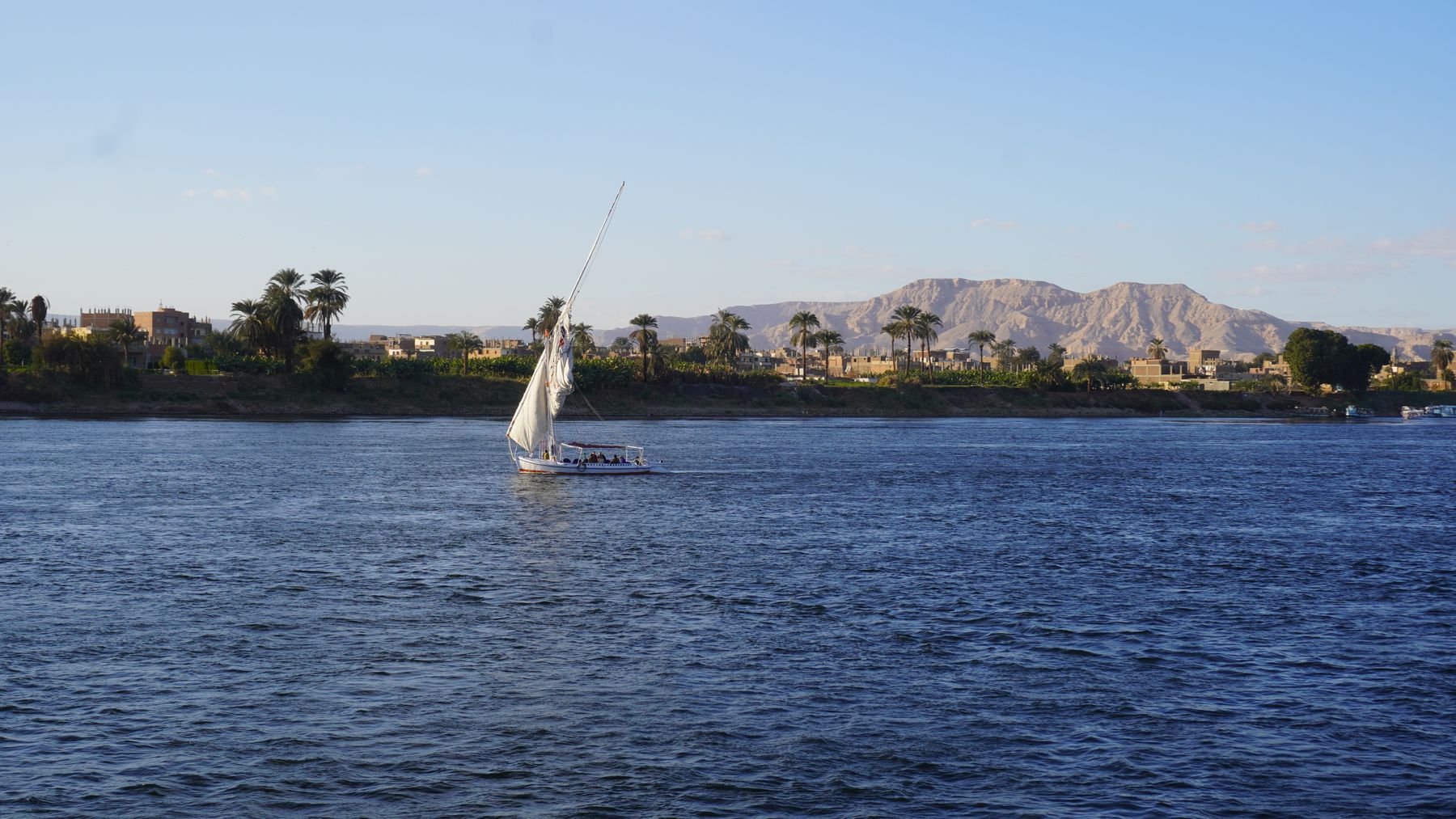
Some do, mainly along the Corniche al-Nil, where rooms face the river and the West Bank cliffs beyond. Others sit a street or two back with no view at all. If a view matters, ask which floor and which direction the room faces before booking.
How do I get from the East Bank to the West Bank sites?+
The public ferry crosses every few minutes, private boats go on demand, and there is a road bridge south of the city. Ferry times and boat availability change, so check the operator's page for your date. Many visitors cross early and return before the afternoon peak.
Should I stay near Karnak instead of the center?+
Stay near Karnak Temple Complex if you want to reach the gates early, before the heat and the coach groups. You give up the dense restaurant and cafe cluster of the center. It suits a short trip focused on the temples rather than a longer stay.