Luxor is manageable alone: street harassment is the main annoyance, not physical danger, and it is heaviest around the souq, the corniche and the ferry landings. Dress modestly, cover shoulders and knees, and expect to be approached. Stay on the East Bank for your first nights, where the station, restaurants and most hotels sit on one side, and cross to the West Bank in daylight. Few areas are closed to women; the practical problem is attention, not access.
Why the city works this way
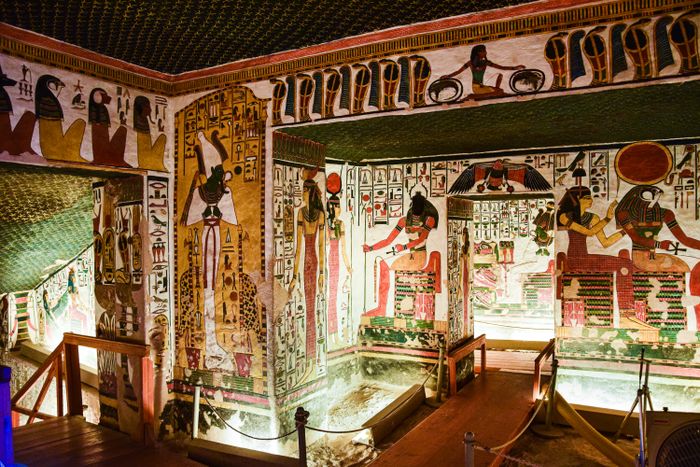
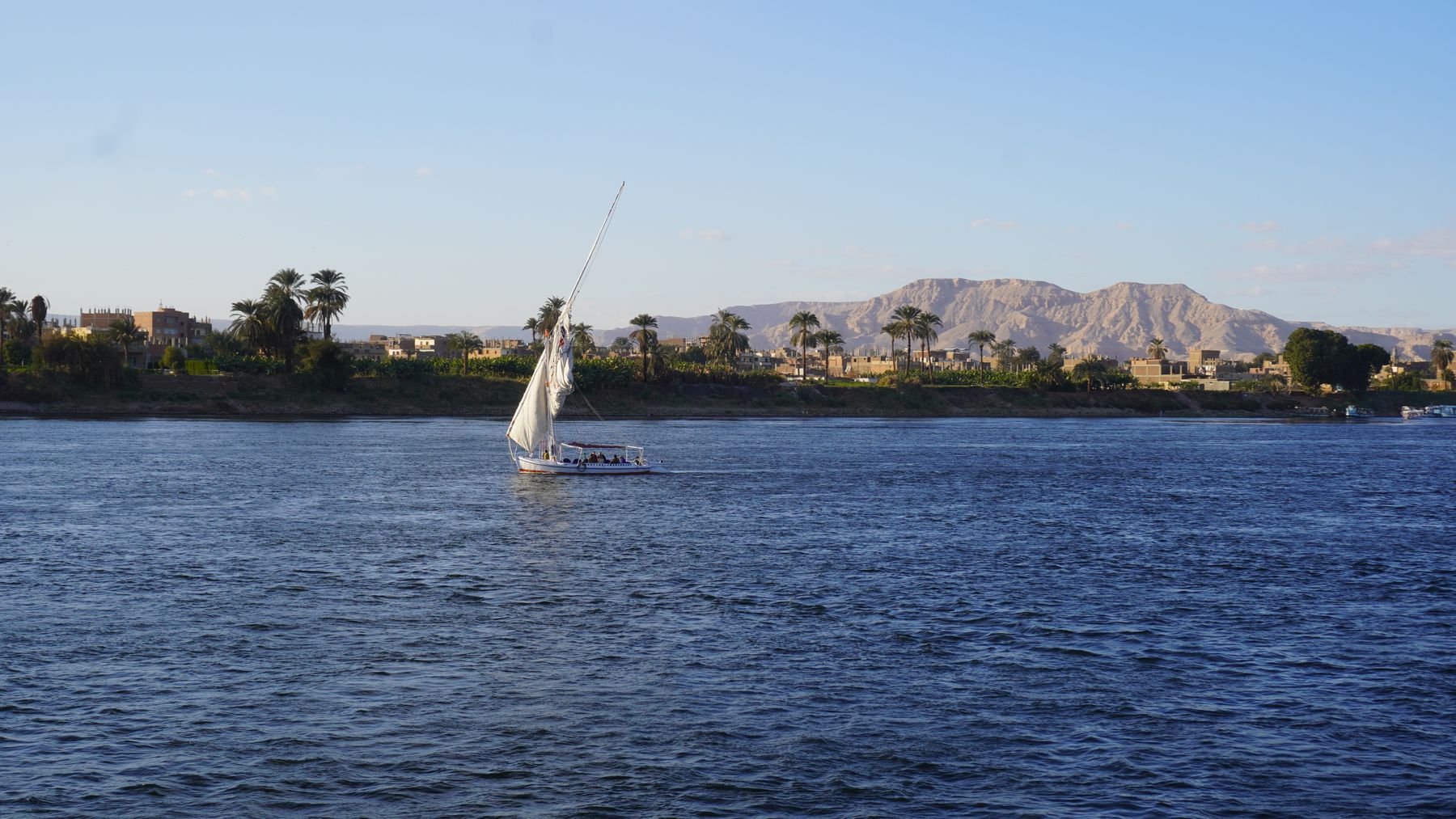
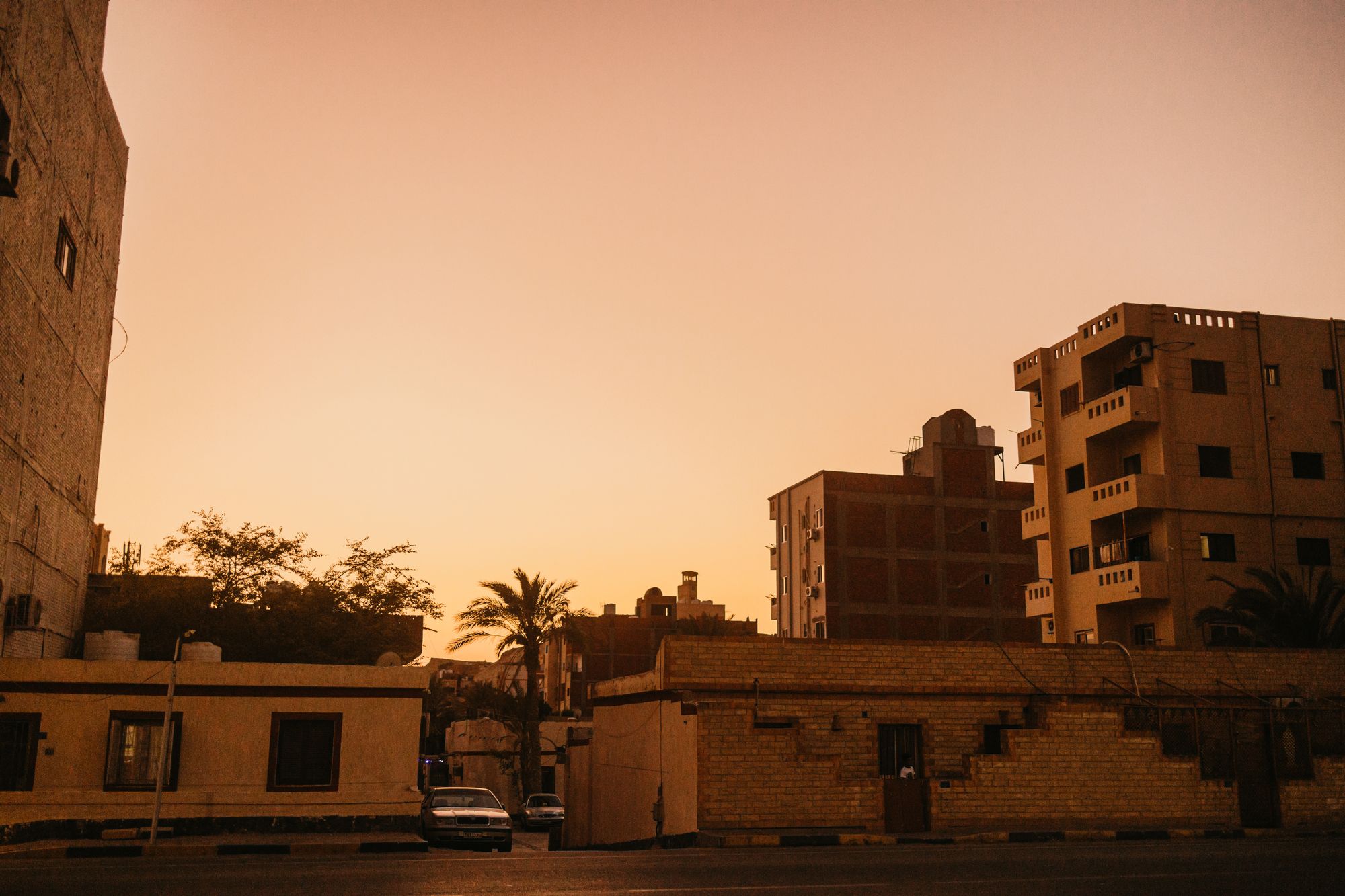
Luxor is a small city with a compact tourist core, and its geography concentrates both the sights and the attention. Most hotels, the railway station, the restaurants and the Luxor and Karnak temple complexes sit on the East Bank. The West Bank holds the tombs, the mortuary temples and the ferry landing. That split means a woman travelling alone spends most of her walking day in a busy, well-lit, populated strip, and the quieter side is reached by a short boat crossing rather than a long, isolated journey.
The pressure a solo woman feels is mostly commercial rather than predatory. Shopkeepers, calèche drivers, felucca captains and unlicensed guides compete for a limited number of visitors, and a lone foreign woman reads as an easy opening. The approaches are persistent and occasionally crude, but they are anchored to selling something. Understanding that changes the response: you are managing a sales environment, not a threat, and the tools that work are firmness, eye contact and movement rather than fear.
Ways to base yourself
Each of these changes how much negotiation and walking your day contains.
How to structure a day
A simple order that keeps the crossing and the return inside daylight.
Three approaches that rarely end well
What this means in practice
Dress is the single easiest adjustment. Cover shoulders and knees, avoid tight or sheer clothing, and carry a light scarf for sites and for the ferry. This is not a religious requirement for visitors to most monuments, but it reduces both commentary and unwanted negotiation. Egyptians dress conservatively and the standard for tourists is looser, not absent. A long, loose layer over what you already own is enough, and it doubles as sun protection when the middle of the day becomes unpleasant. Keep a second layer for the West Bank, where tomb interiors are warm and the exposed plateau is not.
Set your transport before you leave the hotel each morning. Agreeing a full day with one driver, rather than finding a new one at each stop, removes the most common source of friction. The public ferry between the banks runs frequently in daylight and is a normal, mixed passenger boat; the small private boats that tout for tourists at the landing are a different service and a different negotiation. On the West Bank, sites are spread over several kilometres with little shade. Walking between them is possible but hot and exposed, and a bicycle adds distance while removing the driver conversation.
The public ferry between the East and West Bank runs through the day and into the evening, but timings and frequency change with the season and with demand. Check the current operating hours at the landing or through your hotel for the date you are travelling, since the last crossing of the day is the one that matters most.
When the obvious answer fails
The obvious advice is to avoid the souq, the corniche and the ferry landing after dark. That is sound for a first evening, but it is also where the useful restaurants, the boat crossings and the ordinary life of the city are, and treating them as no-go areas makes a short trip smaller than it needs to be. The realistic rule is daylight and company. Cross to the West Bank in the morning and return before dusk. If you want to be out in the evening, stay on the East Bank near the centre, where other people are, and use a hotel-arranged car rather than walking a long empty stretch.
The second obvious answer is to hire a guide for everything. A licensed guide is genuinely useful at the tombs, where the archaeology is dense and the labelling thin, and for the first day generally. It is not necessary for the temples, the museum or the corniche, and booking one for every hour puts you in a commercial relationship all day. The harder judgment is the middle ground: take a guide where context matters, and keep the rest of the day unstructured. A woman alone is not required to buy protection in order to move around a city that thousands of visitors, including many travelling singly, navigate without incident.
Questions
Is Luxor safe for a woman travelling alone?+
The realistic risk is persistent street attention, not assault, and the places tourists go are busy and monitored. The main exceptions are unlit side streets after dark and isolated stretches of the West Bank, where being alone is a nuisance rather than an emergency. Read the full safety picture before you book, because conditions and reporting change season by season: /guides/safety-luxor/ covers it in detail.
Should I stay on the East Bank or the West Bank?+
The East Bank puts the railway station, most restaurants and the largest choice of hotels on one side of the river, which makes a first solo trip simpler. The West Bank is quieter and closer to the tombs, but every evening out means a crossing. Compare the two before deciding: /guides/where-to-stay-in-luxor/ sets out the trade-offs by area.
Do I need a guide to see the West Bank?+
No, but you do need transport, because the tombs and mortuary temples are spread over several kilometres with limited shade and few places to wait. A licensed driver for a half day solves the movement problem and lets you set the pace. If you want the route and the tickets handled for a first visit, an organised day is worth considering: /guides/getting-around-luxor/ explains the options.
What should I wear in Luxor?+
Light, loose clothing that covers shoulders and knees is the practical choice at both temples and in town, and it doubles as sun protection. A scarf is useful for dust and for covering up at mosques. Full guidance on local dress expectations belongs with the wider trip planning: /guides/when-to-visit-luxor/ covers heat and season, which affects what you pack as much as modesty does.
How do I cross the Nile on my own?+
The public ferry runs every few minutes during the day between the East Bank landing and the West Bank, and the crossing is short. Private boats wait at the same landings and will take you on demand, but agree the total before boarding. The full picture of routes, ferries and the road bridge is here: /guides/getting-around-luxor/.