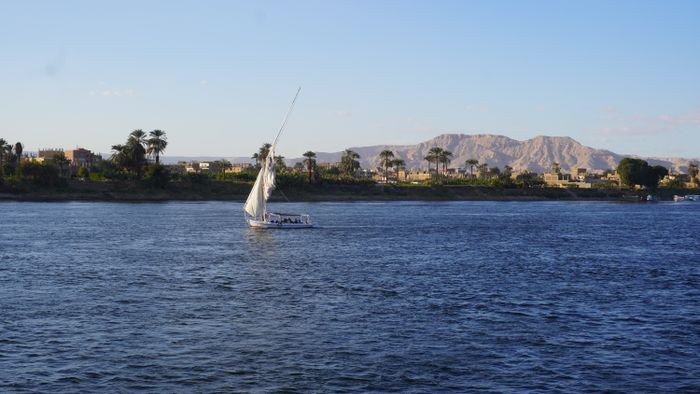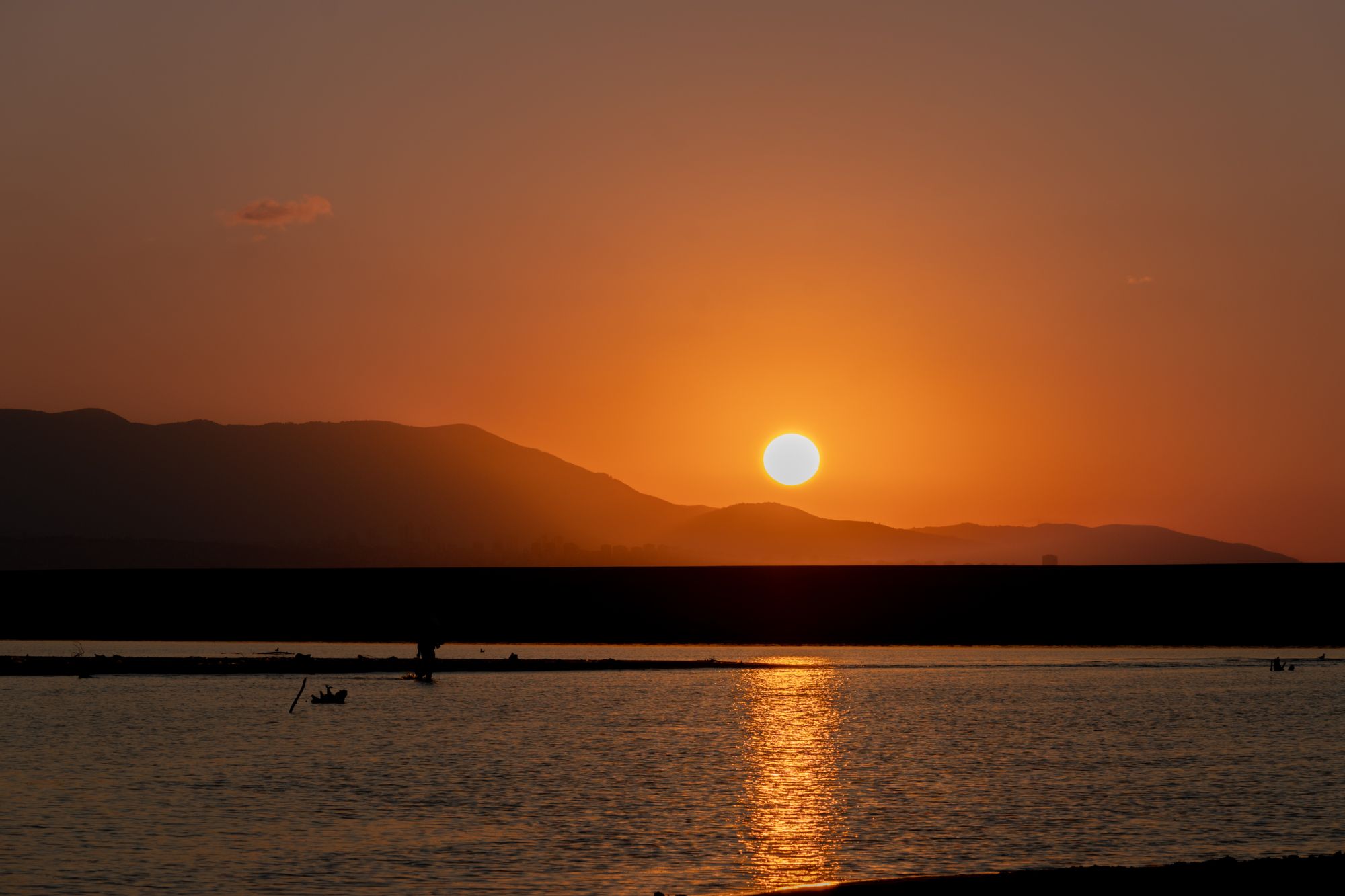
Luxor faces west, so the sun sets behind the West Bank cliffs and the Theban hills, not over the river. For the most complete view you want to be on the East Bank looking across the water: the Corniche al-Nil and the riverside terrace above it give the classic alignment of sun, river and ridge. On the West Bank you are inside the light rather than watching it, which suits the temples at closing time. Exact sunset times shift through the year, so check a current almanac for your date rather than relying on a fixed hour.
How sunset works in Luxor
Luxor is built on a north south stretch of the Nile with the city on the east side and the Theban necropolis on the west. The sun drops behind the West Bank escarpment, the high desert ridge that holds the Valley of the Kings. From the East Bank the setting sun appears to go down over the river and then behind that ridge, which is why the riverside facing west is the strongest position.
From the West Bank itself you lose the long view across water. What you gain is the light on the cliffs, the temple walls and the fields, and the sudden cooling that follows. Both are worth doing, but they are different evenings and you should not plan one expecting the other.
The river runs roughly south to north through the city, so the west facing bank is the East Bank. Anything described as a sunset view in Luxor almost always means a west facing terrace or waterfront on the city side.
Sunset positions compared
Planning the evening
East Bank: the direct view
The Corniche al-Nil is the simplest answer. It runs along the water on the city side and faces west, so you are looking straight across the river at the West Bank hills. The public riverfront pavement is free to walk, and there is no timed entry to worry about.
Above the Corniche, hotels and cafes on the west facing side of the road have terraces and rooftops that place you higher and out of the wind. These are the most reliable choice for a clear line of sight on an evening when the riverbank is busy.
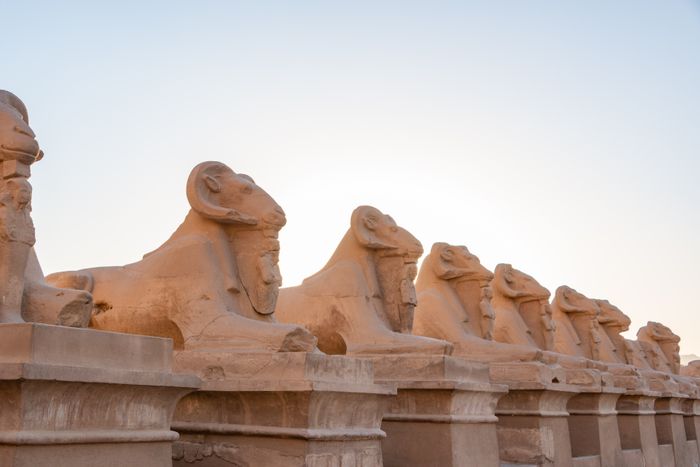
In the city itself, Luxor Temple and the Avenue of Sphinxes sit close to the water and take low light well. They close on their own schedule rather than staying open to sunset, so treat them as a late afternoon stop and finish the evening on the riverfront instead.
West Bank: inside the light
On the West Bank the geometry changes. You are standing in the landscape the sun is setting behind, so there is no long view across water and the sun itself disappears behind the ridge while you are still in daylight. What you get instead is the cliff face turning warm, the fields going flat and bright, and a much quieter evening than the city side.
The Colossi of Memnon stand in open ground with the Theban hills behind them, which makes late afternoon the best time to see them lit rather than at midday. Medinet Habu and the Al-Qurna hillside both take low sun well, but their closing times are earlier than sunset, so the light is what you watch, not the actual setting.
The West Bank is a spread out area of villages and fields, not a single waterfront. Getting to a spot and getting back are separate problems, and the return crossing after dark is the part people underestimate.
Two rules that save the evening
Pick your bank first, then your spot, because the sun sets behind the West Bank cliffs and only the East Bank gives the view across the water. Check sunset time, site closing times and the last sensible river crossing for your date, since all three move through the year.
Questions
Does the sun set over the Nile in Luxor?+
No. The Nile runs roughly north to south through the city, and the sun sets in the west, behind the West Bank cliffs. From the East Bank the setting sun appears above the river and then behind the ridge beyond it. The impression of a sunset over water comes from that alignment, not from the sun dropping into the river.
Which is better, East Bank or West Bank at sunset?+
They answer different questions. The East Bank gives the wide westward view across the river and is easier to organise in the evening. The West Bank puts you in the light on the cliffs and fields but removes the across-water view and complicates the trip back after dark. Choose by what you want to see, not by which is busier.
Can I watch sunset from a temple?+
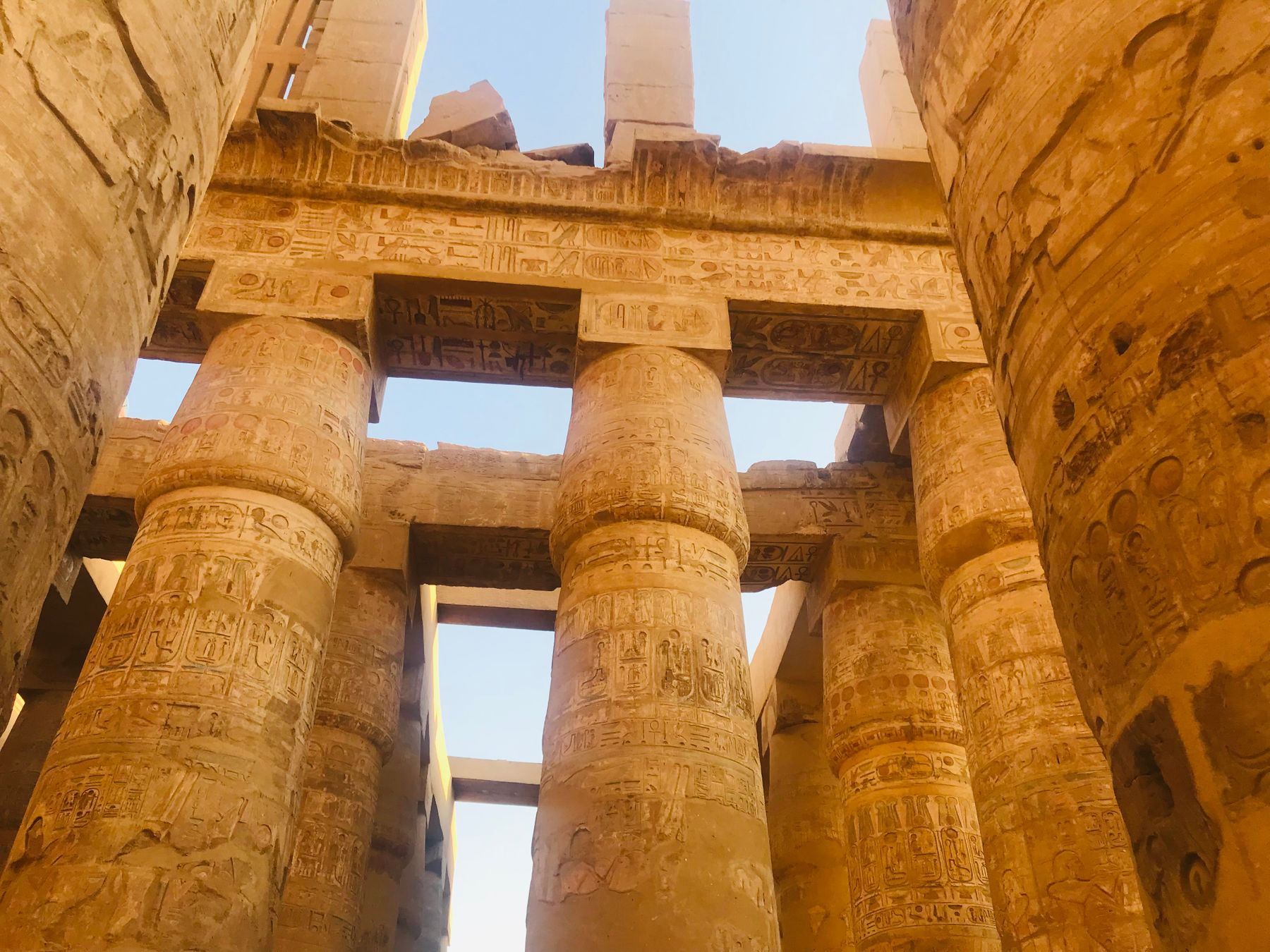
Sometimes as a late afternoon visit, but not by design. Egyptian sites including Karnak, Luxor Temple, Medinet Habu and the tombs have their own closing times that vary by season, and many shut before the sun is down. Check the operator's page for your date rather than assuming a site stays open until sunset.
How do I get back from the West Bank after sunset?+
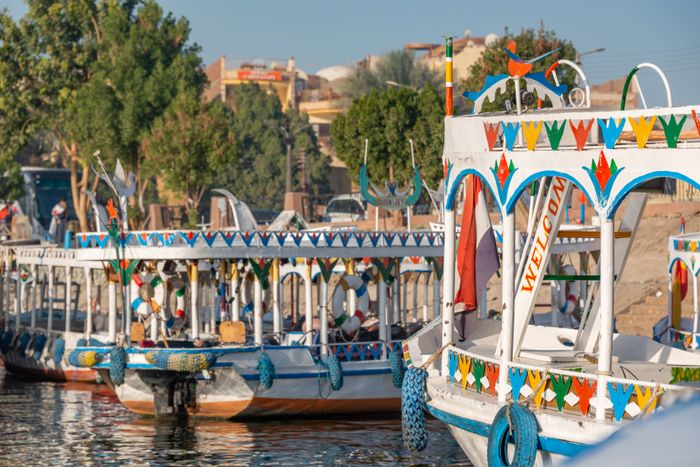
Crossings are the public ferry, private boats on demand, and the road bridge south of the city. Ferry intervals and the last evening service change seasonally, so confirm the timetable on the day. If you are on the West Bank for the light, decide your return crossing before the sun goes down, not after.
Will the sky be clear enough to see it?+
Not guaranteed. Haze and dust are common in Luxor and can flatten the horizon colour even on a warm evening. Winter months bring earlier sunsets and clearer air more often, while summer gives a longer wait and more haze. There is no month that reliably delivers a clean sunset.