When to arrive
Tap an hour. The hour you choose changes how much of the sculpture hall you can take in before closing, and the museum is small enough that a late start means skipping the cachette or the mummy room.
Inside the museum
The collection is arranged in a few connected spaces, with the main sculpture hall at the centre and smaller rooms around it.
The Luxor Temple cachette is the one to prioritise if time is short. It gathers statues from different periods in a single display, so it gives a wider view of the site's history than any other room, and it is included in the main ticket.
What the visit is like
The museum sits on the Corniche al-Nil, a short walk from the centre of Luxor and within sight of the river. Entering takes you from the street and the heat into a low, cool sequence of rooms. The collection is small and tightly chosen, so the visit has a shape: a few galleries, each with objects given enough space to be looked at properly. Allow about an hour and a half, two hours if you read the labels.
The New Kingdom sculpture hall is the heart of it. Statues of kings and gods are set in a long room with soft lighting, arranged so you can walk between them. A calcite double statue of Amenhotep III and Sobek stands out for its material and its subject, the king under the protection of the crocodile god. The wall of Talatat from Karnak shows painted blocks from a demolished temple, reassembled so the original scenes can be read.
The Luxor Temple cachette is a group of statues found buried in the court of Luxor Temple, displayed together in a way that shows the range of periods they cover. A separate ticket is needed for the mummy room, which holds two mummies and is not included in the main admission. Labels are in Arabic and English, with enough detail to make the objects legible without turning the visit into a study session. Closing times change seasonally, so check the operator's page for your date.
Getting there and in
What people get wrong
- Treating it as a full-day museum: It is much smaller than the Egyptian Museum in Cairo, and planning a whole day around it leaves you with unused time. Give it a half day at most and pair it with Luxor Temple or the corniche walk instead.
- Skipping it because you have seen Karnak: The cachette material and the talatat wall are things you will not see at Karnak itself, and the museum explains the site you have just walked through. Go after Karnak rather than instead of it.
- Assuming the mummy room is included: It is usually a separate ticket, so if you want it, ask at the desk when you buy entry. Otherwise you may reach the door and have to go back to the counter.
- Arriving without checking the closing time: Hours change seasonally and extended evening opening is not guaranteed every day. Check the operator's own page for your date rather than relying on an old listing.
- Rushing the labels: The labels carry the chronology that makes the sculpture legible, and the collection is small enough that reading them does not cost much time. Skimming them turns a strong museum into a room of anonymous statues.
Combine it with
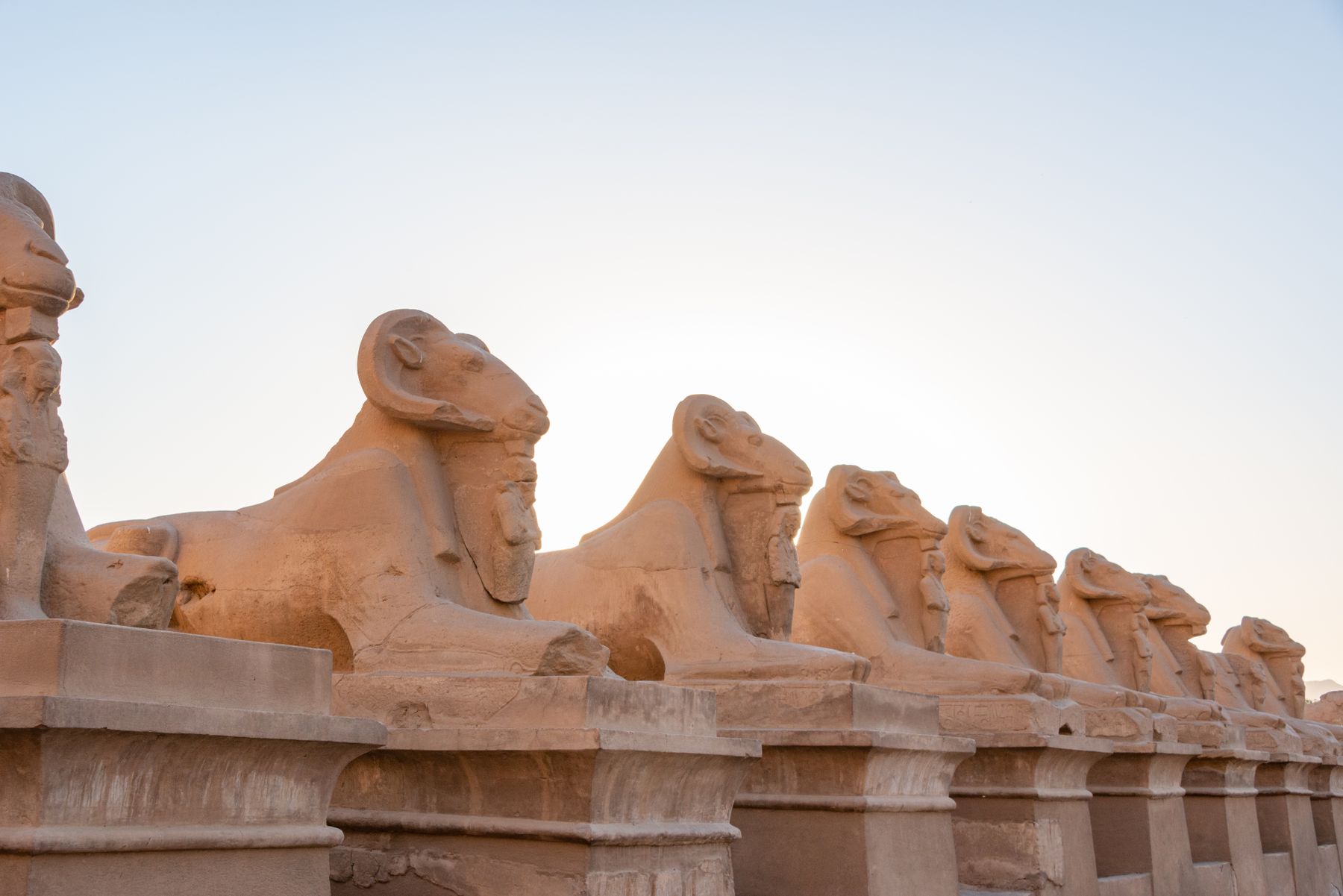
The museum is on the East Bank, a short walk from Luxor Temple and the corniche, so it fits easily with other stops.
Questions
Where is the Luxor Museum?+
It sits on the Corniche al-Nil on the East Bank, on the riverfront road in central Luxor. It is within walking distance of Luxor Temple and the Avenue of Sphinxes. Most East Bank hotels are a short walk or a very short ride away.
How long should I spend there?+
About an hour and a half covers the main galleries, and two hours covers them with the labels and the garden. The museum is compact, so it does not need a full day. It fits neatly into a half day that also includes Luxor Temple.
Is the Luxor Museum worth visiting?+
Yes, particularly for the cachette of statues found at Luxor Temple and for the talatat wall from Karnak. It is a well-organised, manageable collection. If you are choosing between it and a second West Bank site, decide based on whether you want sculpture and context or more tombs and temples.
What are the opening hours?+
Hours change seasonally, and evening opening is not offered every day. Check the operator's own page for your date before you plan around it. Do not rely on older listings, which often show times that no longer apply.
Can I visit the Luxor Museum and Karnak on the same day?+
Yes, and the two work well together because the museum explains material from Karnak and Luxor Temple. Do Karnak in the cooler part of the day and use the museum as the indoor stop. The distance between them is short by taxi or carriage.
Is the mummy room included in the ticket?+
It is generally a separate ticket on top of museum entry. Ask at the desk when you buy your entry so you do not have to return to the counter. The museum is ticketed overall, and the operator sets the current arrangements.