When to arrive
Tap an hour. Because the Ramesseum is open ground with little shade, the light and the coach traffic both shift through the day.
What to see inside the walls
The site is a sequence of courts and halls, with the storage complex as the part most people underestimate.
Prioritise the granary and magazine complex. It is the part of the site that shows how the temple functioned as an institution rather than only as a monument, and it is the part most often walked past on the way back to the road.
Arriving at the temple
The Ramesseum stands on the West Bank plain, on the road that runs south toward the Assasif and Medinet Habu. It is ticketed separately from the Valley of the Kings and from Medinet Habu, so a visit is a deliberate stop rather than something folded into a tomb circuit. The site has no reliable facilities of its own, so anything needed for the visit is best sorted before arriving.
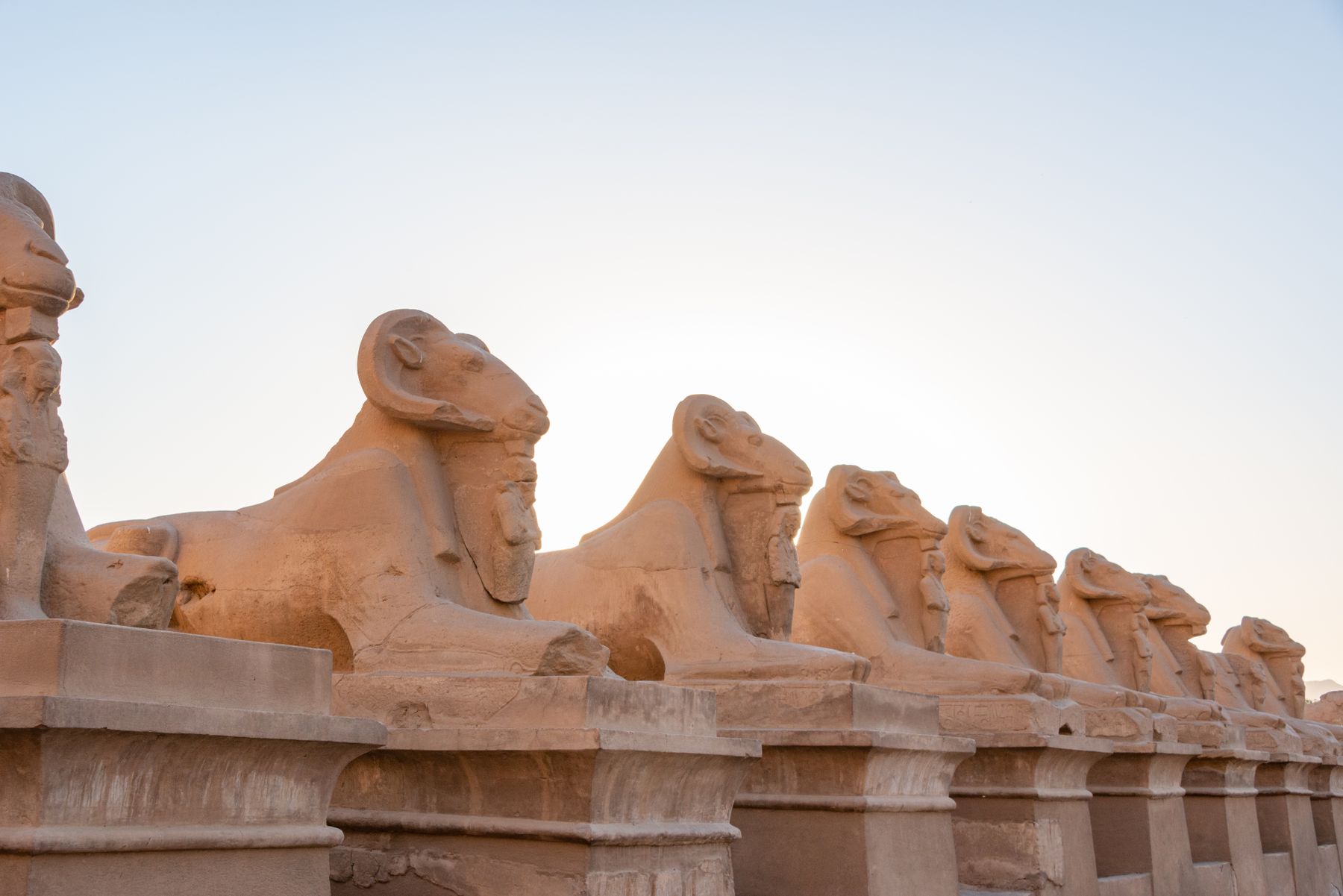
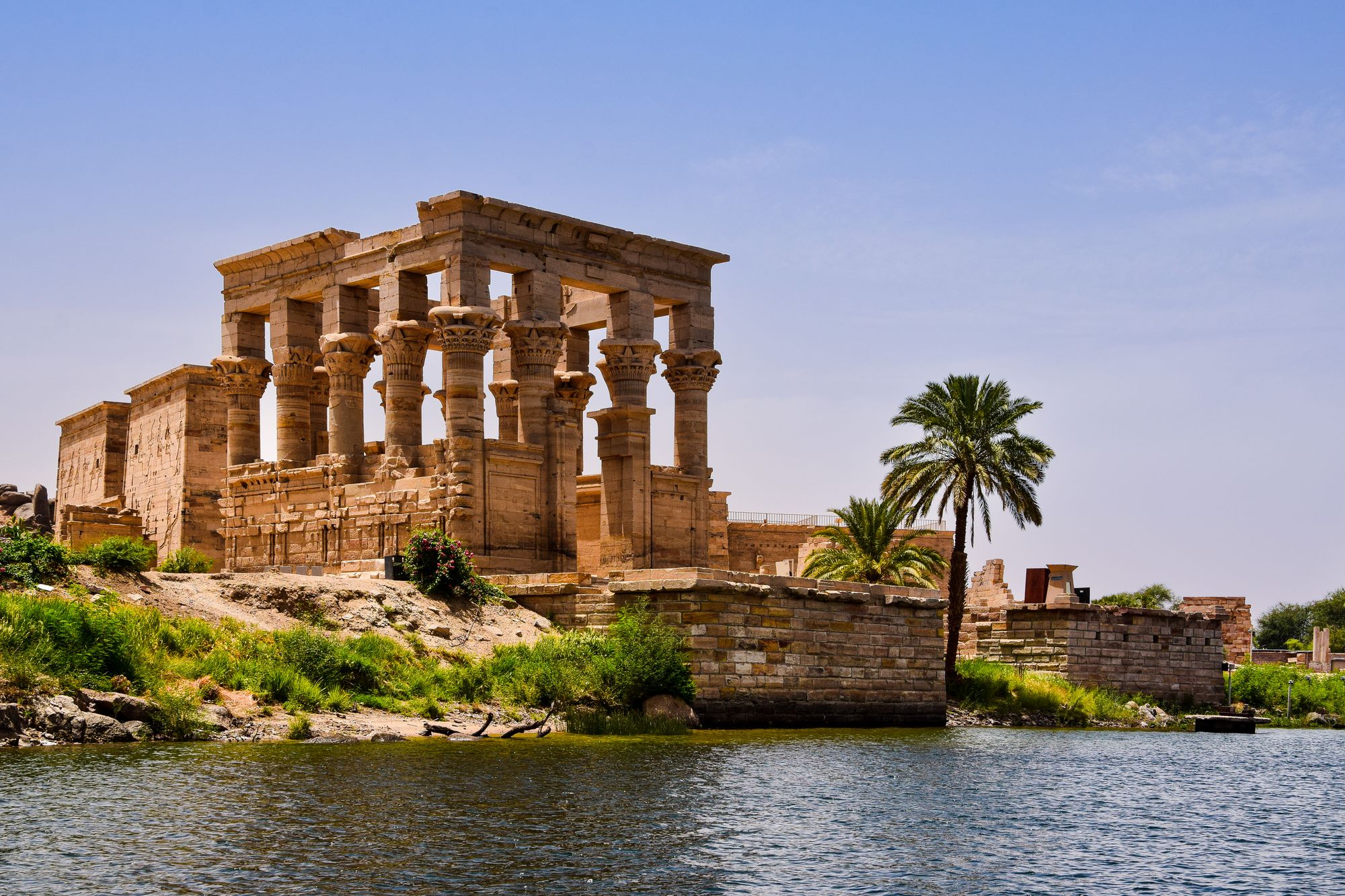
Most of the structure is open ground. The first court is where the scale registers: this was built as a statement of Ramses II's reign, and the layout is wide enough that the temple reads as a complex rather than a single hall. The ground is uneven in places, with loose stone and low walls, so the walking is not a smooth path from one room to the next.
Because it is open and largely unshaded, the hour of the visit changes the experience more than at a covered site. Early or late light falls across the stone at a low angle and picks out the relief; the middle of the day is bright and flat, and the coaches tend to arrive then. Allow 45 to 60 minutes on site, more if the granaries hold your attention.
Getting there and in
Things people get wrong here
- Treating it as a quick photo stop: The site is larger than the single fallen colossus suggests, with two courts, a hall and granaries behind. Budget at least 45 minutes or you will miss most of it.
- Assuming it is covered by the Valley of the Kings ticket: It is a separate ticket and not part of the standard West Bank combinations. Ask at the ticket office which combined tickets currently include it.
- Arriving mid-morning with the coaches: That is the busiest window, and the courts have little shade. Go early or come after the Valley of the Kings crowds have moved on.
- Skipping the granaries: The mudbrick vaults behind the temple are the part that explains how the cult was funded, and few visitors walk back there. It takes ten minutes.
- Relying on the on-site labels: The panels are sparse and partly illegible, and there is little context on the reliefs. Bring a guidebook or hire a guide if the inscriptions matter to you.
Combine it with
The Ramesseum sits within easy reach of several other West Bank sites, so it can be paired with one or two without a long detour.
Questions
Is the Ramesseum worth visiting if I am already seeing Medinet Habu?+
Yes, if you have time, because the two temples are different in state and mood. Medinet Habu is better preserved and larger; the Ramesseum is more ruined but has the fallen colossus and the granary complex. They sit close enough to combine in one West Bank morning.
How do I get to the Ramesseum from the East Bank?+
Cross by ferry or road bridge to the West Bank, then continue by taxi or private car toward the Assasif. There is no practical public transport that drops you at the gate. A driver who knows the West Bank sites is the simplest arrangement.
How long should I allow at the Ramesseum?+
Forty-five to sixty minutes covers the first and second courts, the hypostyle hall and the granaries. Add time if you are reading the reliefs or waiting for a coach group to clear. It fits comfortably alongside Medinet Habu and the Tombs of the Nobles in a half day.
What are the opening hours?+
Hours change seasonally and sometimes shift without much notice. Check the operator's page or the main West Bank ticket office for your date rather than relying on older listings. The site generally closes earlier than the Valley of the Kings.
Is the Ramesseum the same as the Colossi of Memnon?+
No, they are separate sites on the same side of the river. The Colossi of Memnon stood in front of the mortuary temple of Amenhotep III, not Ramses II. Both are on the West Bank road and are often seen on the same circuit.
Can I combine the Ramesseum with the Valley of the Kings in one day?+
Yes, but the Valley of the Kings alone can take half a day with the tombs and the climb. A realistic plan is Valley of the Kings in the morning, then the Ramesseum with Medinet Habu or the Tombs of the Nobles in the afternoon. Check closing times before committing.