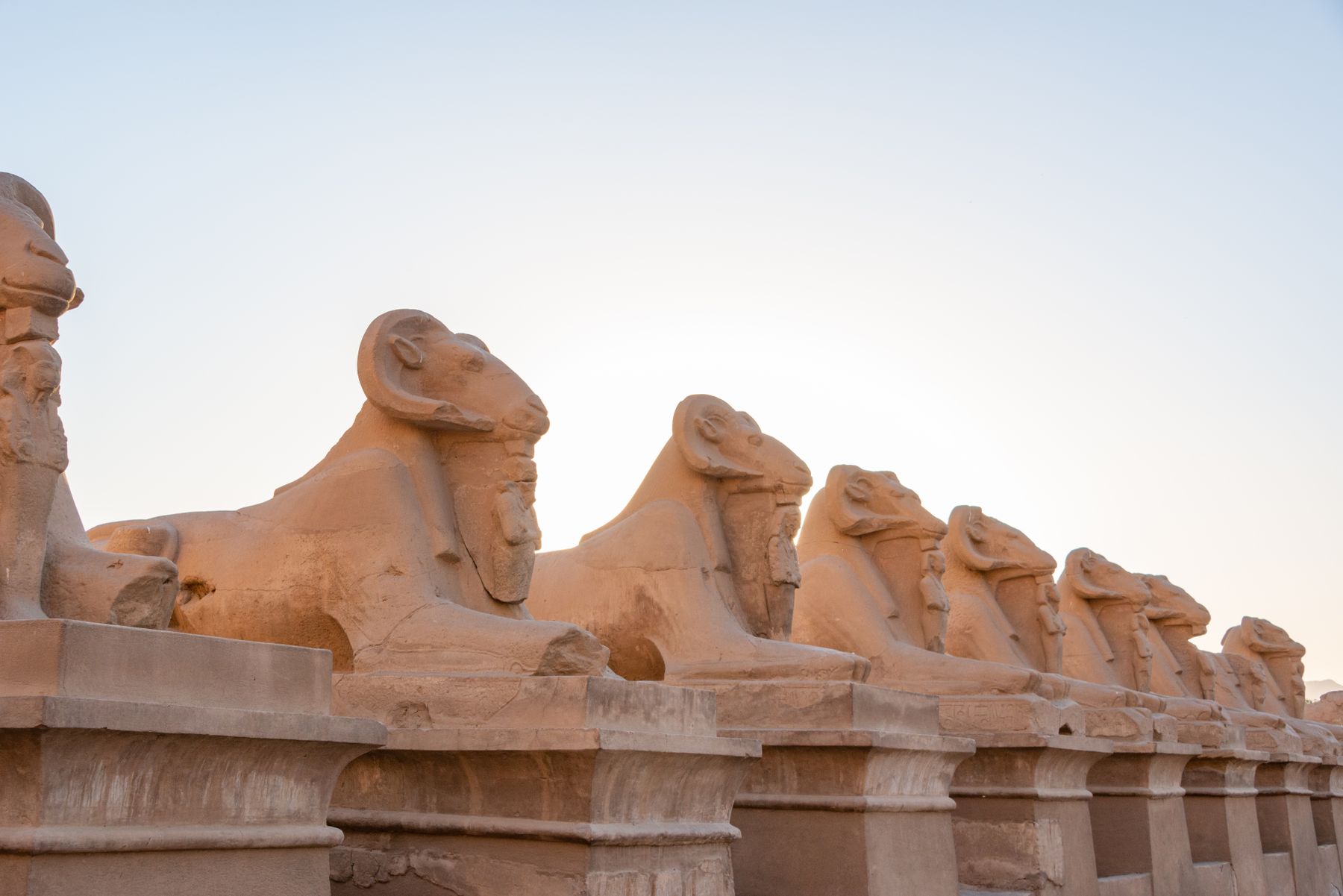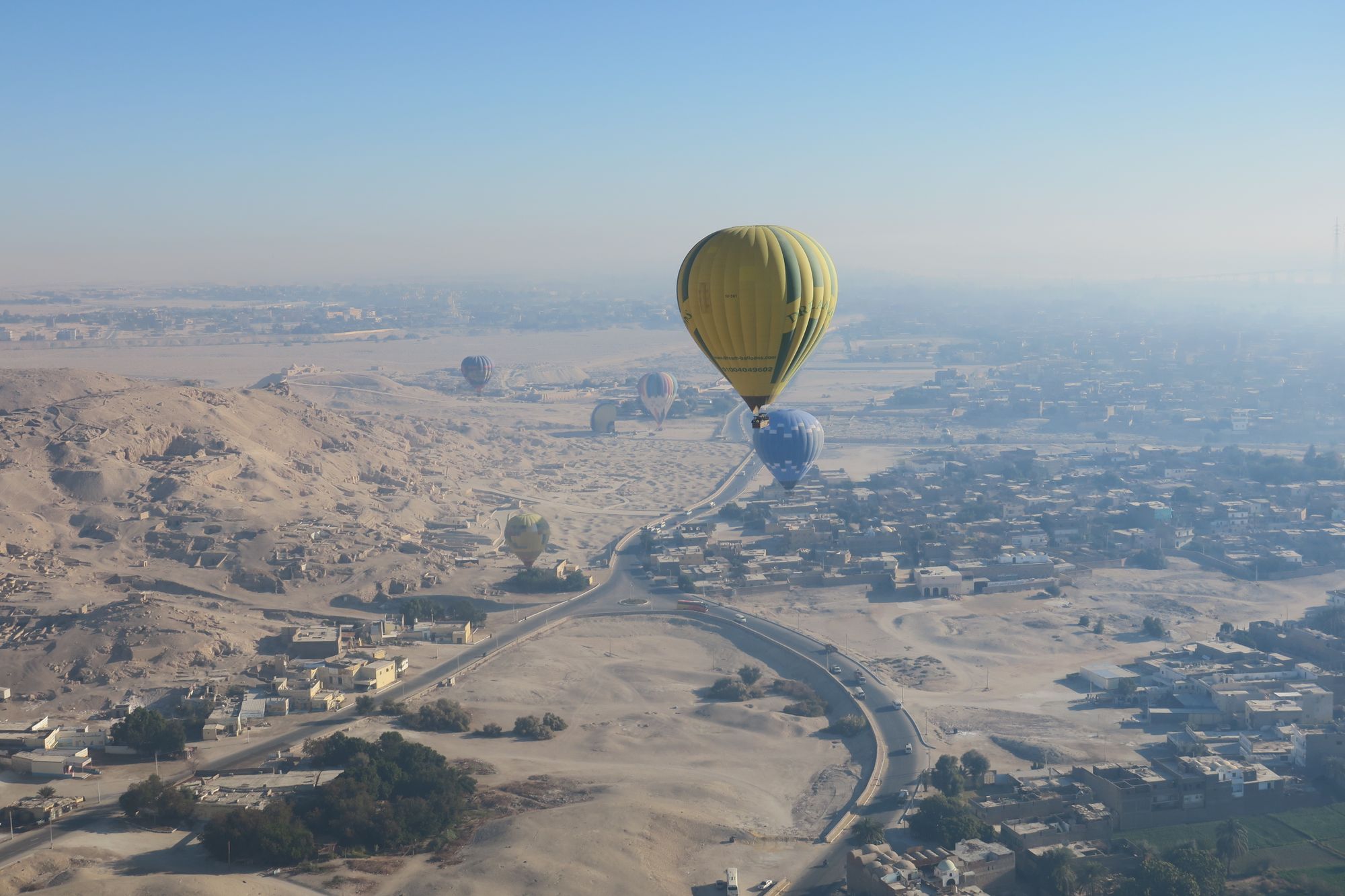
When to arrive
Tap an hour: the hall is small but its decoration is dense, so the hour you choose decides whether you get the light and quiet to read the reliefs or share a narrow space with a coach group.
What is inside the hall
The surviving temple is essentially one decorated room and its fittings, so the list is short and the order matters less than how long you spend on each.
The hypostyle hall is the priority, because it is the only substantial part of the temple still standing and everything else on the list is either inside it or subordinate to it. The museum or storage area is worth asking about at the gate, since what is on display changes and its hours are not always the same as the temple's.
What the visit is like
The temple sits below the modern street level of Esna, and the way in is down a flight of steps, which is the first thing that tells you what kind of site this is: a building largely buried by the town that grew over it. What survives is one hall, the hypostyle hall, and the approach to it is short. You are not walking a long colonnade or crossing an open court. You arrive, you descend, and the hall is in front of you.
Inside, the effect is density. Twenty-four columns stand in the hall, and every surface carries relief and paint: the ceiling with its astronomical and calendrical scenes, the columns with their carved capitals and bands of text, the walls with Roman imperial reliefs cut over earlier work. Because the space is enclosed and the light comes from a limited number of openings, the colour on the ceiling and the upper registers of the columns is often what people remember, though the figures on the lower walls are the ones the texts describe.
The hall is not large, and the visit is not long. Most of what there is to see is in one room, plus the stair that descends further and whatever the site makes visible in its museum or storage area, which changes. Read the reliefs slowly if you have the patience for it, because the carvings reward close looking and there is not much else to move on to. The stop works best as one part of a day that includes something else.
Getting there and in
What people get wrong at Esna
- Treating it as a full Luxor day: The temple is one hall and the visit is short. Build it into a southbound drive or a cruise stop instead of giving it a whole morning on its own.
- Assuming it looks like Karnak: Only the hypostyle hall survives, and the decoration is later and more Roman in feel. Go expecting a compact, painted interior rather than a sprawling complex.
- Skipping it because it is off the Luxor list: It is close to the Luxor to Aswan road and the painted colour is the reason to stop. If you are already driving south, the detour costs little.
- Arriving without checking hours: Seasonal changes and cruise timetables affect opening. Confirm on the operator's page or by phone before setting out, or you may find the gate shut.
- Expecting good signage: Interpretation on site is limited. Read up on the Ptolemaic and Roman decoration beforehand or the reliefs are hard to place.
Combine it with
Esna sits between Luxor and Edfu, and the other stops on that stretch are what make the drive worthwhile.
Questions
Is the Temple of Khnum at Esna worth visiting?+
It depends on what you have already seen. If you have done Karnak and Luxor and want painted Ptolemaic and Roman period decoration in a compact space, it is worth the stop on the road south. If this is a first trip with limited days, spend the time on the Theban monuments and keep Esna for a return.
How do I get to Esna from Luxor?+
By road, south along the Nile, which is about an hour in good conditions. Taxis and private cars are the usual options, and some Nile cruises stop at Esna on the way to Edfu. There is also a railway line, but schedules are limited and change.
Can I combine Esna with Edfu?+
Yes, they are on the same southbound route and the two are usually done as a pair. Edfu is larger and takes longer, so plan Esna first if you are coming from Luxor and want to reach Edfu before the afternoon heat.
What are the opening hours?+
They change seasonally and can be affected by cruise traffic. There is no reliable fixed time to quote here, so check the operator's own page or ask locally for the day you plan to visit.
How long should I allow at the temple?+
Most visits are under an hour, since only the hypostyle hall survives in good condition. Allow a little more if you want to read the reliefs carefully or the light is low.
Is Esna accessible for people with limited mobility?+
The temple sits below street level and the approach involves steps, which makes it difficult for wheelchairs and for anyone who struggles with stairs. Ask at the gate about the current access route before committing to the visit.