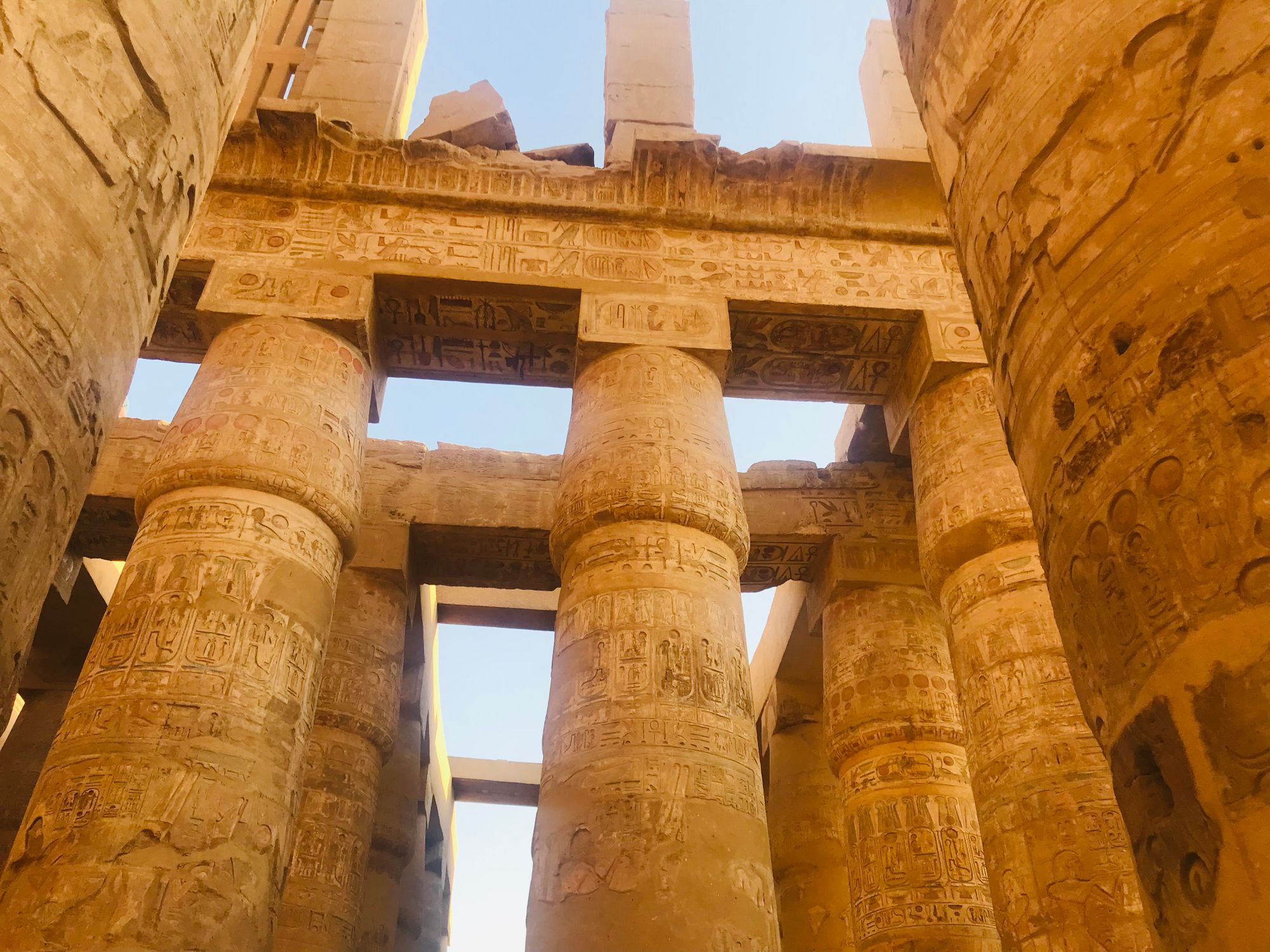
Base on the East Bank for the station, restaurants and short hops to Karnak and Luxor Temple. Give the West Bank one full morning: Colossi of Memnon first, then one tomb in the Valley of the Kings and one temple, Hatshepsut or Medinet Habu, not both. Cross by public ferry and keep the afternoons free for the Corniche, the souq and the hotel pool. Build in one rest day for every two sightseeing days, because heat and stairs exhaust children faster than adults.
Why children set the pace
Children overheat and tire faster than adults, so a Luxor itinerary built around adult stamina will fail by mid-morning. The sites themselves are mostly open, unshaded stone, and the walking and stair-climbing inside tombs and temples add up. A structure that puts one substantial site in the morning and something small or indoor in the afternoon matches how children actually spend energy. It also leaves room for the river, the pool and the Corniche, which children tend to enjoy as much as the monuments. The goal is not to see less but to see it in a rhythm that does not end in tears.
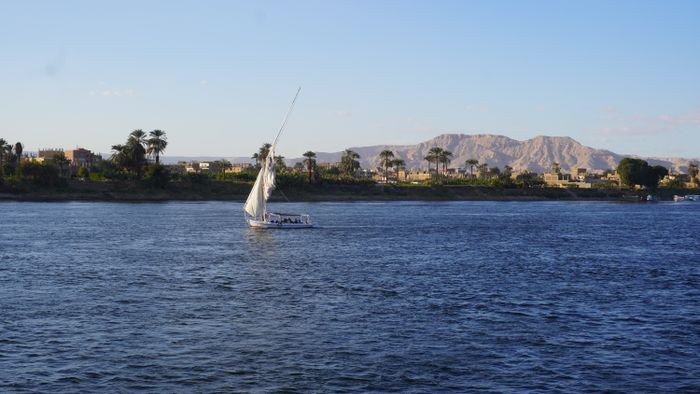
The East Bank works as a base because it concentrates the station, most hotels, restaurants and two major temples within a short distance. That reduces the number of transfers and the time spent negotiating transport with tired children. The West Bank holds the tombs and mortuary temples, but it is a day trip rather than a place to stay. Crossing the Nile is itself an activity that children enjoy, and the public ferry turns it into part of the day rather than a chore. Keeping the base on one side and treating the other as an excursion is the single decision that makes the rest of the plan work.
Six sites that work with children
These are the sites most likely to hold a child's attention without exhausting them, in the order a short trip might use them.
How to sequence a day
A workable day alternates a demanding morning with a light afternoon, and treats the river crossing as part of the plan.
Three plans that look easier than they are
Morning sites and afternoon shade
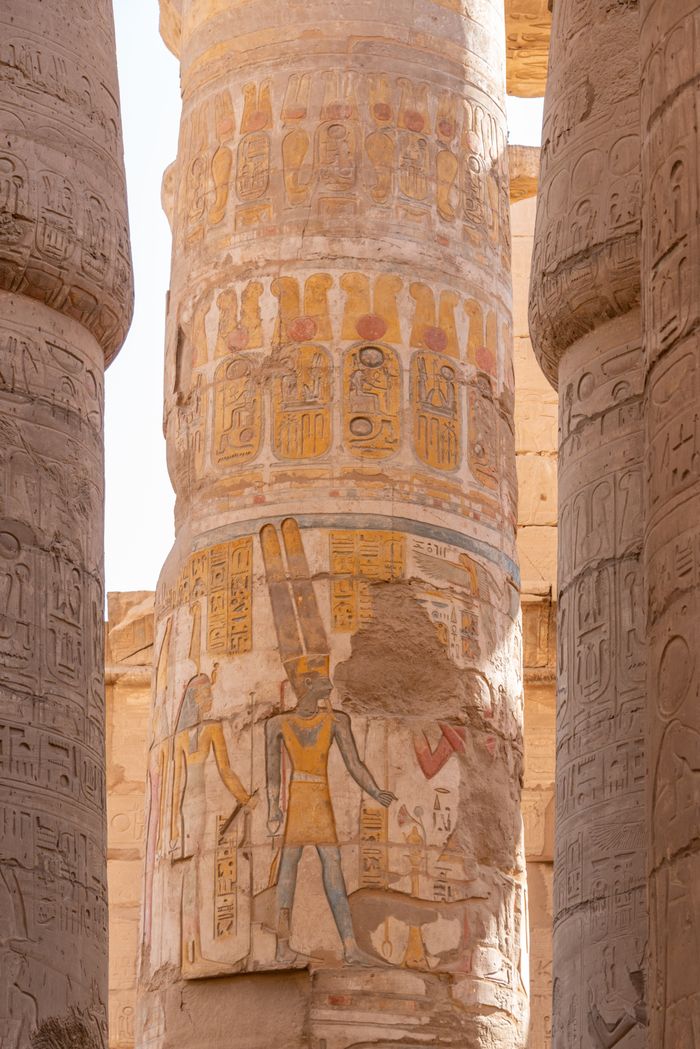
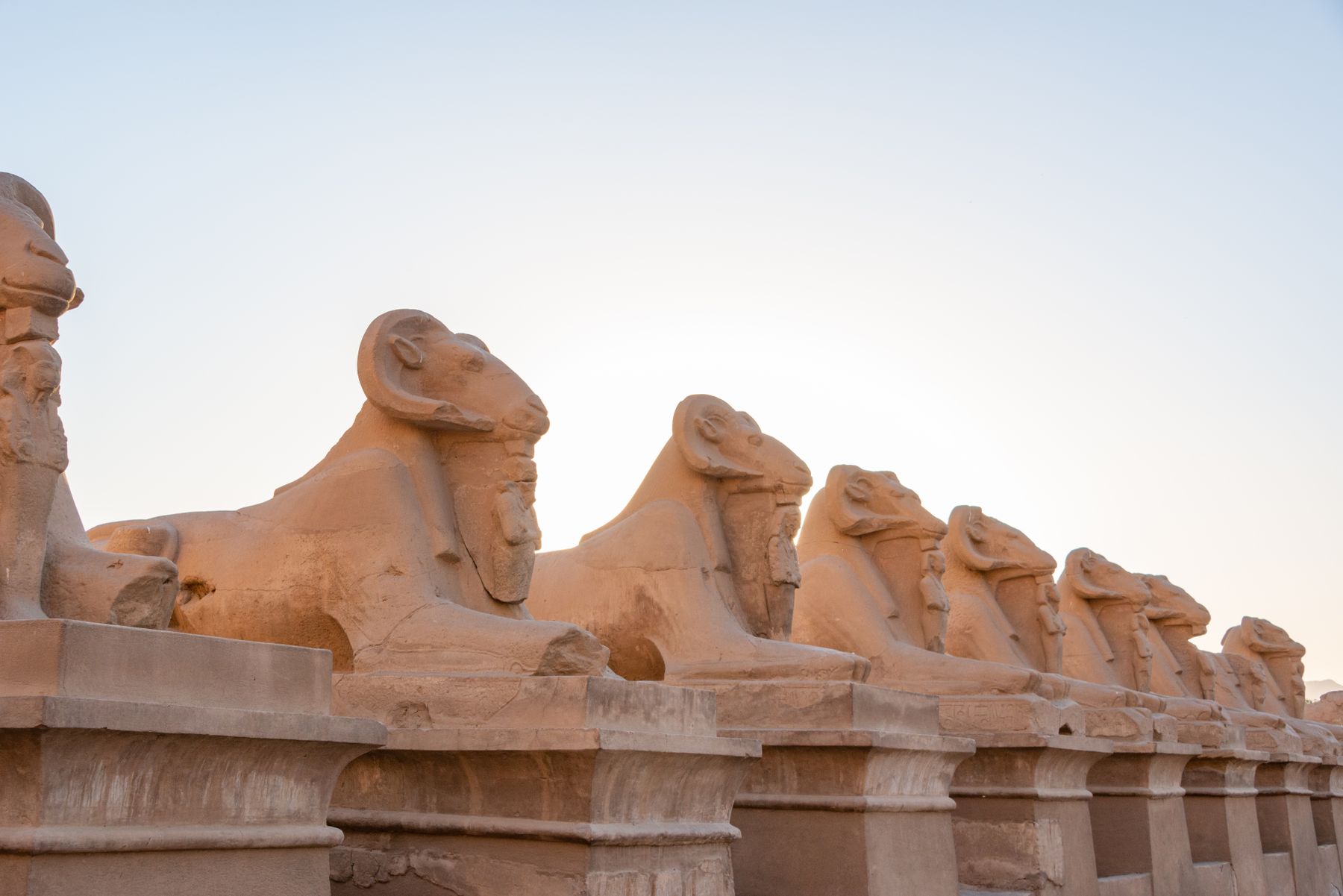
Book the largest site for the first hour after opening, when temperatures are lowest and crowds are thinnest. Karnak in the early morning is the standard choice because its scale and the hypostyle hall give children room to move without being confined. In the Valley of the Kings, decide before you enter which tombs you will see, because the ticket covers a set number and the internal walk is hot. One tomb, or two at most, is enough for most children. Completing the Valley and then attempting Hatshepsut or Medinet Habu on the same morning is the most common mistake families make on the West Bank.
Afternoons belong to shade and water. Luxor Temple after dark is a different experience from the daytime visit and suits children better than a midday start, with lighting that makes the columns legible without glare. The Luxor Museum and the Mummification Museum are compact, air-conditioned and can be done in an hour, which makes them useful for a hot afternoon or a day when the wind carries dust. Keep the Corniche and the souq as unstructured time rather than scheduled stops. A pool break is not lost sightseeing time; it is what makes the next morning possible.
The public ferry runs through the day and into the evening, but timetables change with the season and with river conditions. Tickets for the Valley of the Kings and other West Bank sites are sold at the main ticket office, not at individual tombs. Buy before you cross and keep the stubs, because they are checked at each site.
When the obvious answer fails
A balloon flight at dawn sounds like a highlight, but it means a very early start, a long wait for conditions to be confirmed and a flight that children may find cold, loud and boring once the novelty passes. Age and height restrictions apply and change, so check the operator's page for your date rather than assuming a child can join. The same applies to long horse or carriage rides along the Corniche, which are hot, slow and often end with a negotiation over the fare that unnerves children more than it entertains them.
A loose taxi day is the other plan that fails. Drivers offer combinations of sites that look efficient but usually mean a rushed Valley, a skipped lunch and an afternoon spent in the back of a car. Egyptian law requires licensed guides in some areas and restricts independent walking in others, and rules change; confirm current arrangements with your hotel or a licensed operator before you set out. A rest day for every two sightseeing days is not indulgence. It is what keeps the itinerary from collapsing on the third morning.
Questions
How many days does a family need in Luxor?+
Two full days covers Karnak or Luxor Temple on the East Bank and one West Bank morning, with afternoons free. Three days lets you add a museum or a second West Bank temple without pushing anyone. Anything longer works only if you build in rest time rather than adding a site each day.
Which side of the Nile should a family stay on?+
The East Bank suits most families, because the station, the restaurants and the short hop to Karnak and Luxor Temple are all there, and the West Bank requires a ferry or a drive each time. The West Bank is quieter and closer to the tombs, which helps if you plan several early starts. Compare the two before booking.
Is the Valley of the Kings suitable for young children?+
It is manageable for children who can walk on uneven ground and handle stairs, because the tombs are entered on foot down narrow passages. The main difficulty is heat and the exposed walk between tombs rather than the tombs themselves. Go at opening time, carry water and plan to leave before the middle of the day.
What can a family do in Luxor when it is too hot to walk?+
The Luxor Museum and the Mummification Museum are both indoor, small and quick to walk through, which makes them a good afternoon substitute. Hotels with pools are the other obvious option, and the Corniche is walkable later once the sun drops. Both museums keep their own hours, which change seasonally, so check the operator's page for your date.
Do children need a car seat or a private driver in Luxor?+
Availability of child seats is not standard and varies by operator, so ask directly when you book a transfer or a driver. Public ferries and walking cover the East Bank and the river crossing without a car. For the West Bank, arrange the vehicle in advance and confirm what is provided.