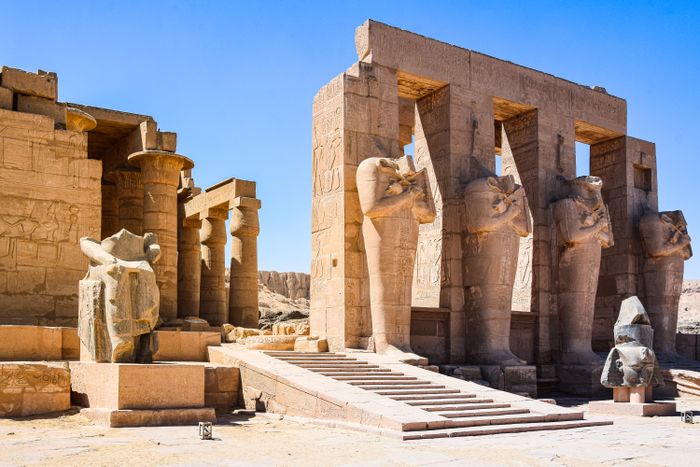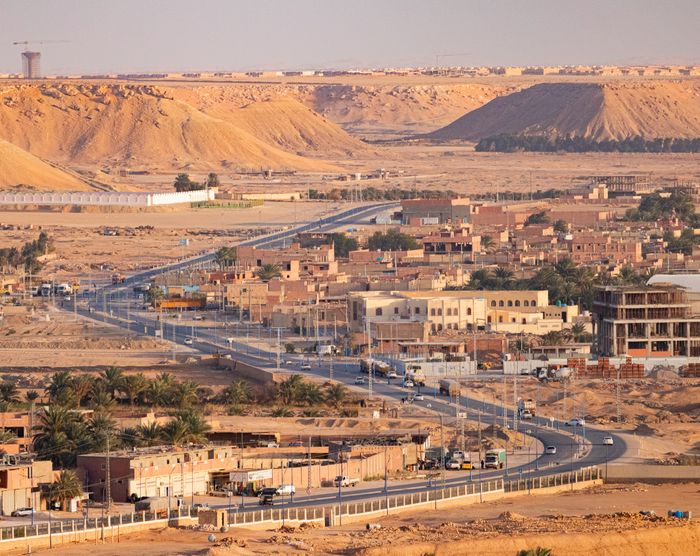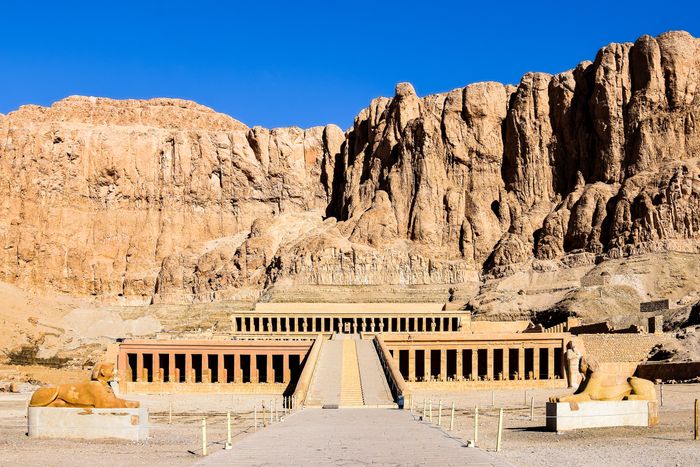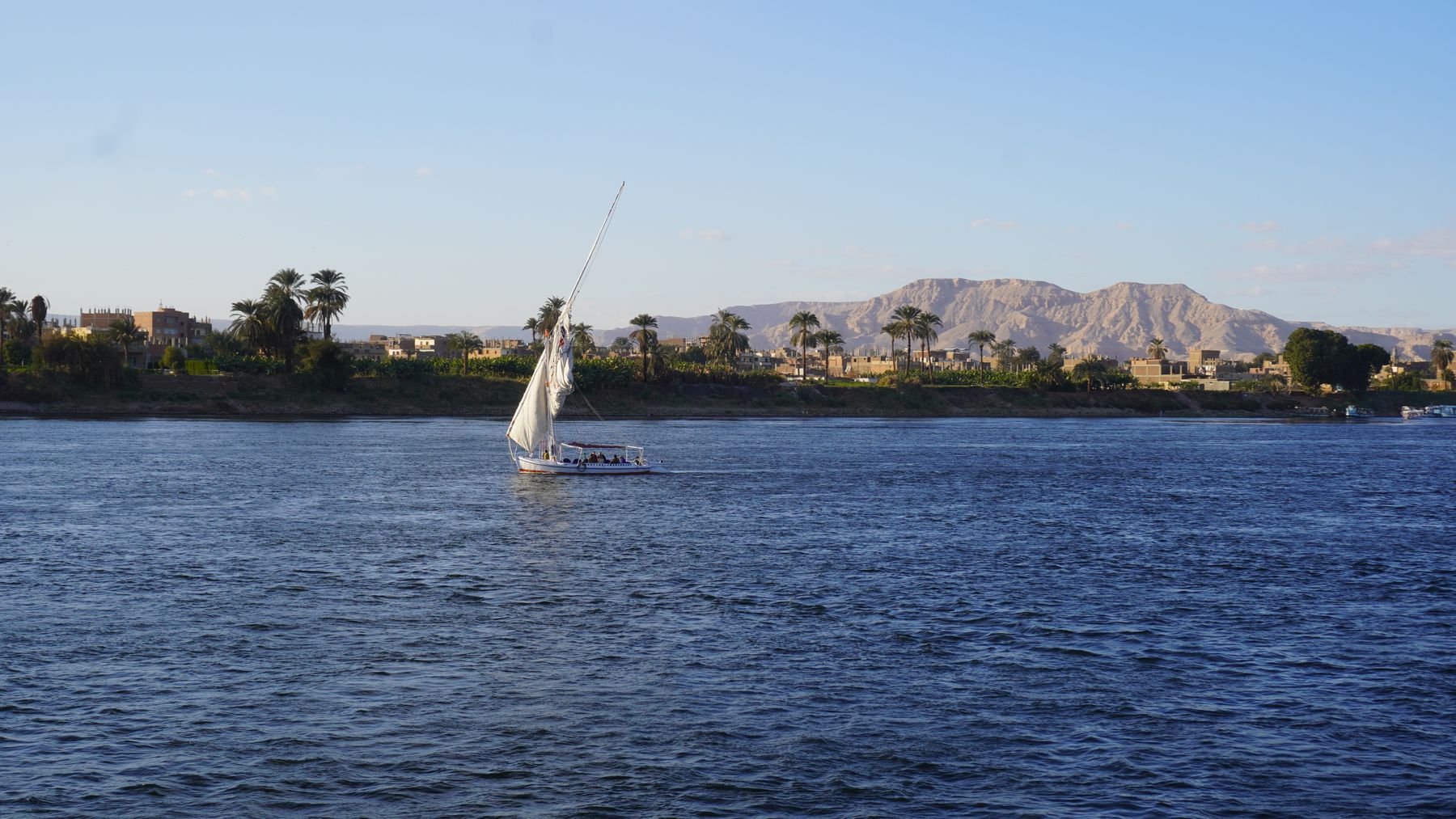
Rain in Luxor is rare and usually brief, but when it comes, outdoor sites such as the Valley of the Kings and Karnak can close or become unsafe. Move your day indoors: the Luxor Museum and Mummification Museum on the East Bank are the strongest wet-weather options, both fully under cover and near the Corniche. If the rain is light, the West Bank tombs may still open, since they are enclosed, but check with your hotel or operator first. Keep the day flexible and hold a dry-weather plan in reserve.
Why the rainy day plan works
Luxor is built around open-air monuments on both banks of the Nile, so its day is normally shaped by sun rather than shelter. When rain arrives, the logic inverts: the sites that draw most visitors, the Valley of the Kings and the Karnak Temple Complex, are the ones most likely to close or turn unsafe, because alabaster ramps, loose gravel paths and carved limestone floors become slick. The plan works because it stops treating rain as an interruption and instead moves the day to the two Egyptian museums on the East Bank, both fully indoors and close to the Corniche and most hotels.
Rain here is not the steady, all-day kind familiar in northern Europe. It falls in short bursts, often in winter, and the sky frequently clears within hours. That matters because a wet morning does not cancel an afternoon. Building the day around indoor space first, and keeping an outdoor plan in reserve, matches how the weather actually behaves. The Luxor Museum and the Mummification Museum cover different ground, one broad and one focused, so a single afternoon under cover need not be a compromise. Egypt's Ministry of Tourism and Antiquities publishes opening hours seasonally.
Indoor and outdoor options
Five places to weigh for a wet day, with the two under-cover museums as the dependable core.
How to run the day
A short sequence that keeps a rainy day in Luxor from becoming a lost one.
Three things to walk away from
What the wet-weather day looks like
Start by confirming what is open. Hotel front desks, licensed operators and the ticket offices for the West Bank sites are the reliable sources on any given morning, because closures are decided locally and can change within the day. Call or ask before committing to a river crossing, since a wet crossing on a small boat is uncomfortable and unnecessary if the destination is shut. If the rain is light and has eased, the enclosed tombs of the Valley of the Kings may still admit visitors, but this is never guaranteed and should be treated as a bonus rather than the plan.
If the West Bank is closed, the East Bank holds the day. The Luxor Museum sits on the Corniche north of Luxor Temple and is the broader collection, with a strong sculpture gallery and material from the Theban temples and tombs. The Mummification Museum, further north along the same waterfront, is small and tightly focused on the technique and tools of mummification, and needs far less time. A roof over both, and a cafe or hotel lobby between them, means the day continues without a drop of rain on you. Hours change seasonally, so check the operator's page for your date.
The ferry and the bridges both take time, and a boat crossing in rain is cold and exposed. Confirm the West Bank sites are open by phone before you set out, because turning back mid-river costs an hour you could have spent indoors. Ask your hotel, an operator or the ticket office for the day's status.
When the obvious answer is wrong
The obvious move on a wet day is to cancel Luxor entirely and stay in the room. That is usually the wrong call. Rain here has a short life, and a wet morning often turns into a workable afternoon, so abandoning the day early forfeits hours that could have been spent in the museums or even at a reopened outdoor site. The second obvious move, crossing to the West Bank to wait it out at the ticket office, is worse: you stand in the open, in the rain, with nothing to see, and the decision to close is not yours to influence. Check first, travel only when the answer is yes.
The third reflex is to keep an outdoor booking regardless of conditions. Hot air balloon flights over the West Bank are the clearest example, since they depend on wind and visibility and are cancelled for reasons that have nothing to do with your schedule. Sites can also close after heavy rain has passed, because paths remain unsafe while they dry. Treat every outdoor commitment as conditional on a same-day check, and hold the indoor option as the default rather than the fallback.
Questions
Does it actually rain in Luxor?+
Yes, though rarely and usually in winter. Most rain arrives as short showers rather than full days, but even a brief shower can close open-air sites or make stone paths slippery. Winter visitors should keep one indoor option in reserve.
Which sites stay open in the rain?+
Indoor sites such as the Luxor Museum and Mummification Museum are the most reliable. Open-air sites including Karnak and the Valley of the Kings may close or restrict access, and decisions are made locally on the day. There is no fixed rain policy published in advance, so confirm before you travel across the river.
Should I still cross to the West Bank in the rain?+
Only if you have confirmed that the tombs are open, because the ferry and bridge crossing are wasted effort if the site is shut. The enclosed tombs offer more shelter than open temple floors, but paths between them can turn muddy. If in doubt, stay on the East Bank and move the West Bank to another day.
What is the best indoor thing to do in Luxor?+
The Luxor Museum is the strongest choice for a wet half-day, with a compact collection and clear labeling. The Mummification Museum is smaller and works well as a second stop, since both are on the East Bank near the Corniche. Together they fill a wet morning without needing a river crossing.
Where can I wait out a shower near the river?+
The Corniche al-Nil has cafes and hotel lobbies along the East Bank, close to the museums and the ferry landing. It is a practical place to pause if you are between sites and the rain is light. If the shower looks set to last, move to a museum rather than waiting outdoors.