Is Luxor Safe for Tourists in 2026? Security, Scams, and What You Need to Know
 Tourist police on patrol at a Luxor temple entrance
Luxor remains one of Egypt's safest destinations with visible security at temples and museums, though persistent touts and taxi scams require the same vigilance you'd use in any major tourist hub.
Current Security Landscape in Luxor
Walking through the East Bank neighbourhoods around Sharia al-Mahatta and Sharia al-Karnak in early 2025, you'll notice uniformed tourism police stationed outside every major attraction and plain-clothes officers blending into crowds near the Luxor Museum and Karnak Temple gates. This isn't new – the Egyptian government has maintained heavy tourist-area security since 2017, but what has changed is how seamlessly it operates. Metal detectors at temple entrances process visitors quickly, and the officers posted along Corniche el-Nil actually respond helpfully when you ask for directions rather than just watching from a distance. The West Bank sites like the Valley of the Kings and Deir el-Medina have checkpoint controls on the main access road from the ferry landing at Al-Gorna, and tour buses undergo brief inspections before climbing toward the Theban Hills.
Foreign ministry travel advisories from the UK, Canada and Australia currently rate Luxor as low-risk, placing it in the same category as Red Sea resorts rather than border regions or the Sinai interior. The United States State Department maintains a Level 2 advisory for Egypt overall but specifically notes that Luxor and the Nile Valley see millions of annual visitors without incident. Statistically, you face far higher odds of petty theft in Barcelona or Rome than encountering serious crime in Luxor's tourist quarter. The city's economy depends almost entirely on heritage tourism, so local authorities treat any threat to visitor safety as an existential issue. That motivation translates into rapid response times and genuine cooperation between hotels, guides and police when problems do arise, though it doesn't eliminate every annoyance.
Scams and Hustles You Will Encounter
The caleche drivers parked along the Corniche opposite Luxor Temple will quote you thirty Egyptian pounds for a short ride to the bazaar, then claim you agreed to thirty pounds per person or thirty US dollars when you arrive – this exact scenario plays out dozens of times daily. Agree the price in writing or simply walk; distances on the East Bank are manageable on foot, and the hotel strip between the Winter Palace and Sofitel runs only two kilometres end to end. In the Luxor Souk off Sharia al-Souk, alabaster vendors will invite you in for tea, show you factory-made vases with painted cartouches, and start negotiating at five hundred pounds for items worth fifty. The trick isn't avoiding these shops entirely – bargaining is part of the experience and prices genuinely drop to one-fifth of the opening offer – but rather deciding in advance what you'd actually pay for a papyrus scroll or perfume bottle, then walking out when the seller won't meet that number.
Unofficial guides loiter near the Karnak Sound and Light Show entrance and outside the west-bank ferry terminal at Al-Bayrat, offering to show you secret tombs or get you past queues. Some provide decent commentary and save you time; most waste an hour pointing at things you can see yourself, then demand baksheesh equivalent to an official guide's full-day rate. The solution is booking guides through your hotel concierge or the official booths inside Karnak and the Valley of the Kings, where licensed Egyptologists charge fixed rates of around four hundred to six hundred pounds for a half-day. Restaurants on side streets near the bazaar will display picture menus without prices, then charge forty pounds for a Stella beer that costs twelve pounds at the hotel minibar. Check prices before ordering, or stick to places where locals eat – the koshary and falafel shops along Sharia Television and near the railway station serve filling meals for twenty to thirty pounds with no ambiguity.
Practical Safety Measures That Actually Matter
Wearing a money belt under your shirt in Luxor's forty-degree heat is miserable and unnecessary; instead, carry one credit card and the cash you need for the day in a front pocket, and leave your passport in the hotel safe except when checking in or catching a flight. Women travelling alone or in pairs will get persistent marriage proposals and requests for Facebook contacts from shop assistants and felucca captains – these are tedious rather than threatening, and a firm 'la, shukran' with no smile shuts down most approaches faster than polite excuses. The bigger risk is heat exhaustion during the April-to-October shoulder and peak seasons, when afternoon temperatures in the Valley of the Kings regularly hit forty-five degrees Celsius and shade is scarce. Start your temple visits at seven when Karnak opens, return to your hotel by noon, then venture out again after four when the light turns golden and the stone walkways cool enough to touch.
Taxis operating from ranks outside hotels charge thirty to fifty pounds for trips within town – reasonable – but cabs you hail on the street will ask for double, then act offended when you negotiate. Download the Uber app before arrival; it functions reliably in Luxor with cars usually arriving within ten minutes, fares displayed upfront, and typical rides from the East Bank hotel zone to the airport costing sixty to seventy pounds. After dark, the Corniche promenade stays busy with Egyptian families and couples until ten or eleven, making evening walks perfectly safe, but the side streets behind the bazaar empty out after shops close at nine and lighting is patchy. Solo wandering there isn't dangerous but feels uncomfortable; head back to the riverfront or arrange a pickup. Hotels along the Nile in neighbourhoods like Awameya and near the Novotel provide the most security infrastructure, with lobby guards and well-lit approaches, compared to budget guesthouses on the residential streets behind Sharia al-Mahatta.
Health Precautions and What to Skip
Tap water in Luxor contains bacteria your system hasn't encountered, and brushing your teeth with it or rinsing fruit will reliably produce two days of intestinal misery. Buy bottled water from any ahwa or grocery – five-pound large bottles are everywhere – and use it for everything that touches your mouth. Most mid-range and upscale hotels provide complimentary bottles that they refill daily. Street food from carts selling grilled corn and sweet potato along the Corniche is generally safe because it's cooked to order at high heat, but avoid anything that's been sitting – the kushari that's been under a glass dome for three hours, the cut fruit on display without refrigeration. The restaurant at the Sofitel Winter Palace, Lanterns Lounge at the Pavillon, and Snobs near the museum maintain standards that won't cause problems, and local spots like Sofra on Sharia Mohamed Farid serve traditional Upper Egyptian dishes with proper food handling.
Pharmacies cluster around Sharia al-Mahatta near the station and stock ciprofloxacin and oral rehydration salts without prescription – useful when despite precautions you still get a stomach bug. Egyptian pharmacists often speak functional English and will recommend appropriate treatments. The International Hospital on the Corniche near the Maritim Jolie Ville handles tourist medical issues and has doctors who trained in Cairo or abroad, though for anything serious you'd want to reach Cairo's international hospitals, a ten-hour drive or one-hour flight north. Skip the felucca captains who offer Banana Island trips combined with stops at 'authentic villages' – these drag you to relatives' shops and turn a pleasant sail into a sales pitch. Book felucca rides at sunset for one hour maximum, agree the route stays on the river, and pay the two hundred pounds only after you dock.
When Luxor Feels Safest and When to Reconsider
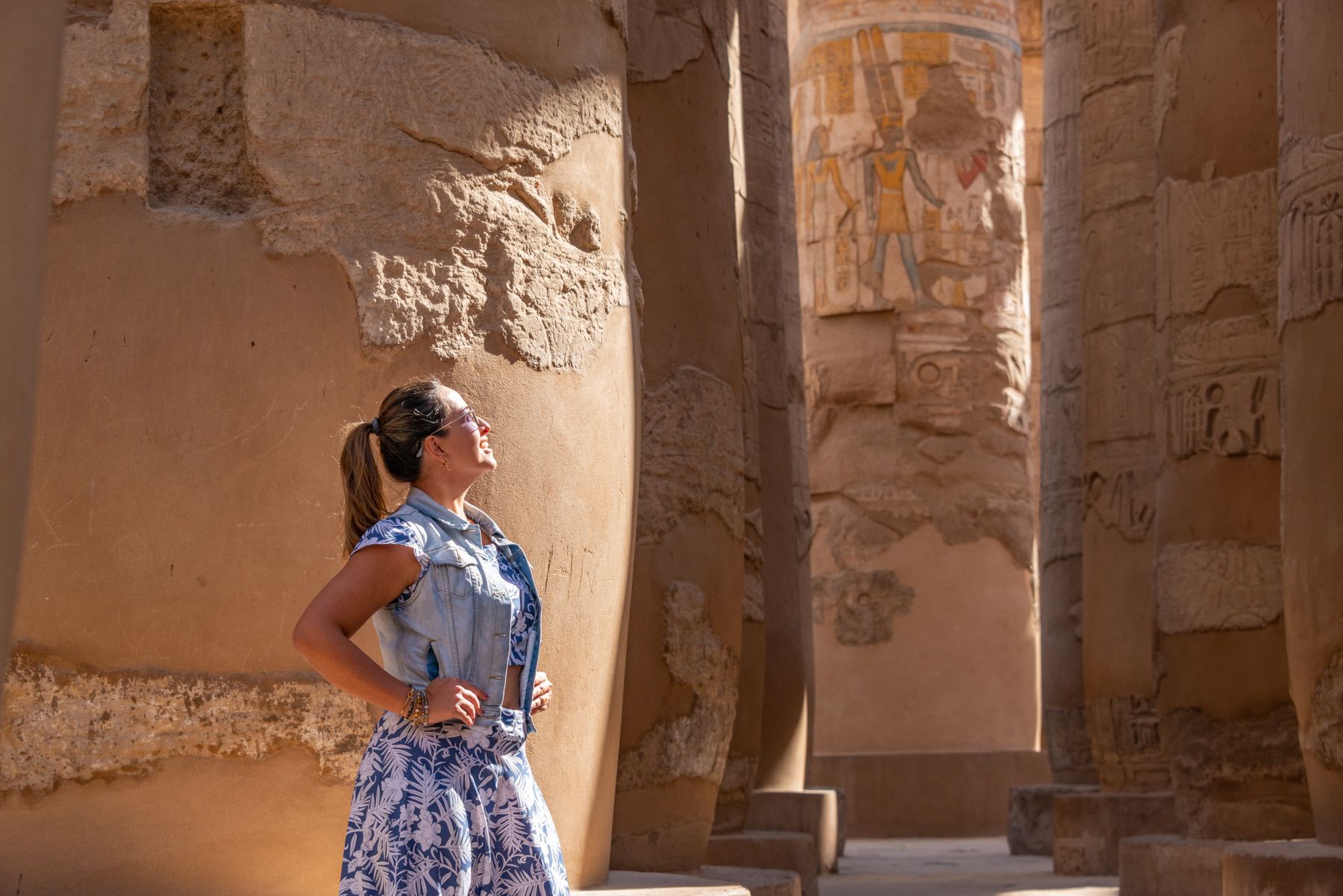
November through February brings European winter escapees and Nile cruise passengers by the thousands, creating safety in numbers and keeping temple sites busy enough that aggressive touts face immediate pushback from other tourists and guides. The crush at Karnak's Hypostyle Hall between ten and noon can feel overwhelming, but the presence of fifty tour groups simultaneously means abundant witnesses and zero opportunity for pickpockets to operate unnoticed. March and April offer ideal conditions – warm without being punishing, moderate tourist volumes, and comfortable evening temperatures for exploring the Luxor Temple after its eight-PM illumination. July and August see tourist numbers drop by half as heat becomes genuinely oppressive; some travellers prefer this for shorter queues and better hotel rates, but spending three hours in the Valley of the Kings when it's forty-eight degrees requires genuine heat tolerance and poses real health risks if you're not acclimatised.
Political demonstrations occasionally occur in Egyptian cities but virtually never in Luxor, where the economy offers no grievances that would risk scaring away the tourist income everyone depends on. If nationwide unrest does develop, your hotel will notify you immediately – their business depends on your safety – and the tourism police will lock down heritage sites and arrange secure transport to the airport. This happened during the brief 2019 protests and again in early 2022, and in both cases tourists reported feeling safer in Luxor than they would have in Cairo. The single situation that should make you postpone a Luxor trip is active conflict in the region, which hasn't occurred in the Nile Valley but would change every calculation. Absent that extreme scenario, Luxor poses no more risk than any Mediterranean tourism hub, and considerably less than many.
Booking Your Hotel With Confidence
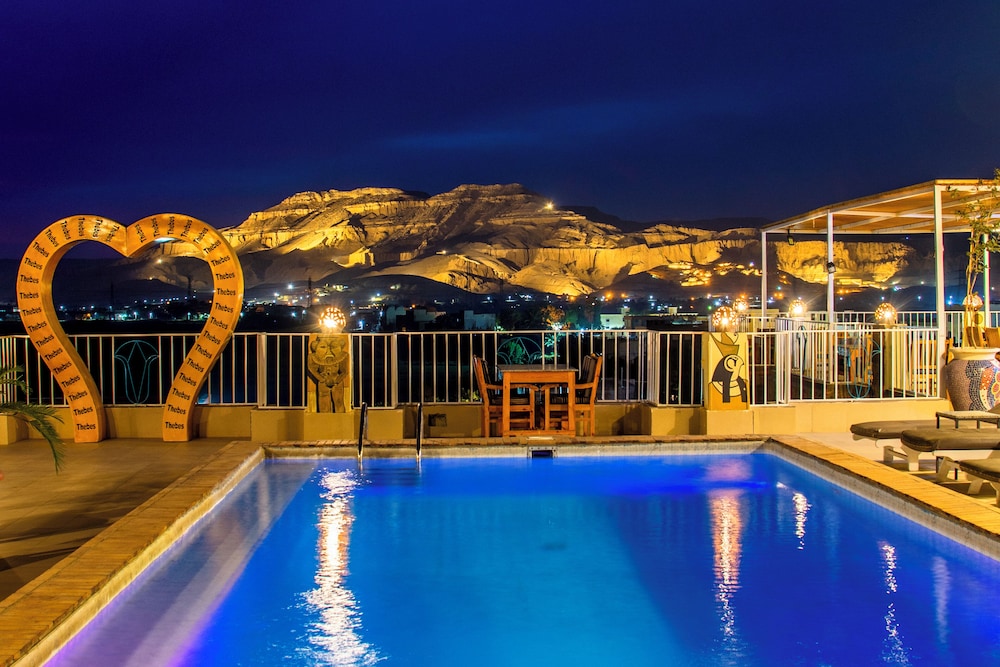
Properties along the Nile Corniche between the Winter Palace and the Sonesta St. George offer the most secure, well-lit environment and place you within walking distance of Luxor Temple and the museum while keeping you clear of the bazaar's evening touts. The Pavillon Winter Luxor and Nefertiti Hotel in this zone provide mid-range comfort with Corniche views and reception staff accustomed to helping foreign guests navigate taxi negotiations and tour bookings. Stay away from the very cheapest guesthouses on the back streets – not because they're dangerous, but because they lack the infrastructure and English-speaking staff that smooth out daily frustrations. A hundred-pound difference per night buys you a concierge who can arrange a licensed guide, a breakfast room where you'll meet other travellers to share day-trip costs, and lobby security that signals to hustlers you're not worth the effort.
Confirm your booking shows free cancellation until at least twenty-four hours before arrival, giving you flexibility if travel advisories change or personal circumstances shift. Most Luxor hotels offer this as standard, but budget properties sometimes charge immediately and refund nothing. Read recent reviews specifically mentioning safety and staff helpfulness rather than just room quality – a hotel where the manager walks solo female guests back from dinner or where the doorman helps negotiate fair taxi rates provides value beyond the room rate. The properties clustering near the Maritim Jolie Ville and heading toward the airport sacrifice walkability for pool space and resort-style isolation, which some travellers prefer but which removes you from the evening Corniche promenade and requires taxis for every movement. Book centrally, enjoy the Nile views, and let the hotel's local expertise handle the small navigational challenges that Luxor presents.
Before you book
The questions people ask about Luxor, answered with this month’s numbers.
Yes, though you'll face persistent verbal approaches from shopkeepers and taxi drivers that are annoying rather than threatening. Dress modestly – covered shoulders and knees – to reduce unwanted attention, ignore catcalls without engaging, and book hotels in the well-trafficked Corniche area. Thousands of solo female travellers visit Luxor annually without incident, and the tourism police respond immediately to any actual harassment if you approach them.
The feluccas themselves are safe and captains competent, but the standard Banana Island trip involves stops at relatives' alabaster workshops and perfume shops with heavy-pressure sales tactics. Book a simple felucca ride for one hour at sunset directly from the Corniche for one hundred fifty to two hundred pounds, skip the island stops, and you'll have a pleasant experience without the sales pitch.
Standard travel insurance covering medical evacuation and trip cancellation is sufficient – Egypt-specific policies exist but rarely offer advantages for Luxor visits. Ensure your policy covers adventure activities if you're ballooning over the West Bank, and check it includes twenty-four-hour emergency assistance. Medical care in Luxor handles routine problems fine, but serious issues require evacuation to Cairo.
Use the official airport taxi desk inside the terminal where fares to East Bank hotels are fixed at around one hundred twenty pounds, or arrange hotel pickup in advance which typically costs one hundred fifty to two hundred pounds. Drivers outside the terminal will demand three hundred or offer a suspiciously low fifty then claim confusion about Egyptian versus US dollars on arrival.
If you booked through official channels and agreed a price upfront, refuse politely and walk away – your hotel or the site's tourist police will support you. If you hired someone informally, expect this scenario and decide before you start whether you'll pay a small tip for peace of mind or stand firm. Most disputes resolve with fifty to one hundred pounds baksheesh that buys a graceful exit.