The Corniche al-Nil suits first trips, short stays and anyone who wants Luxor Temple, the museums, the station and most restaurants within a walk. The river is at the door; the West Bank needs the ferry or the bridge. It does not suit people who want quiet, since the road carries traffic and the ferries run all day, or people who plan to spend every morning among the tombs.
Why the Corniche works
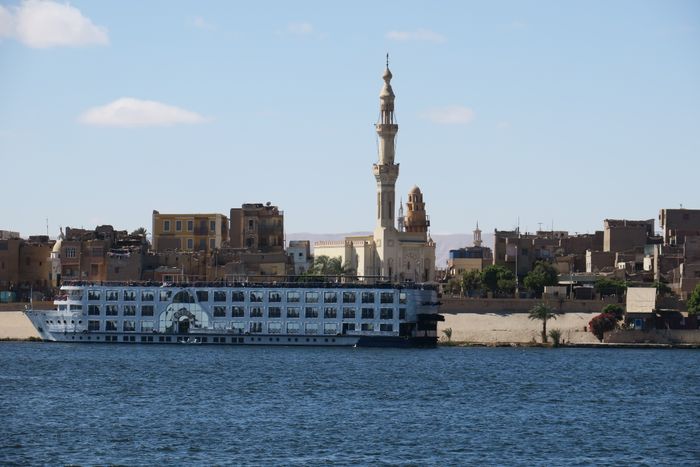
The Corniche al-Nil works because Luxor's main sights, its railway station and its densest cluster of hotels sit on the same side of the river, the East Bank. Luxor Temple is on the corniche itself, and Luxor Museum and the Mummification Museum are a short walk north. The station is inland, roughly ten minutes on foot. That means a first trip or a short stay can happen without a vehicle for most of the day. The trade is noise: the road carries traffic and the public ferries run from early until late, so a river-facing room hears both.
The stretch is the default for a reason: it removes the need to plan transport for the things most visitors do first. Karnak is north along the same bank, reachable by taxi or by horse carriage, and the shops and restaurants that stay open past the temples are here rather than across the water. What the corniche does not do is put the tombs within reach. The West Bank is a ferry ride or a long bridge drive away, and that crossing shapes the day. If the Valley of the Kings is the point of the trip, the corniche is a base, not a doorstep.
Options along and near the Nile
The corniche is one choice among several, and each suits a different trip.
How to choose where to stay
Work through these four questions before you book anything.
Three things to walk away from
Details that decide the booking
Which side of the road the hotel sits on matters as much as the name. A building on the river side has the view and the noise; a building on the inland side is a short walk from the water but faces the street behind, which is quieter at night and often cheaper. Ask which side before booking, and ask whether the room faces the Nile or the back. A river view is not standard, even when the address says Corniche al-Nil.
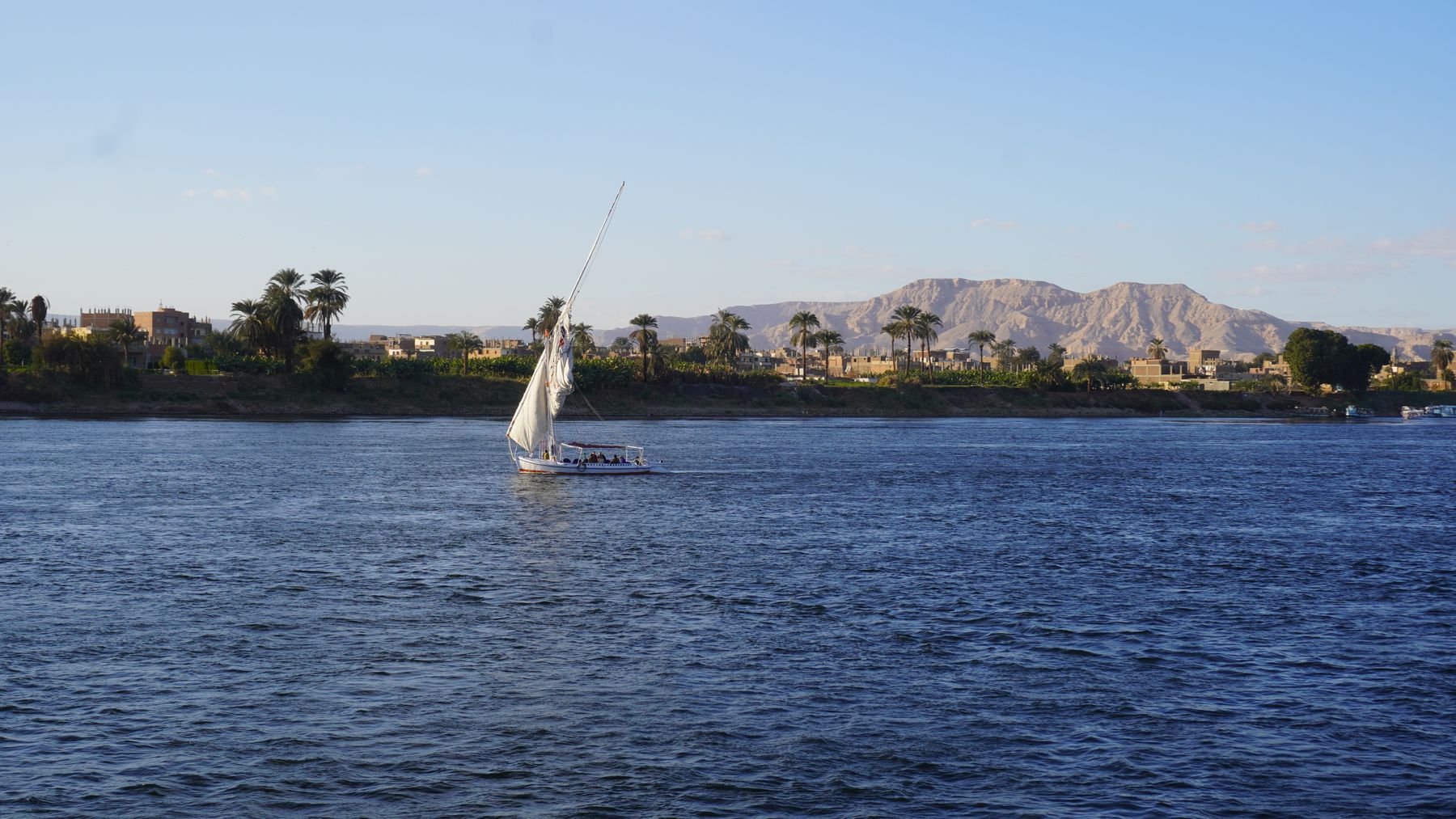
Crossing to the West Bank is the other practical question. The public ferry from the corniche runs all day until well into the evening, and a second ferry operates near the Winter Palace area; both are cheap and frequent, but they carry foot passengers only. If you want a vehicle on the West Bank, you take the bridge south of the city, which adds distance and time. Many hotels will arrange a car and driver for a morning of tombs, which is the usual way to cover several sites in one run.
The public ferries across the Nile run from early morning until well into the evening, but the exact last crossing changes with the season and with demand. Buy tickets at the kiosk on the bank rather than from anyone who approaches you on the corniche. Hours change seasonally, so check the operator's page for your date.
When the corniche is wrong
The corniche is wrong when quiet is the priority. The road runs between the hotels and the river, and the ferries, the carriages and the coaches use it from morning until night. A light sleeper who books a river-view room in high season should expect engine noise and call to prayer. The inland side is better, but the whole corniche is a working street, not a secluded bank. If you want a garden and silence, look at the East Bank away from the Nile or at Al-Awameyah.
It is also wrong if every morning starts among the tombs. The ferry adds a crossing at each end of the day, and the first boats do not run early enough for the earliest tomb openings. Staying on the West Bank puts you near the Valley of the Kings at dawn, but then Luxor Temple, the museums and the station are across the water. There is no single base that is close to both banks; the choice is which set of sights you want to reach without a crossing.
Questions
Is the Corniche al-Nil walkable to Luxor Temple?+
Yes. Luxor Temple anchors the northern end of the Corniche, and the walk along the river to it is one of the plainest routes in the city. The Avenue of Sphinxes runs inland from the temple towards Karnak. The riverside path is covered in our Corniche walk page.
Do I need the ferry if I stay on the Corniche?+
Yes, for the West Bank. The public ferry runs every few minutes, private boats cross on demand, and a road bridge lies south of the city. The crossing is short but it sets the shape of your mornings. See Getting Around Luxor for the full picture.
Is the Corniche al-Nil noisy?+
It is a working river front with traffic, ferries, calèches and hawkers through the day and into the evening. Light sleepers should ask for a room set back from the road or on a higher floor. If quiet matters more than convenience, another stretch of the East Bank may suit you better.
Which is better for a first trip, the Corniche or the West Bank?+
The Corniche suits a first trip because the temples, the station and most restaurants are on the same side of the river as the hotel. The West Bank suits people whose days belong to the tombs and mortuary temples. If you plan to divide your time, the East Bank keeps the crossings shorter.
Where in Luxor should I stay if I am only there two days?+
Two days is short enough that the crossings start to eat the day. Staying on the East Bank, with the Corniche or the city centre as your base, keeps Luxor Temple, Karnak and the museum within easy reach. A two day plan is set out in our 48 hours in Luxor itinerary.