The public ferry, private boats and short taxi hops cover almost every Luxor day, because the Nile separates the two banks and most sights sit close to a landing. Walking handles the East Bank between Luxor Temple and Karnak. The bridge south of the city is the only road crossing, so drivers loop far out of the way while you cross directly. Rent a car only for places well outside the city, such as Dendera or Esna.
Why the ferry sets the pace
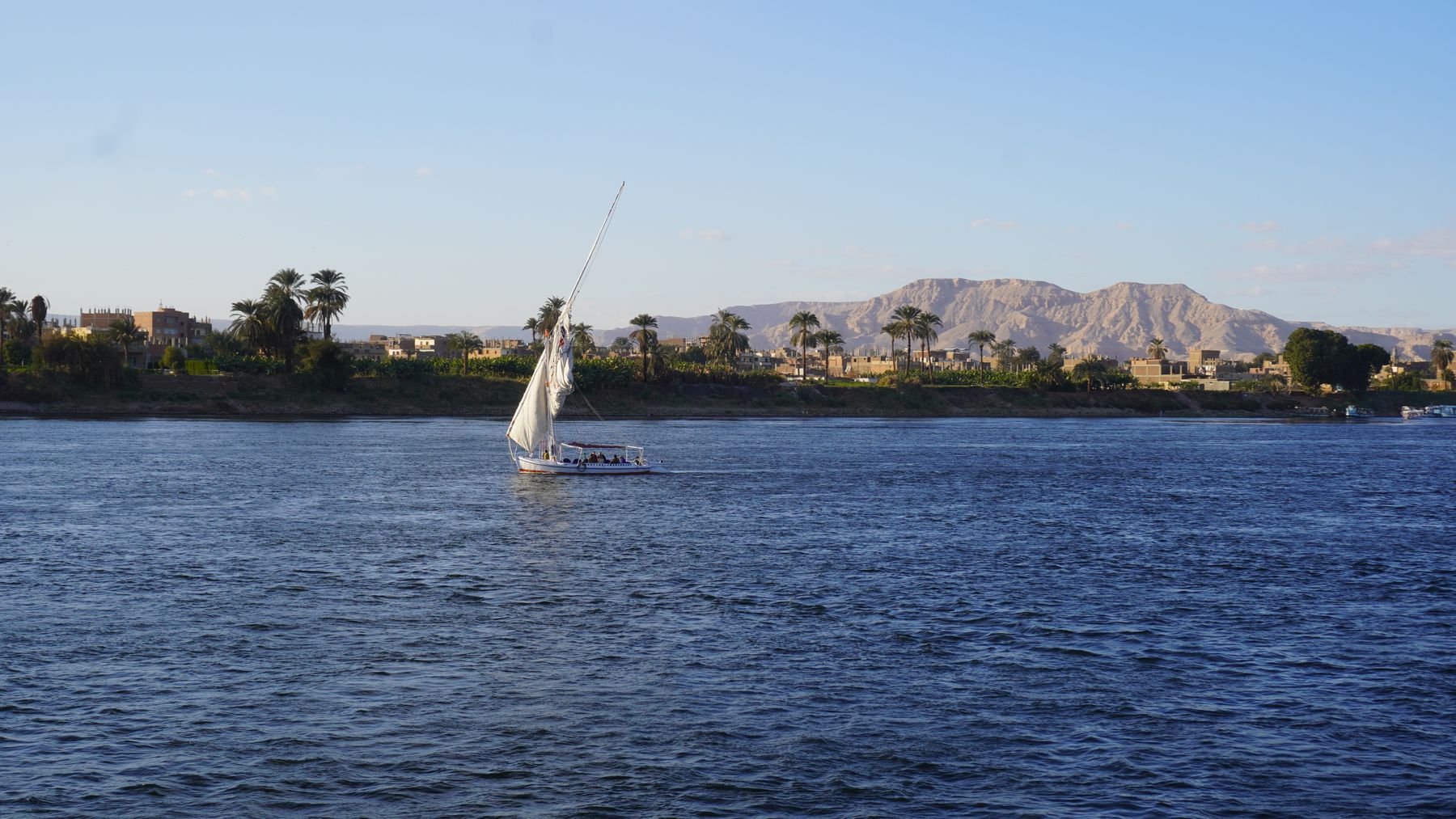
Luxor's two banks are not a matter of preference but of geography. The Nile runs north through the middle of the city, the East Bank holds the station, the airport road, Luxor Temple and most hotels, and the West Bank holds the tombs, the mortuary temples and the villages that serve them. Only one road bridge crosses the river, and it sits well south of the centre. A vehicle therefore drives a long loop to reach a point that a boat reaches directly, which is why the river crossings, not the roads, shape how a day is planned.
The public ferry and the private boats do different jobs. The ferry is a scheduled crossing between two fixed landings, used by residents and workers as much as by travellers. Private boats wait near the same landings and take passengers across on demand, which matters when the ferry timetable does not match a site opening. Neither is a tour. Both simply put you on the other bank, and from the landing the West Bank sights are reached by road, so the crossing decides where your day starts, not how it ends.
Ways to move around
These are the realistic options for a trip without a car, from the shortest hop to the longest day.
Building a car-free day
The order below keeps crossings to a minimum and puts the river where it belongs, between two halves of the trip rather than in the middle of one.
Three habits that waste the day
The details that decide a day
Ferry timetables change with the season and with demand, and the operator does not publish a fixed schedule that holds all year. Check the landing boards or ask at your hotel for the current first and last crossings on your dates, and treat the private boats as the fallback when the scheduled one has stopped for the night. Landings are not signposted in the way a station is, so fix the two points on a map before you rely on them, ideally in daylight on your first crossing rather than after a long day at the tombs.
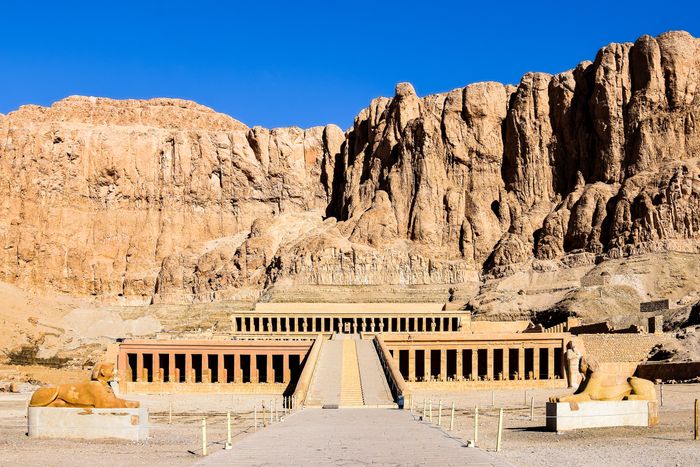
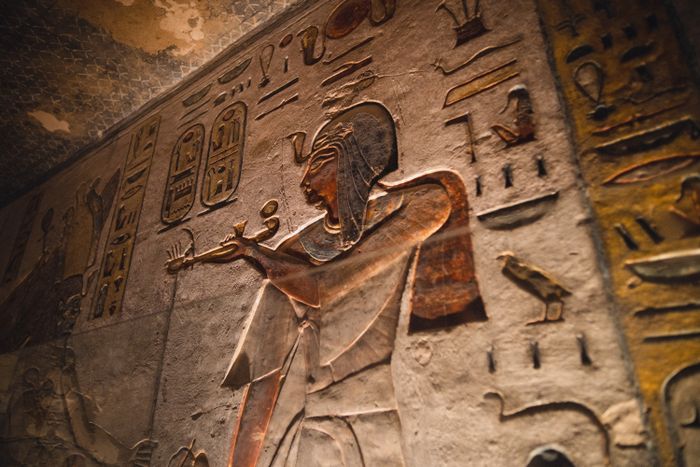
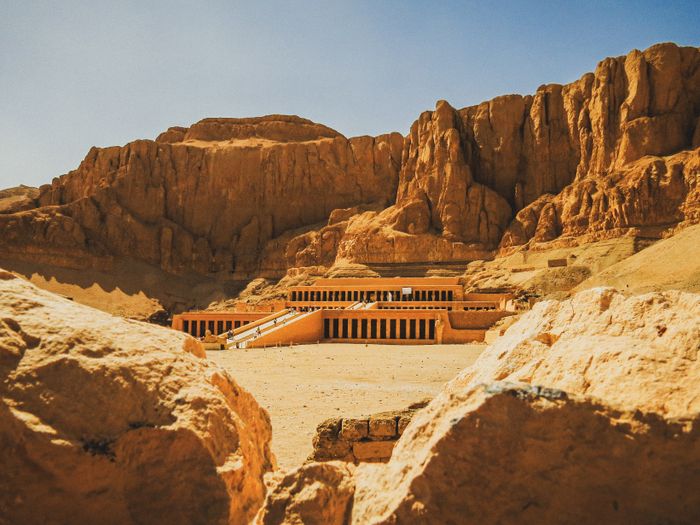
On the East Bank, the distance between Luxor Temple and Karnak is walkable along the corniche, and that stretch covers the temple, the museum and the main hotel strip, so a car adds little there. On the West Bank, sites are spread along a road that runs away from the river, and the distances between the Valley of the Kings, Deir el-Bahari and the Colossi are too long to walk in the heat. Group those into a single loop with a driver or a taxi arranged for the day, rather than crossing back and forth.
Fares for the public ferry and for private boats are set locally and change, and no reliable published figure holds across seasons. Ask at the landing or at your hotel for the current fare before you cross, and carry small notes, since change is not always available on the boat.
When the obvious answer fails
The bridge looks like the direct road crossing, and on a map it is. In practice it sits far enough south that using it to move between the two hotel and sight areas turns a short crossing into a long detour, and it does nothing for the walkable East Bank core. Treat it as a route for vehicles going further south, not as a way to get from Luxor Temple to the ferry. Renting a car you drive yourself only pays off for places well outside the city, such as Dendera to the north or Esna to the south, where no boat and no short taxi hop will do.
Crossing back to the East Bank in the middle of a West Bank day is the other common mistake. The crossings are quick, but the return trip plus the road time on either side eats the middle of the day, and the sites close in the afternoon regardless. Build the West Bank as one block, start early, and stay on that side until you are finished. If a site you want sits on the other bank, put it on a different day rather than splitting the one you have.
Questions
Can you see Luxor without a car?+
Yes. The East Bank is walkable between Luxor Temple, the Corniche and Karnak, and the ferry links it to the West Bank landing. A hired car or taxi is only needed for the far tombs and mortuary temples on the West Bank, or for sites outside the city. The main limit is how much walking you want in the heat.
How does the ferry compare with a private boat?+
The public ferry runs every few minutes between the East and West Bank landings and is the default crossing. A private boat waits at the same landings and leaves on demand, which matters at night or when you want a different landing. Neither crosses at the bridge, which is far to the south.
Do you need a car for the Valley of the Kings?+
No, but you need a vehicle of some kind for the day, because the Valley sits on the West Bank away from the ferry landing. Most people hire a car with a driver to link the Valley, Hatshepsut and Medinet Habu in one loop. Walking between those sites is long and exposed.
Which sites actually require a car?+
Dendera, Esna, Edfu and Armant sit outside the city, where the ferry and East Bank walking do nothing for you. For those, hire a car with a driver for the day rather than driving yourself. Hours at outlying temples change seasonally, check the operator's page for your date.
Is the West Bank walkable from the ferry?+
The ferry landing on the West Bank sits near several tombs and temples, so some sights are a walk or short ride from it. The Valley of the Kings and Hatshepsut are further and usually need a car or taxi for the day. Group them rather than crossing back and forth.