Choosing your bank: East Luxor versus the West Bank
Almost every first-time visitor should sleep on the East Bank, in or around the Corniche el-Nil between Luxor Temple and the Luxor Museum. This is where the train station sits, where the restaurants and ferry landing are, and where you can walk to Luxor Temple after dark. Hotels along the Corniche and the streets behind it, from Sharia Karnak northward, run the widest range: simple guesthouses from the budget bracket up to pool-and-garden properties in the mid and upper bands. In winter, December to February, daytime highs sit near 23-25°C and nights drop to around 8-10°C, so ask about heating.
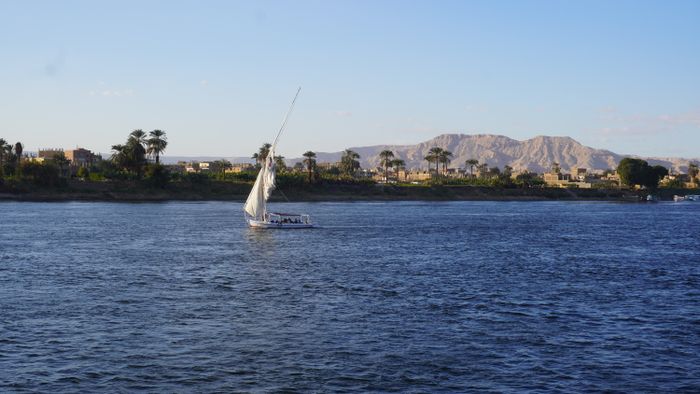
The West Bank, around Gezira and the road toward Medinet Habu, is quieter and greener, with small guesthouses and a handful of mid-range hotels facing the Theban hills. You get sunrise over the valley and easy access to the tombs, but you depend on the public ferry or a motorboat across, and after around 22:00 options thin out. For a two-night weekend, I would book East Bank for the convenience and cross early one morning; save the West Bank for a longer stay.
What to see in two days without rushing
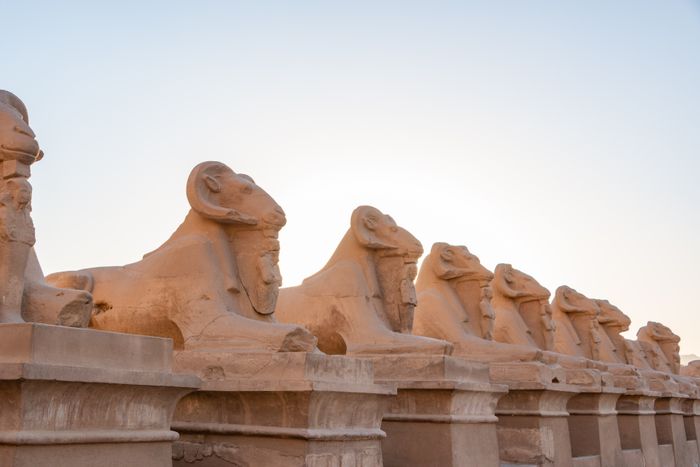
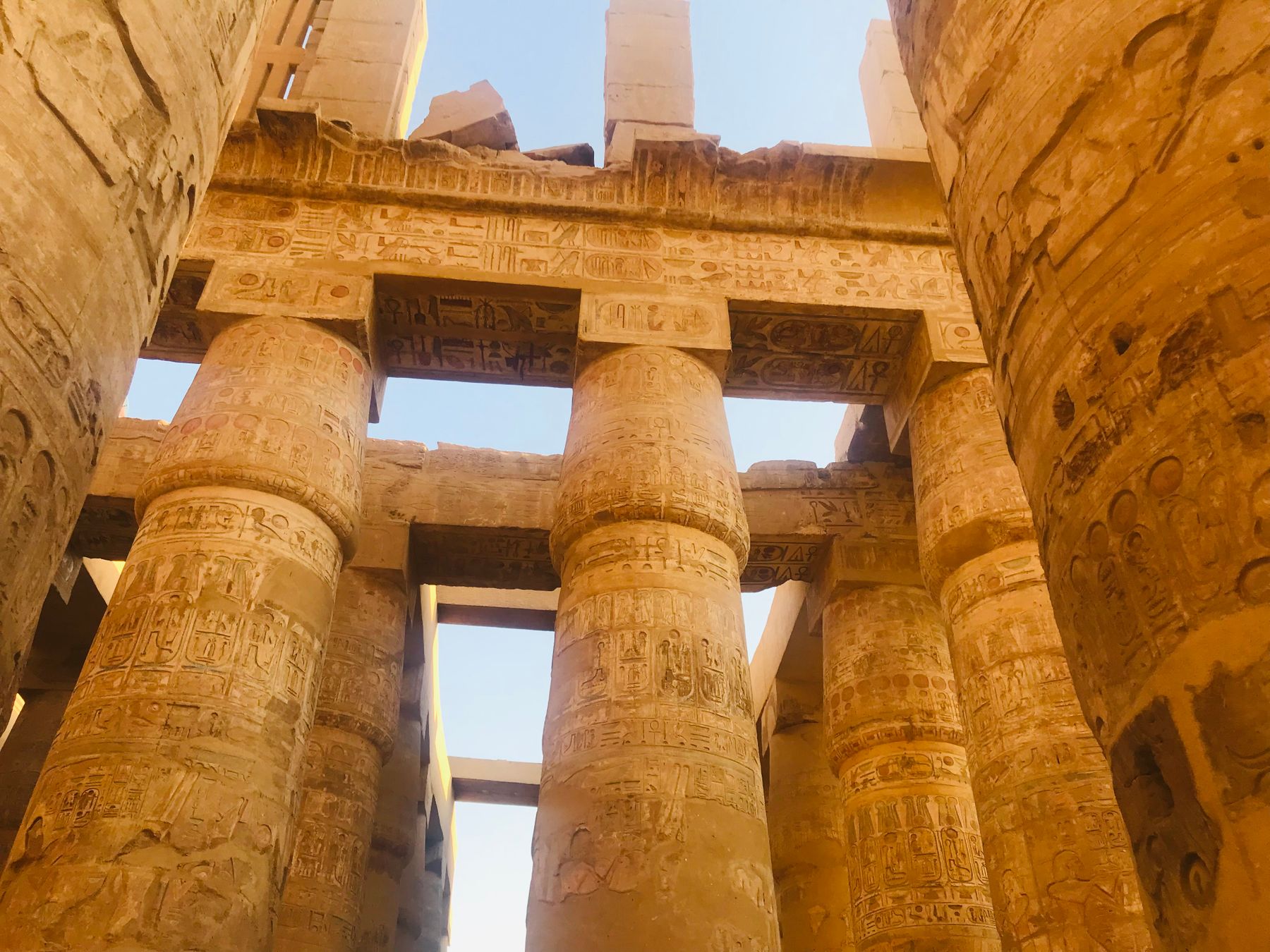
Give the first afternoon to the East Bank on foot. Karnak Temple is about 3 km north of Luxor Temple along the Corniche, a short taxi ride or a sweaty but flat walk; allow two to three hours among the hypostyle hall and the sacred lake. Come back south for Luxor Temple in the late light, when the avenue of sphinxes and the pylon colour up and crowds ease after the tour buses leave. The Luxor Museum, between the two temples, is a calm, well-labelled hour and a good filler if you arrive before check-in.
Day two belongs to the West Bank, and it rewards an early start: leave at first light by ferry or road bridge to reach the Valley of the Kings before the heat and the coaches. Buy the standard ticket that covers three tombs and add Seti I or Tutankhamun separately only if you care about them specifically. Then take in the Temple of Hatshepsut at Deir el-Bahari and, if legs allow, Medinet Habu, which is often quiet and superb. Finish at the Colossi of Memnon on the way back.
Transport, tickets and timing
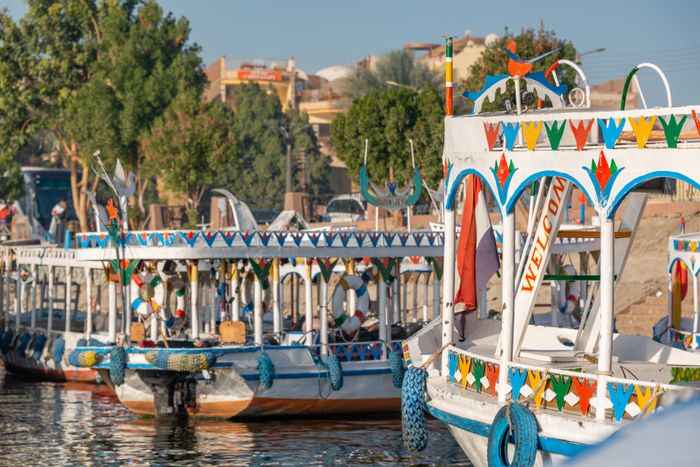
The West Bank road bridge is roughly 8 km south of the Corniche, so most travellers use the public ferry from the Corniche landing, a few Egyptian pounds, or a motorboat, which you negotiate on the spot. On the far side, a taxi or a hired car with a driver for the morning is the practical way to link the Valley of the Kings, Deir el-Bahari and Medinet Habu, since the sites sit 3-8 km apart on winding roads. Distances are short; the time goes on site, not in the car.
Tickets are sold at each site's own window, not combined across both banks, and the Valley of the Kings closes tomb by tomb on a rotation, so check the board on arrival rather than planning tomb numbers in advance. Sites generally open around 06:00 and close mid-afternoon in winter, with last entry well before closing. The sound-and-light show at Karnak runs on winter evenings; it is atmospheric but optional, and I would skip it in favour of a slow dinner on the Corniche if you only have two nights.
Where I would book, and what to skip
For a winter weekend I would book a mid-range hotel on the East Bank within walking distance of Luxor Temple, ideally with a rooftop facing the Nile and the Theban hills, and confirm in writing that the room has heating and hot water. That puts the ferry, the station and dinner within ten minutes on foot and keeps taxi costs down. If you want a pool and a garden, look north toward Sharia Karnak; if you want character and a smaller bill, the lanes behind the Corniche have good guesthouses, though street noise is real.
Skip the horse-carriage pitch on the Corniche and the guided day-tour that bundles both banks into one long day; it rarely gives the Valley of the Kings the time it needs. Skip the West Bank for sleeping on a two-night trip, and skip any attempt to add Abydos or Dendera, which are 2-3 hours' drive each way. Book winter weekends early, since December and January are the busiest months and the best-value rooms near the temple go first.
Questions
Is two nights enough for Luxor?+
Yes for the essentials: one afternoon on the East Bank for Karnak and Luxor Temple, and one early morning on the West Bank for the Valley of the Kings and Deir el-Bahari. Three nights lets you add Medinet Habu and the Luxor Museum without rushing.
Which side of the Nile should I stay on?+
Stay on the East Bank near the Corniche for a short trip, for restaurants, the station and walking access to Luxor Temple. The West Bank suits quieter stays and early tomb starts, but you rely on the ferry or a boat after dark.
When is the best time to visit Luxor?+
December to February is the most comfortable, with highs near 23-25°C, cool nights and calm, clear days. It is also the busiest season, so book hotels near the temple well ahead. March and November are warm but less crowded.