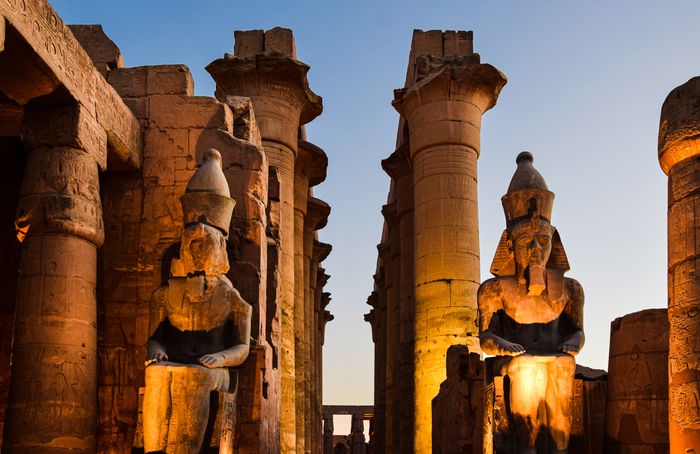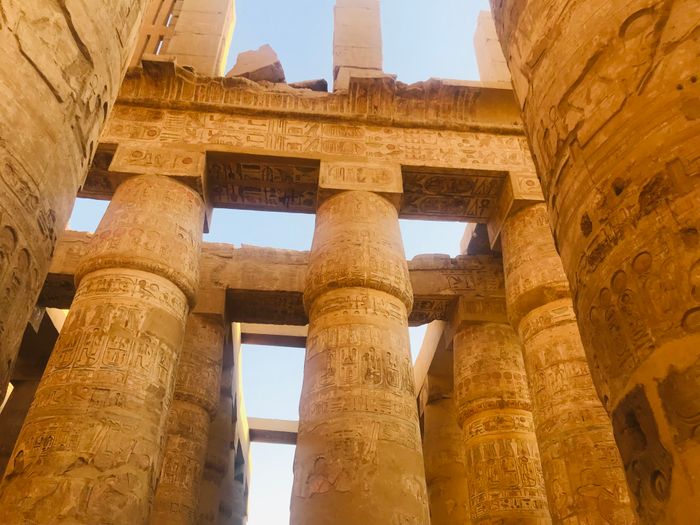
Karnak is on the East Bank, so anyone whose priority is the temple complex should stay on the East Bank, in Karnak, Luxor City Center or along the Corniche al-Nil. The West Bank is across the river and better for tombs and mortuary temples. Al-Awameyah, just south of Karnak, is quieter but still east. Pick an East Bank base and treat the crossing as a separate decision.
Why the East Bank
Karnak sits on the East Bank of the Nile, and the practical consequence is that anyone whose main reason for coming to Luxor is the temple complex should base themselves on the same side of the river. The East Bank holds the station, the great majority of hotels, and the developed corniche, so a stay there keeps the temple gates within a short drive and removes the daily question of how to get across. The West Bank is not worse, it is simply organised around a different set of sites, and its guesthouses serve the tombs and mortuary temples rather than Karnak.
Pick a base on the East Bank for a Karnak-first trip. This is a geography question before it is a hotel question, and it decides more about a week in Luxor than the standard of the room does. A guest who wants the temple at opening time is served by being on the same bank; a guest who wants the Valley of the Kings at opening time is not. Settle the side of the river first, then judge the properties within it.
East Bank options compared
The East Bank neighbourhoods differ mainly by how close they sit to Karnak and how much of the town is walkable from the door.
How to decide where to stay
Work through these four questions in order, because each one narrows the options before you start comparing properties.
Three choices to avoid
Choosing a neighbourhood
Within the East Bank the choice is between Karnak itself, the city centre, and the corniche. Karnak and Al-Awameyah, just south of the temple, are the quietest of the three and sit closest to the complex, which suits anyone who intends to be at the gates early. The city centre around Luxor Temple puts you within walking distance of restaurants, the souk and the Luxor Temple itself. The corniche runs between the two and offers river views and a line of hotels along the water, with the Nile on one side and the town on the other.
The right pick depends on how much of the day you expect to spend at Karnak. Staying in Karnak or Al-Awameyah trades nightlife and easy dining for proximity to the site. The city centre and the corniche trade some of that proximity for walkable food, shopping and the second temple. If your plan includes several early starts at Karnak, the eastern and northern end of the East Bank is the more sensible base. If you want evenings out without a car, the centre is the more convenient one.
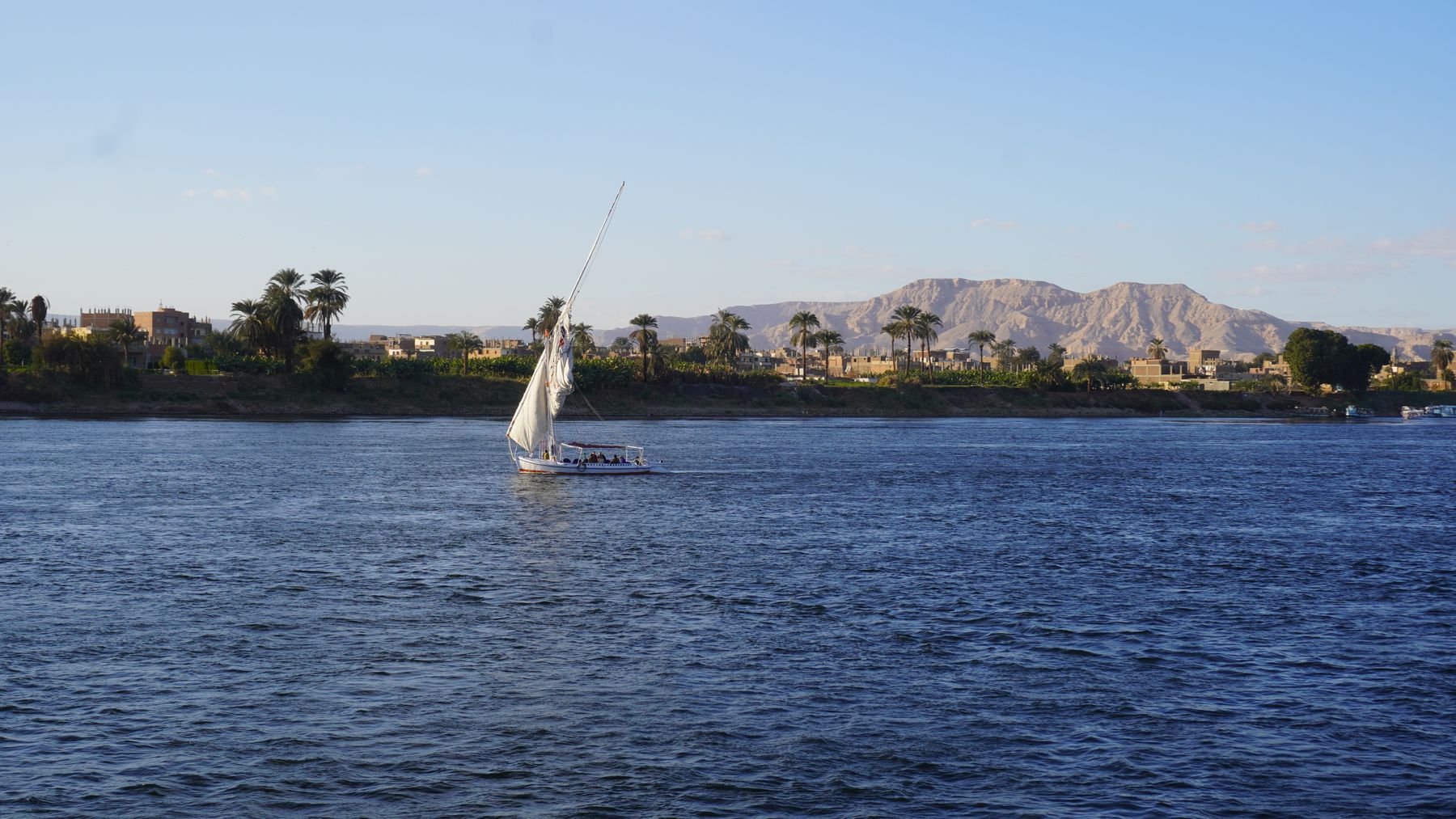
The river can be crossed by bridge, by public ferry or by a hired local boat, and the options do not run to the same schedule. Ferry timings change seasonally, and boatmen negotiate individually, so confirm the return leg before you set out, or you may find yourself on the far bank after the last convenient crossing has gone.
When the West Bank wins
The obvious answer, stay east for Karnak, is the wrong one when Karnak is not actually the priority. If the tombs in the Valley of the Kings, the Valley of the Queens, Medinet Habu and the Colossi of Memnon fill most of your itinerary, the West Bank is the better base, and the crossing to the East Bank for Karnak becomes a single trip rather than a daily ritual. Armant, further south on the East Bank, is a different case again: it is not a Karnak base and does not pretend to be.
Travel patterns also matter. Some visitors come to Luxor for a short stay built around one or two sites, and for them the closest bed to the main gate is the deciding factor. Others come for a week and split their days between the banks, in which case the crossing itself, by bridge, by ferry or by local boat, becomes part of the routine. Neither pattern is wrong; they simply point at different neighbourhoods, and the decision should follow the itinerary rather than a ranking of hotels.
Questions
Which side of the Nile is Karnak on?+
Karnak is on the East Bank, the same side as Luxor Temple, the railway station and most of the city's restaurants and hotels. The West Bank holds the tombs and mortuary temples and is reached by ferry, private boat or the bridge south of the city. That split is the single most useful fact for choosing where to sleep. The East Bank overview sets out the full layout.
Is staying in Karnak better than the city centre?+
Karnak is better if the temple complex is your main reason for visiting and you want to be close to it. The city centre is better if you also want the souq, Luxor Temple and a wider choice of restaurants within walking distance. Both are on the East Bank, so the difference is convenience rather than side of the river. The city centre area page compares the two in more detail.
How do you reach the West Bank from an East Bank hotel?+
The public ferry runs every few minutes and is the usual crossing for foot passengers. Private boats run on demand, and there is a road bridge south of the city for cars and taxis. Which one suits you depends on whether you are going as a foot passenger or on a tour. Getting Around Luxor explains the options in full.
Should Karnak be the base for a first trip to Luxor?+
It can be, but the city centre or Corniche al-Nil often works better for a first visit because they put more of the East Bank within walking distance. Karnak is a short ride from either. Decide based on how much time you plan to spend at the temple complex itself. The Karnak area page covers what the district offers.
What is the trade-off if I stay on the West Bank instead?+
You gain proximity to the tombs, Medinet Habu and the mortuary temples, and a quieter setting. You lose the easy walk to Karnak, Luxor Temple and the city's restaurants, and you add a river crossing to every East Bank day. For a Karnak-led trip that is usually the wrong trade. The West Bank overview explains what staying there involves.