Ramadan does not close Luxor. The tombs, temples and museums keep a published opening schedule, and hotels on both banks run as normal. What changes is the daily rhythm: many local restaurants and shops open later and close around sunset, staff on site are often fasting, and the city is busiest after the iftar meal. Plan temple visits for the morning, expect shorter daytime service, and treat evenings as the social part of the day.
Why the day has two shapes
Ramadan is a lunar month, so its dates move about eleven days earlier each year against the Gregorian calendar. That matters for planning because the month can fall in cool winter weather or in the heat of late spring, and the fasting day runs from first light to sunset either way. The tourism sites themselves do not close for the month. The Egyptian Ministry of Tourism and Antiquities publishes opening schedules and usually adjusts them, with some sites closing earlier than in the rest of the year. The practical effect is a day split in two: quiet, short mornings, then a long lull, then a busy evening after iftar.
Hotel restaurants, airport services and Nile cruises operate to their own timetables and are generally unaffected by the fast. What changes is the street: the cafes, the small shops, the local eateries and the juice stands. A visitor sleeping through the morning and setting out at two in the afternoon will find the temples emptying and the light going flat, then will find nothing open for a late lunch. The rhythm rewards early starts, and the evening becomes the part of the day worth staying out for rather than the part to sleep through.
Timing and base options
The main choices are about when you go out and which bank you sleep on, and both decide how much of the day is usable.
How to plan the day
Four decisions, taken in order, that keep the schedule working once the fasting hours are in play.
Three assumptions that spoil the trip
What actually changes for you
Opening hours are the first thing to check. The Ministry of Tourism and Antiquities sets them, and individual sites such as the Valley of the Kings, Karnak, Luxor Temple and the Luxor Museum have in recent years applied Ramadan timetables that can shift last entry forward by an hour or more. Do not rely on a general listing: check the operator's page or the ticket office notice for your specific date, because hours change seasonally and no fixed figure holds for the whole month. Ticket sales usually stop well before closing, so arriving late in the afternoon is the main way to be turned away.
The second change is service. Cafes and restaurants that serve the local market often shut in daylight and reopen around sunset, and some keep shorter hours through the month. Site staff, drivers and guides are frequently fasting, which is normal and not a problem, but it does mean less cheerful small talk and slower responses in the afternoon. Carry water and eat discreetly when you need to. Taxis run, ferries run, and hotels serve food, so nothing about the day is impossible, just less forgiving of late planning.
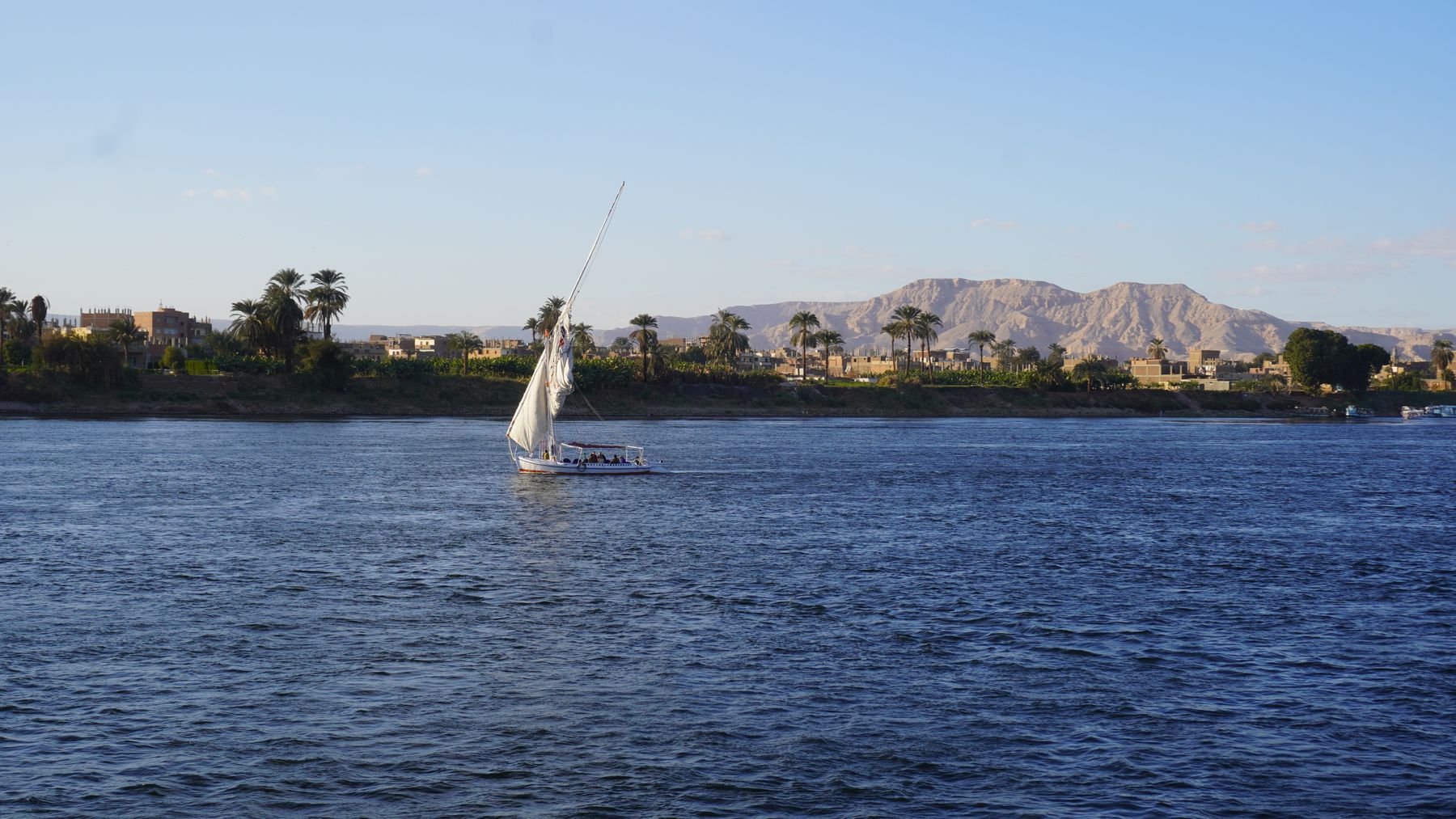
The public ferry between the East and West banks runs through Ramadan, but evening queues build after iftar and the last crossing is not a reliable way to finish a late dinner. Private taxi boats and cars are available at all hours. Agree the return trip and the meeting point before you set out, since drivers change shifts around sunset.
When the obvious answer fails
The obvious plan is to make the most of the cooler evening and do the ruins after the heat has gone. That works for Luxor Temple and the Corniche, both of which are lit and open late in normal times, but it fails for the Valley of the Kings and the West Bank tombs, which are daytime sites with fixed closing times and no evening opening. If the evening is the only slot you have free, you have lost the West Bank for that day. Build the morning around the sites that shut, and keep the evening for the ones that stay open.
The other wrong assumption is that Ramadan empties the place. It empties the daylight hours and fills the night. After iftar the Corniche, the markets and the cafe streets are at their busiest, and traffic around the station and the ferry landings is heavier than at midday. A visitor who expects a quiet city and books an early dinner will instead meet crowds and slow roads. Plan evening movement with more time than you would in the middle of the day, not less.
Questions
Do the temples and tombs close during Ramadan?+
No. Karnak, Luxor Temple, the Valley of the Kings and the main museums stay open, though daily hours are often shortened and set locally. Confirm the current times for your dates before you travel, because published schedules change between years. For site-by-site timing, see the Karnak Temple Complex page.
Can I eat during the day in Luxor in Ramadan?+
Yes, but mostly at hotels and restaurants that cater to visitors, and often away from the street. Many small local places close or serve only after sunset. If you want a proper sit-down meal, Sofra Restaurant is a reliable choice that stays open for visitors.
Is the ferry still running between the banks?+
Yes. The public ferry continues to run frequently through the day, and private boats still cross on demand. The one gap to plan around is sunset, when crews may pause briefly for iftar. The Corniche al-Nil walk is the easiest place to pick up a crossing.
What is Luxor like in the evening during Ramadan?+
It is the liveliest part of the day. Families come out after iftar, the souq and Corniche fill up, and cafes stay busy late. This is the best time for shopping and for a slow walk along the river. Luxor after dark covers where to go once the sites close.
Which bank should I stay on during Ramadan?+
The East Bank is easier if you want restaurants, shops and evening activity on your doorstep. The West Bank suits travellers whose main focus is the tombs and who do not mind quieter nights. Where to Stay in Luxor compares the two for different trip styles.