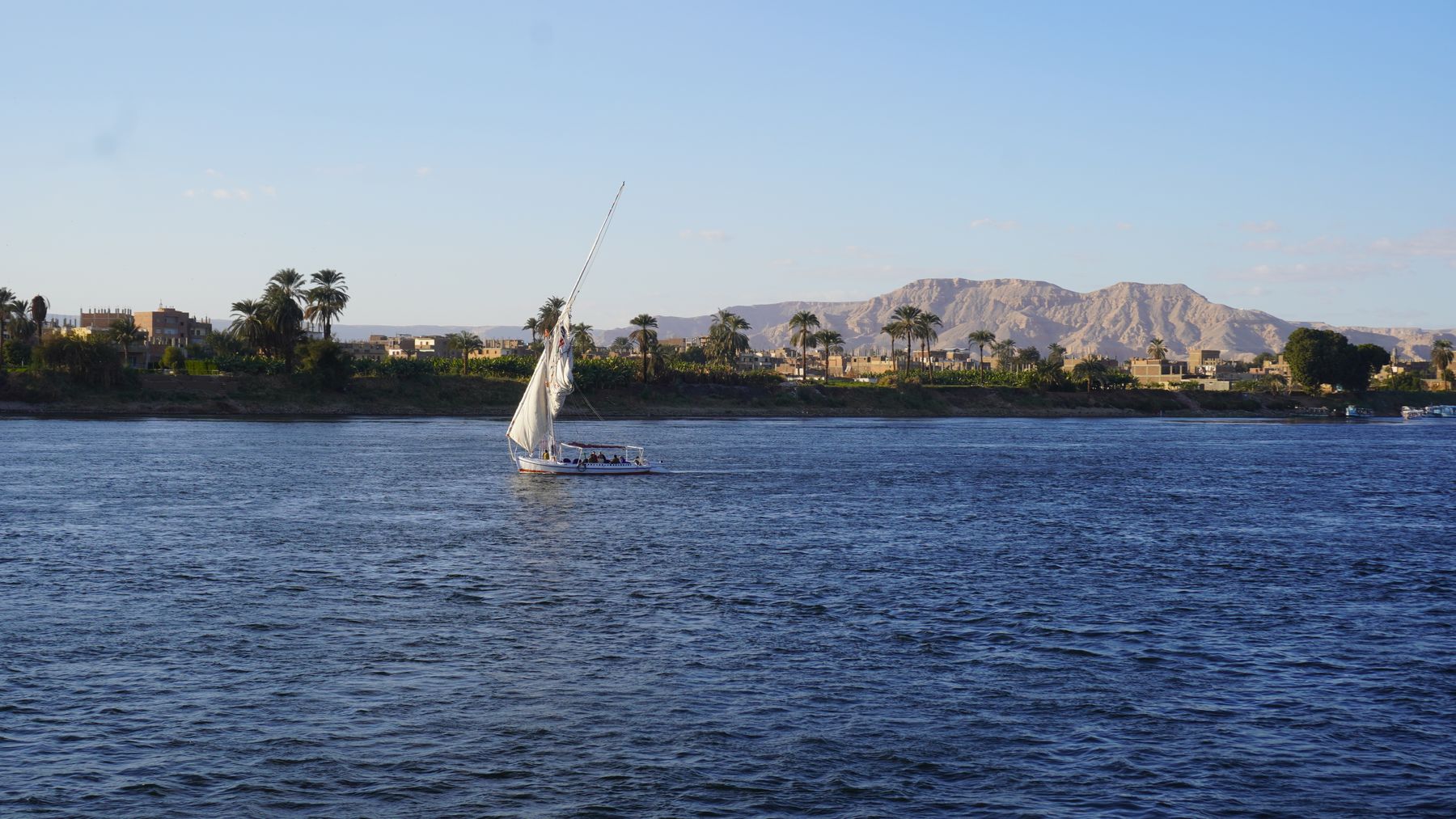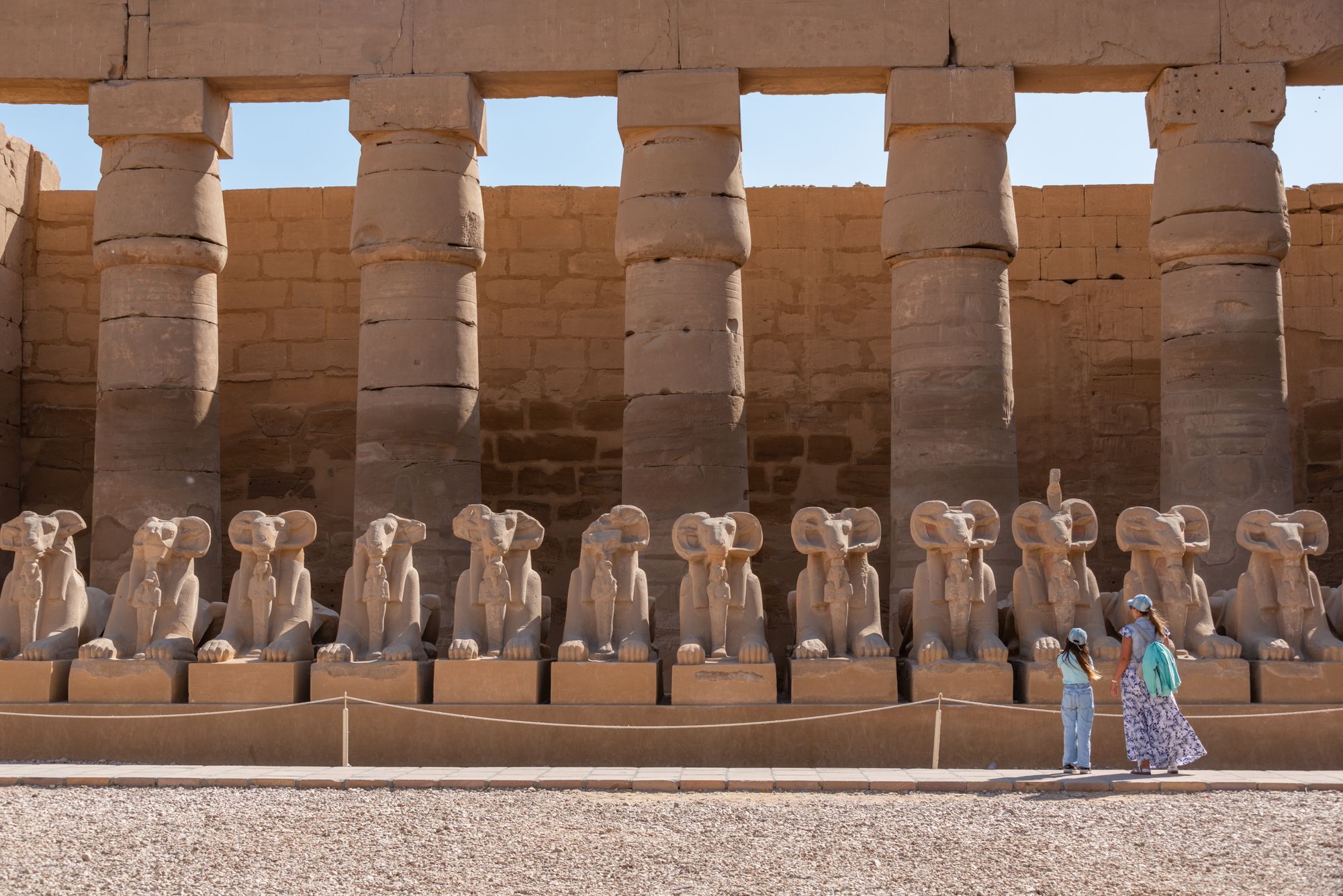
The mawlid of Abu al-Haggag is the annual festival of the Sufi saint whose mosque sits inside Luxor Temple. It is a moving date on the Islamic calendar, so it shifts earlier each solar year; the procession, zikr and market fill Luxor City Center and the Corniche al-Nil for several nights. No centralised programme publishes start times, so confirm the current year's dates locally before you plan around it.
Why the mawlid works this way
The mawlid of Abu al-Haggag is a Sufi festival, not a municipal event. It marks the birth of the saint whose mosque was built into the north east corner of Luxor Temple in the thirteenth century. Because it follows the Islamic calendar, which is lunar and roughly eleven days shorter than the solar year, the dates move earlier each year by about that amount. No single authority publishes a programme or start time. The procession, the zikr circles and the market grow out of the local Sufi orders and the neighbourhood around the mosque, so what happens on any given night depends on which order is leading and how the month falls.
The geography matters as much as the calendar. Luxor Temple sits inside the city, on the East Bank, with the Corniche al-Nil running along its western wall. That means the festival occupies public space rather than a fenced site: the road, the square in front of the mosque and the streets behind it. The West Bank, where most hotels with river views are, is a separate place with its own rhythm. The mawlid is an East Bank event, and crossing the river is part of attending it. This is why the festival feels less like a visitor attraction and more like a neighbourhood taking over its own streets for a few nights.
Ways to experience the mawlid
The options differ mainly by how close you stand to the devotional core and how late you are willing to stay out.
How to attend respectfully
A short sequence for anyone planning to go, whether for one evening or several.
Three assumptions that lead to a poor visit
What a visitor needs to know
The mawlid usually runs for several nights, with the largest crowds on the final nights. Activity builds after sunset and continues late. The procession moves along the Corniche al-Nil, often with drums and flags, and can change route depending on the year. The zikr circles form near the mosque entrance inside Luxor Temple, sometimes in the open courtyard. The market sets up around the mosque and spills into the surrounding streets, selling food, sweets and trinkets. There is no ticket and no separate tourist entrance. You are a guest in a religious and neighbourhood event, so dress modestly, keep your voice low during prayer and zikr, and ask before photographing anyone.
The practical difficulty is timing. Because the mawlid follows the Islamic calendar, the dates shift earlier each solar year, and no centralised source publishes a schedule in advance. Hotel staff, local tour guides and the mosque itself are the usual ways to confirm dates once you are in Luxor. If your trip is fixed and the mawlid falls outside it, Luxor Temple is open on ordinary days and the mosque can be seen from the outside. If your trip is flexible, build in a buffer: the main nights are not always the ones announced first, and the festival can overlap with school holidays or other local events.
Islamic dates depend on moon sighting, so even published calendars can differ by a day. In Luxor, the most reliable confirmation comes from hotel staff, local guides or the mosque itself. Ask when you arrive, and treat any date you found online before travelling as provisional until someone local confirms it.
When the obvious answer is wrong
The obvious answer is to treat the mawlid as an evening's entertainment and to plan it like a show. That fails for two reasons. First, there is no fixed start time, so arriving at a specific hour may mean missing the procession or standing around while nothing happens. Second, the centre of the festival is devotional. The zikr is not a performance, and the procession is not a parade for spectators. If you want a guaranteed spectacle, a sound and light show at a temple is a better fit. If you want to see the mawlid, go with the expectation that you are observing a religious event and that your comfort is secondary to its conduct.
Another wrong answer is to stay on the West Bank and treat the crossing as a minor detail. Ferries and local boats stop or become unreliable late at night, and the festival runs late. If you are on the West Bank, you need to decide in advance whether you will cross for one evening and return before the ferries thin out, or whether you will stay on the East Bank for the night. The same applies to hotels: a room with a view of Luxor Temple may seem like a mawlid advantage, but the mosque and the procession are in the streets and courtyards, not framed in a window. Booking for a view misunderstands where the event happens.
Questions
When is the Abu al-Haggag mawlid held?+
It follows the Islamic lunar calendar, so the dates move earlier by roughly eleven days each solar year and the season changes over time. No single official source publishes the schedule far in advance. Confirm the current year's dates with your hotel or a local mosque when you arrive.
Where does the festival take place?+
The centre of it is the mosque of Abu al-Haggag, which sits within the Luxor Temple complex on the East Bank. The procession, zikr and market spill into the surrounding streets and along the Corniche al-Nil. Most of what you can see happens outdoors in the open air.
Is the mawlid safe for a visitor who does not speak Arabic?+
The main risk is crowd pressure rather than hostility, and the atmosphere is generally welcoming to curious outsiders. Keep your group together, agree a meeting point and keep valuables secure. For general precautions, read the safety overview before you go.
How do I get there from the West Bank?+
Cross to the East Bank by public ferry or private boat, then walk or take a short ride to the temple and the Corniche. Services run frequently through the day but thin out late at night, so plan your return before the small hours. The crossing options are set out in the transport overview.
What does the festival involve?+
It combines a procession, nights of Sufi zikr with chanting and drums, and a street market around the mosque. It is a religious occasion for local families, not a staged performance. Go to watch and listen rather than to be entertained, and follow the etiquette of a place of worship.