How Rare Is Rain in Luxor, Really?
Luxor sits in the Sahara belt, so rain is genuinely exceptional. The city averages well under 10 mm of rain per year, and many years record none at all. When showers do arrive they cluster between December and March, typically as short, heavy bursts that clear within a few hours. A grey morning here is not like a grey morning in Cairo or Alexandria; it is a novelty that locals will mention for weeks. If you are visiting between April and October, you can almost guarantee bone-dry heat, with summer highs often climbing past 40°C.
That rarity shapes what you should pack and how you plan. From roughly May to September, rain is effectively off the table, so pack sun hats, high-factor sunscreen and loose linen. Between November and February, bring a light waterproof shell and one warm layer, because desert rain usually comes with a sharp drop in temperature. The wet months also happen to be peak visitor season, so book your hotel and your Valley of the Kings ticket well ahead; reliable three- and four-star rooms on the East Bank near the Luxor Temple corniche often start around the equivalent of $40 to 80 per night.
Wet-Weather Plans on the East Bank: Temples and Museums
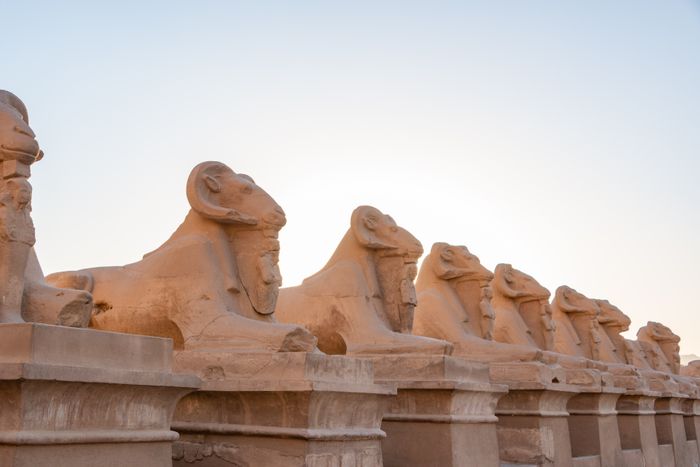
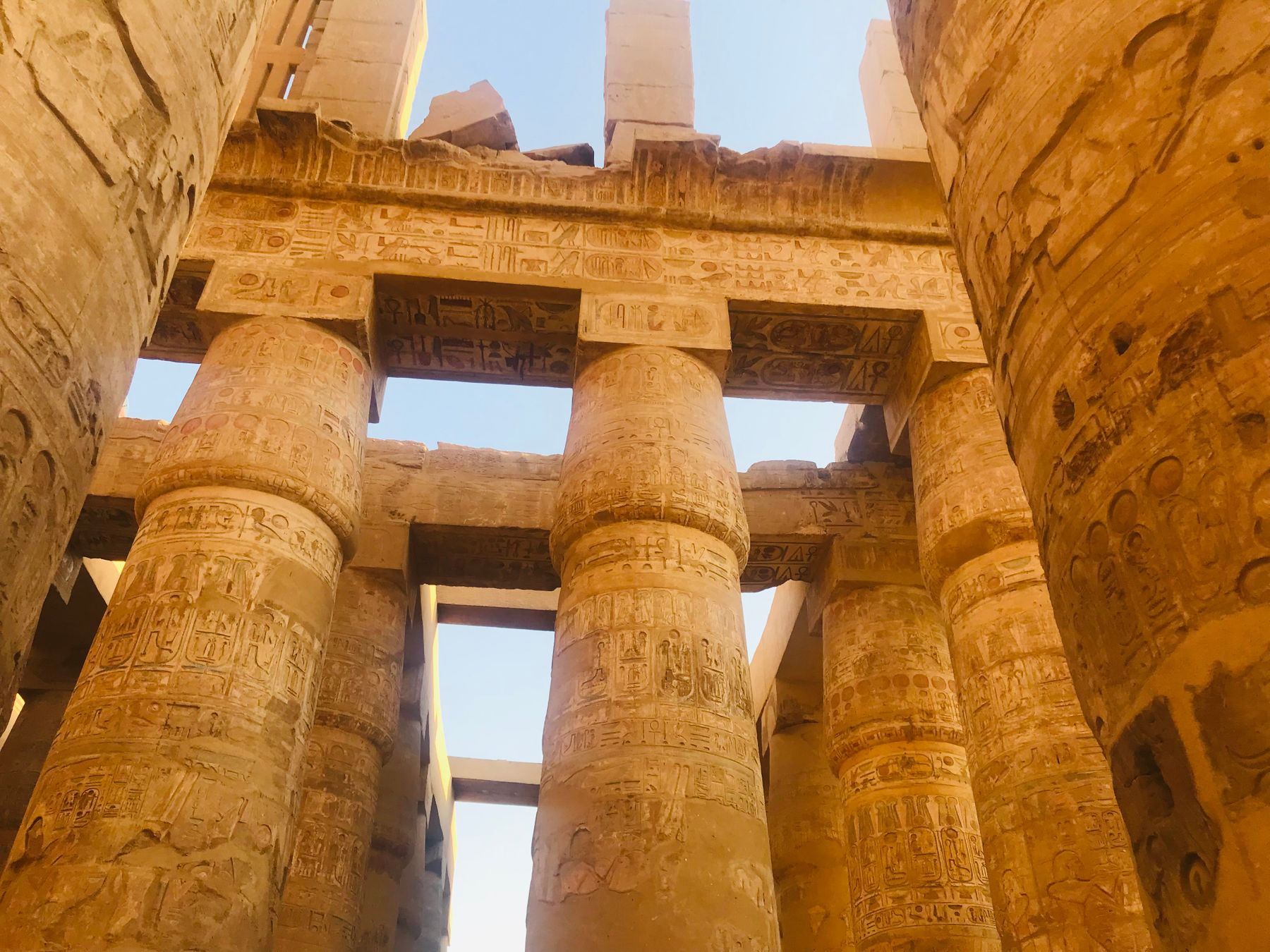
If the sky opens, head to Luxor Temple and Karnak Temple, both on the East Bank and only about 3 km apart along the corniche. Rain in Luxor is rarely sustained, so you can usually wait it out under the colonnades of Karnak's Great Hypostyle Hall, built by Seti I and Ramesses II, then walk the Avenue of Sphinxes back towards Luxor Temple. A caleche or a taxi between the two costs very little and saves you from the mud that forms quickly on unpaved side streets.
For a genuinely dry afternoon, the Luxor Museum on the corniche is the best call. It is compact, air-conditioned and houses the cache of statues found at Karnak in 1989, plus two royal mummies. Entry is modest, and you can see everything properly in 90 minutes. Combine it with the Mummification Museum a short walk north, then take tea at a Nile-view café on the corniche. If rain persists into the evening, the sound-and-light show at Karnak goes ahead in most conditions; check at your hotel reception that morning, as it is occasionally cancelled in heavy wind.
West Bank Tombs When the Weather Turns
The West Bank is where rain affects logistics most. The Valley of the Kings, about 25 km from Luxor's East Bank hotels, is reached by the road bridge north of town or by the local ferry and then a taxi. Tomb interiors are painted and humid, so on the rare wet day some tombs close temporarily to protect them. Your ticket gives access to three tombs from the standard selection, and the tombs of Ramesses III and Ramesses IX are usually excellent choices because they are deep, roofed and comfortably dry.
If rain has made the valley paths slippery, redirect to the mortuary temple of Hatshepsut at Deir el-Bahari, which has sheltered terraces and covered colonnades, or to the Valley of the Queens, where the tomb of Nefertari requires a separate, higher-priced ticket and limited timed entry. The Medinet Habu temple of Ramesses III, with its vast painted ceilings, is another strong wet-weather pick and is far less crowded. Allow half a day, and agree your taxi fare before setting off; a West Bank round trip with waiting time is typically negotiated in the hundreds of Egyptian pounds, not thousands.
Where to Stay and What to Skip
For a rain-affected trip, stay on the East Bank within walking distance of the corniche, ideally between Luxor Temple and the Luxor Museum. You get quick access to indoor sights, restaurants and the ferry to the West Bank, and you are not dependent on a long drive when streets flood briefly. Properties on the quieter streets off Sharia el-Karnak tend to be better value than the riverfront names, and many offer rooftop Nile views at a fraction of the price. Book a room with a bathtub and reliable heating if you are travelling in December or January.
Skip the hot-air balloon flight if it has rained recently; operators ground balloons in poor visibility and refund or reschedule, but you lose a morning. Skip desert jeep excursions to the Theban cliffs on wet days for the same reason. If your only rainy day falls on your last day, swap your West Bank plan for the Luxor Museum and Karnak, and keep the valley for a clearer morning. Checking into a well-located East Bank hotel makes that flexibility painless, and our partner can confirm availability and airport transfers in advance.
Questions
Does it ever rain in Luxor?+
Yes, but rarely. Luxor averages under 10 mm of rain annually, often none at all, and most showers fall between December and March as brief bursts that clear within hours. From May to September, rain is effectively unheard of. Pack a light waterproof layer for winter visits and sun protection for summer.
What can I do in Luxor on a rainy day?+
Head indoors: the Luxor Museum and Mummification Museum on the East Bank, the covered colonnades of Karnak and Luxor Temples, or sheltered West Bank sites like Hatshepsut's temple and Medinet Habu. Save the open Valley of the Kings for clearer weather if paths are slippery.
When is the best time to visit Luxor?+
October to April offers comfortable temperatures, though December to March brings the small chance of rain and higher hotel demand. May to September is hot and dry, with fewer crowds and lower rates. Book East Bank hotels near the corniche for easy access to indoor sights.