Give four days: two for the East Bank, two for the West Bank. The Nile splits the city, and crossing between the banks eats time, so days should stay on one side. Start with Karnak and Luxor Temple, then a full West Bank day for the Valley of the Kings and Hatshepsut Temple, then Medinet Habu and the Tombs of the Nobles. Check opening hours for your dates, because they change seasonally.
Why the four day split works
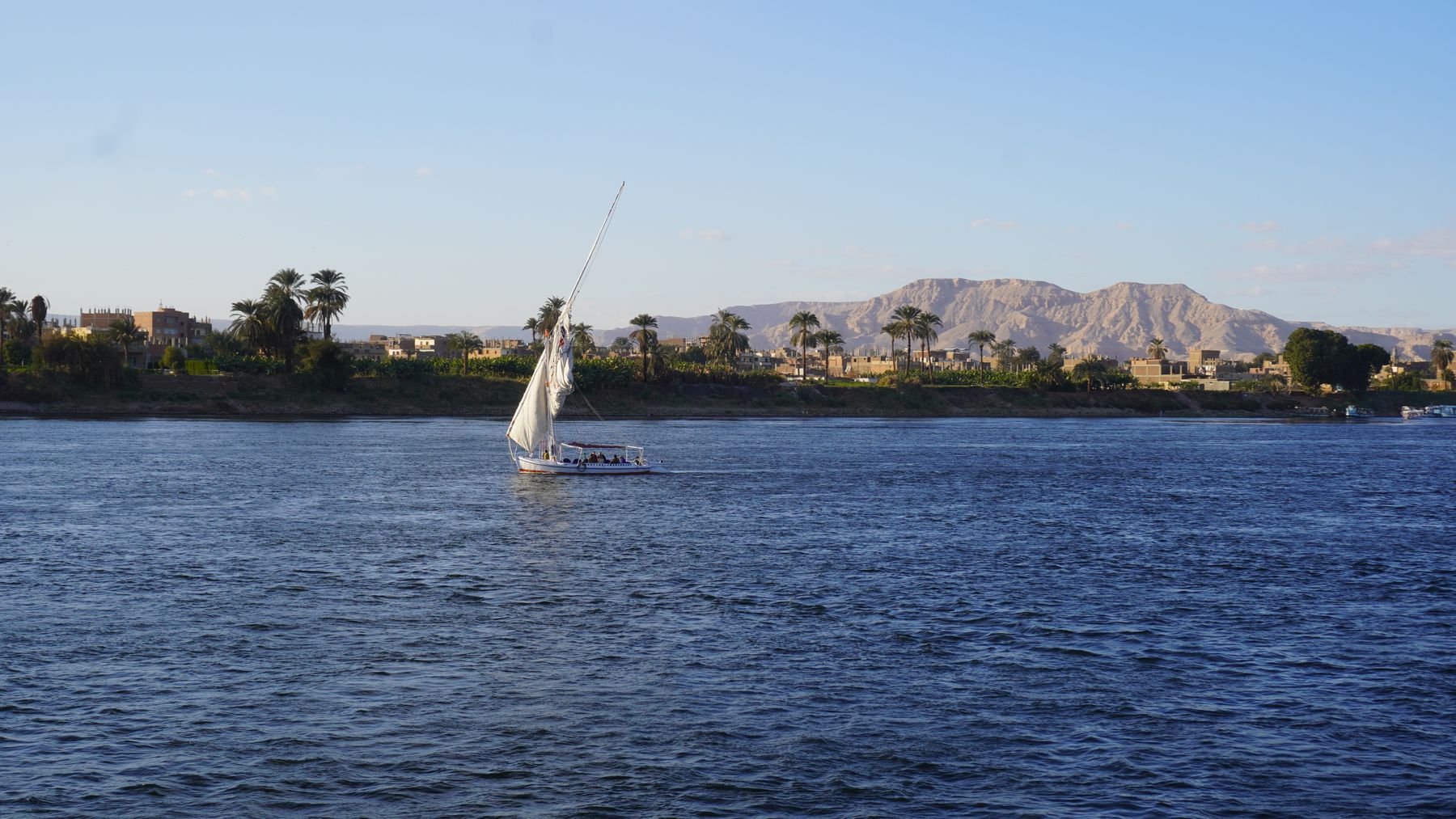
The Nile divides Luxor into two distinct halves that reward different kinds of attention. The East Bank holds the built landscape: Karnak and Luxor Temple sit within the modern city, close to the railway station and the main hotel strip. The West Bank is archaeological and funerary: the Valleys, the mortuary temples and the private tombs are spread across a wide area with limited roads. Crossing the river consumes a chunk of any day, and the Nile bridges and ferries put distance between you and the next site. A four day stay lets each bank have its own full days, so the travel tax is paid twice rather than four or five times.
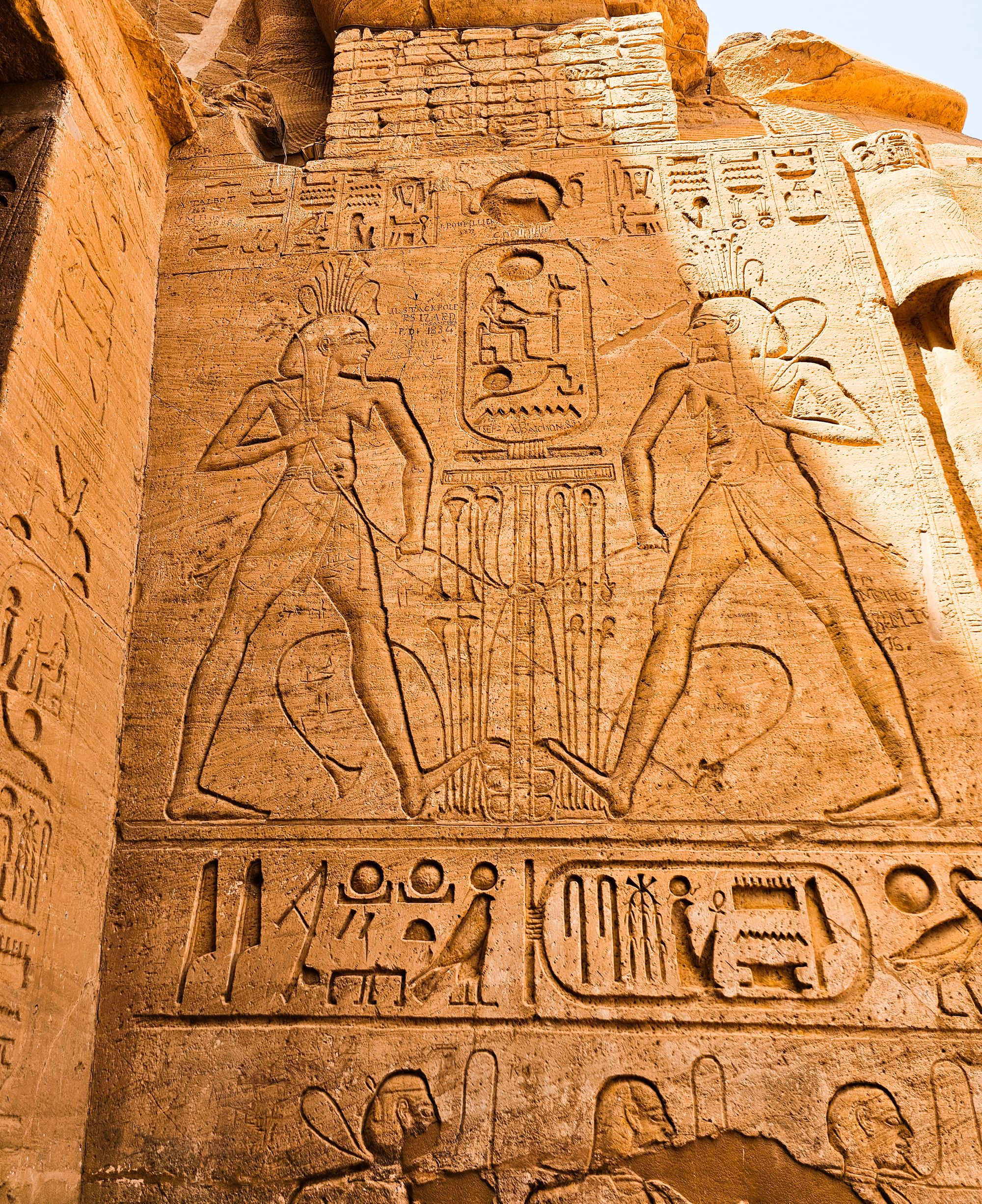
The two bank days are not interchangeable. East Bank sites are largely open ground with long processional routes; Karnak alone has several precincts and can absorb three hours without effort. West Bank days involve climbs, tomb interiors and a scatter of separate tickets, which means more decisions and more walking in heat. Giving each bank a full day keeps the pace sustainable. It also allows the final day to absorb whatever ran over: a closed tomb, a late start, a second visit to a place that deserved more time. That flexibility is what stops a long weekend feeling like a checklist.
Ways to shape the stay
These are the arrangements that fit the four day structure, with the trade off each one makes.
Building the four days
Follow this order to keep crossings down and leave room for what overruns.
Three things to walk away from
What to book and check
Accommodation should stay on one bank for the whole visit. Switching hotels mid trip wastes a morning on luggage and check in, and the two banks are not equally served by late transport. The East Bank has the wider choice of hotels and the easier access to trains, restaurants and the airport road. The West Bank is quieter and puts you close to the tombs at opening time, which matters in summer. Neither is wrong; the mistake is splitting the stay to save a few minutes on one morning. Pick the bank that matches your priorities and return to it each evening.
Opening hours at Luxor's sites change with the season and with restoration work. The Valley of the Kings, Hatshepsut Temple and Medinet Habu do not necessarily share the same schedule, and individual tombs inside the Valley close on a rotation for conservation. Ticket offices may stop selling before the site closes. Check the Ministry of Tourism and Antiquities pages, or the ticket office notice, for your specific dates rather than relying on a guidebook printed in another year. Balloon flights over the West Bank operate at dawn and are weather dependent, so confirm with the operator the day before if that is part of the plan.
West Bank tickets are usually sold per site or per group of tombs, not as one all access pass, and the Valley of the Kings ticket covers a set number of tombs with extras sold separately. Keep tickets until you leave the site; inspectors check them inside.
When the obvious answer fails
The two bank split assumes you have four usable days. If arrival or departure eats into the first or last morning, three days is the honest figure, and the second bank day becomes a half day. In that case the West Bank still deserves the full day and the East Bank can lose the museum and the souq rather than Karnak or Luxor Temple. Three days with one bank per day and one float day is workable; three days trying to cover both banks properly is not. Choose what to drop rather than what to rush.
Heat changes the arithmetic. From late spring through early autumn, midday hours are poor for exposed sites, and the practical window narrows to early morning and late afternoon. That can split a single bank across two half days without a ferry crossing in between, because the sites on one bank are close enough to return to. In cooler months the constraint is daylight instead: West Bank sites close earlier than the city, so tombs belong in the morning and Karnak can run later. Check sunset times for your dates and build the day around them.
Questions
Can four days cover both banks properly?+
Yes, if each day stays on one side of the river. Two East Bank days cover Karnak, Luxor Temple and the museums, and two West Bank days cover the Valley of the Kings, Hatshepsut Temple and Medinet Habu. Trying to mix both banks in a single day is what makes a long weekend feel rushed. For a fuller breakdown of what each bank holds, see the West Bank and East Bank pages.
Should I stay on the East Bank or the West Bank?+
The East Bank has the station, most restaurants and the larger hotels, so it suits a first trip. The West Bank is quieter and closer to the tombs, which helps if you want early starts. Crossing by public ferry takes only minutes, but it still shapes the day. Compare the two with Where to Stay in Luxor.
How do I cross the Nile between the banks?+
The public ferry runs every few minutes between the East Bank landing and the West Bank, and private boats cross on demand. A road bridge also exists south of the city, which is useful if you have a car or taxi. Build the crossing into your day rather than treating it as instant. Getting Around Luxor explains the options.
What should I do if I only have three days?+
Use one day for Karnak and Luxor Temple, one full day for the Valley of the Kings and Hatshepsut Temple, and the third for Medinet Habu or the Tombs of the Nobles. Drop the day trips to Dendera or Edfu, which need a long drive. Three days on one bank each is workable. The three day itineraries set out two ways to do it.
Do I need to book tickets in advance?+
Most Luxor sites sell tickets at the gate, and some West Bank tombs have separate tickets with rotating availability. Opening hours change seasonally, so check the operator or official page for your date before you commit to a fixed plan. Advance booking is mainly relevant for balloon flights and day trips. When to Visit Luxor covers seasonal timing.