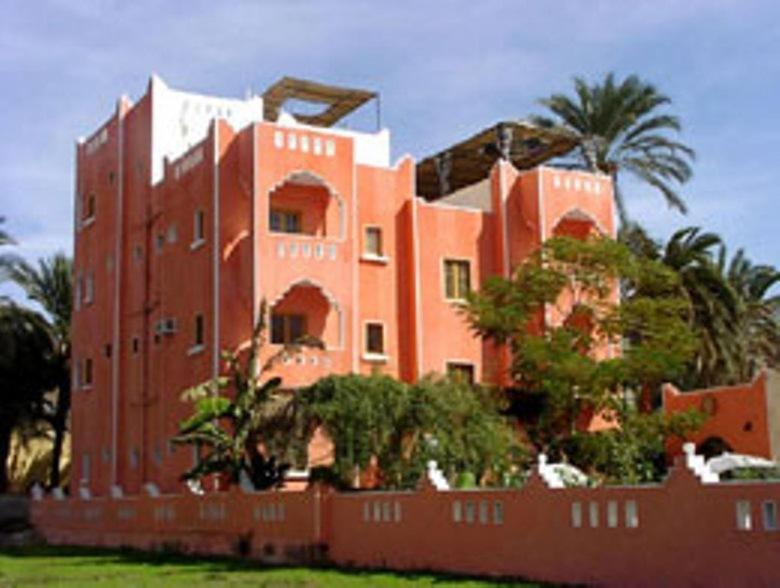
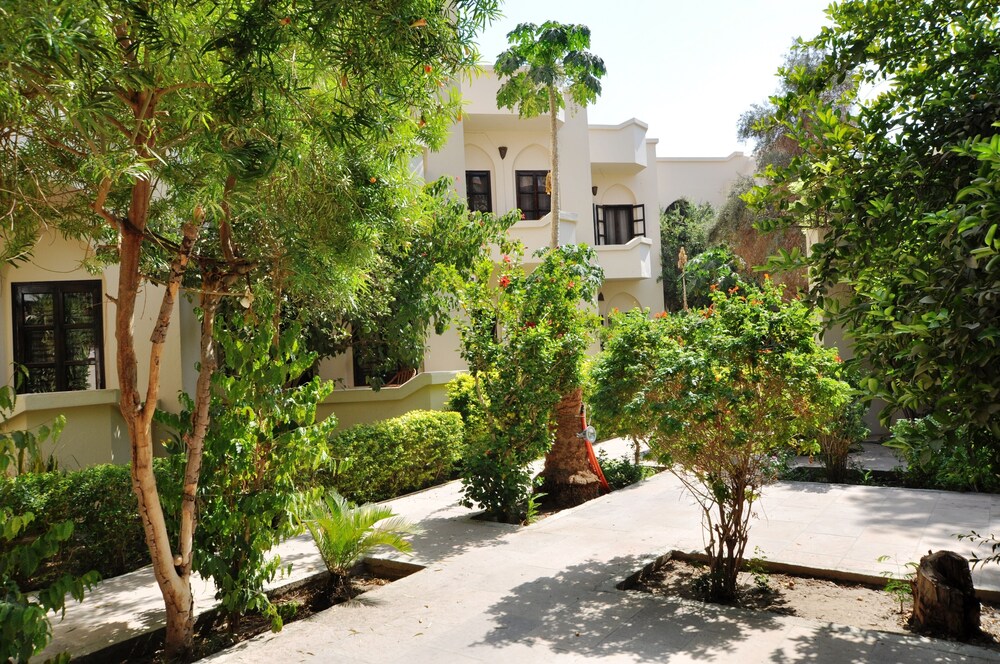
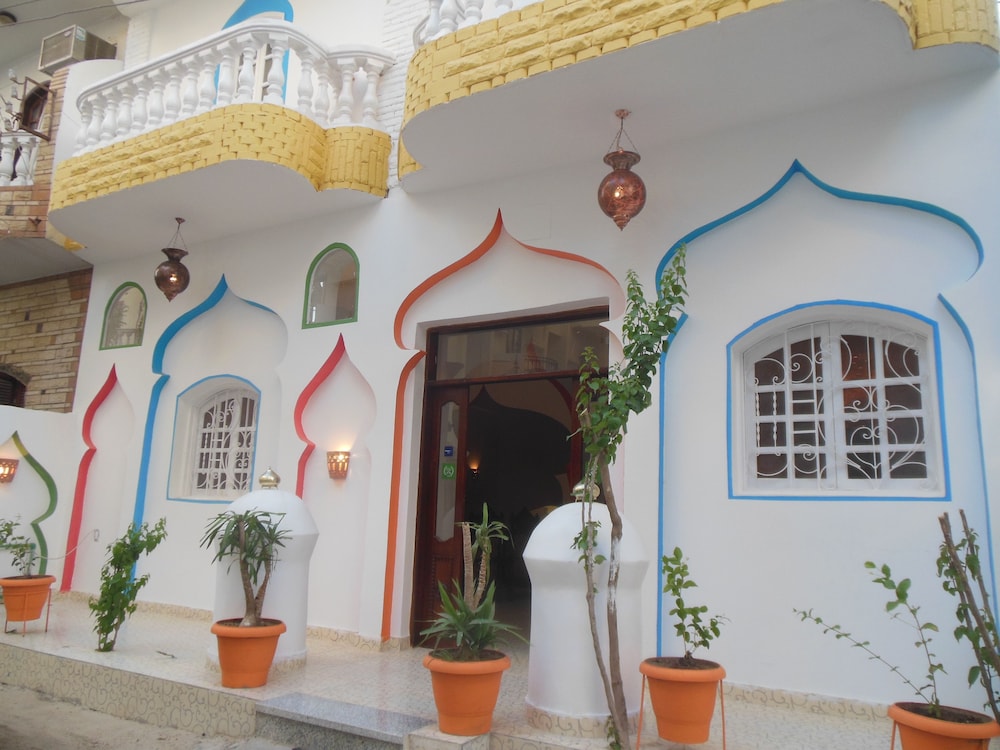
Where to stay in New Qurna: is Hassan Fathy's village worth booking?
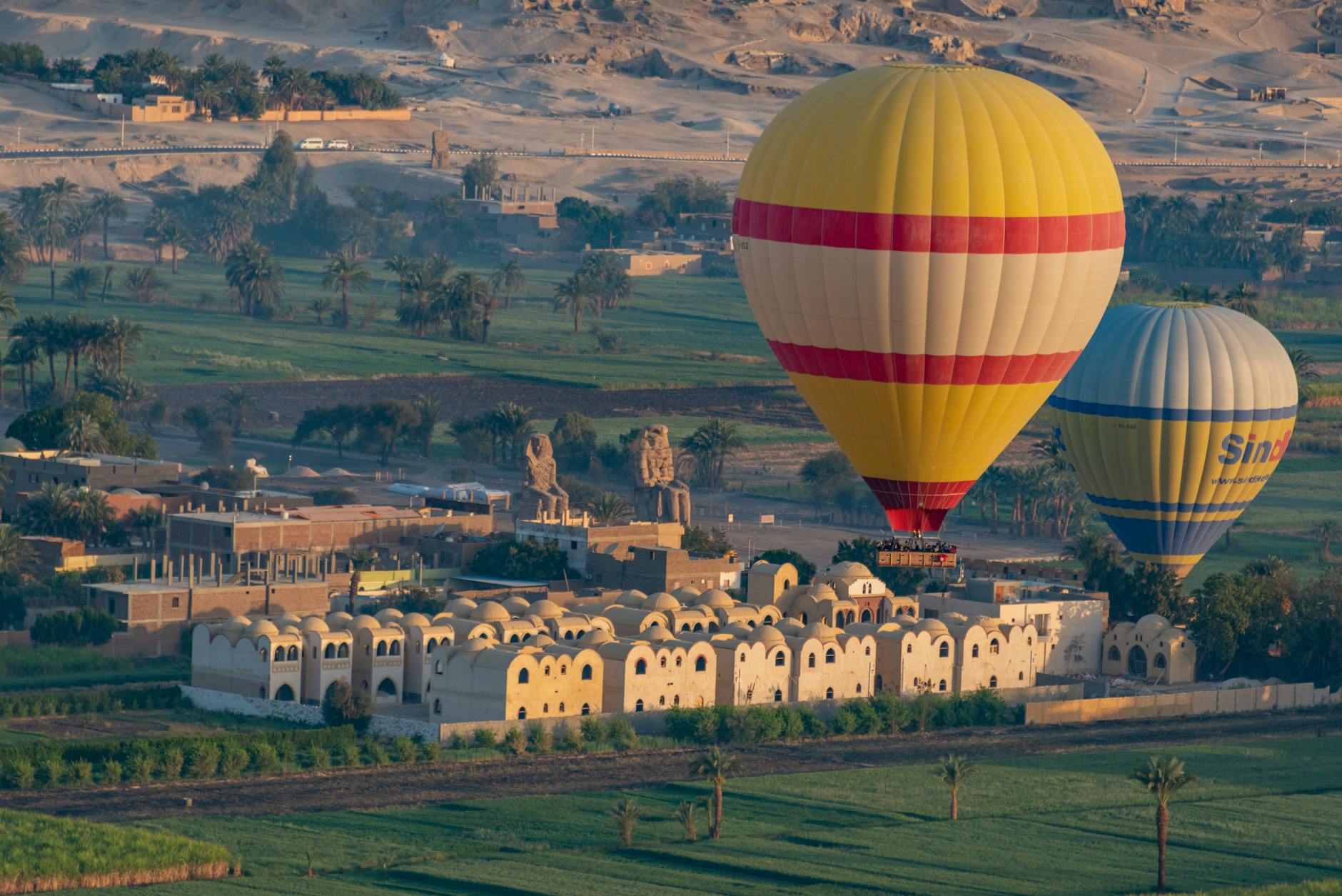 Mudbrick domes and vaults of Hassan Fathy's New Qurna village on the Luxor west bank
New Qurna sits 4 km from the Colossi of Memnon and rooms run $18-40 a night, but only a specific kind of traveller should sleep here.
What New Qurna actually is
New Qurna is the mudbrick village Egyptian architect Hassan Fathy built between 1946 and 1952 to rehouse the tomb-robbing families of Old Qurna on the hillside above the Valley of the Kings. What survives today is a fraction of the original plan: the domed mosque, the theatre, the market khan and maybe forty houses in Fathy's vaulted style, most of them altered, some collapsed, a few beautifully preserved by residents who understood what they had. It sits on the paved road between the ferry landing at Gezirat al-Bairat and the ticket office for the Theban necropolis, roughly 4 km from the Colossi of Memnon and 6 km from Medinat Habu.
This is not a resort village. There is no Nile frontage, no swimming pool infrastructure, no strip of restaurants. It is a working residential neighbourhood where children walk to school past the domed mosque and the bakery opens at five. Guesthouses here are family-run apartments and small houses converted room by room, not hotels with reception desks. The appeal is architectural and quiet, not comfort-led, and the honest question is whether you care enough about mid-century Egyptian architecture and village rhythm to trade the Nile view.
Who should book here
Architects, architecture students, and anyone who has read Fathy's Architecture for the Poor and wants to walk the streets the book describes. You will spend a morning photographing the mosque, an afternoon knocking on doors to ask if you can see interiors (most owners say yes for a small tip), and an evening drinking tea on a rooftop watching swallows come in over the sugarcane. If that sentence sounds like your kind of holiday, New Qurna is one of the more memorable nights you can book in the whole Nile valley for under $30.
It also suits repeat Luxor visitors who have already done the temples twice and want a different west bank base than Al-Qurna or Medinat Habu. Cyclists like it because the road out to Deir el-Medina and the Ramesseum is flat and lightly trafficked before eight. Slow travellers on two-week stays who want a week of nothing much happening will find the village obliges. Solo women report it as one of the calmer bases on the west bank, largely because nobody expects tourists to sleep here and touts do not work the streets.
Who should not
First-time Luxor visitors on three or four nights. You will spend too much of your short trip in a taxi getting to the Nile-side restaurants and the East Bank sites, and the village itself will not read as anything special until you have context you have not yet built. Book Al-Qurna or Medinat Habu instead — same west bank, closer to the tomb entrances, more places to eat within walking distance.
Anyone who needs a pool, a bar, air-conditioning that runs through the afternoon power dips, or a proper restaurant downstairs. Anyone travelling with small children who will not be charmed by dusty lanes and long taxi rides to dinner. Anyone whose Arabic is zero and whose patience for gesture-based communication is thin — English in the village is functional at best. And anyone who wants Nile views: you are 2 km inland and the river is invisible from every rooftop here.
What a night costs versus the rest of Luxor
Guesthouse rooms in and around New Qurna sit at $18-35 a night for a double with breakfast, occasionally up to $50 for a whole apartment sleeping four. That is roughly half what you would pay on the east bank Corniche for a mid-range hotel with a pool, and about a third of what the Hilton Luxor Resort & Spa or Sonesta St George charges across the river. It is broadly in line with the cheaper Al-Qurna guesthouses like Nile Valley Hotel & Restaurant or Shahhat House but without their proximity to the ticket office.
You are paying village prices for village accommodation, which is the fair deal. Where the arithmetic breaks is transport: budget $6-10 a day for taxis to the tomb sites and back, plus another $5-8 each time you cross to the east bank for dinner. Over a four-night stay that adds $50 or so to a headline rate that looked like a steal. Factor it in before you decide New Qurna undercuts everywhere else, because it does not quite.
What is actually within walking distance
The Hassan Fathy mosque, obviously, and the surviving theatre building beside it — both five minutes on foot from anywhere in the village. The old khan (market hall) still functions as a small local souk in the mornings. There are two or three ahwas (coffee houses) on the main street where men play dominoes and will wave you over to sit if you look interested. A bakery, a fruit stall, two small groceries. That is the walkable inventory, and it takes about forty minutes to see all of it.
The Colossi of Memnon are a 45-minute walk or a $2 tuk-tuk ride west. The Ramesseum is another 20 minutes beyond that. The Valley of the Kings is 8 km away and needs a taxi. The Nile ferry landing at Gezirat al-Bairat is 3 km east, walkable in fifty minutes on a cool morning, or $3 in a tuk-tuk. No proper restaurants in New Qurna itself — the nearest sit-down meals are at the guesthouses in Al-Qurna or on the Gezira strip near the ferry.
Where the beds actually are
The site's inventory for this specific village is thin because most Fathy-era houses are lived in, not let. What you will find nearby, in the same rural west bank pocket between the ferry and the ticket office, are the small guesthouse-style places that share New Qurna's character and price band: Nile Valley Hotel & Restaurant, Shahhat House, Nefertarie Guest House, Adam and Eve House, and Villa Al Diwan Luxor if you want a slightly smarter room. All of these sit within a 3 km radius of the Fathy mosque and function as de facto New Qurna bases.
If you want to actually sleep inside a Fathy-designed structure, ask specifically when you book — a handful of village families let single rooms in original vaulted houses through informal arrangements that never appear on booking sites. Prices in that case are negotiated on arrival, usually $20-25 with breakfast, and the standard is basic: fan not air-con, shared bathroom, mattress on a low platform. It is exactly the experience the architecture demands, which is either the whole point or an immediate deal-breaker.
The honest verdict
Book New Qurna if you have a specific reason — the architecture, a long slow stay, a second or third Luxor visit — and one or two nights, not a whole week. Pair it with three or four nights in Al-Qurna or on the Corniche so you get both the village texture and the temple access without the taxi bill eating your budget. Come in the cooler months, November through March, because mudbrick houses without proper air-conditioning are genuinely hard work from May onward.
If you are here for temples and a comfortable holiday, book across the river or right next to Medinat Habu and visit New Qurna for a two-hour morning walk instead. It is a place worth seeing. It is not, for most travellers, a place worth sleeping. The distinction matters, and hotel-guide sites rarely draw it because a booking is a booking. This one is a night's stay only when the architecture itself is what you came for.
Before you book
The questions people ask about East Bank, answered with this month’s numbers.
Some, yes. The mosque is open during prayer times. The theatre is usually locked but a caretaker will open it for $2-3. Private houses depend on the owner — knock, ask, offer a small tip, expect either a warm welcome or a polite no. Do not photograph interiors without asking.
Take a taxi from the airport to the Gezirat al-Bairat ferry landing, cross on the car ferry with the driver, and continue 3 km west to the village. Total cost around $18-22 and 45 minutes. Your guesthouse can arrange a fixed-price pickup if you message ahead.
Not really. Two small ahwas serve tea, coffee and sometimes fuul or ta’amiya in the mornings. For a proper dinner you walk or tuk-tuk to the Al-Qurna guesthouses, most of which serve non-guests, or cross to the east bank. Budget $5-8 for a full meal at guesthouse restaurants.
Yes, it is a quiet residential village and street lighting is adequate on the main lanes. Side alleys go properly dark, so carry a phone torch. Solo women report no issues walking to a nearby guesthouse for dinner, but arrange a tuk-tuk back rather than walking the 3 km to the ferry at night.