Luxor weather transitions: the six week-by-week turns that change how you pack
 Late afternoon sun and shifting shadows over the West Bank hills in late October
The tourist calendar hides six sharp weather shifts — nine-degree overnight drops, dust arriving in a single afternoon, the September flip — that decide whether you brought the right clothes.
Why 'month by month' misses what actually happens
The standard month-by-month Luxor guide gives you an average high and an average low and moves on. This works for a rough sense of the year but hides the truth: Luxor's weather shifts in sharp, dateable turns, not gradual month-scale slopes. Six of these transitions matter for practical trip planning. Understand where they fall and you pack correctly, book the right rooms, and adjust your itinerary before the weather does it for you.
The turns are: the mid-October cooling (weeks 41-42), the first Nile chill (early December), the mid-January warming (weeks 3-4), the khamaseen ignition (mid-March), the June wall (first week of June), and the September opening (last week of September). Each is real, each is predictable within about seven days, and each changes what you should be doing. This is the part of the calendar experienced guides know and travel copy never explains.
The mid-October cooling: it happens in a week
Between roughly 10 and 17 October, Luxor's temperatures drop from 34-37°C highs to 28-31°C. Overnight lows fall from 22°C to 16-18°C. This is not gradual — it happens within about seven days as the summer high-pressure system finally breaks. If you booked mid-October three months ago expecting warm evenings, the transition can catch you out: dinners on the Corniche at 20.00 that were shirt-sleeve pleasant on 8 October need a light layer by 18 October.
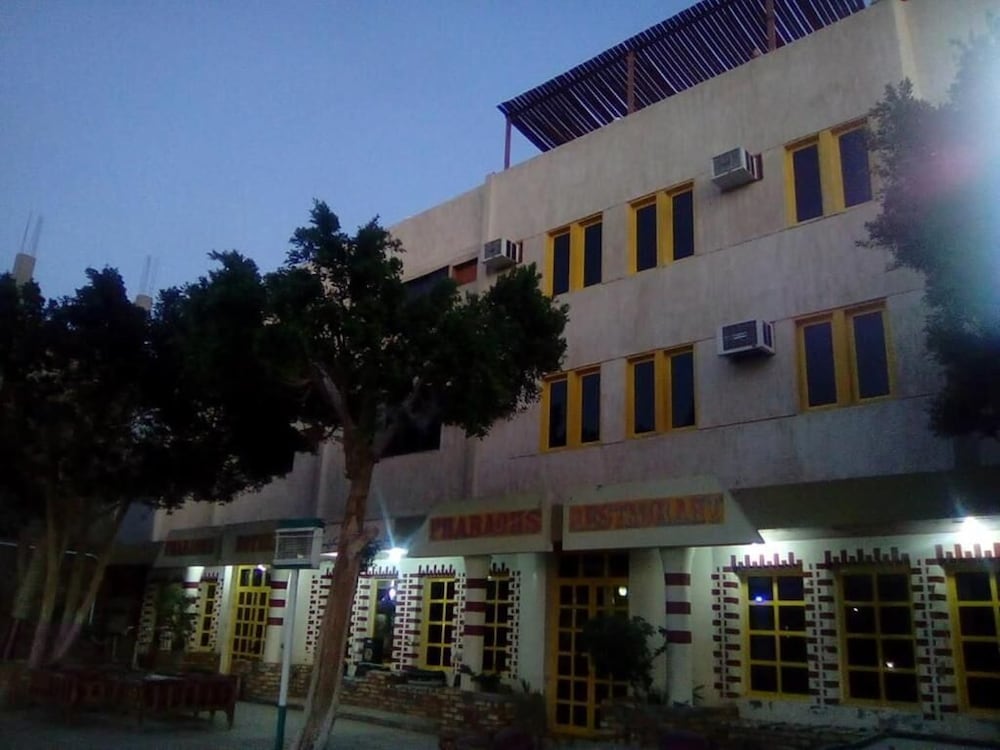
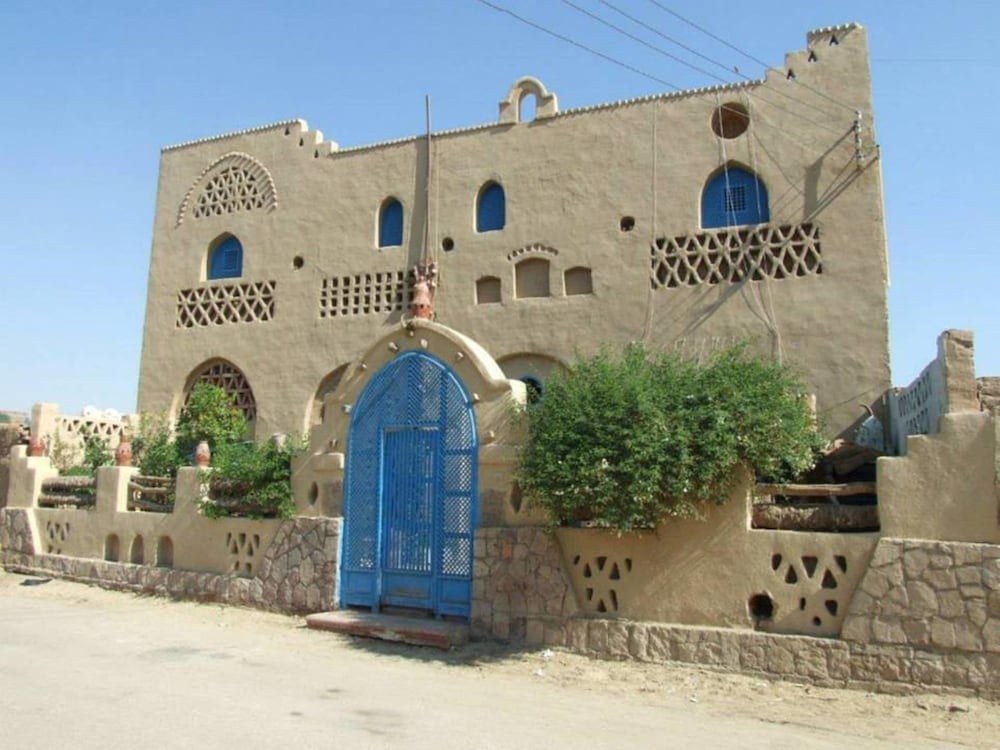
Book accordingly. Rooms that don’t heat effectively — some of the older West Bank guesthouses like El Fayrouz Hotel and El Nakhil Hotel — are marginal by the last week of October when overnight lows can dip to 14°C. If you’re booking early October, they’re perfect. If you’re booking after the 20th, ask specifically about heating. Four-star hotels don’t have this issue but their pool temperatures also drop in this transition — pool water goes from 27°C to 21°C between weeks 41 and 43. If pool time matters, book a heated pool from mid-October onwards; Hilton Luxor Resort & Spa and Steigenberger Nile Palace both run heaters through winter.
The first Nile chill: early December surprise
The second transition catches more people out. Between about 1 and 10 December, overnight lows drop from 12-13°C to 7-9°C. Two mornings in most Decembers hit 5°C, which is genuinely cold in rooms built for hot climate. The Nile itself cools; water temperature drops from 22°C in mid-November to 17°C by mid-December, and it stays there through February. A felucca at sunset that was pleasant in November needs a fleece and long trousers by early December.
This transition is where 'winter clothes' become a real packing category, not a nominal one. A single fleece, long trousers for evenings, and covered footwear are essential from about 5 December onwards. Balloon flights get colder too — pre-dawn temperatures at 04.30 pickup can be 6-8°C in December, and the flight itself is windy. Operators offer blankets but they’re threadbare. Bring your own layer if you’re flying between mid-December and mid-February. This is also when hotels start turning heating on in guest rooms, and the older properties reveal which ones have functional systems and which ones don’t.
The khamaseen ignition: the year's most disruptive week
Between roughly 10 and 20 March, khamaseen dust storms begin. Not a gradual dustier season — a specific week when the first proper dust event happens. This is often the single most disruptive weather week of the year for visitors. Visibility can drop from 20km to under 500m within four hours. Balloon flights cancel. Dendera and Abydos day trips get called off. Photography goes flat. The dust penetrates everything: rooms, luggage, camera sensors.
You cannot forecast the exact week reliably; different years, it hits anywhere between 8 and 25 March. But you can pack for it: a proper scarf or shemagh (buy locally in the souq for around $4-6, better than anything you’d bring), sunglasses that seal against dust, a small pack of camera cleaning wipes, and asthma medication if you use it. Don’t book crucial single-day activities in the third week of March. If you’re on a fixed itinerary and khamaseen hits your Abydos day, the Luxor Museum and Mummification Museum are your indoor backup and both are genuinely good — treat it as bonus museum time and reschedule outdoor sites for after the storm clears, usually within 48 hours.
The mid-January warming: a real Luxor microseason
Between roughly 15 and 25 January, Luxor has a brief warming that is not on the average charts because it doesn’t happen every year, but it happens most years. Daytime highs jump from 20°C to 25-27°C for about a week before dropping back into the low 20s at month's end. Overnight lows briefly rise to 12-14°C. This is when heated pools become genuinely swimmable for European visitors who find winter Luxor cool at first, and when balloon flights hit their smoothest, longest window of the entire year.
Practically, this microseason is why late January can feel dramatically warmer than early January despite what the monthly averages say. If you’re planning a January trip and have flexibility, dates from about 18-28 January are the sweet spot within the coldest month. Coptic Christmas travel has ended by 12 January, prices have dropped from the December peak, and you get a week of near-February conditions with January pricing. Hilton Luxor Resort & Spa can run $145-165 in this window versus $200+ two weeks earlier.
The June wall and the September opening
The June wall is the transition from tolerable early-summer heat to full summer. Between roughly 1 and 8 June, overnight lows jump from 22°C to 26-27°C and stay there through August. Once nights fail to drop below 25°C, you stop recovering between days. This is the actual definition of when Luxor becomes hard, not July on the calendar. If you’re doing a shoulder trip, book it before 5 June and you get late-May conditions; book after 10 June and you get high-summer conditions, and this seven-day gap changes everything.
The September opening is the mirror image. Between roughly 22 and 30 September, overnight lows drop from 25-26°C to 20-22°C. Sleep quality improves overnight. Nile cruises resume as the fleet returns from summer maintenance — first sailings usually 20-25 September. Balloon operators return to full dispatch. Hotel prices begin to firm up from mid-September lows. The last week of September and first week of October are, by my reckoning, one of the three best travel windows in the entire year: shoulder pricing, empty tombs, and the first real evenings you can sit out in for hours on the Corniche.
How to use the six-transition calendar for booking
Layer this over the standard month-by-month view and it changes bookings. If you were considering 'October', target 20 October to 5 November, not the first two weeks — you get the post-transition cool without yet paying the winter premium that kicks in mid-November. If you were considering 'February', target the first ten days before half-term — post-January warming, pre-half-term pricing. If you were considering 'March', target the first ten days before khamaseen risk peaks. If you were considering 'May', target the last week before the June wall; if you can only travel in June, target the first four days.
For high summer, the answer is usually 'don’t', but if you must, target the last week of September as the opening completes rather than actual August. And for the winter core — mid-December to mid-February — the transitions matter less because you’re inside a stable cold-desert pattern, but the mid-January warming is the value pocket. This isn’t about avoiding weather; Luxor's weather is mostly predictable and mostly good. It's about matching the specific week to what you actually want to do.
Before you book
The questions people ask about West Bank, answered with this month’s numbers.
The mid-October cooling and September opening are the most reliable, hitting within a five-day window in most years. Khamaseen ignition varies most — anywhere from early to late March. The June wall is highly reliable. The mid-January warming happens in most years but not all. Treat the dates as targets, not guarantees, and give yourself a two-day buffer either side.
Only indirectly, through demand. The mid-January warming isn’t priced into flights (airlines use monthly demand curves) so it's a genuine bargain window. The pre-June-wall pricing collapses because airlines see June as a summer month generally. This is where flexible dates save money — check the whole first week of a month, not just the middle.
A scarf or shemagh, sealed sunglasses, dust-resistant clothing (avoid pure black which shows every particle), lip balm, and eye drops. Waterproof your camera at minimum with a plastic bag; better, a proper dust cover. If you use asthma medication bring extra. Buy the scarf in the souq on day one rather than pre-buying at home.
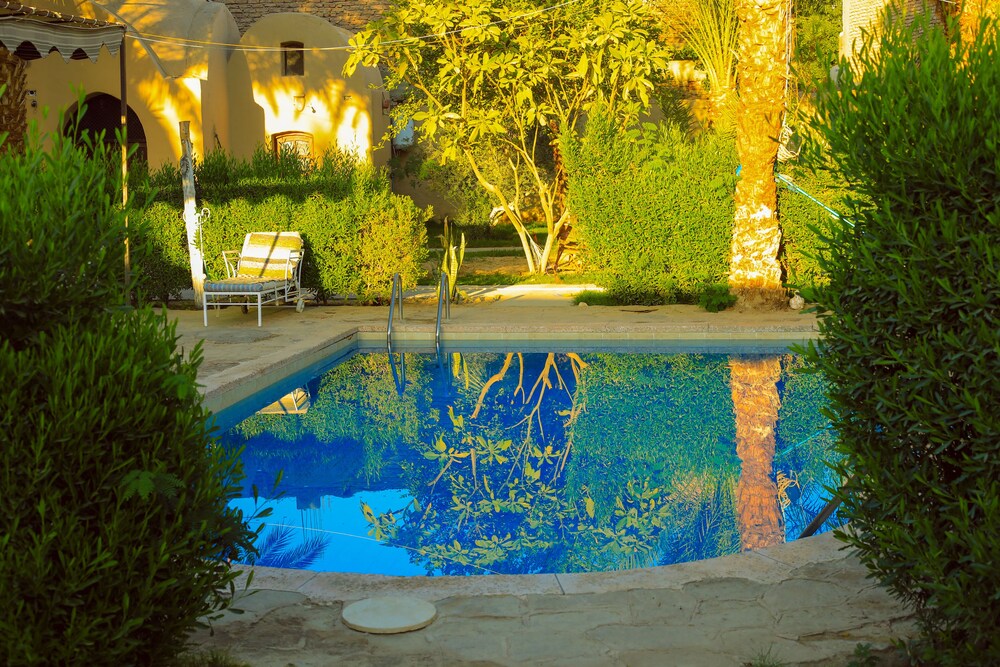
Yes, and it catches people out. Unheated pools track ambient temperatures with a two-week lag. A pool that's 27°C in mid-October is 22°C by 1 November and 17°C by December, at which point it's not swimmable. Only heated pools work November through March. Confirm heating specifically when booking, because 'pool' on a listing doesn’t mean 'usable pool in the month you’re arriving'.