Luxor in Summer: A 4-Day Heat-Adapted Itinerary That Doesn’t Kill You
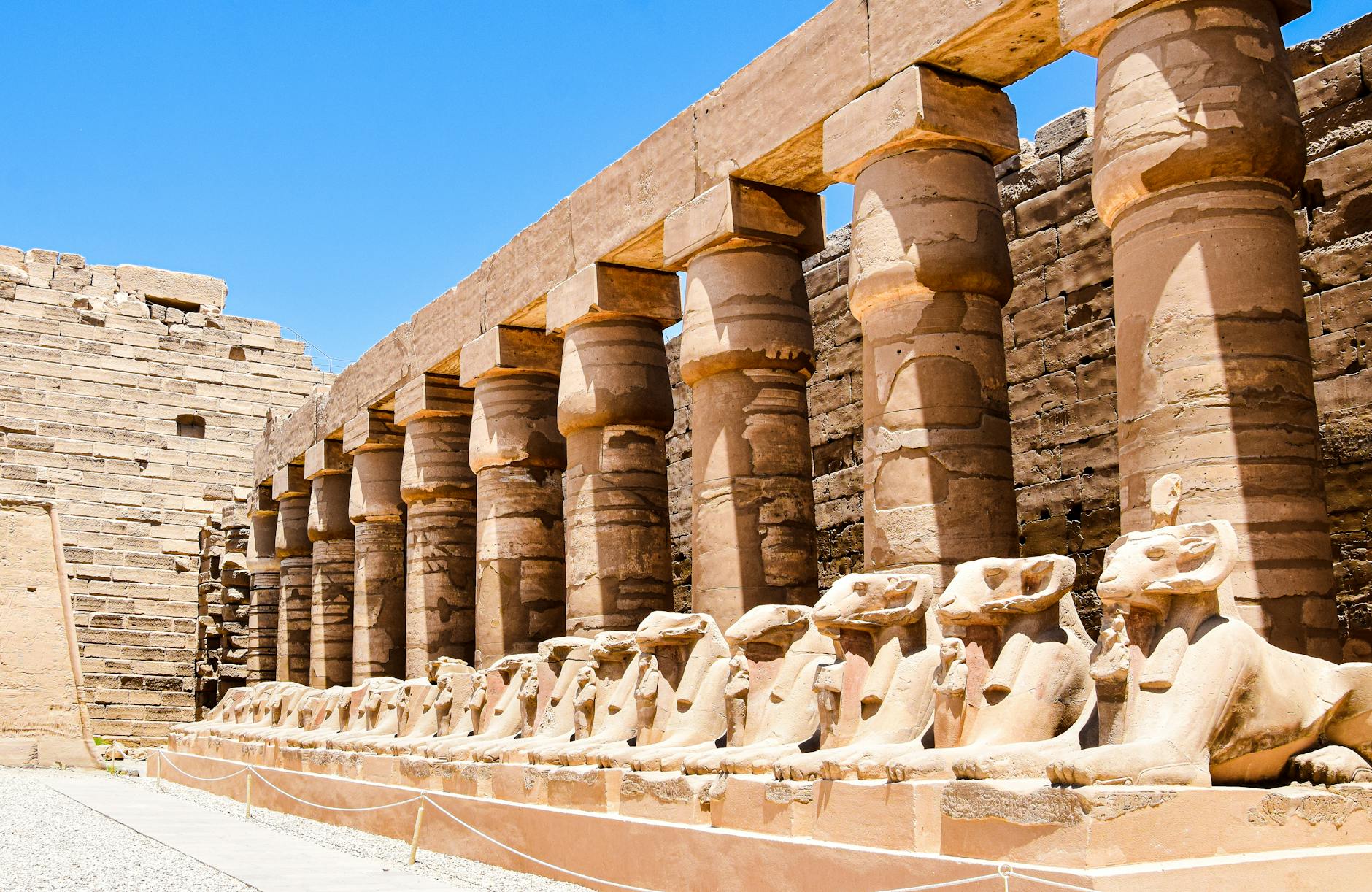 Empty temple courtyard in early morning light with shadows still cool on the stone
How to see the major sites when the mercury reads 45°C, built on a strict 5am-11am and 5pm-8pm schedule and 5 hours of pool time daily.
The June-to-September problem, spelled out
Luxor from mid-May through mid-September is one of the hottest inhabited places on earth. Afternoon temperatures routinely hit 42-46°C, and the West Bank valleys with their reflective limestone can feel five degrees hotter. Standard itineraries built for December do not work; a 10am arrival at the Valley of the Kings in July is a genuine health risk, not just a discomfort. Every year tourists collapse and every year the ambulances are on standby at Hatshepsut for exactly this reason. The heat is not a background factor here. It is the whole problem to solve.
The upside is that summer prices drop dramatically: hotel rates fall 40-60%, the good hotels are half-empty, and you can walk into Karnak at 6:30am with almost nobody there. If you build the trip around the heat rather than trying to power through it, summer Luxor is genuinely a bargain. This plan uses a 5:00-10:30am morning window, a 4:30-8:30pm evening window, and mandatory pool time in between. It is the only structure that actually works from June through August.
Day 1: arrive smart, do nothing outdoor
Fly in at any time and go straight to the hotel. Do not attempt a site on arrival day; you are not acclimatised and you will pay for it tomorrow. Pick a hotel with a serious pool: Hilton Luxor Resort & Spa (best pool complex, $110-160 in summer), Steigenberger Resort Achti ($90-130), Jolie Ville Hotel & Spa Kings Island Luxor (on an island in the Nile, $100-140), or Iberotel Luxor by JAZ ($100-140). The pool is not a luxury on this trip; it is the survival tool that lets you keep visiting temples.
Spend the afternoon in the shade by the pool. Drink more water than you think reasonable — three litres a day minimum, more if you are sweating, plus one bottle with electrolytes. At 5:30pm walk or taxi to Luxor Temple. Temperature has dropped to a manageable 34-36°C by then, and the temple stays open until 9pm year-round, so you get golden hour, sunset and the floodlights coming up. Dinner at Sofra with the air conditioning cranked. Bed by 10pm because tomorrow starts at 4:30am.
Day 2: Karnak before the sun has any weight
5:00am taxi to Karnak, be at the gate by 5:45 for the 6am opening. The first 90 minutes are the only comfortable outdoor hours of the day in July. Temperature at 6am is around 26-28°C; by 10am it is already past 38 and climbing. Do the hypostyle hall, the Hatshepsut obelisk, the sacred lake, and get out by 8:30. Breakfast at a Corniche café or back at your hotel, then straight to the pool by 10am. Stay there through the afternoon.
Do not attempt anything outdoor between 11am and 4pm in summer. This is not being soft; it is the local rule. Egyptians do not work outside in Luxor in these hours in July, and neither should you. Read, swim, nap. At 5pm go to the Luxor Museum, which is air-conditioned and takes 90 minutes of pleasant walking. Emerge at 6:30 for a slow walk along the Corniche as the temperature drops. Dinner at Al-Sahaby Lane rooftop for a river breeze. Bed early again.
Day 3: the West Bank at 5:30am or don’t bother
This is the trip's hardest day. 4:15am wake-up, 4:45 in a private car (arranged the day before, $30 round-trip), 5:15 crossing the bridge or the ferry to the West Bank. At 5:45am at the Valley of the Kings gate for the 6am opening. You have exactly two hours before the sun turns punishing: two tombs from the standard three, then Seti I if the queue is short. Out by 8:15, straight to Hatshepsut for 30 minutes on the terraces before the light gets vertical. Home to the East Bank by 10am, in the pool by 10:30.
Do not attempt the Ramesseum, the Valley of the Queens or Medinat Habu on the same morning in summer. The temptation is real because they are all there, but heat exhaustion is cumulative and you will spend the next 36 hours recovering. Save Medinat Habu for a late afternoon on day four. Spend the rest of day three fully horizontal, and drink 4 litres of water minimum. Evening: felucca sunset at 6:30pm for a cooling breeze on the water and an easy dinner.
Day 4: one more site, then out
Depending on your onward flight, day four is either a repeat East Bank morning or a West Bank late afternoon. If you have a morning flight, sleep in and go. If you have an evening flight or a late morning departure, get up at 5:30am for a return to Karnak (you missed the outer precincts, and the second visit is quieter) or for the Mummification Museum at its 9am opening. Small, air-conditioned, 90 minutes, worth it.
If you have a full final day, do Medinat Habu at 5pm when the outer walls finally get some shade. The site closes at 6pm in summer, so 5-6pm is tight but doable. Alternative: take a felucca to Banana Island for two hours in the late afternoon ($30 for the boat), then a farewell dinner at 1886 in the Winter Palace. The Winter Palace's colonial dining room is worth $60-80 a head at least once, and its air conditioning is ferocious.
Where to sleep in summer
Pool quality is more important than location in summer. The four hotels with the best pool complexes are Hilton Luxor Resort & Spa (multiple pools, adult-only section, best food poolside), Steigenberger Resort Achti (large pool, good shade), Jolie Ville Hotel & Spa Kings Island Luxor (island setting, actual river breeze), and Pyramisa Hotel Luxor (biggest pool by area, older facilities). All four run $90-160 in summer, down from $150-250 in winter.
Skip the West Bank hotels in July and August. Al Moudira Hotel has a lovely pool but the hotel is a car ride from every site, and the local restaurants close early during the summer lull. Villa Al Diwan Luxor and the smaller guesthouses often lack the industrial-grade air conditioning that a Luxor summer actually requires. Save the West Bank for October-March. On a budget, Emilio Hotel has a rooftop pool and runs $30-45 in summer; it is not luxurious but it works.
The four rules that matter
One: never attempt a site between 11am and 4pm from mid-May to mid-September, no exceptions. Two: drink water constantly, and one bottle a day should be an oral rehydration solution or an electrolyte tablet in water; plain water alone can become dangerous with heavy sweating. Three: wear a real sun hat (not a baseball cap) and long light sleeves; the sun in Upper Egypt is a physical force, not a mood. Four: build in one full rest day if your trip is longer than four days.
The temptation in summer is to push through because the flights are cheap and the hotels are empty and it feels wasteful not to sight-see. Push through and you will spend day three in the hotel with a fever, ordering room service and cancelling the balloon flight you already paid for. Every experienced Egypt traveller has done this at least once. Adopt the schedule above and you will actually see the sites, keep your appetite, and come home telling people summer Luxor is a bargain.
Before you book
The questions people ask about East Bank, answered with this month’s numbers.
Genuinely dangerous. Heat exhaustion and heat stroke send tourists to Luxor's hospitals every summer, and the Valley of the Kings has fatalities every few years. Follow the schedule above and hydrate properly and you are fine; ignore it and try to see three sites at midday and you are the story.
Yes, and it is arguably better. Launches happen at first light around 5:00am, before the heat arrives, and the desert cool at altitude is genuinely pleasant. Costs are the same or slightly lower than winter ($85-100). Book the night before through your hotel.
If you have the flexibility, yes. November through February is dramatically more comfortable and only 30-50% more expensive. But summer is real value: hotels half price, sites empty, and if you follow the heat-adapted schedule, you see everything. It is a legitimate way to visit Luxor for anyone tied to school-holiday dates.