The Nile Cruise Alternative: A 5-Day Land-Based Route Luxor to Aswan Direction
 Traditional dahabiya moored at Esna with the temple visible behind palm trees
How to see Esna, Edfu and Kom Ombo the temples every cruise stops at without stepping onto a cruise ship, for around $500 less and with actual free evenings.
Why replace the cruise
A standard Luxor-to-Aswan cruise is four nights, three temples, one felucca stop, and a lot of buffet. It sells itself on convenience and it delivers exactly that. What it does not deliver is any evening in a real town, any dinner not served on the boat, any morning where you sleep past 6am. If those things matter to you, a five-day land-based route through the same temples costs less, gives you actual evenings, and lets you skip the temples that bore you.
The route is simple. Two nights in Luxor, one night in Esna or Edfu, one night in Kom Ombo or straight through to Aswan, then Aswan itself. You use a hired car with driver for the driving legs at about $80-120 per leg, or the train for the longer hops at $8-15. You need to book hotels in advance in the smaller towns because inventory is thin. This is the trip experienced Egypt travellers switch to on their second visit.
Day 1 and 2: Luxor as the anchor
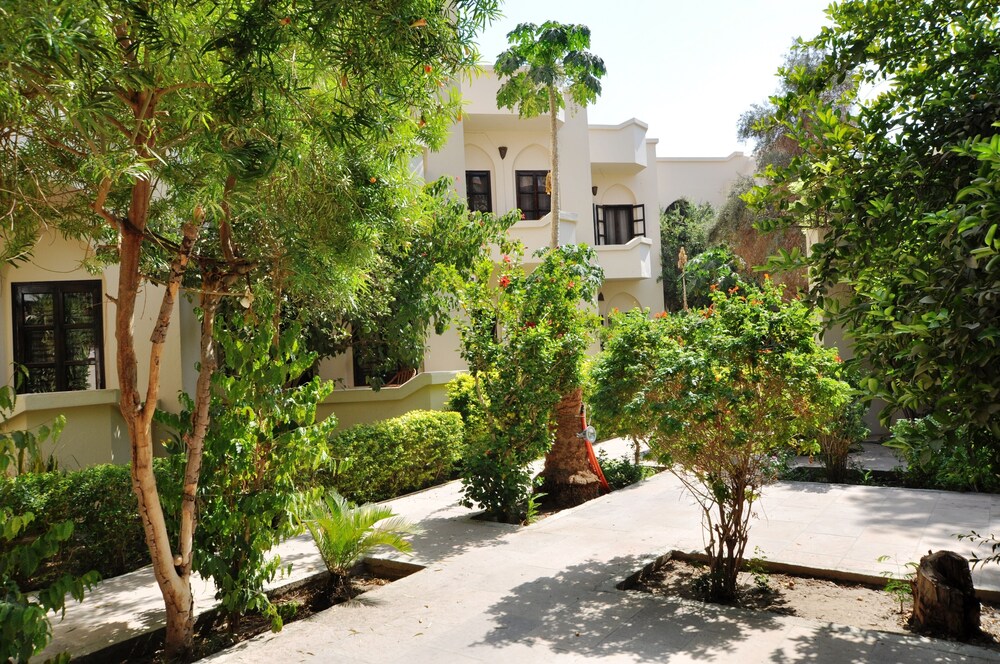
Do the standard Luxor two-day spine: Karnak and Luxor Temple day one, West Bank day two. Sleep both nights on the East Bank so you can walk to dinner. Steigenberger Nile Palace at $110-150 or Sonesta St George Hotel Luxor at $130-170 are the sensible mid-range picks. On a budget, Emilio Hotel at $50-70 has a rooftop pool and puts you eight minutes from Luxor Temple. This is the part of the trip where you burn through the marquee sites and eat well.
Book your car for day three the night before through the hotel, not through a Corniche tout. The going rate for a Luxor-Esna-Edfu run with a night stop in between is $120-160 including the driver's overnight expenses. Confirm they will actually wait at each temple rather than dropping you and re-negotiating. Get a phone number and a written price. If the hotel manager is booking, they will hold the driver accountable, which matters when you are 60km south of Luxor and something goes wrong.
Day 3: Esna and its dusty little temple
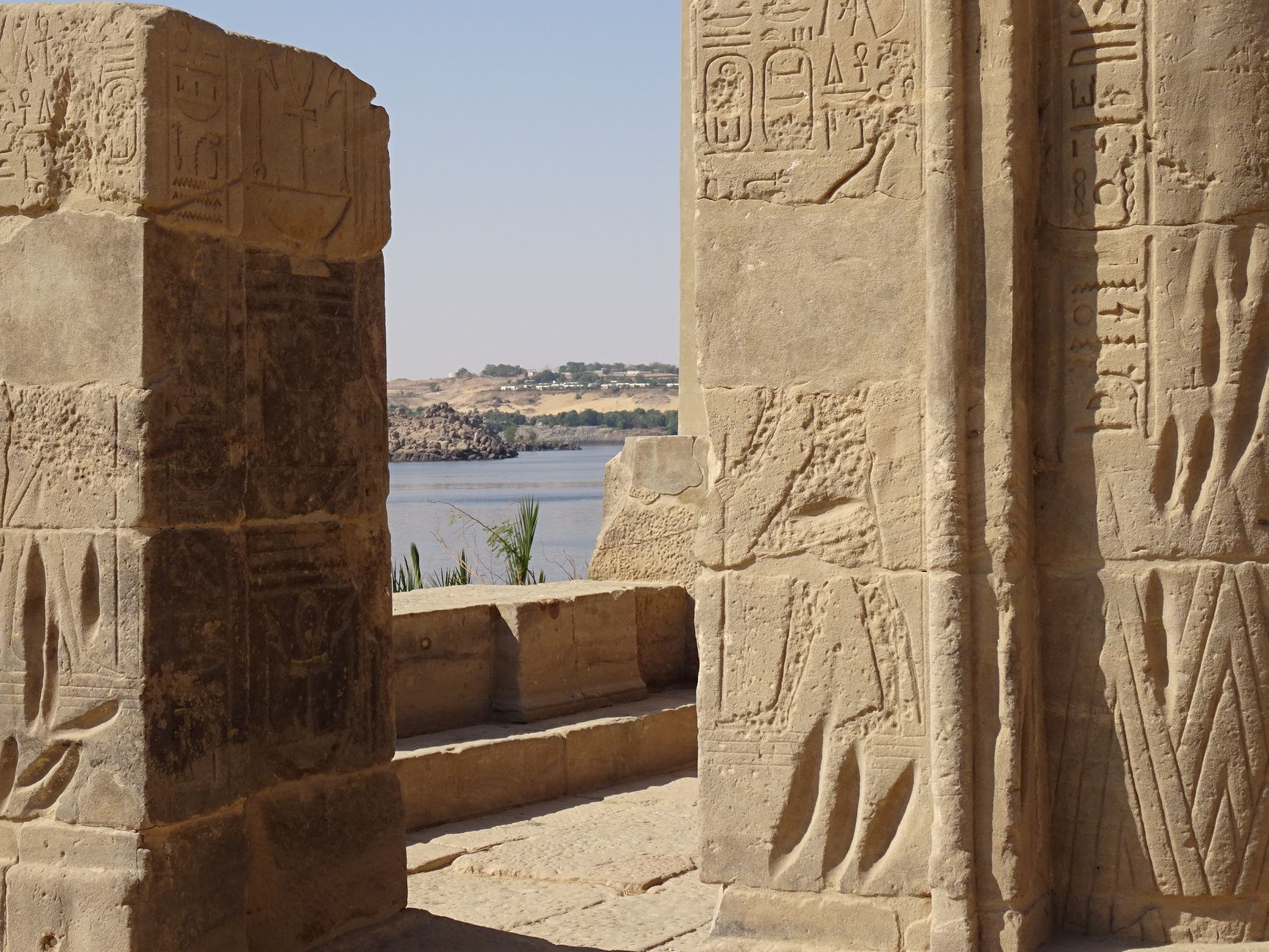
Leave Luxor at 8am. Esna is 55km south, an hour by car. The Temple of Khnum sits in a nine-metre pit below street level because the modern town has grown up around it. It is small (one hall, brilliant painted ceiling recently restored, no queue) and takes 45 minutes. Entry is $8. What makes Esna worth an overnight is the town itself: a working Nile port with a barrage the cruises pass through, a small souk, and one of the last silk weaving workshops in Upper Egypt. Poke around the streets for an hour after the temple.
Sleep options in Esna are thin. There are two small guesthouses near the temple square running $25-40. If those are full, drive the extra hour to Edfu and sleep there instead. Dinner is fish grilled at a Nile-side place near the barrage for about $6 with a soft drink. Evening walk along the corniche is short but genuine; nobody here is selling you anything. Bed by 10pm, on the road again by 8am.
Day 4: Edfu, the temple you did not expect to love
Edfu is 45km south of Esna, another hour by car. The Temple of Horus is the best-preserved temple in Egypt, full stop. The outer pylon still carries its cornice, the roof of the hypostyle hall is intact, and the sanctuary still holds the granite naos where the god's statue lived. Give it two full hours; the crowds are heaviest 9:30-11am when the cruise buses land, so aim to arrive at 8:30 or after 12. Entry is $14. There is a small museum by the ticket gate worth 20 minutes.
After lunch (a $5 kebab place three streets back from the temple), continue 60km to Kom Ombo for the double temple to Sobek and Haroeris. This one takes 90 minutes and is best in late afternoon light. From here you can sleep in Kom Ombo (very few options, book ahead) or push on the final 45km to Aswan for a proper hotel. Aswan itself has the good addresses, so most travellers push on and check in around 7pm.
Day 5: Aswan and the return
Spend a proper day in Aswan: Philae temple by motorboat in the morning, the Nubian Museum after lunch, sunset felucca around Elephantine Island. The High Dam is worth 30 minutes if you have never seen a serious piece of hydro-engineering, but skip it if you have. Sleep in Aswan on your last night, then take the 8am train back to Luxor for about $12 in first class, or fly for $60-90 if the timing works. The train takes three hours and gives you the Nile Valley you drove down through, now visible from a window seat.
Alternatively, keep the car and driver for the return and stop again at whichever temple you rushed on the way south. Many travellers regret spending only 90 minutes at Edfu and use the return to give it another hour. The car south-then-north is about $200 total, versus $250 if you keep the driver in Aswan for a night. If you booked open-jaw and are flying out of Aswan, none of this matters, but confirm your flight before deciding.
What the total costs
Five nights, mid-range: two Luxor at $130, one Esna at $35, one Aswan at $120, plus the car and driver at $200, temple entries at $65, food at $25 a day. Total around $650 per person on double occupancy. A comparable cruise runs $700-1,200 per person for four nights, so you save money and gain a night. Budget version drops the mid-range hotels for $40-60 options and comes in around $400 per person. Splurge version adds Al Moudira for a Luxor night and Old Cataract for Aswan and hits $1,300.
The hidden savings are the meals. Cruise passengers eat every meal on the boat and never see a town at night. Land-based, you eat dinner in Esna at a Nile-side grill for $6, breakfast at your hotel, lunch at Edfu for $5. Real food, real prices, and you get to choose what and when. The trade-off is that some of the temples do not have great restaurants nearby, so bring water and a snack for the driving days.
When this route breaks down
This trip is harder in summer. Esna and Edfu both hit 45°C in July, and the small-town hotels rarely have serious air conditioning. Do this route November to March only, unless you enjoy heat as a personal challenge. Ramadan changes it too: restaurants in the small towns are closed until sunset and drivers are fasting, so plan food and rest stops carefully. Confirm with your driver in advance whether they are fasting; it is fine either way, but you should know.
The other failure mode is a rushed driver. If they push to do all three temples in one long day so they can be home by night, you will get 40 minutes at each and no evening anywhere. Insist on the two-night structure when you book, and pay the extra $40 for their overnight rather than let them talk you out of it. This is the whole point of the trip. If the driver refuses, find another; the ranks at Luxor hotels have dozens of options.
Before you book
The questions people ask about East Bank, answered with this month’s numbers.
The train stops at Esna, Edfu and Kom Ombo but at awkward times, and the temples are not walkable from the stations. A car with driver is $100-150 more than the train for the whole route but saves you four hours of taxi haggling at each stop. On a rock-bottom budget the train works; otherwise take the car.
Only if you like small working Egyptian towns without tourism infrastructure. If you want a comfortable evening with good food and a decent hotel, skip Esna's overnight and drive straight from Luxor to Edfu on day three, doing Esna as a two-hour morning stop. Both approaches work.
Abu Simbel is a 3-hour drive south of Aswan and adds a full day. If you have the time, extend to six days and do it as a dawn trip from Aswan for around $50 in a shared van. If you are trying to keep the trip to five days, save Abu Simbel for a return visit; it does not slot in cleanly.