Eid al-Fitr and Eid al-Adha in Luxor: what actually shuts and what to book
 Families gathered on the Luxor Corniche during Eid celebrations at dusk
Two three-to-four-day holidays each year send domestic tourism to Luxor, close most government offices, and push hotel prices up 25-40% — here is exactly how each one plays out.
The two Eids and when they fall in 2026 and 2027
Eid al-Fitr — the feast at the end of Ramadan — falls around 20-23 March 2026 and moves to about 10-13 March in 2027. Eid al-Adha, the feast of sacrifice, falls around 27-30 May 2026 and about 16-19 May 2027. Both dates depend on moon sighting and can shift by a day either way, announced only 24-48 hours in advance by Egypt's Grand Mufti. This uncertainty is the single most frustrating thing about planning around Eid: you cannot lock a flight refund policy to a date that is not yet confirmed.
Both are official public holidays. Government offices, banks, most museums other than the Luxor Museum, and non-tourist businesses close for three days at Eid al-Fitr and four days at Eid al-Adha. Tourist sites — Karnak, Luxor Temple, Valley of the Kings, Hatshepsut, Medinat Habu, Dendera, Abydos — all stay open, sometimes with slightly shortened hours on the first morning. The Egyptian tourism ministry actively wants Eid to run smoothly for foreign visitors, and it mostly does, but the character of Luxor changes and you should know how.
The domestic tourism wave that hits both weeks
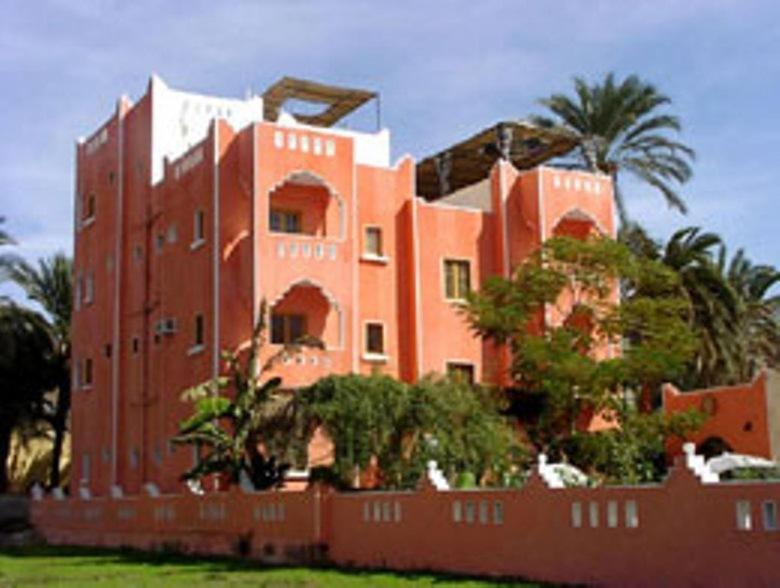
Egyptian families take these holidays seriously. Cairo empties out; the north coast, Sharm el-Sheikh, Hurghada and Luxor all take a share of the domestic wave. Luxor gets about 30,000-45,000 domestic visitors across each Eid week, concentrated on days two and three. This is a very different tourism from the international kind: family groups of eight to fifteen people, arriving by train or overnight coach, staying in mid-tier East Bank hotels like Cleopatra Hotel Luxor, Emilio Hotel, Karnak Hotel Luxor, Aracan Eatabe Luxor Hotel and Sheherazade.
You will notice this most on the Corniche in the evening. From 20.00 to well past midnight the whole waterfront becomes a family promenade — kids on rented bikes, sheesha cafes running at capacity, felucca captains doing brisk hour-long charters at $18-22. It is genuinely one of the best times to see Luxor as a functioning Egyptian city rather than a tourism stage set. If you dislike crowds, you will hate it. If you want to eat where locals eat, the Eid evenings are the easiest week of the year to blend in because everyone is out.
What each Eid does to hotel prices
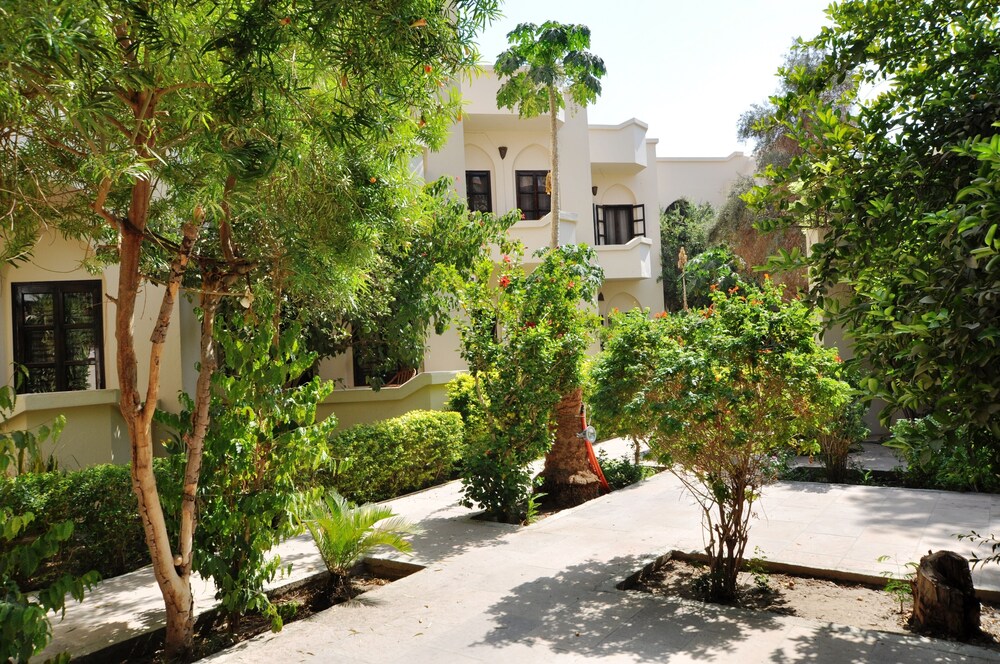
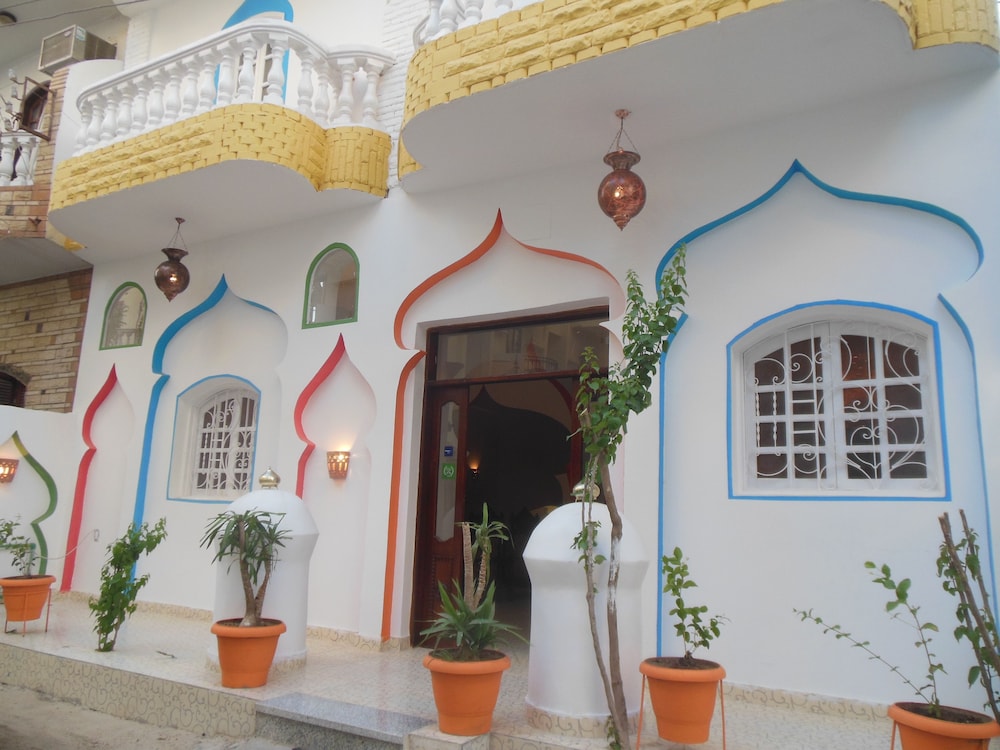
Eid al-Fitr in March lands in high international season, and prices go up on top of prices that are already high. A room at Hilton Luxor Resort & Spa that runs $175 in normal March dates lists at $225-245 for Eid nights. Steigenberger Nile Palace pushes from $150 to $185. Mid-tier East Bank places see the sharpest jumps because domestic visitors book them: Aracan Eatabe Luxor Hotel and Emilio Hotel can double from $45 to $80-90, and Karnak Hotel Luxor and Cleopatra Hotel Luxor add 60-70%. West Bank guesthouses barely move because domestic tourists rarely cross the river.
Eid al-Adha in late May sits in low season, and this is where the calculation gets interesting. Base prices are already 40% below peak, and even with the Eid bump you are paying below February rates. Hilton Luxor Resort & Spa runs $130-145 during Eid al-Adha instead of the $100 of a normal May night — still a bargain by winter standards. This is why late May 2026 is actually a smart booking window: you get the low-season rates on either side of a three-night bump, and the domestic energy is fun rather than crowded because international arrivals are so thin.
The morning of Eid al-Fitr: prayer, sweets, closed shops
The first morning of Eid al-Fitr is unlike any other in Luxor. From about 05.30, families gather at open-air prayer grounds — the biggest is the ground beside Abu al-Haggag Mosque on Luxor Temple square — and by 07.30 the streets fill with people in new clothes visiting relatives. Nothing tourist-facing is closed, but everything else is. Souq al-Sultan Hussein does not open until day two. Bakeries run only in the very early morning to sell kahk, the Eid biscuit, and are shut by 09.00.
Practically, this means the first morning of Eid al-Fitr is a superb time to be at Karnak. Domestic tourists are with family, international arrivals are subdued, and by 08.00 you can walk the hypostyle hall with under 50 other people in it. Get a taxi ordered the night before because street cabs are scarce until mid-morning; hotels like Steigenberger Nile Palace and Pyramisa Hotel Luxor run their own shuttles that keep operating. Skip breakfast at the hotel and buy kahk from a bakery on the way — it is the one Eid tradition open to visitors.
Eid al-Adha and the animal sacrifice question
Eid al-Adha involves the ritual sacrifice of sheep and goats, and this happens in Luxor as everywhere else in Egypt. Around the courtyards of homes on the West Bank and in less-visited East Bank neighbourhoods like Al-Awameyah, families slaughter animals on the first morning of Eid — typically between 07.00 and 11.00. Meat is distributed to family, neighbours and the poor. Some visitors find this distressing to see. If you are one, do not walk residential streets on the first morning; stay on the Corniche and tourist zones, where it is invisible.
Restaurants shift menus for the four days. Everything is lamb-heavy: kofta, fatta with rice and lamb broth, and mahshi stuffed with rice and meat. Sofra on Sharia Sayed Youssef and the Nile Valley Hotel & Restaurant on the West Bank both do excellent Eid menus at 180-260 EGP-equivalent, and hotels run buffets at inflated prices ($35-55 per person at four-stars). If you eat meat, this is one of the best food weeks of the year. If you don’t, warn your hotel in advance because breakfast buffets shift meat-heavy too.
What to book ahead versus walk up
Book ahead: hotels (obviously), train tickets to and from Cairo (they sell out five days ahead for both Eids), any Nile cruise if the dates align, and a private driver for Dendera or Abydos day trips because half the drivers are with their own families. Expect driver rates to go up 20-30% for the Eid days — a full-day Dendera/Abydos trip that runs $65-80 in normal season quotes $85-100 during Eid. Book two weeks out through your hotel or a small operator like Sun Pyramids or Djoser.
Walk up: tomb tickets (never sell out), balloon flights (operators run normal capacity because international demand dips), restaurants, and taxis after day one. The one thing that catches people out is currency exchange: banks close for the full holiday and the exchange offices on Sharia al-Mahatta run reduced hours. Come into Eid with enough local currency for four days, or use your card at the ATMs inside the Hilton or Sonesta St George Hotel Luxor, which are restocked through the holiday when high street ATMs are not.
Should you plan around Eid or into it?
Two honest answers. If your priority is empty tombs and quiet temples, plan around Eid al-Fitr — arrive three days before it starts, leave the morning it begins, or arrive the morning of day one specifically for that quiet-Karnak window. If your priority is atmosphere and seeing Luxor as a lived-in city, plan into it. The Corniche during Eid al-Adha evenings is one of the genuinely great scenes in Egyptian tourism and there is no equivalent experience in the deep winter months.
For Eid al-Adha specifically, my recommendation to first-time visitors is to book it deliberately. The weather is warm not brutal (32-38°C daytime, 22-25°C evening), prices are still low-season adjusted, sites are open, and the Eid overlay is entertainment rather than obstacle. For Eid al-Fitr, only plan into it if you have been to Luxor before and want a different-flavoured visit. The March high-season pricing plus the holiday premium makes it the most expensive week of the year on top of the fifth-most-crowded, and unless the domestic wave is what you came for, you can do better.
Before you book
The questions people ask about East Bank, answered with this month’s numbers.
No. Alcohol sales continue in hotel bars and licensed restaurants throughout both Eids. Drinkies shops close for the first day of each Eid but reopen from day two. Hotels like Sonesta St George Hotel Luxor and Hilton Luxor Resort & Spa serve normally throughout.
Mosques are extremely busy for the Eid prayer at dawn on day one and best avoided by non-Muslims that morning. From day two onwards you can visit Abu al-Haggag Mosque on the corner of Luxor Temple with normal etiquette — modest dress, shoes off, women covering hair. Fridays remain the busiest prayer time throughout Eid week.
Yes, all major cruise operators run normal schedules. Occupancy patterns shift — more Egyptian families in Eid al-Fitr, more European retirees in Eid al-Adha because it is low season for them — but boats sail. Prices track the same holiday premiums as hotels: 25-35% up for Eid al-Fitr, 15-20% for Eid al-Adha.
Not at all. Sites are staffed and open specifically because tourism is welcomed on holidays. What is disrespectful is walking through residential neighbourhoods with a camera during Eid al-Adha sacrifice hours, or photographing prayer grounds at dawn. Stick to the archaeological zones and the Corniche and you cause no offence.