The domestic tourism calendar in Luxor: when Egyptians visit and what it means for you
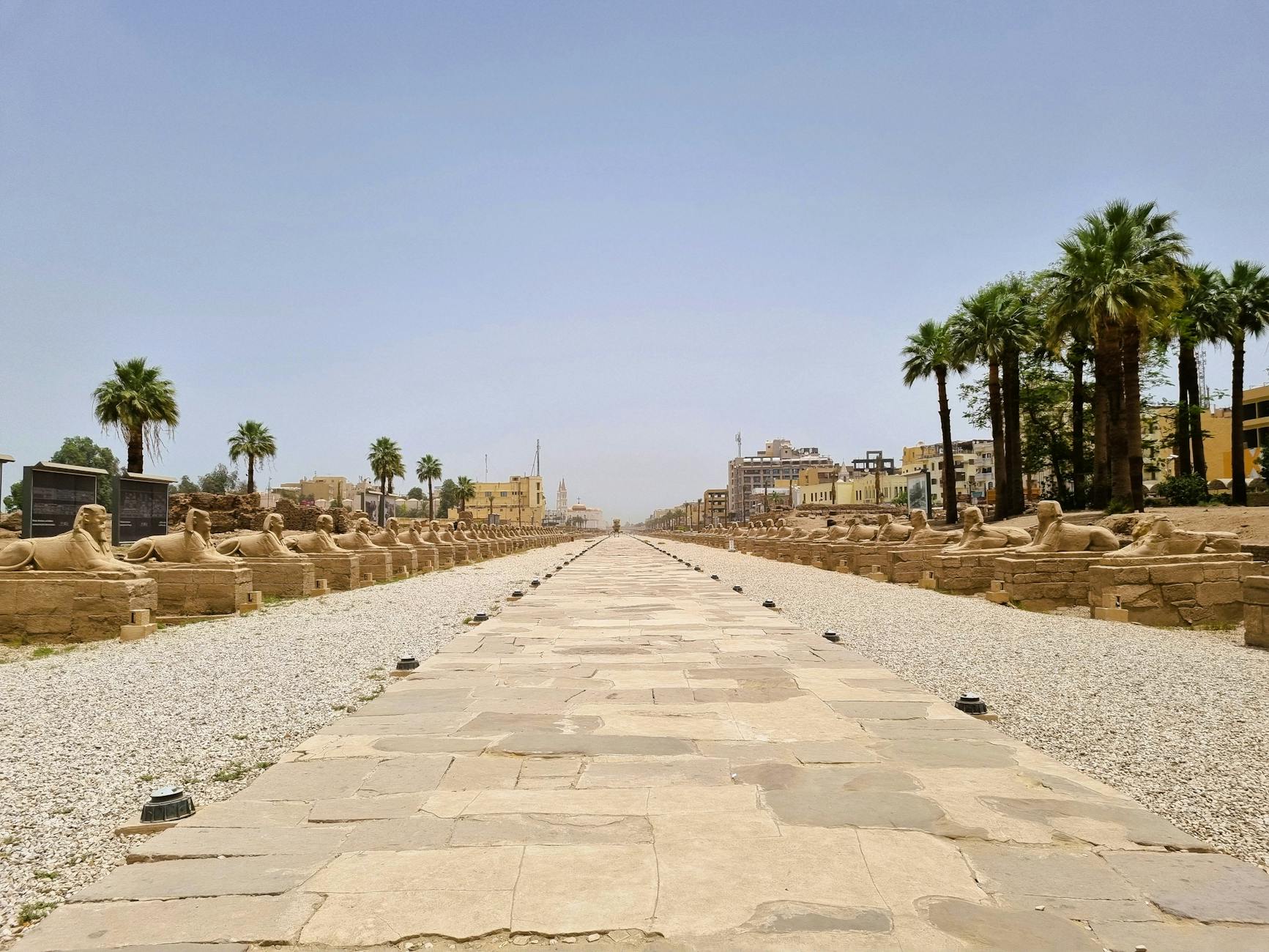 Egyptian families with children at Karnak Temple on a Friday afternoon
Foreign tour buses drive the winter high season, but four other weeks each year are ruled by Egyptian holiday travel — get these right and you save $200 or spend it on the wrong nights.
Why the domestic calendar matters more than you think
Most Luxor guides treat the year through one lens: European and American winter travel. In that view, October-March is high, April-September is low, done. This misses that Luxor also has an entire second layer of tourism — Egyptian families from Cairo, Alexandria and the Delta, who come at different times for different reasons. They fill the same mid-tier hotels, push up train and domestic flight prices, and change the character of the Corniche and the souq. On four specific weeks a year, they outnumber international visitors even during the winter.
Getting this right is worth real money. A room at Aracan Eatabe Luxor Hotel that runs $45 on a normal winter Wednesday will list at $85 on a Friday night in mid-January because Cairo weekend traffic has arrived. A train from Cairo that costs $22 on Tuesday morning is $38 on Thursday afternoon before a public holiday. These patterns are invisible if you plan through a booking site that shows only 'availability' and never explains why prices move. Here is the map.
The Cairo weekend effect, all year round
Every Friday-Saturday, Luxor gets a weekend bump from Cairo. Sleeper trains south run Thursday night and return Saturday night, and domestic flights on EgyptAir run at 90%+ capacity. This is not a tourist bump — most Cairenes coming for a weekend are visiting relatives, doing pilgrimage to Coptic sites, or on quick shopping trips to the souq. But it pushes mid-tier East Bank hotels up 20-30% for Friday nights year-round. Emilio Hotel, Cleopatra Hotel Luxor, Karnak Hotel Luxor, Sheherazade and Amon Hotel all see this pattern.
West Bank hotels barely register the weekend bump because Cairo weekenders rarely cross the river. If you’re on any tight budget in Luxor, weekend nights are a case for the West Bank: Nile Valley Hotel & Restaurant, Shahhat House, El Nakhil Hotel and El Fayrouz Hotel stay at their normal $18-30 across Fridays. The four-star Nile-view hotels — Hilton Luxor Resort & Spa, Steigenberger Nile Palace, Sonesta St George Hotel Luxor — also mostly don’t move on weekends because their guest mix is 80% international; they price to their own calendar.
The four big domestic weeks: dates and mechanics
Eid al-Fitr (around 20-23 March 2026) and Eid al-Adha (around 27-30 May 2026) are the two biggest. Sinai Liberation Day (25 April) triggers a four-day break in a Thursday-alignment year and is a huge Luxor weekend for Cairo families driving south. Revolution Day (23 July) and Armed Forces Day (6 October) similarly extend into three-day weekends. The single biggest, though, is Sham El-Nessim — the ancient spring festival — which falls the Monday after Coptic Easter, in 2026 around 13 April.
Sham El-Nessim is the Egyptian holiday most foreign visitors have never heard of and it packs Luxor. Domestic tourism concentrates the whole weekend before, and by Monday families are picnicking in every green space, along the Corniche, and at the gardens of Karnak. Rooms at Emilio Hotel jump from $40 to $75. Trains sell out five days ahead. Sofra restaurant is booked solid. If you don’t want the crowds, avoid the whole week. If you do — and it is a fascinating cultural window — book it two weeks ahead and treat it as its own event.
The Coptic pilgrimage rhythm
Egypt's Coptic Christian community — around 10-15% of the population — has its own religious calendar that touches Luxor and the surrounding area. Coptic Christmas (7 January) is a major domestic travel date, and Luxor's Coptic community and monasteries nearby see substantial visitor traffic in the week around it. The Monastery of St Theodore at Deir el-Muharraq and the monasteries around Naqada and Qena all pull weekend pilgrimage traffic through the winter and again around Coptic Easter in April.
For foreign visitors this rarely creates direct obstacles because pilgrimage traffic doesn’t compete for four-star hotels. But it does affect two things: the Qena road can be dense with coaches on Coptic feast days, adding 30-45 minutes to a Dendera or Abydos day trip; and small guesthouses in Naqada and around Qena — like some of the village houses this site lists — can fill unpredictably when a big pilgrimage falls. If you’re planning a stay in Qena, Dendera, or Abydos, cross-check against the Coptic calendar and book two weeks out.
School holidays and the two summer months
Egyptian schools break from mid-June to mid-September, and this is the peak domestic tourism window even as international arrivals collapse. Egyptian families largely head to the north coast and Sharm el-Sheikh in July and August rather than Luxor — the heat is too much even for locals — but they come to Luxor in June and September in significant numbers, particularly for the historical education itself. Groups of extended family, 10-15 people, book connecting rooms at Pyramisa Hotel Luxor, Aracan Eatabe Luxor Hotel and similar.
This creates a two-tier effect in June and early September that international guides miss entirely. Weekdays are dead — you can walk into any hotel and negotiate 30% off — but Thursday to Saturday nights fill up with Egyptian family groups and prices rebound. If you’re doing a June or September trip on budget, structure it Sunday-Wednesday and shift to the West Bank for weekend nights. This one adjustment can drop total accommodation by $150-200 across a week.
How domestic tourism changes what's happening on the ground
Karnak on a Friday morning is a different place from Karnak on a Tuesday morning. Egyptian family groups arrive from 09.30 with children, extended family, and packed lunches. Guides speaking Arabic outnumber guides speaking English. The Sound and Light show at 19.00 sells out Friday nights in ways it doesn’t Tuesday. This is not a problem — it is a completely legitimate other version of the site — but if you were planning a quiet photography morning at Karnak, do it Tuesday not Friday.
Restaurants change too. Sofra on a Friday night is packed with Cairene family tables of ten; the Nile Valley Hotel & Restaurant does its biggest Friday lunch of the week to West Bank Egyptian families driving from Qena. Iftar during Ramadan is an entirely domestic event. The souq is a very different place on a Friday afternoon after prayers versus a Wednesday morning — bargaining is looser, stalls are more theatrical, prices are slightly higher because demand is real. Foreigners tend to hate Friday souq visits and love Wednesday morning ones.
The strategic booking calendar
Here is the one-page version. Cheapest nights: Sunday-Wednesday in June, September, or the first two weeks of February. Second-tier cheap: Sunday-Wednesday in October, November, and early January. Avoid at all costs on budget: Eid al-Fitr, Eid al-Adha, Sham El-Nessim week, Christmas week (24 December-2 January), and the mid-February half-term overlap. Book two weeks out minimum for anything Thursday-Saturday in high season and for any domestic-holiday week regardless of season.
For trains from Cairo: book at least four days ahead for any Thursday or Friday sleeper, and never buy same-day for a Thursday train — it's the single most oversold day of the week year-round. For domestic flights: EgyptAir's Cairo-Luxor is priced dynamically and Tuesday morning is consistently the cheapest slot ($55-75 one-way), Friday afternoon the most expensive ($110-140). Save the difference by planning the domestic calendar the same way you plan the international one, and you’ll have a better trip on either the same money or a lot less.
Before you book
The questions people ask about East Bank, answered with this month’s numbers.
Some do, but far fewer than the East Bank. Domestic visitors concentrate at Karnak, Luxor Temple, the Corniche and the souq. The Valley of the Kings sees fewer Egyptian visitors proportionally than Karnak does. This is why West Bank hotels are the budget-preserving move during domestic holiday weeks.
Yes, if you want to see the largest domestic festival of the Egyptian year — it predates both Islam and Christianity in the country. Book the hotel two weeks out, expect a 30% price premium on East Bank rooms, and spend the Monday itself watching family picnics along the Corniche rather than trying to sightsee.
Yes at Karnak and Luxor Temple in the afternoons, no at the Valley of the Kings and Hatshepsut in the mornings. Friday morning until noon is still one of the quietest tomb-visit windows of the week because domestic day-trippers head to the East Bank first.
Ramadan is not a travel-heavy month for Egyptian families — most stay home for the family iftars. This makes Ramadan one of the quietest domestic tourism months of the year, and hotel prices soften noticeably compared to non-Ramadan weeks in the same season. The trade-off is limited daytime dining, covered in the dedicated Ramadan guide.