Luxor on a budget: real prices and money-saving tips
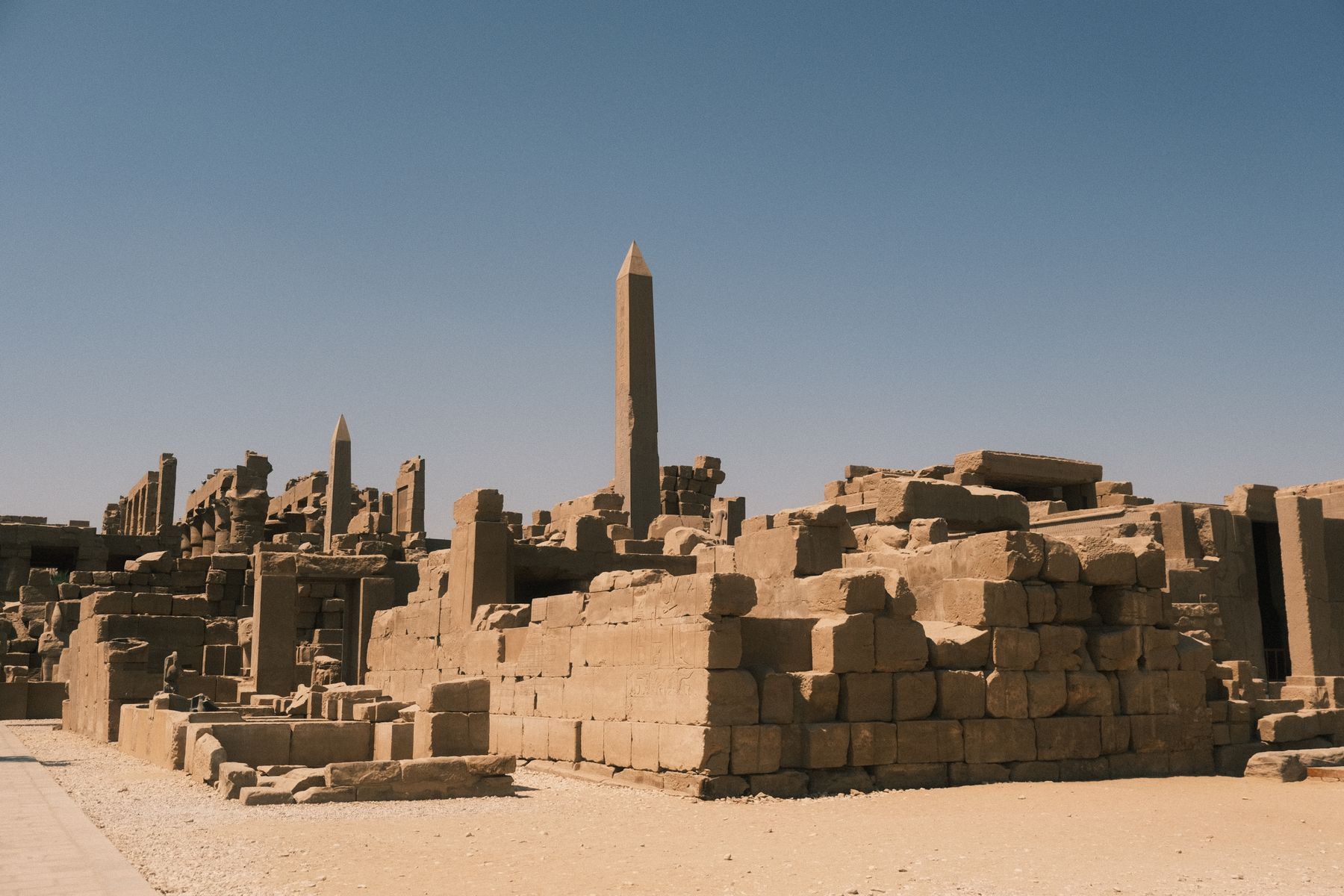 Budget travel scene beside the Nile in Luxor, Egypt
What Luxor actually costs in 2026 — trains, beds, tickets, food and taxis with real numbers — and the specific decisions that quietly halve or double your bill.
Getting there is where the first big saving lives
The Cairo–Luxor leg is 650 km and the price gap between doing it well and doing it badly is bigger than a week of dinners. The Watania sleeper train runs nightly, about ten hours, and costs roughly $80 per person for a two-berth cabin with a boxed dinner and breakfast — a bed and a transfer in one. The seated day trains (the fast 980-series first-class carriages) are the real bargain at $15–$30, booked at the station or through Egyptian National Railways online. Go Bus runs the same route overnight for $15–$20. EgyptAir flies it in an hour for $55–$120, worth it only if your time is tight.
Book the train two to four weeks ahead in winter (December–February), when the sleeper sells out first and the day-train first-class fills fast. Luxor airport sits 7 km east of the centre; a metered-ish taxi to a Corniche hotel is $5–$8, and you should agree the number before the doors close, not after. Skip the hotel's own airport pickup, which is usually quoted at $20–$30 for the same drive. If you are combining with Aswan, the day train south is another $10–$20 and far cheaper than any tour transfer.
What a bed actually costs, tier by tier
The budget floor in 2026 is real: Happy Land Luxor sits around $17, Alhambra Hotel near Luxor Temple around $19, and Cleopatra Hotel and Hofni Palace Nile View around $24, all with breakfast and air conditioning. These are clean, central, and walkable to the East Bank sights — the difference between $17 and $24 is usually a lift, a better shower, and a roof with a view rather than a roof with a water tank. On the West Bank, El Nakhil runs about $42 and Nile Valley Hotel about $53, quieter and closer to the tombs but reliant on the ferry after dark.
Mid-range means the four- and five-star Corniche resorts: Steigenberger Resort Achti around $72, Nile Palace around $86, up to the Hilton at $213 in high season. The saving tactics that matter here are three. Book direct by email for the sub-$30 places, which claw back the 15–20% that booking sites skim. Travel in shoulder season (October, mid-March, April) and the same rooms drop 20–30%. And stay four nights or more in one hotel: owners at the small places routinely knock 15–20% off and will price their own taxi tours lower for a guest who is clearly staying, not passing through.
Site tickets, and whether the Luxor Pass pays off
The archaeology is the one line you cannot really cut, so know the real numbers: Karnak $16, Luxor Temple $10, Luxor Museum $10, Valley of the Kings $20 for three tombs, Hatshepsut $10, Medinet Habu $8, the Ramesseum $8, Deir el-Medina $8. The two premium tombs are priced to sting — Nefertari $100 and Seti I around $60 — and both sit outside the standard pass. Students with an international card pay roughly half at every gate, which alone can fund the flight home over a week of sightseeing.
The Luxor Pass tempts everyone: $100 for the standard (every East and West Bank site except Nefertari and Seti I) or $200 premium (those two included). Do the maths against your actual list. A heavy four-day itinerary — Karnak, Luxor Temple, the Museum, Valley of the Kings, Hatshepsut, Medinet Habu, the Ramesseum, Deir el-Medina — pays about $90 à la carte, so the standard pass barely breaks even and only wins if you revisit a site twice. For a two- or three-day trip, pay at the gate. The premium pass is worth it only if you genuinely want Nefertari and Seti I, where it saves about $60.
Food and drink: where the tourist markup hides
Eating cheaply in Luxor is easy and the cheap food is the good food. A bowl of koshari on Television Street is $2–$3, a falafel (ta'ameya) sandwich from a souq stand is about $0.60, and a fresh mango or sugar-cane juice is $1. A full plate of grilled chicken, rice and salad at a local place off the souq runs $4–$5. The sit-down names cost real money by comparison: Sofra is $12–$18 a head and worth one visit, the Corniche hotel buffets are $15–$25, and the Al-Sahaby Lane rooftop lands around $8–$12 if you skip the drink.
Drinks are where the bill leaks. Buy 1.5-litre water bottles from a grocery at $0.40, never from the hotel fridge at $2 — over a week that alone is $10. A Stella is $3–$4 at a rooftop bar and $5–$7 inside a hotel, so drink where the view is free. And ask for the Arabic menu or the posted price: many places keep a tourist card with numbers 30–50% higher, and simply pointing at the wall board or asking “bekam?” resets it. Tap water is not drinkable, but the ice at established restaurants is made from filtered water and is fine.
Transport: the ferry, the West Bank, and the caleche
Cross the Nile on the public ferry, not by taxi. The local boat is under $1 each way; taking a car means a 7 km detour south to the bridge and a $6–$8 fare for a trip you could have made for pocket change. On the East Bank, walk — from a central hotel, Luxor Temple is five minutes, the Museum fifteen, Karnak an hour or a $3 taxi. Rent a bicycle for $3–$5 a day to cover the flat West Bank sites (Colossi, Medinet Habu, the Ramesseum) under your own steam, though Valley of the Kings is too far uphill to cycle in the heat.
The West Bank tombs are the transport line that breaks budgets, because a half-day private taxi is $40–$50. Split it: three people pay about $15 each, four about $12, and most budget hotels keep a whiteboard or a reception list to pair up strangers heading the same way. The caleche (horse carriage) along the Corniche is a $5–$10 novelty, not transport — agree the total, the duration and that it is for the carriage, not per person, before you climb in, or you will argue about it at the other end.
Guides, tours and activities: paying only for the right ones
A licensed Egyptologist guide costs $40–$60 for a half-day and $60–$90 for a full day, and on a first visit to the Valley of the Kings the fee earns itself — the tombs carry almost no labelling and mean little unguided. But you rarely need one for both banks. Hire a guide for the one dense West Bank morning (Valley of the Kings, Hatshepsut, the nobles' tombs at Deir el-Medina) and do Karnak and Luxor Temple yourself with a $3 guidebook or the free wall boards. Book through your hotel or a Corniche agency, not the men at the gate, and confirm the guide carries a Ministry of Tourism card — an unlicensed guide is cheaper at $20 but can be turned away at the tomb door and leave you paying twice.
A felucca is hired by the boat, not the head: $10–$15 an hour for the whole sailboat, so four people split a sunset hour for under $4 each — settle the price, the hour and that it covers the boat before you push off from the Corniche steps. Group day tours to Dendera and Abydos run $25–$40 a person from a Corniche agency and beat a private taxi ($80–$120) when you are one or two travellers; from three up, hire the taxi and split it. The one paid extra that reliably justifies its price is the dawn balloon at $80–$120 booked through a hotel — never the $150 quote a tout gives you on the promenade for the same flight.
The activities that drain a budget for little return are the camel and donkey rides pushed along the West Bank at $15–$25 an hour — a two-minute photo prop stretched into a fee argument — and the 'traditional village visit' that ends at a carpet or alabaster counter. Skip both. If you want the animal photo, the horse caleche on the Corniche does it for $5–$10. The genuinely good cheap activity is the one nobody tries to sell you: the $1 public ferry at golden hour with a $0.60 falafel in hand, watching the feluccas work the current while the Theban cliffs behind Medinet Habu turn from gold to rose.
The daily drips nobody quotes: SIM, laundry and free Luxor
Buy your SIM in town, not at the airport. A Vodafone or Orange tourist SIM from the arrivals kiosk is quoted at $15–$20 for a few gigabytes; the same Vodafone or Orange shop on Television Street or near Luxor Temple sells 20–40 GB for a month at $8–$12 and sets it up in five minutes with your passport. Coverage on both networks is solid across the East and West Banks and thins only out toward Esna and the desert edge. Skip the international roaming your home carrier pushes at about $10 a day — over a five-day trip that is a train fare to Aswan burned on data you can buy locally for a quarter of the price.
The small drips add up faster than the big lines. Hotel laundry is charged per piece and stings at $2–$3 a shirt, while a laundry shop off the souq washes and folds a full kilo for $1.50–$2 and turns it round the same day. A men's haircut is $3–$5, a barber shave about $2, and left luggage at the train station is under $1 a bag when your checkout and night train do not line up. The cheapest cold drink in Luxor is the one you carry: freeze a 1.5-litre bottle overnight in the hotel fridge and it doubles as an ice pack and a drink through the 42°C afternoon.
The best hours in Luxor cost nothing, so do not let a rooftop bar sell them back to you. Sunset over the West Bank cliffs from the Corniche promenade — walk it between the Winter Palace and the museum around 17:30 — beats any paid terrace. The souq behind Luxor Temple costs only what you choose to spend, and the public ferry at under a dollar is the cheapest Nile cruise you will ever take. At dawn the hot-air balloons lift over the West Bank in a cluster you can watch free from any East Bank roof or the ferry landing; the $80–$120 flight is optional, the sight of forty balloons at sunrise is not.
Five money traps that quietly double the bill
First, never change cash at a hotel desk; the rate is 5–10% worse than an ATM. Withdraw two or three days of Egyptian pounds at a time from a Banque Misr, CIB or National Bank of Egypt machine (a $6–$8 foreign-card fee each pull), and always decline the machine's own “conversion” offer, which is a second markup. Second, the men who attach themselves as “guides” at temple gates are not officials — a friendly walk-through you did not ask for ends in a $10–$20 demand, so a firm “no thank you” at the entrance saves the scene later.
Third, watch the commission stops: West Bank drivers steer you to alabaster and papyrus “factories” where prices run three to five times the souq and the driver takes a cut — say up front that you want the sites only. Fourth, the sound-and-light shows at Karnak and Luxor Temple are $12–$25 and skippable on any budget; the temples by daylight cost less and show more. Fifth, tip creep: $1 for a bellhop, $0.50 for a bathroom attendant, 10% at a real restaurant is fair, but keep small notes so you are not breaking a $10 for a $1 tip and quietly overpaying everyone.
Before you book
The questions people ask about Luxor, answered with this month’s numbers.
A frugal solo week runs about $350–$450: a $20 room, $10 of local food, $10–$15 of tickets averaged, and a few dollars of ferry and taxi a day, plus the Cairo train. A comfortable mid-range week for two on the Corniche, with a five-star river room and restaurant dinners, is closer to $1,200–$1,600 before flights.
Only for heavy, multi-day sightseers. The standard $100 pass barely beats paying at the gate for a typical four-day list that totals around $90, and loses on shorter trips. The $200 premium pass earns its keep only if you specifically want Nefertari ($100) and Seti I ($60), where it saves about $60 over à la carte.
A first-class seat on the fast day train at $15–$30, or Go Bus overnight at $15–$20. The Watania sleeper at about $80 costs more but doubles as a night's bed and a transfer. Flying is $55–$120 and only worth it when your time, not your money, is the tight constraint.
Shoulder season — October, early November, mid-March and April — cuts hotel rates 20–30% off winter peak while the weather stays kind. Summer (June–August) is cheaper still, with $15 air-conditioned rooms, but daytime heat above 42°C closes many small places and rules out midday sightseeing. April is the sweet spot for price against comfort.
A Vodafone or Orange tourist SIM bought in town — not at the airport — runs $8–$12 for 20–40 GB valid a month, set up in five minutes with your passport. The airport kiosks charge $15–$20 for far less data. Both networks cover the East and West Banks well, so skip your home carrier's $10-a-day roaming.