Hotels in Luxor
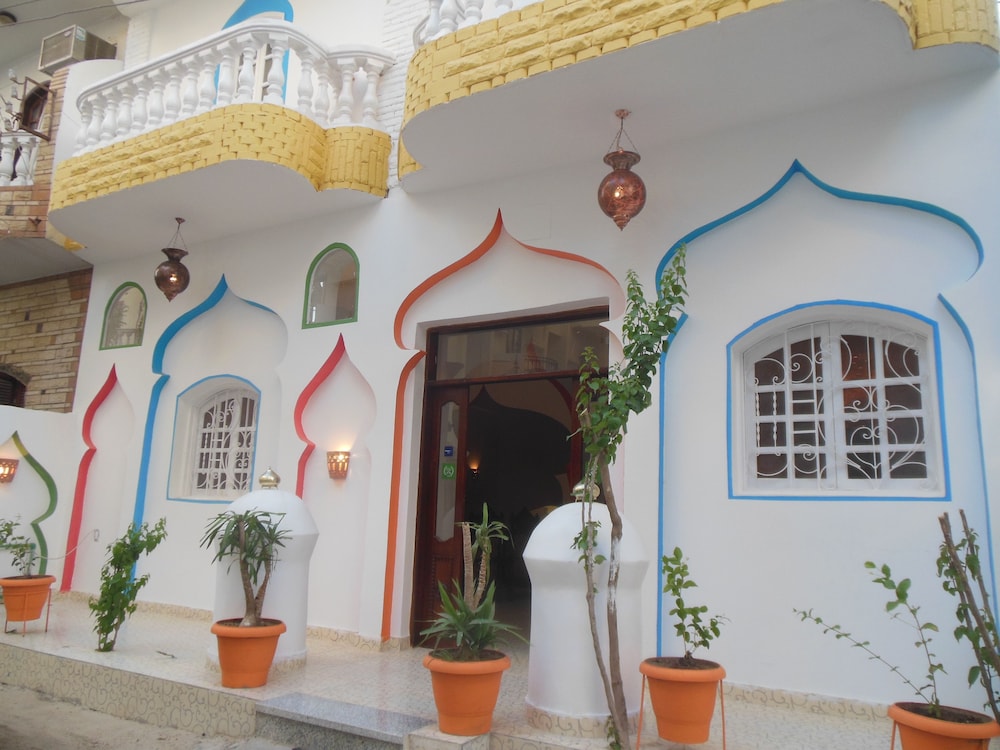
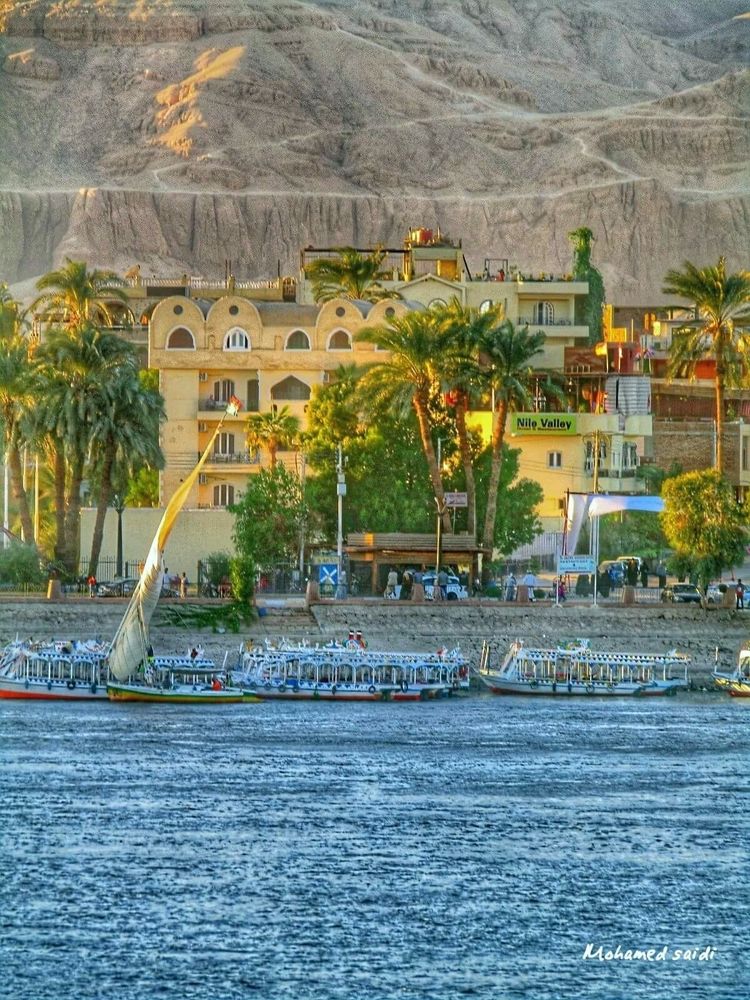
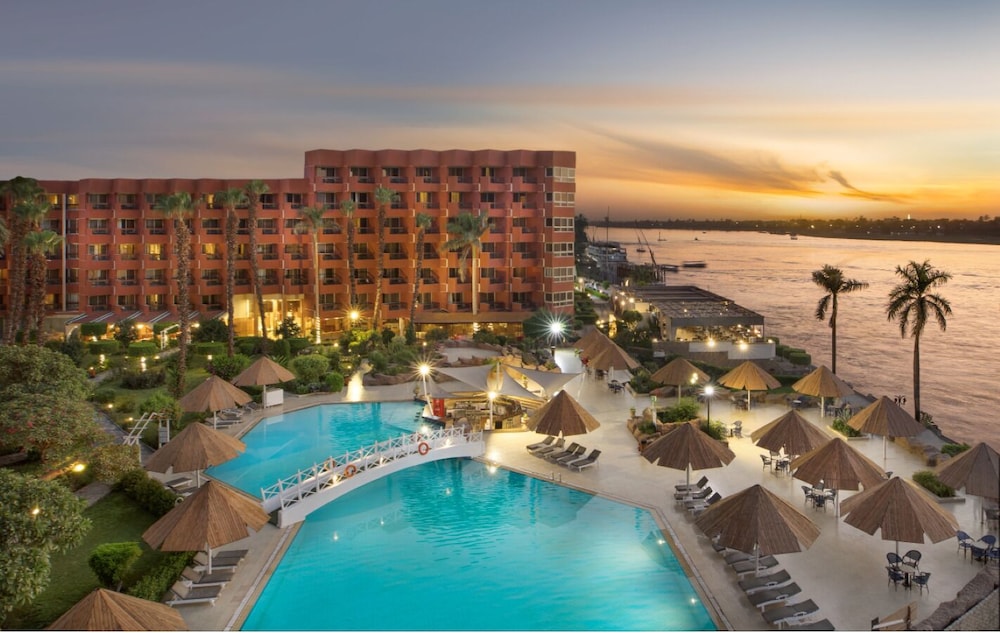
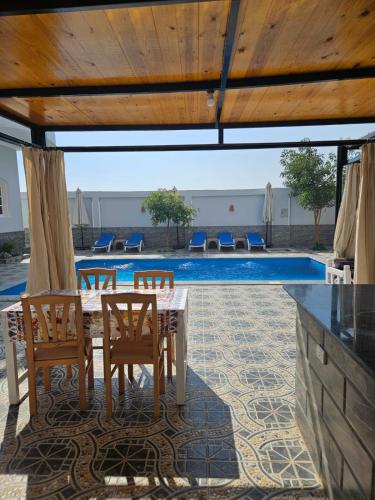
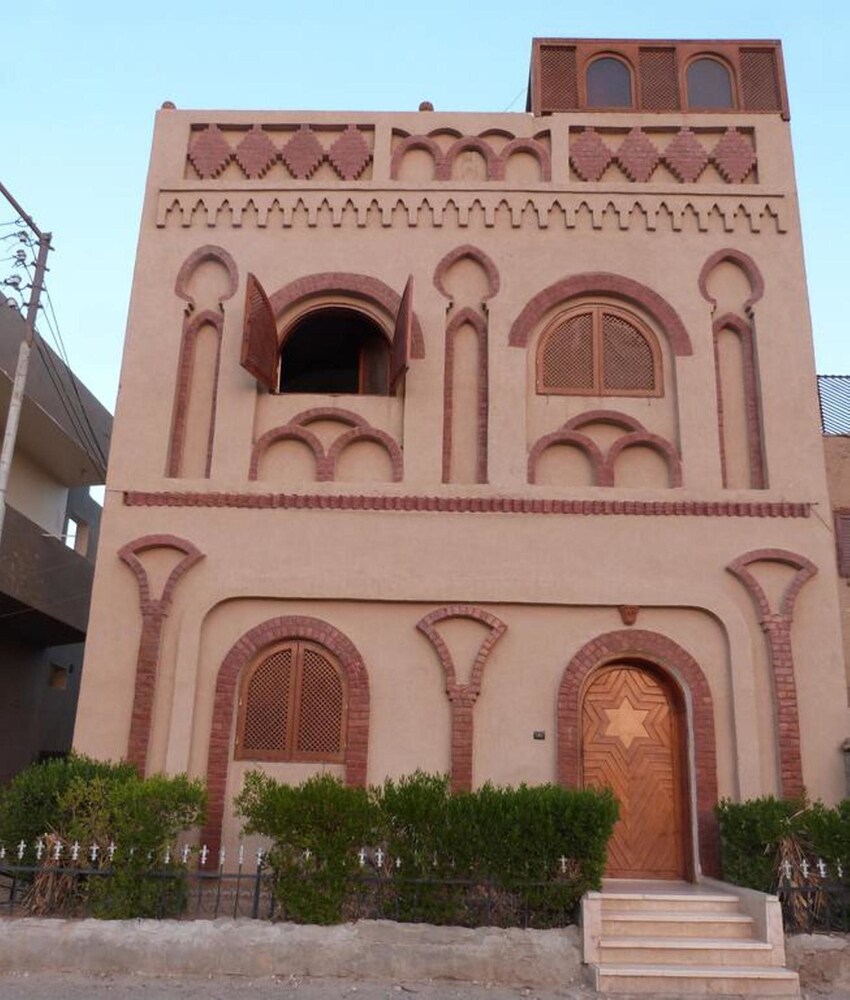
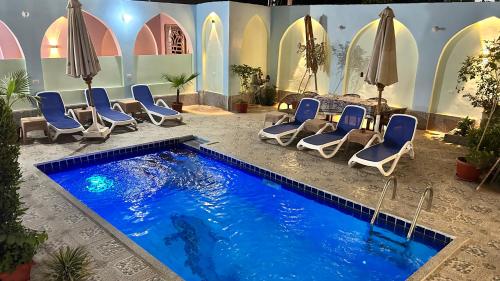
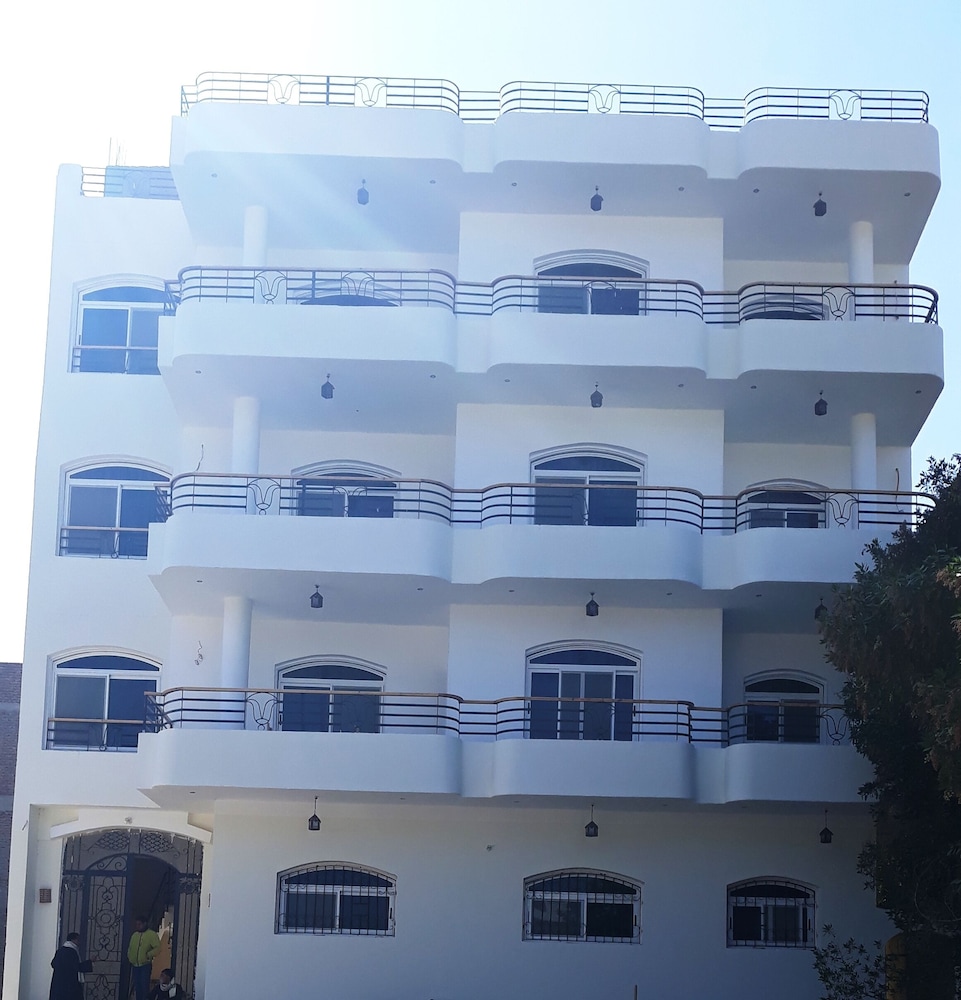
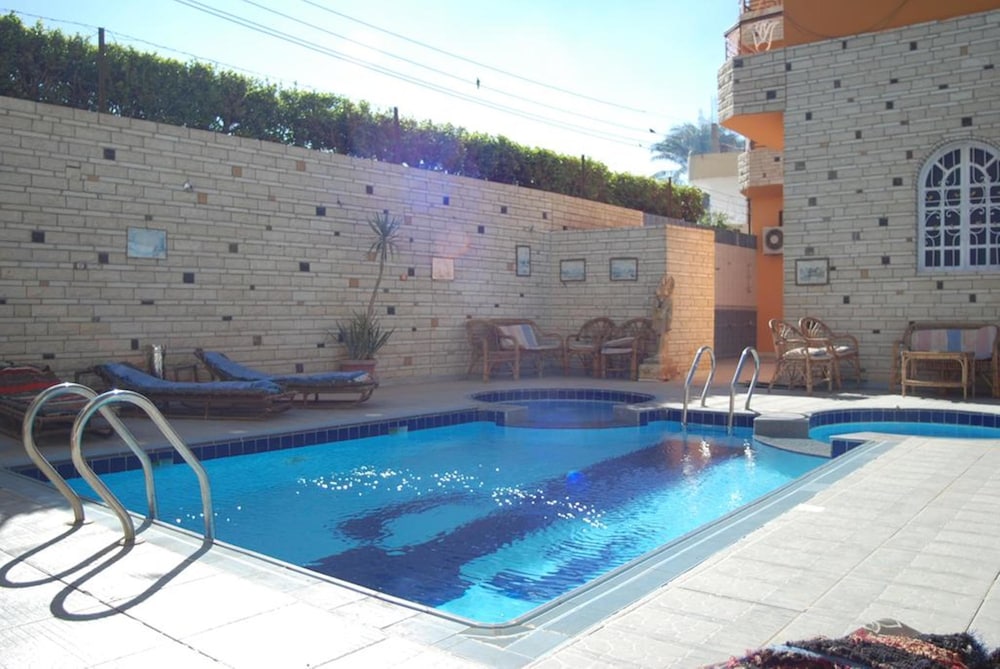
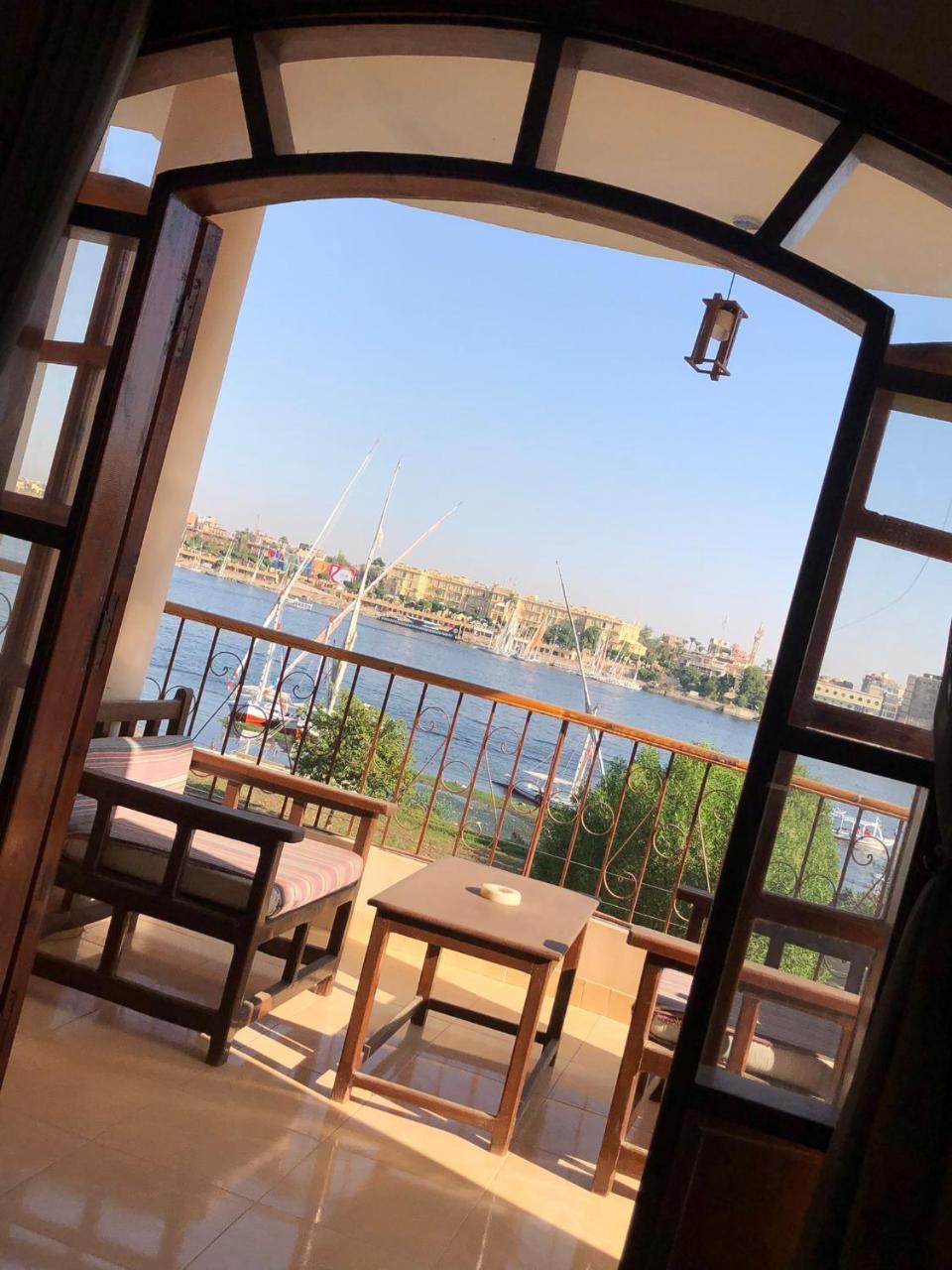
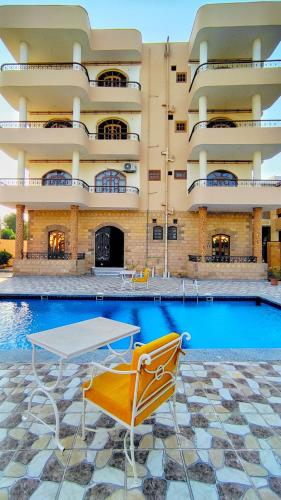
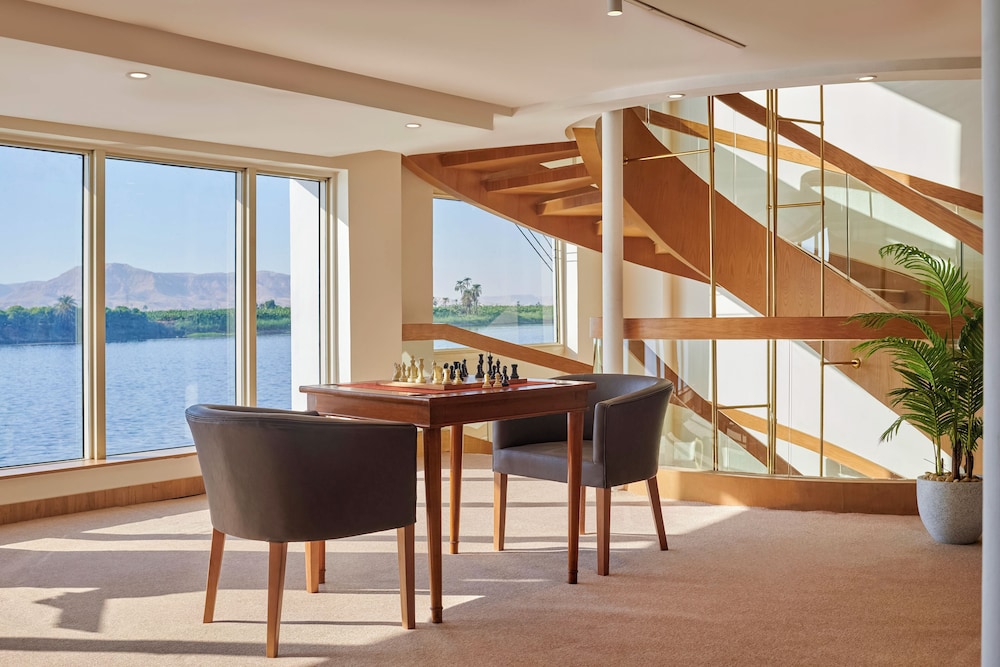
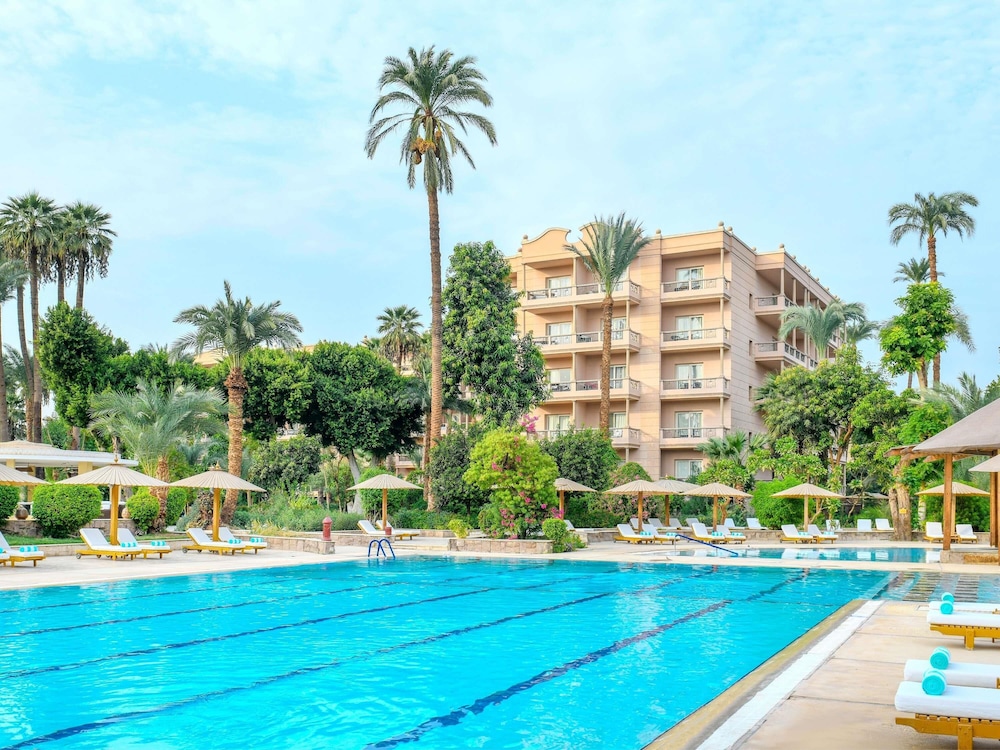
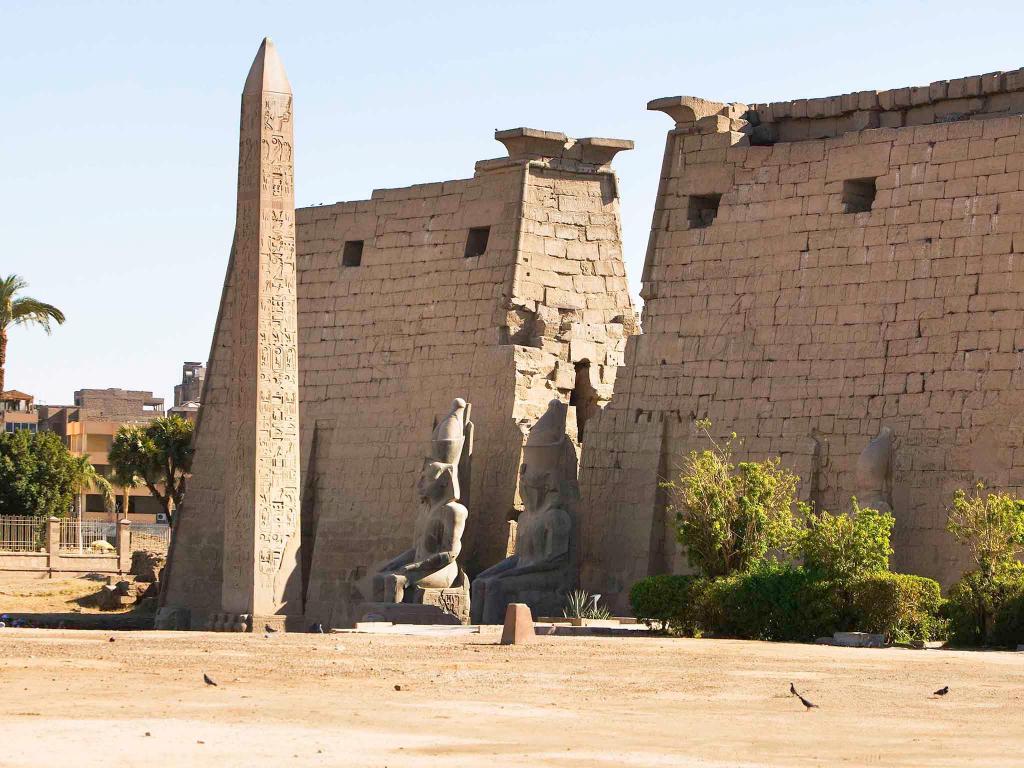
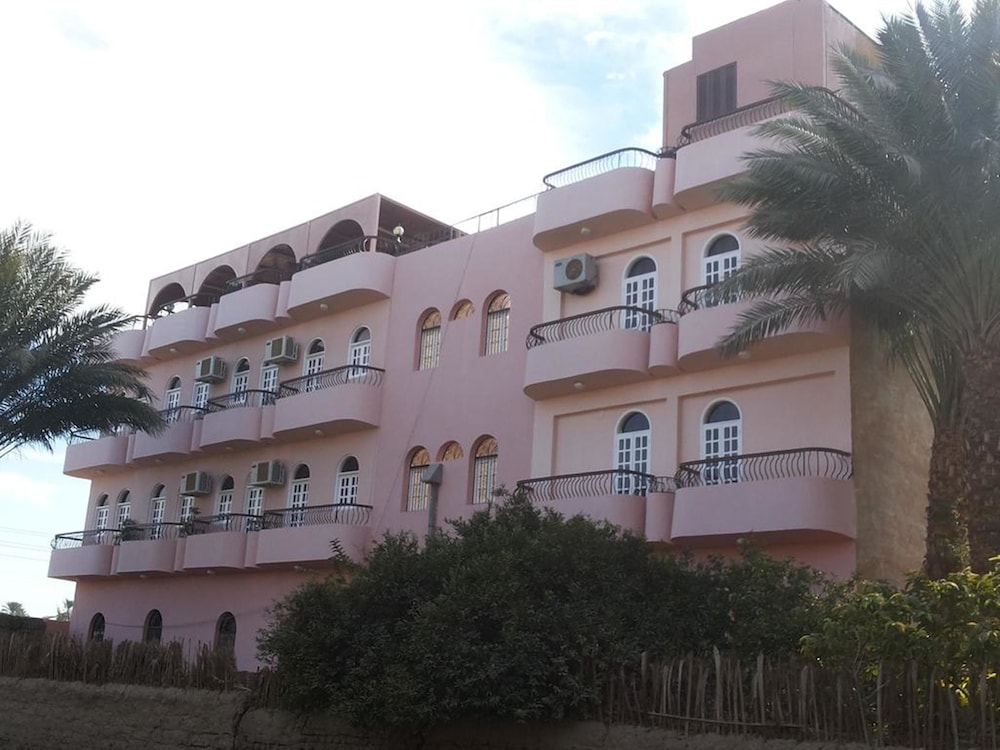
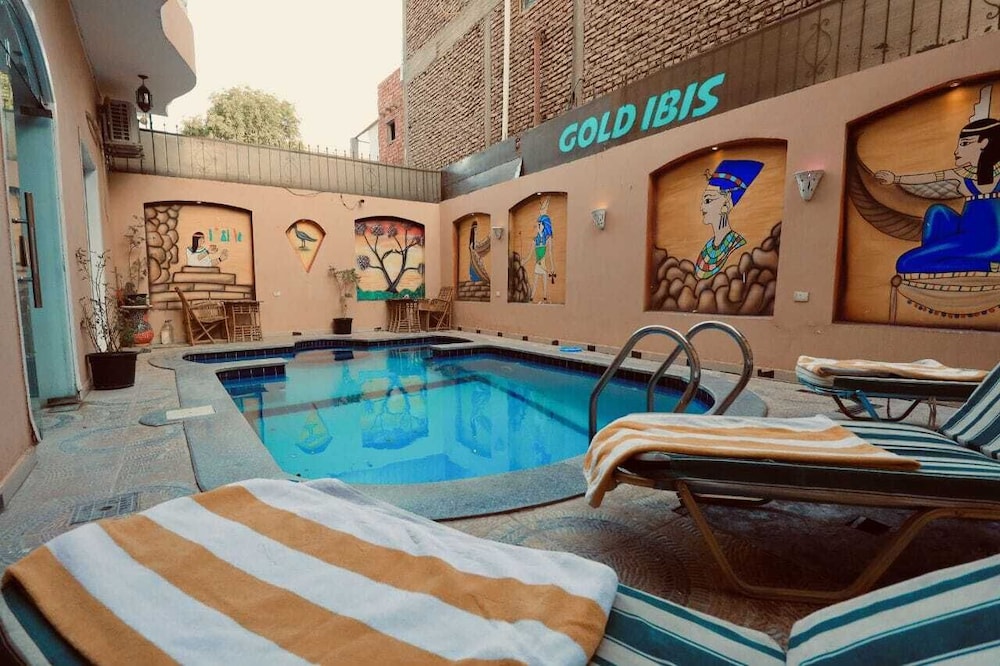
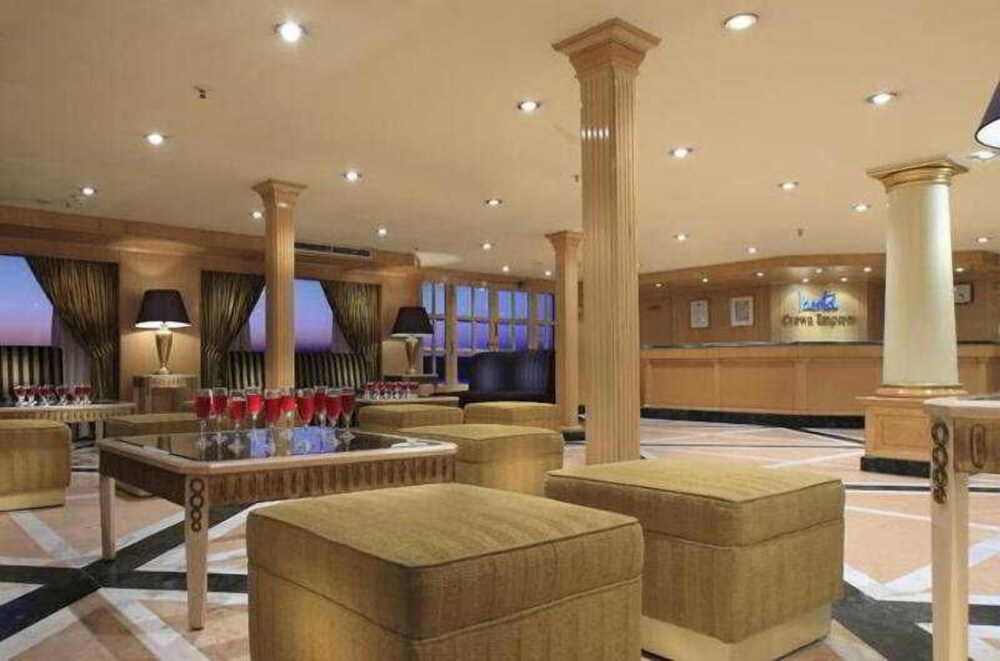
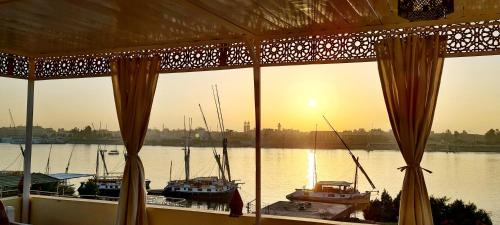
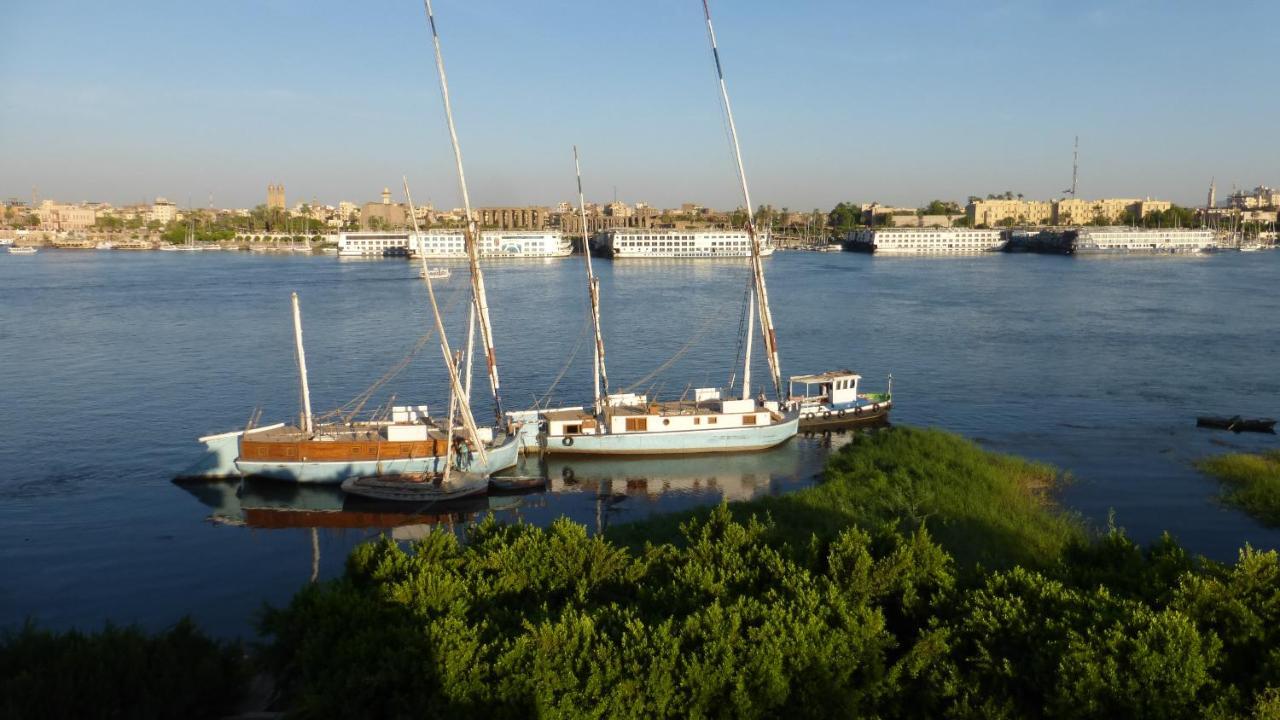
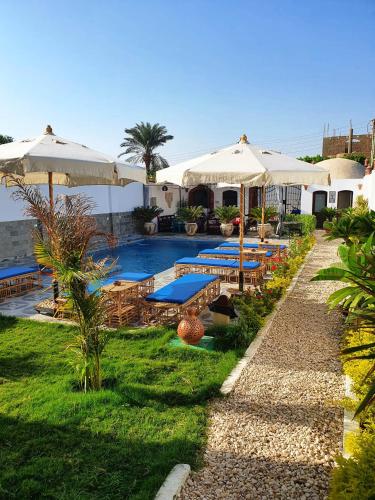
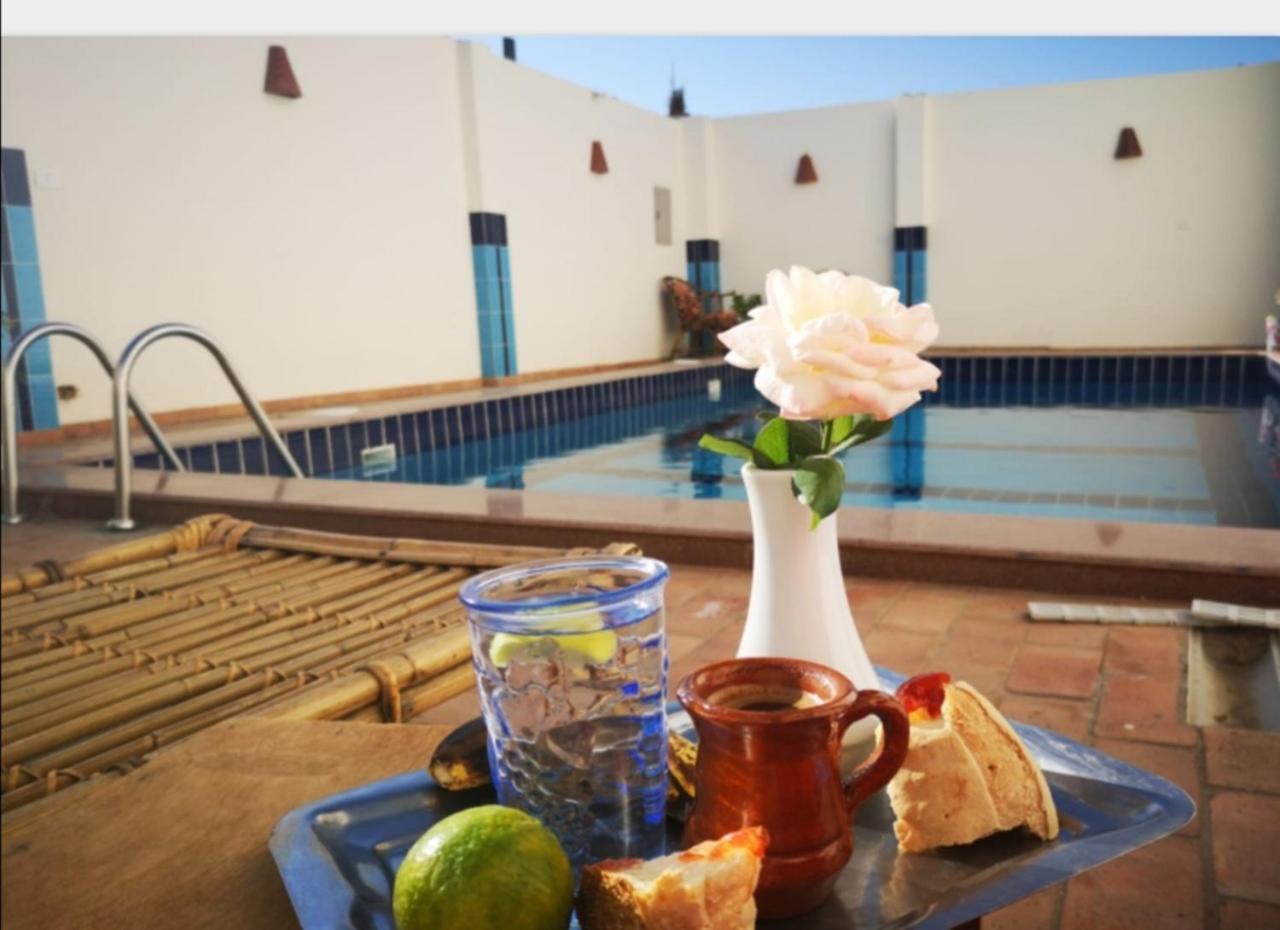
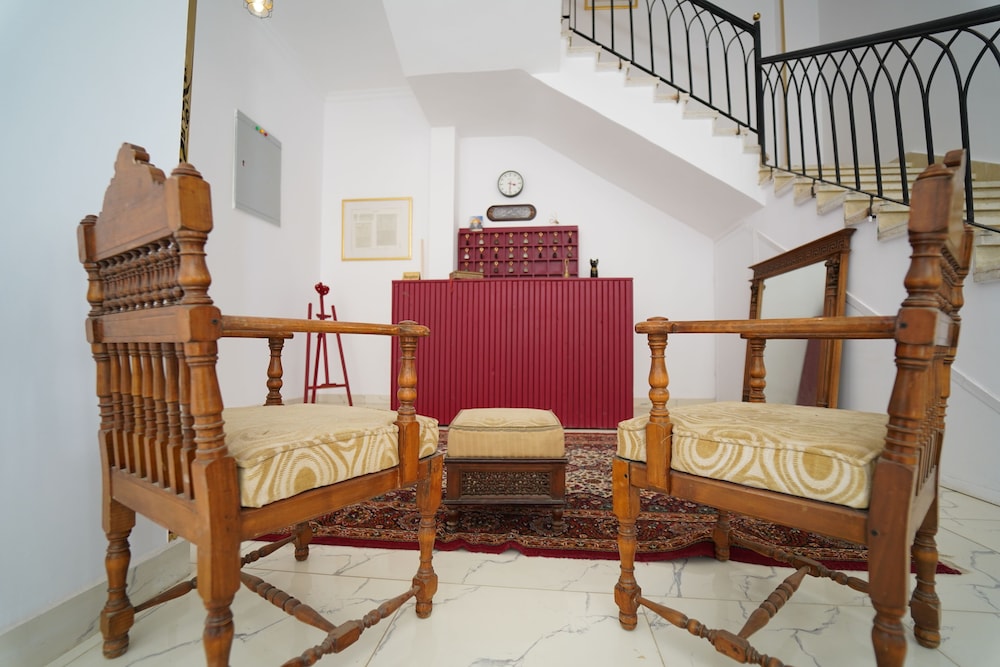
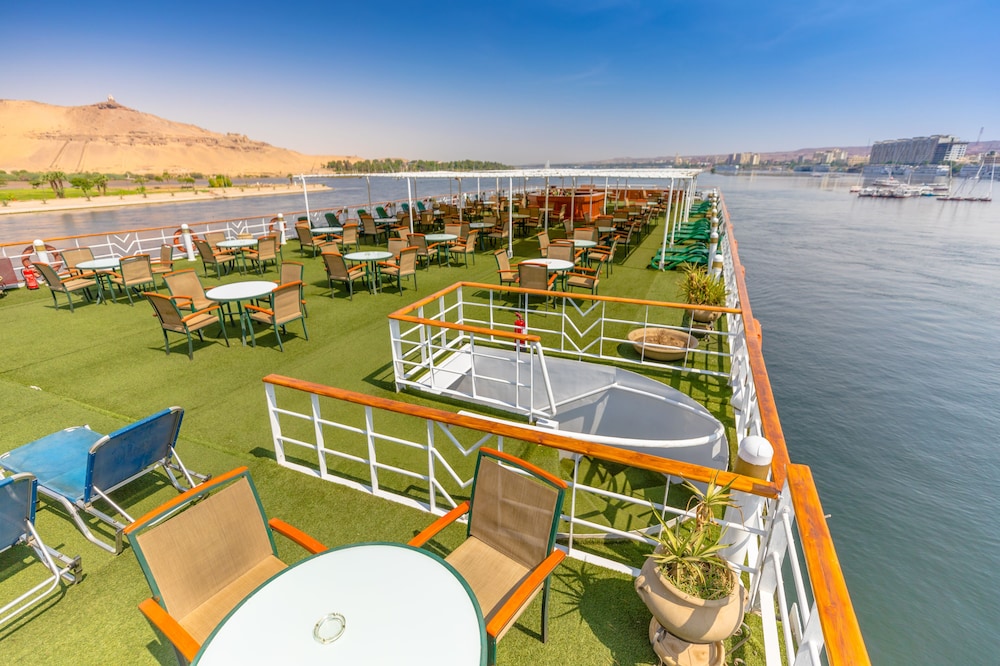
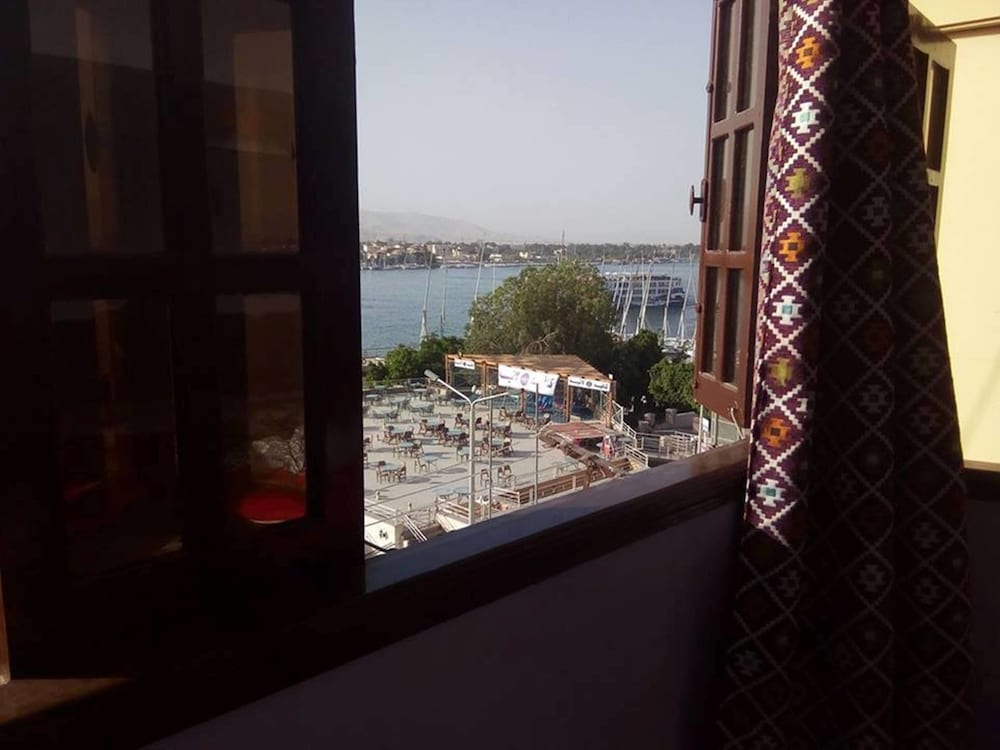
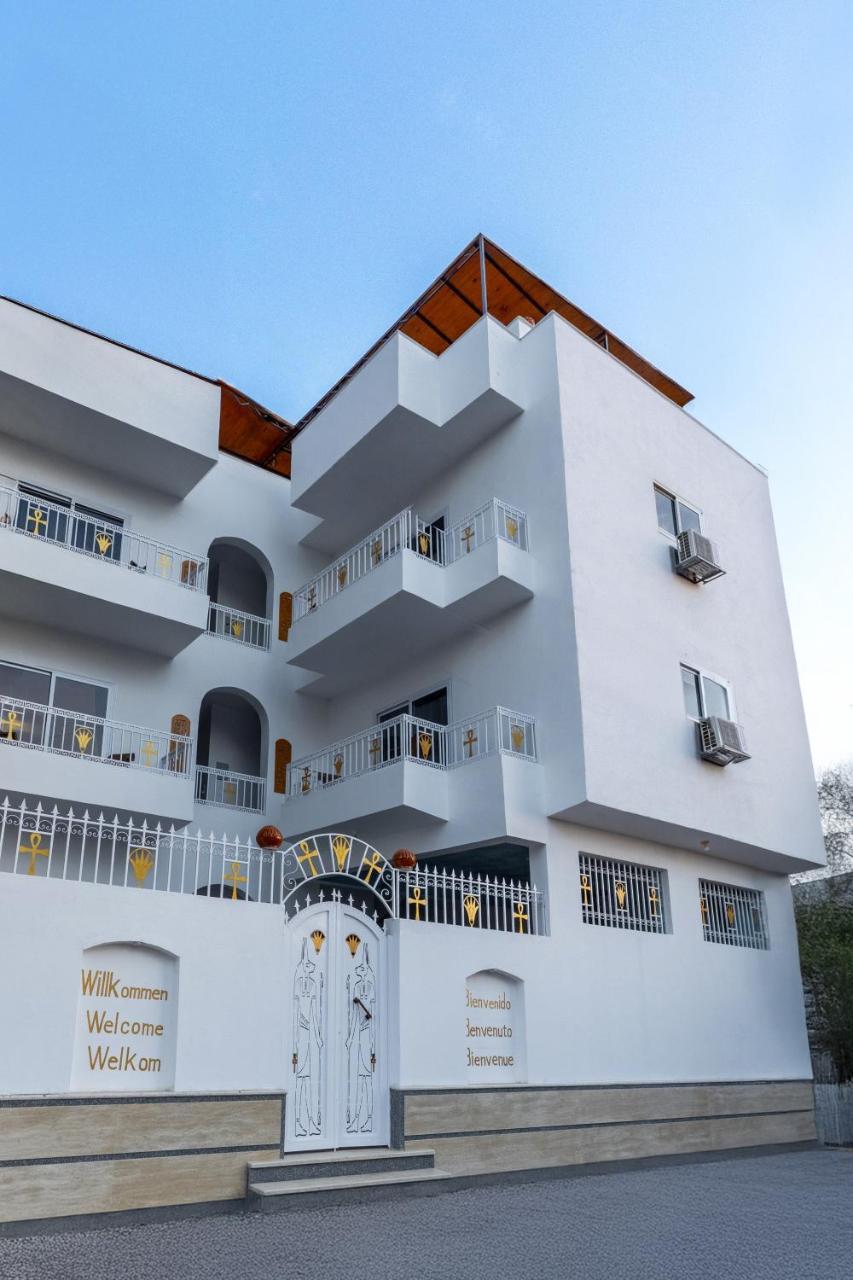
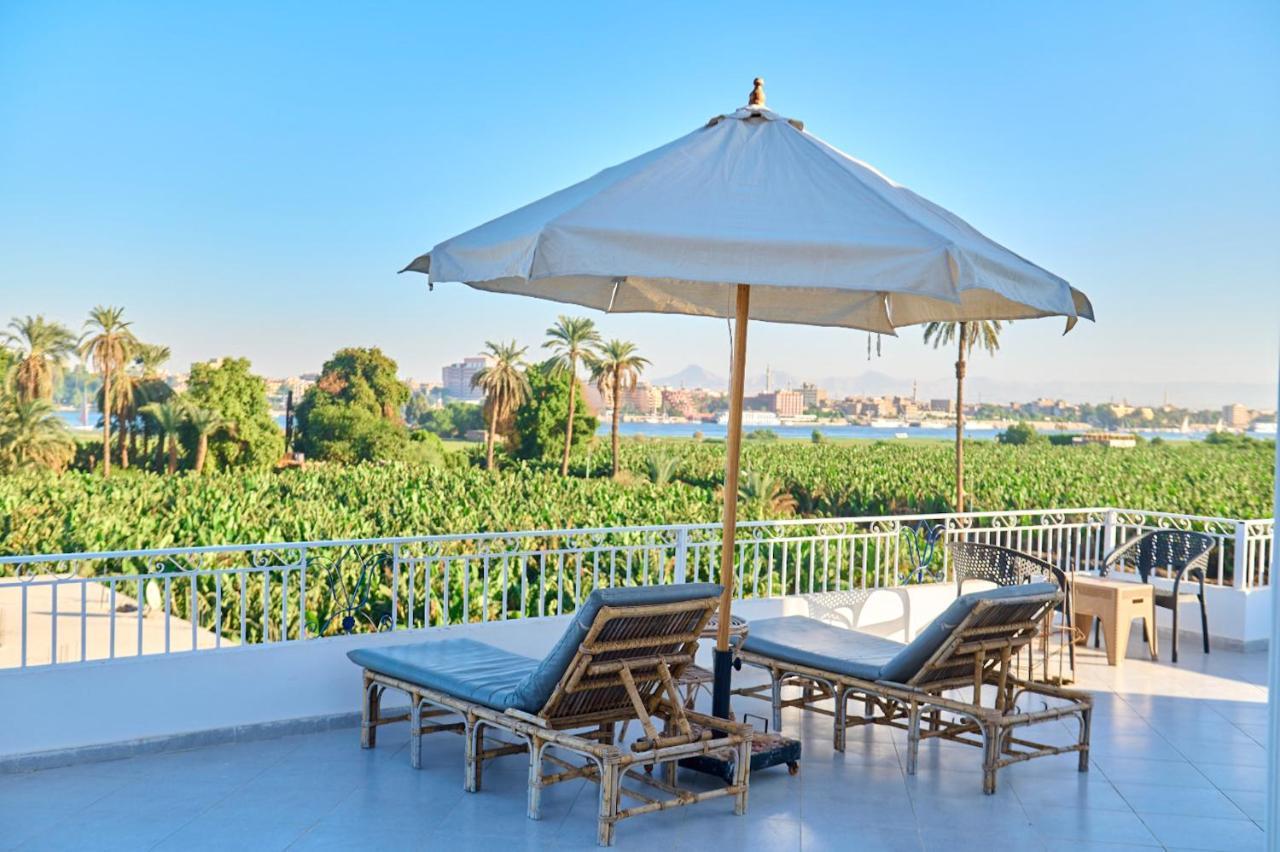
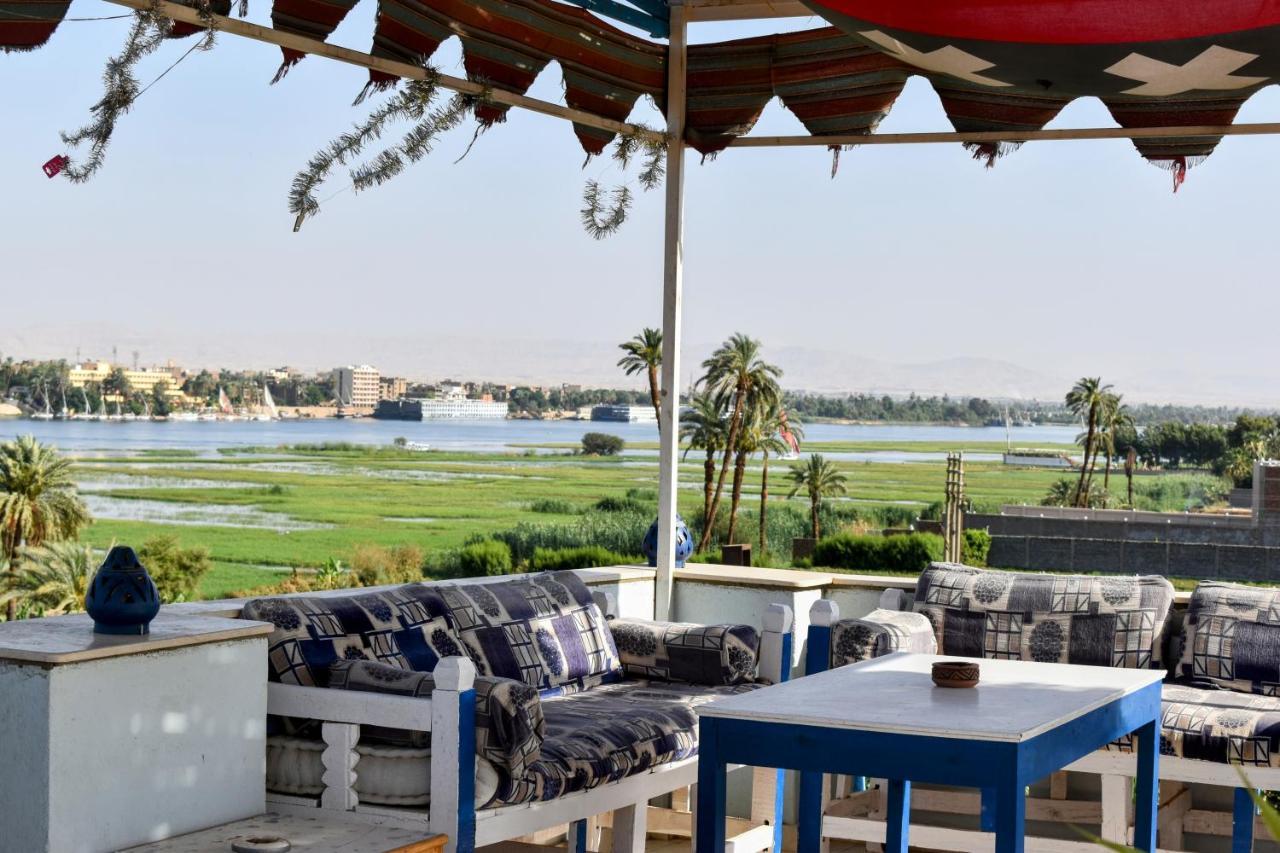
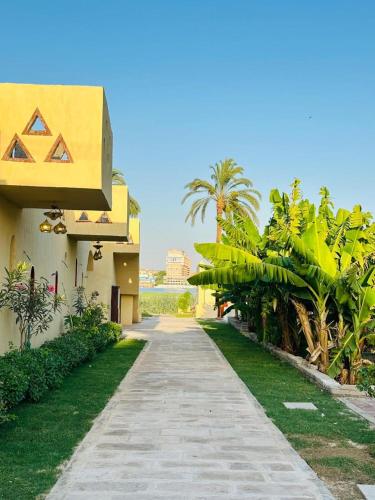
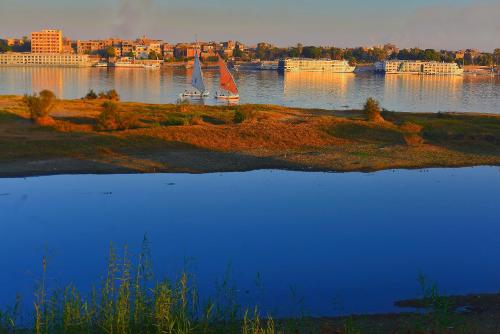
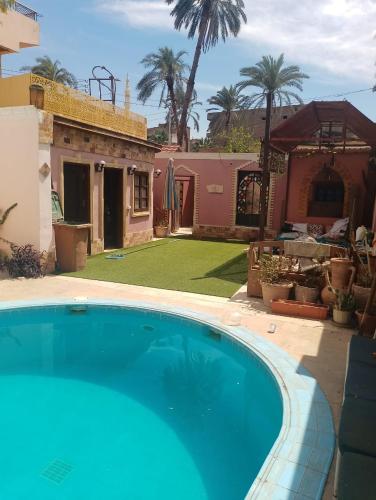
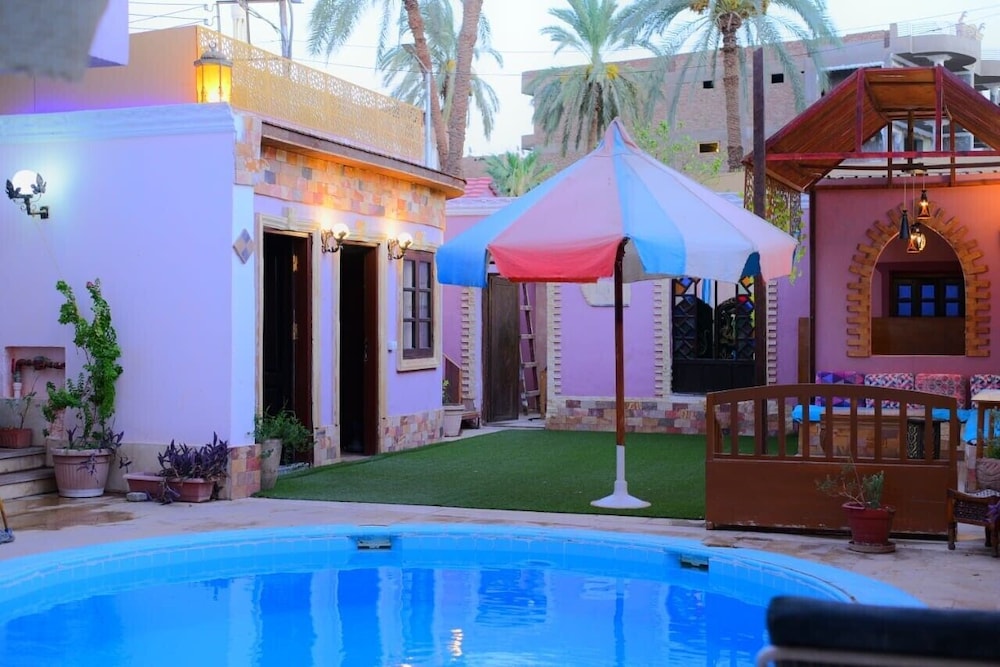
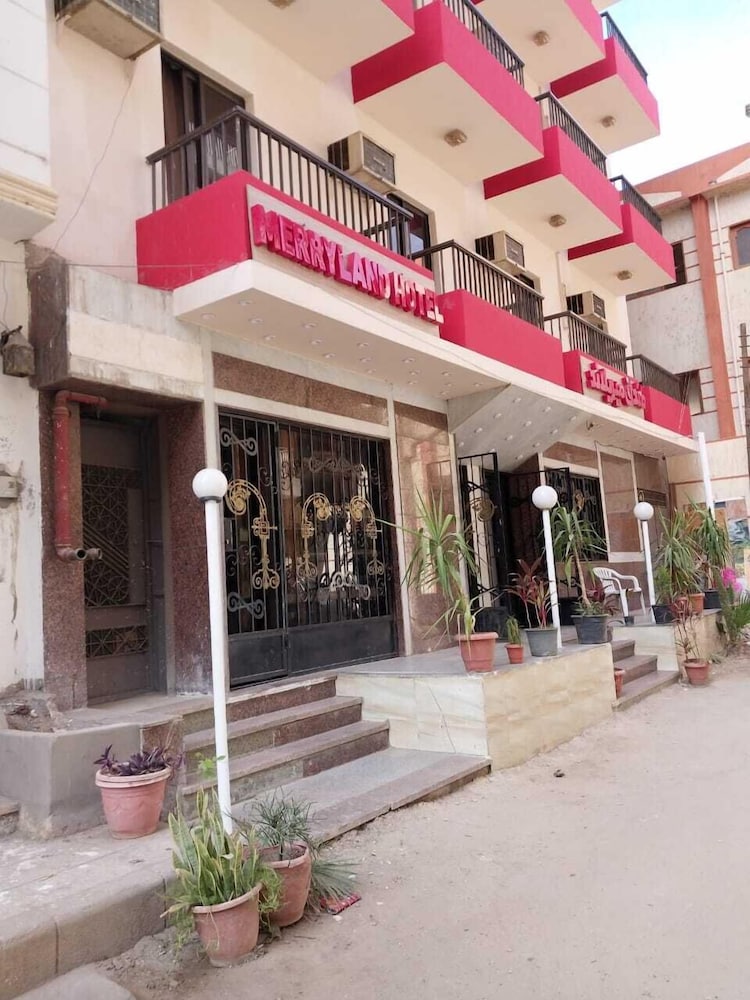
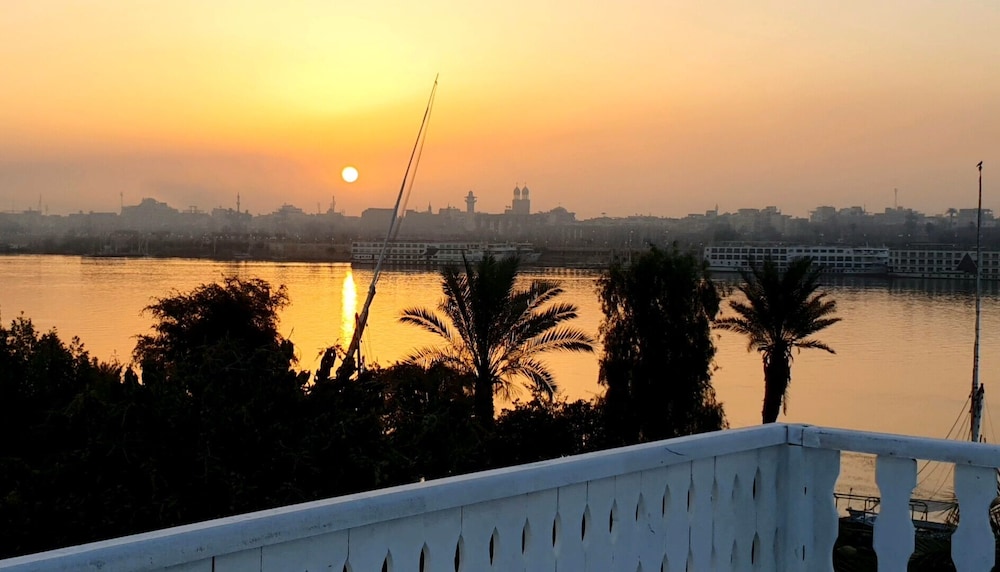
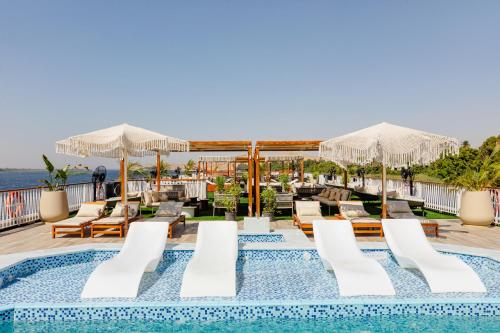
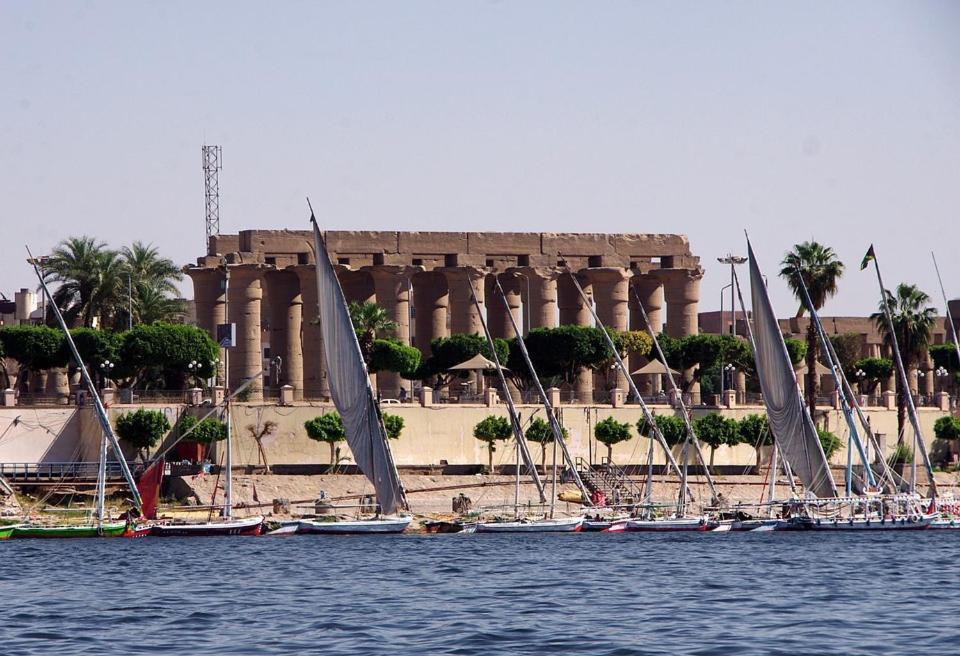
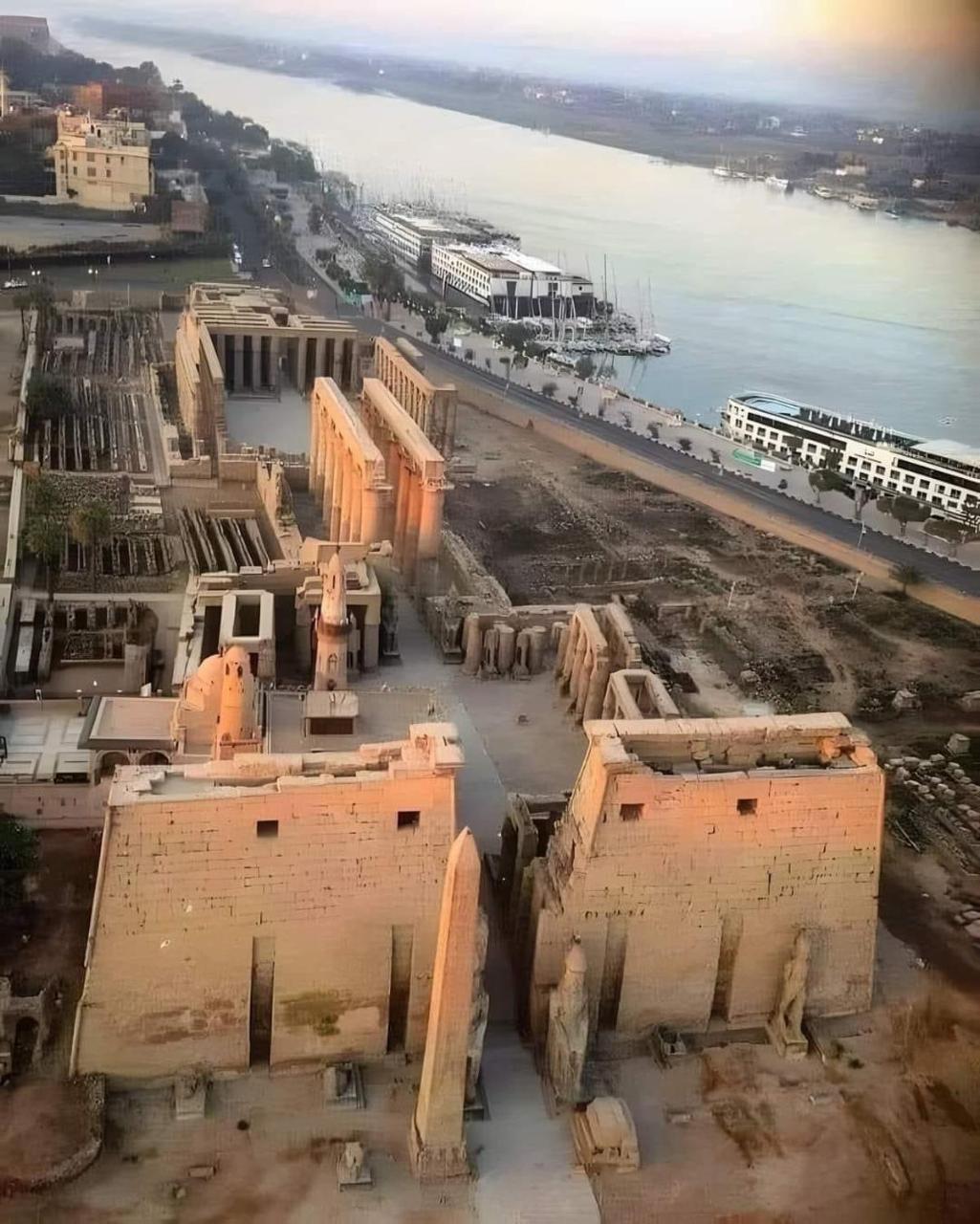
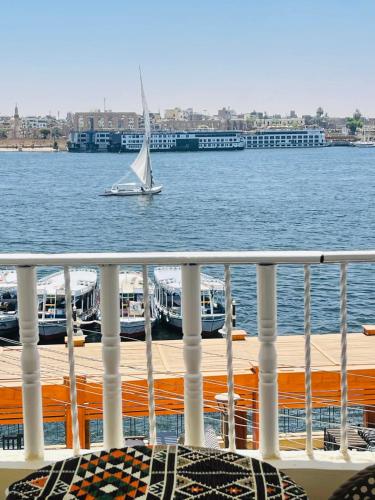
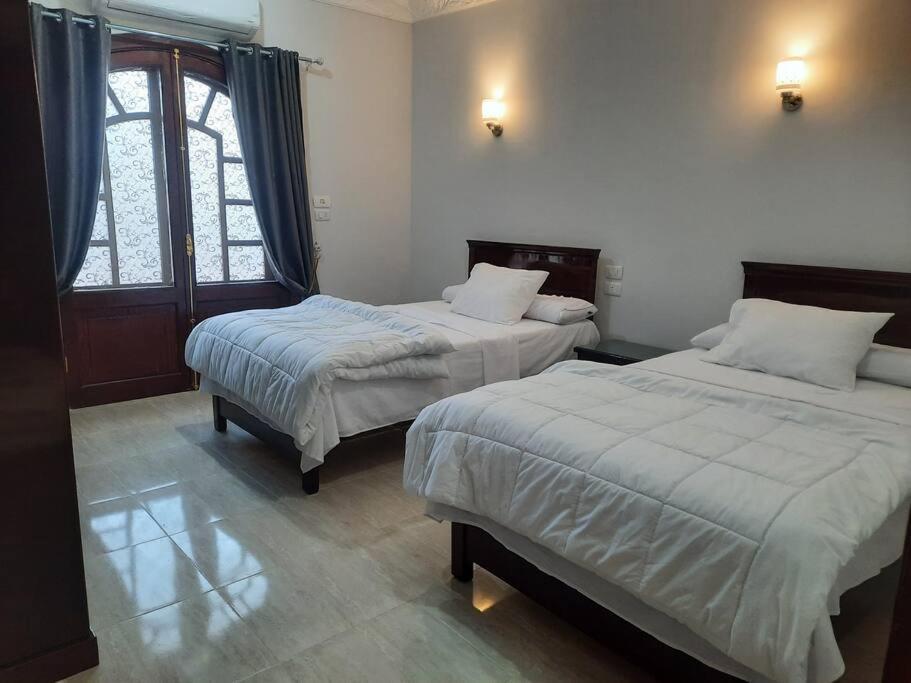
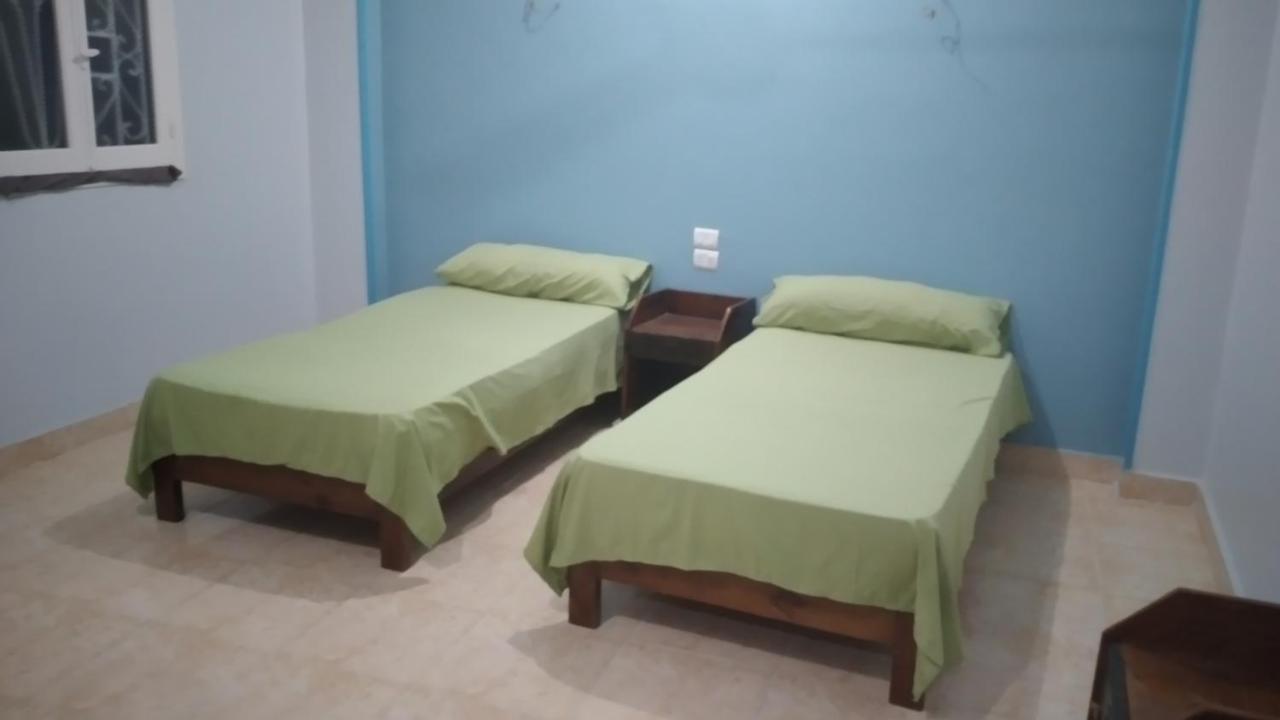
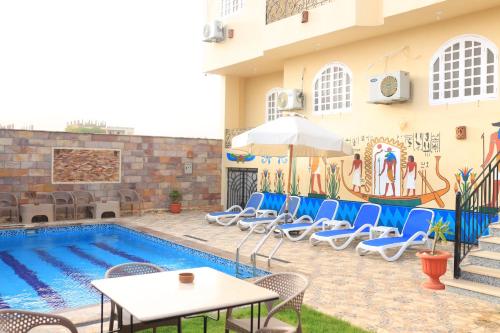
Stay on the East Bank if it is your first visit. The Corniche al-Nil strip between Luxor Temple and the Winter Palace puts you within a 15-minute walk of the temple, the souq and the train station, and a short taxi from Karnak, 3 km north. This is where most 4- and 5-star Nile-view hotels sit, and where nightly rates run highest. Luxor City Center, one block back from the Corniche, is cheaper by 20-40% for essentially the same location, and Al-Awameyah to the north-east is where you find the budget guesthouses used by backpackers heading on to Aswan.
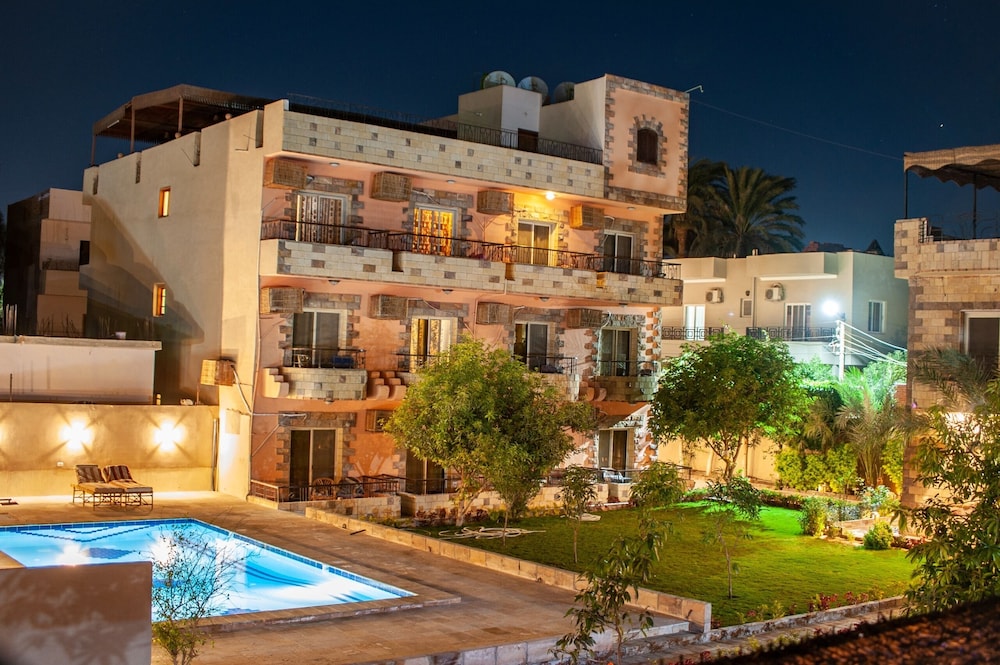
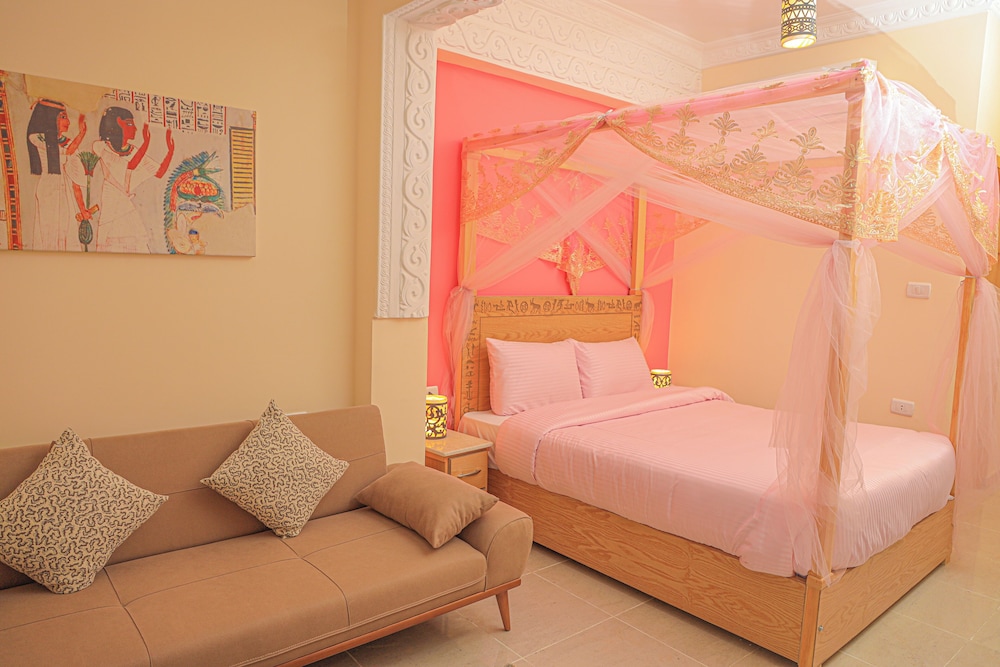
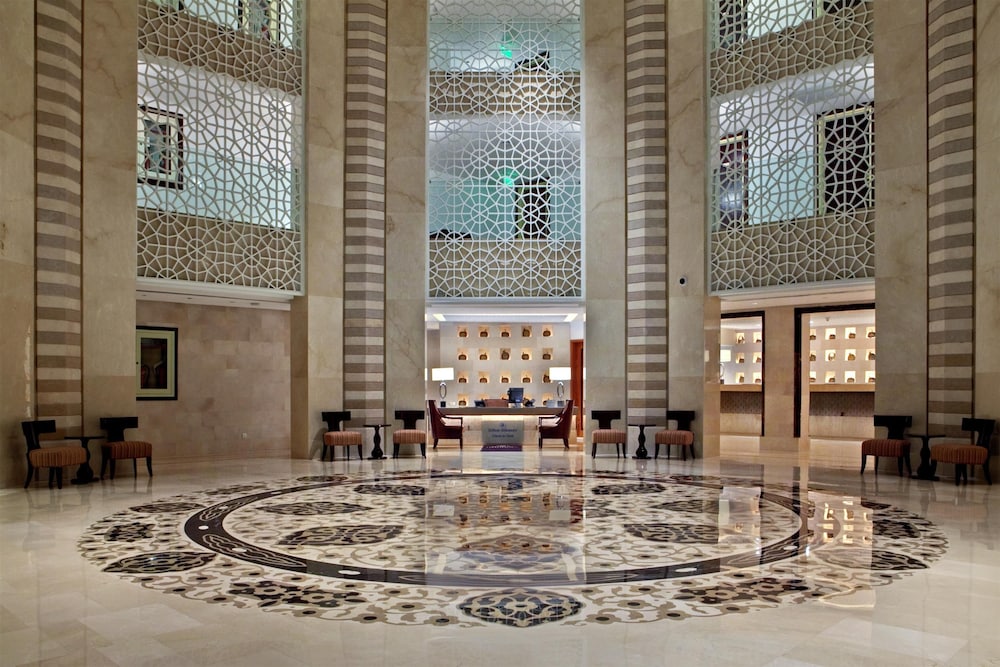
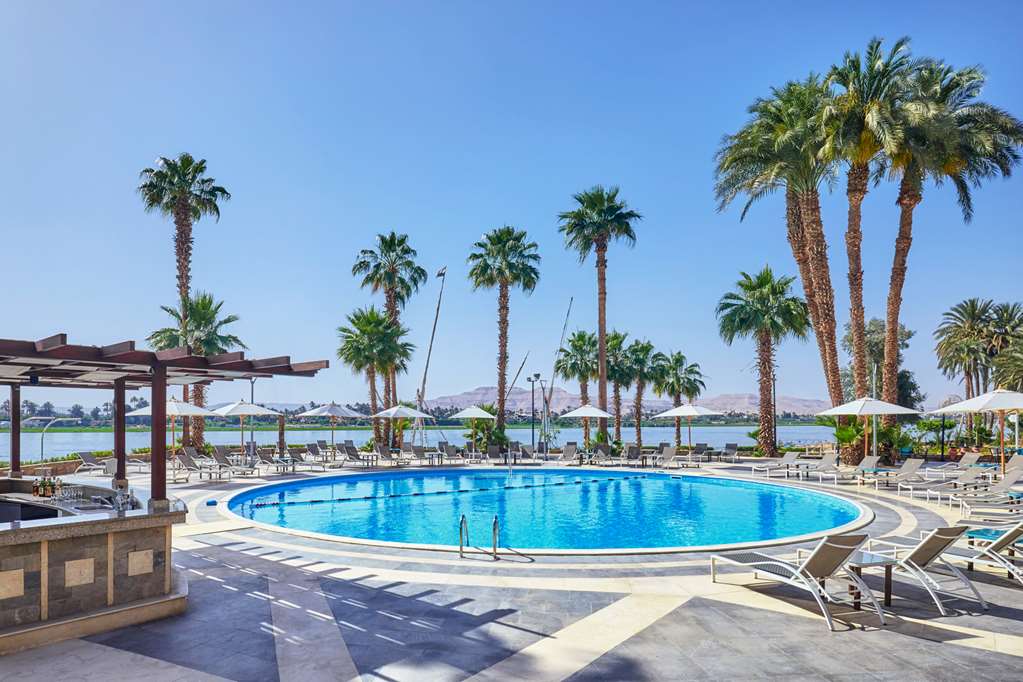
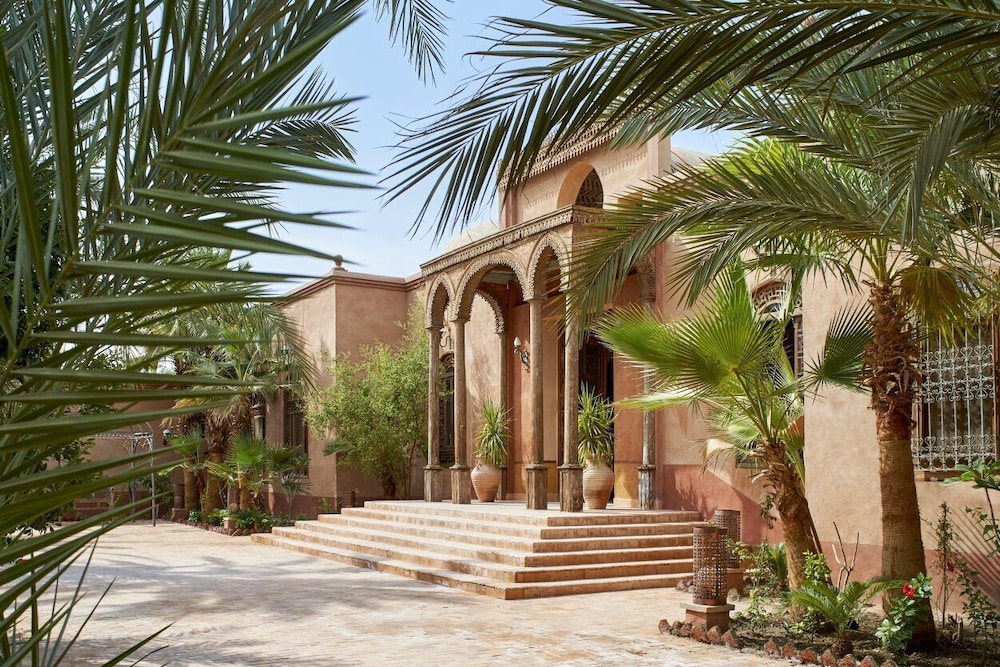
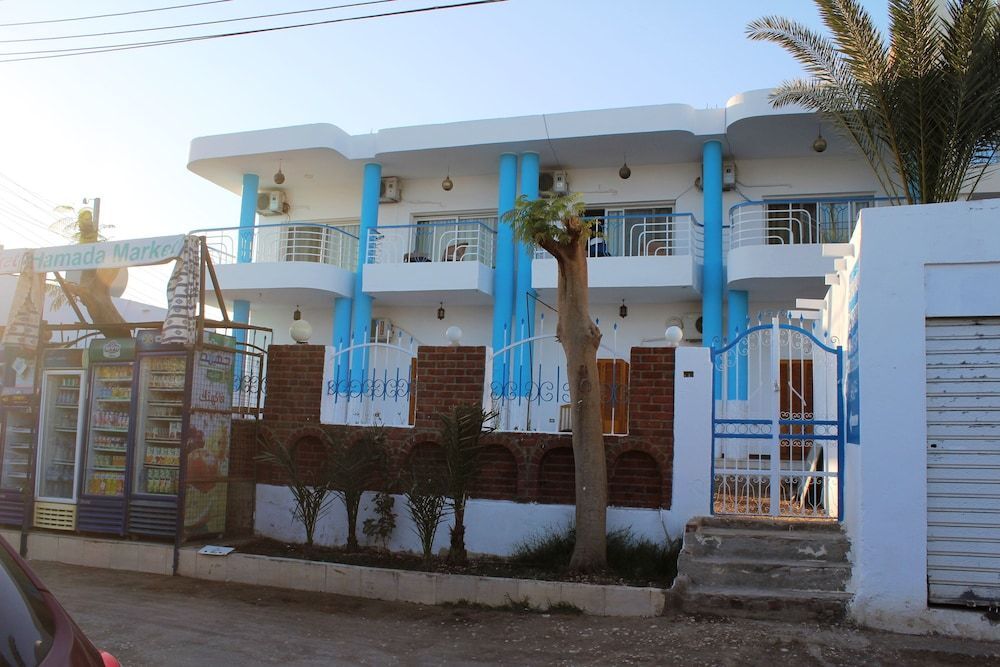
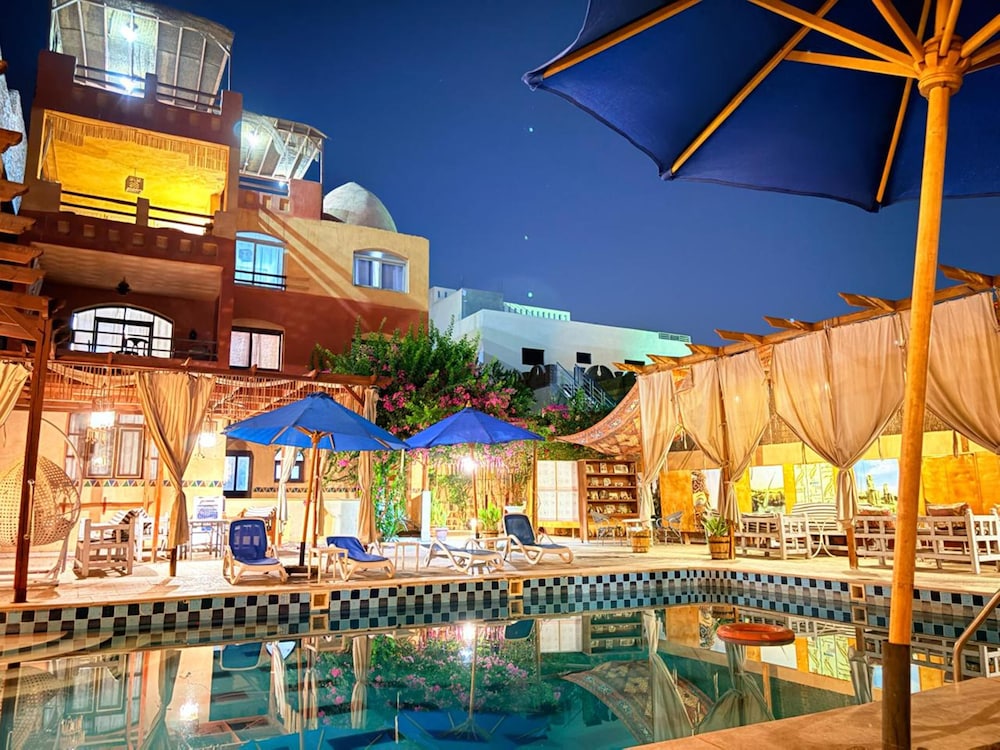
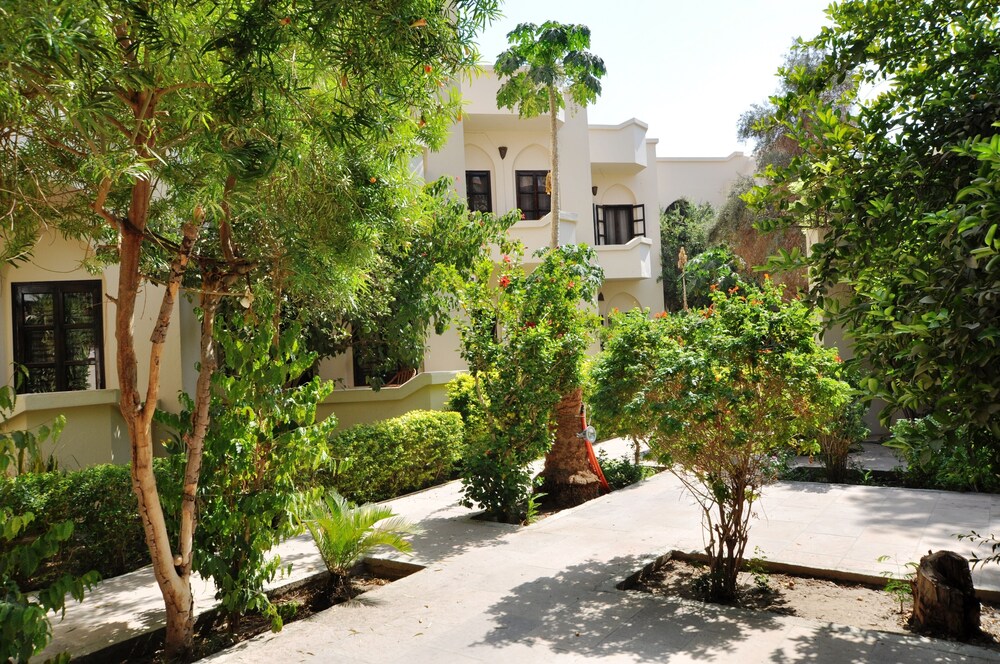
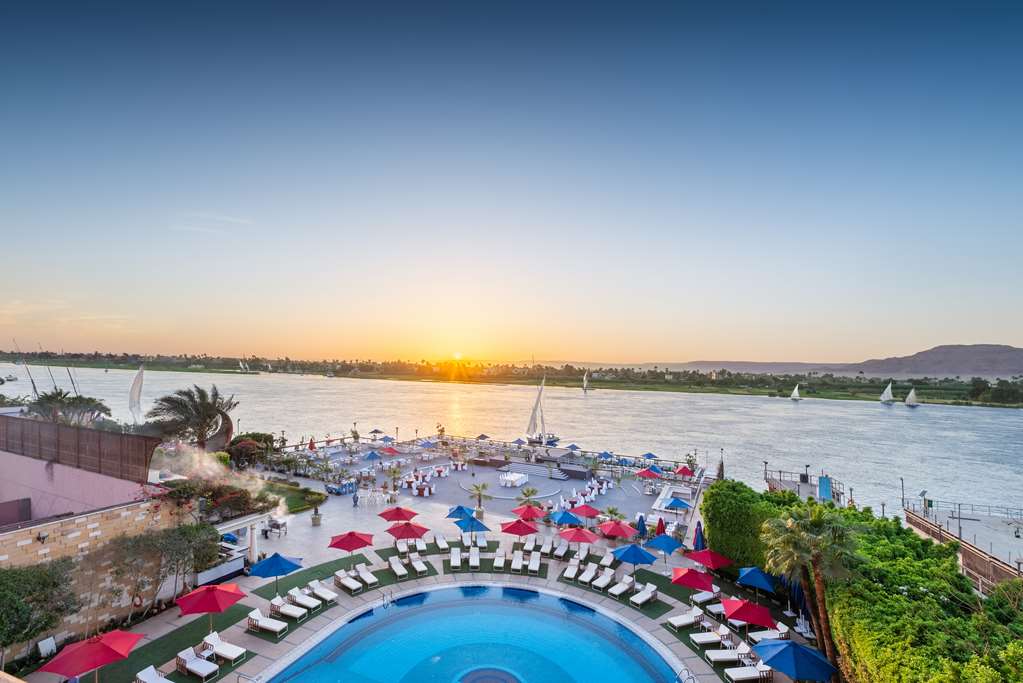


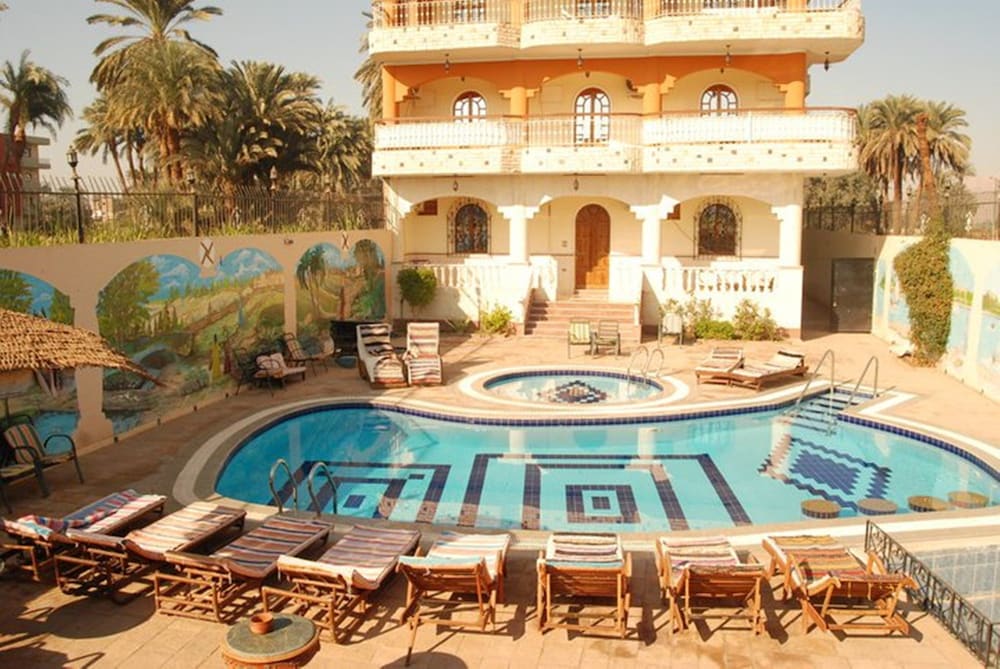
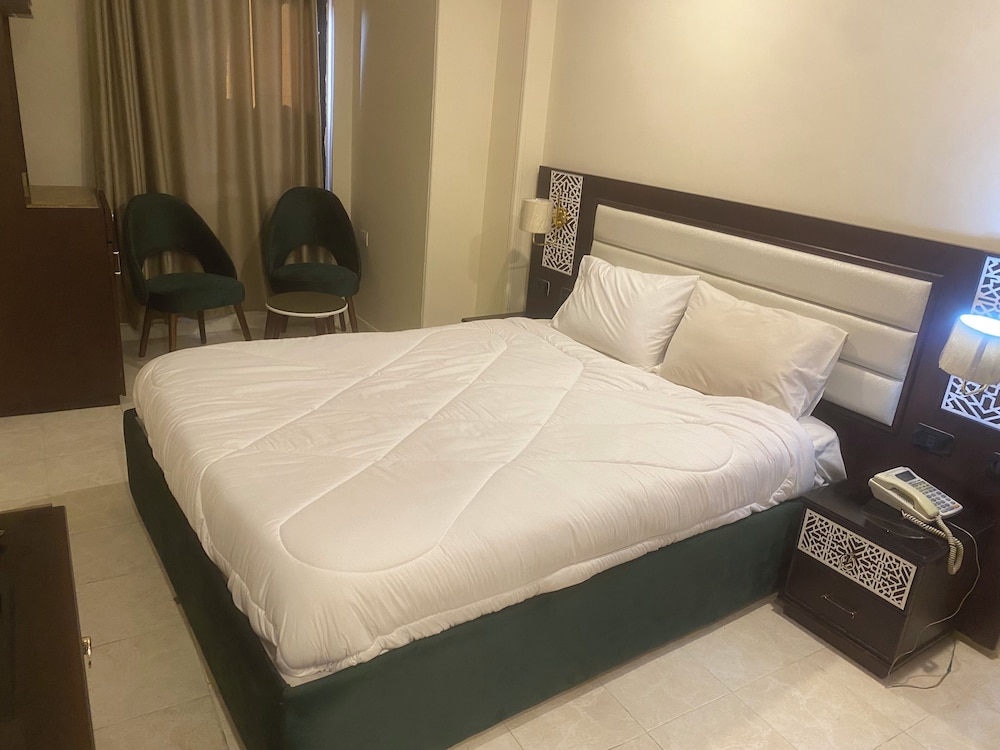
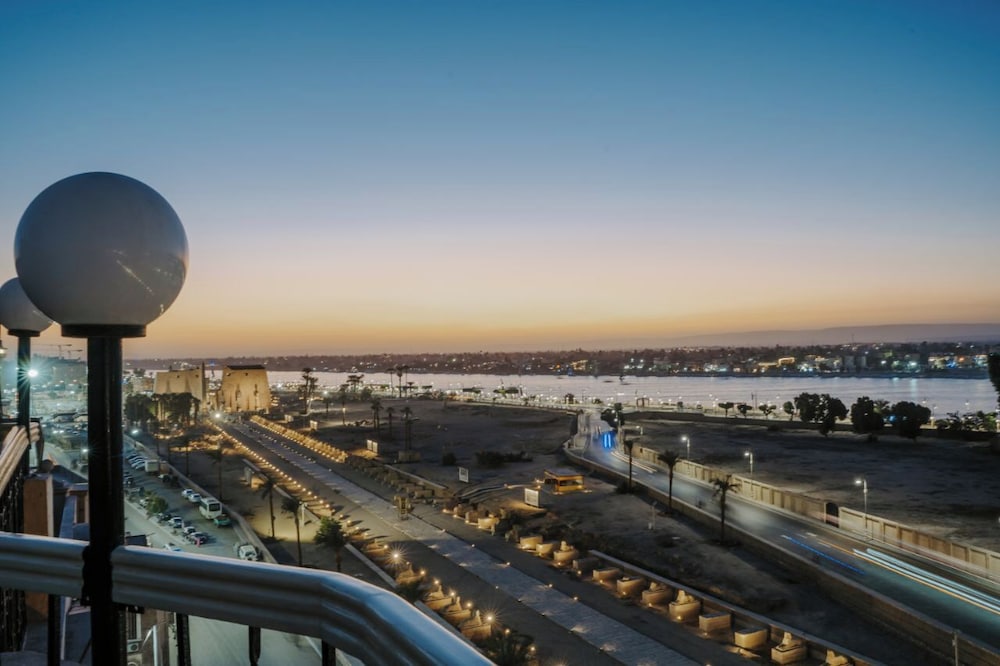
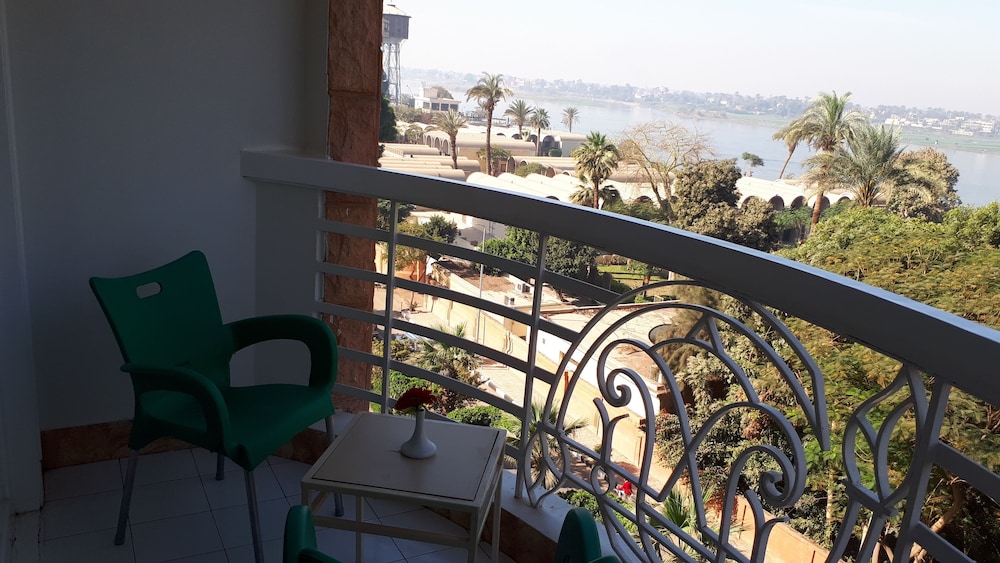


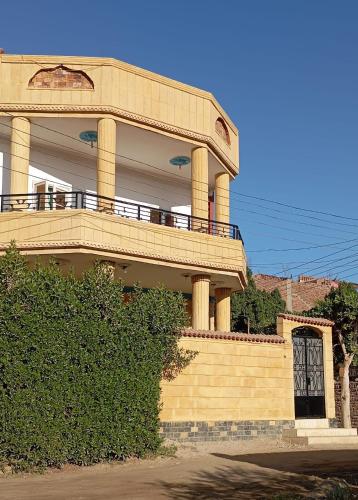
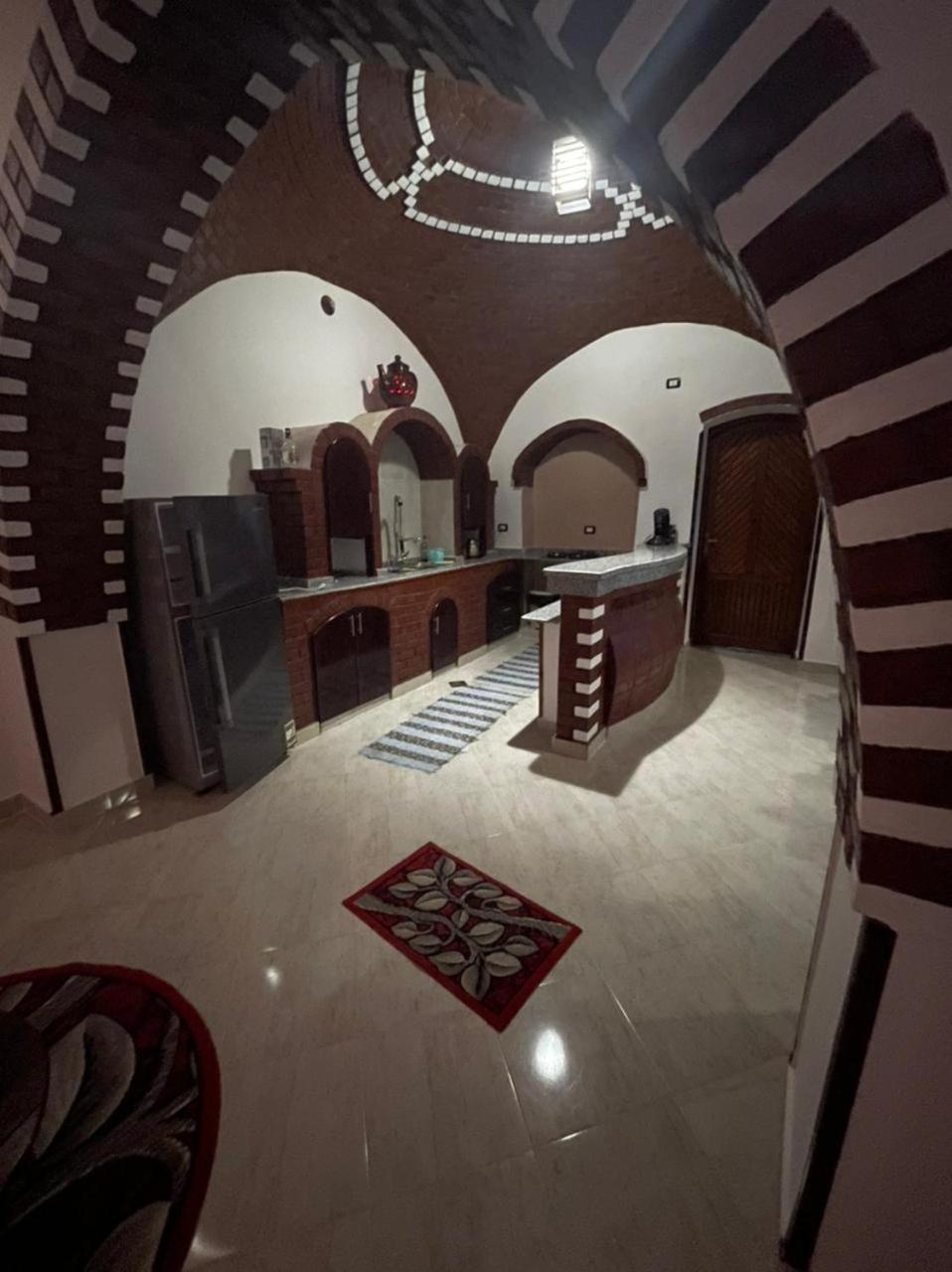
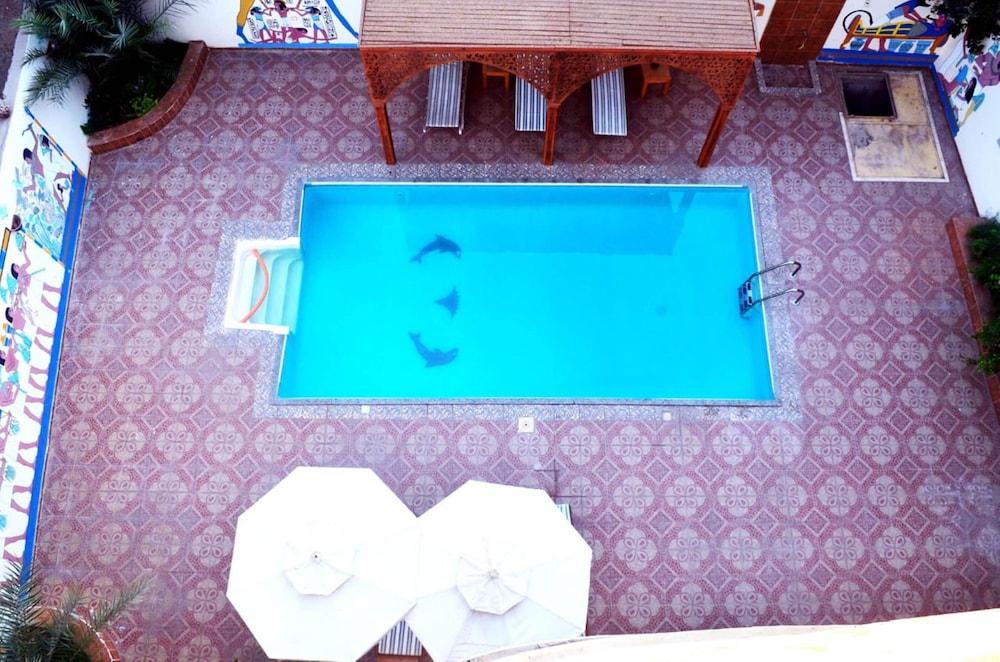
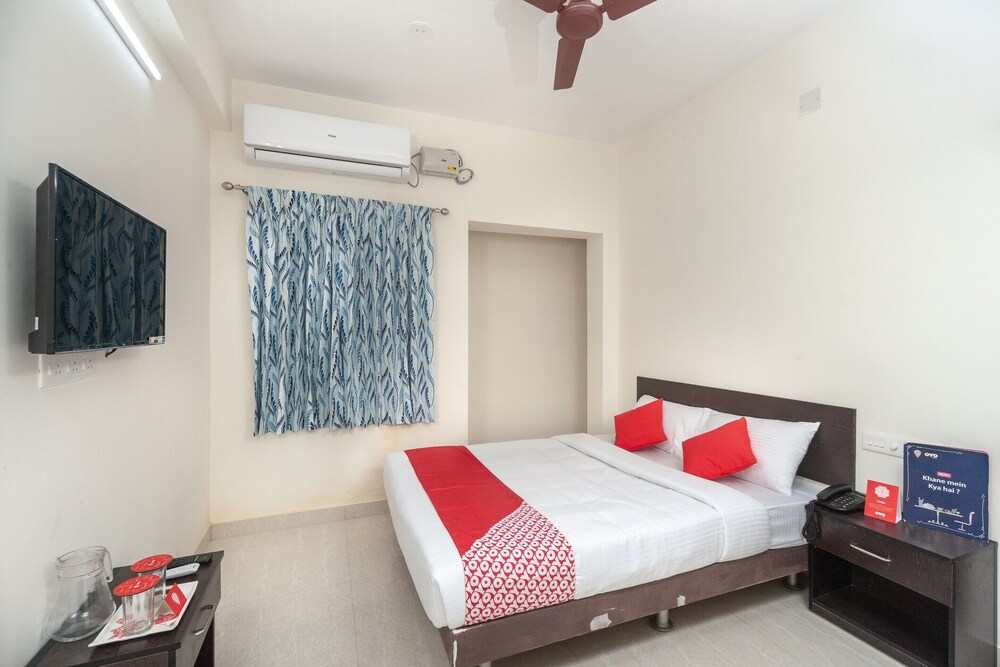
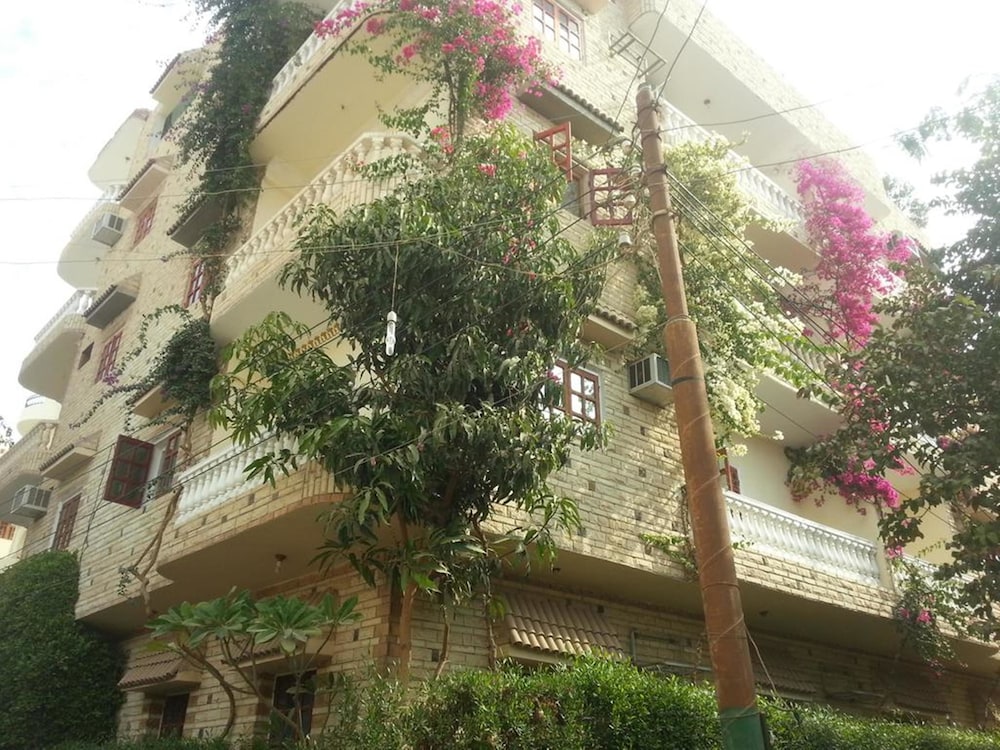
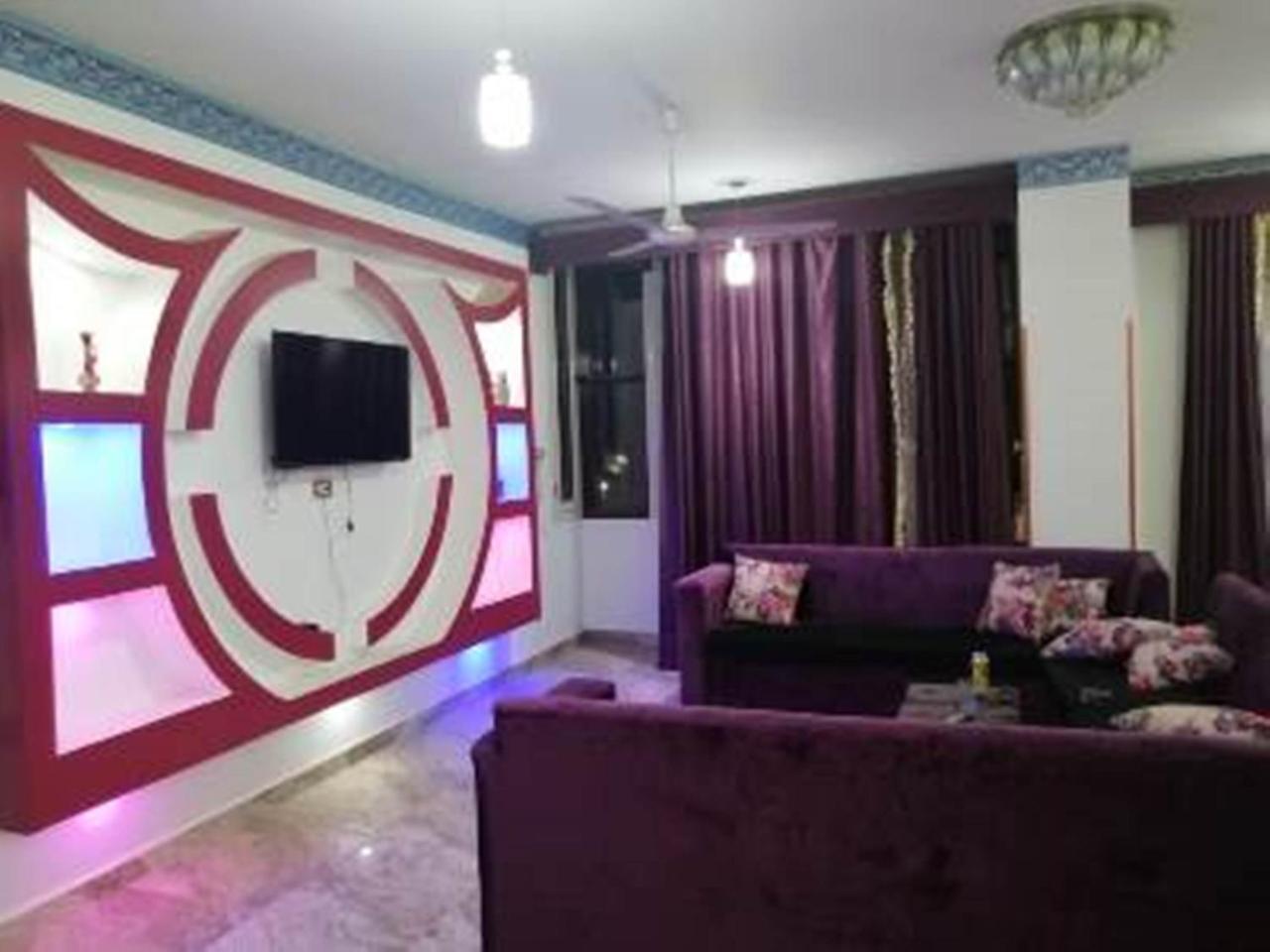
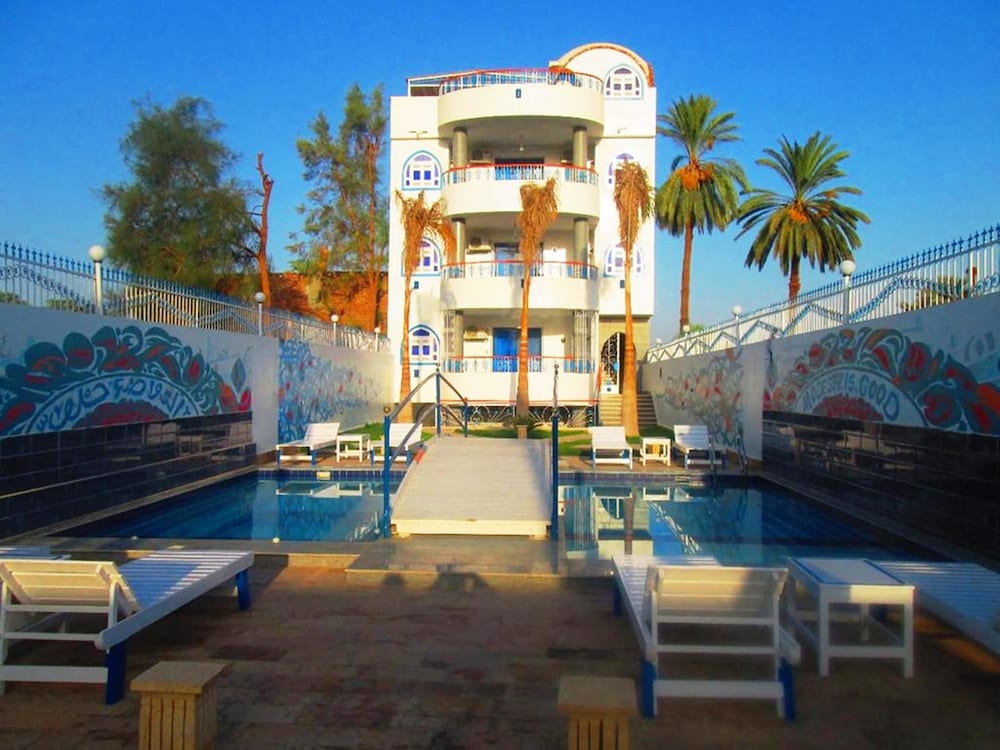
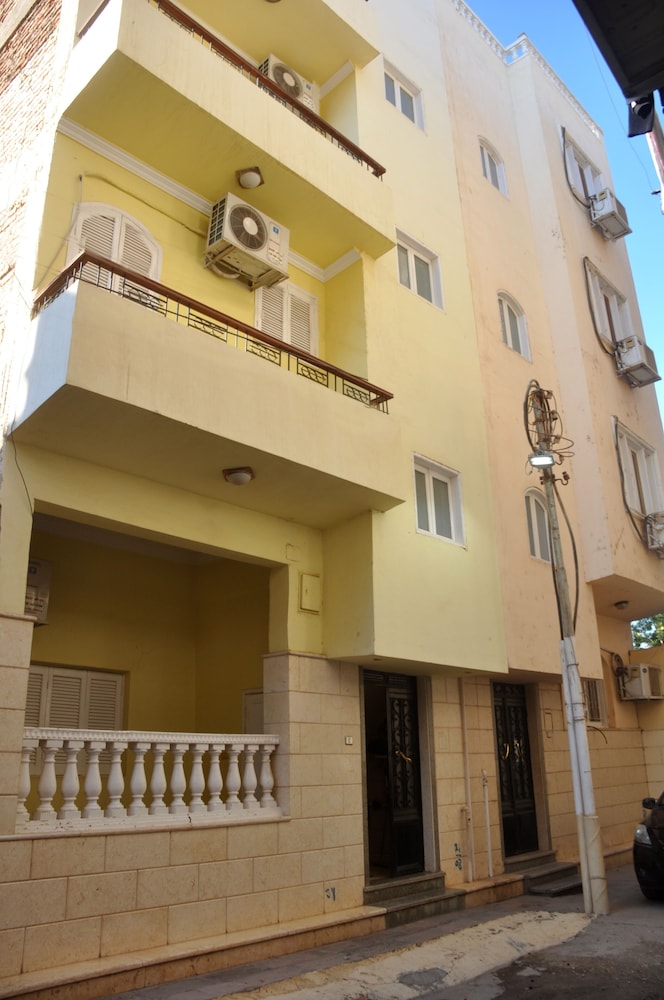
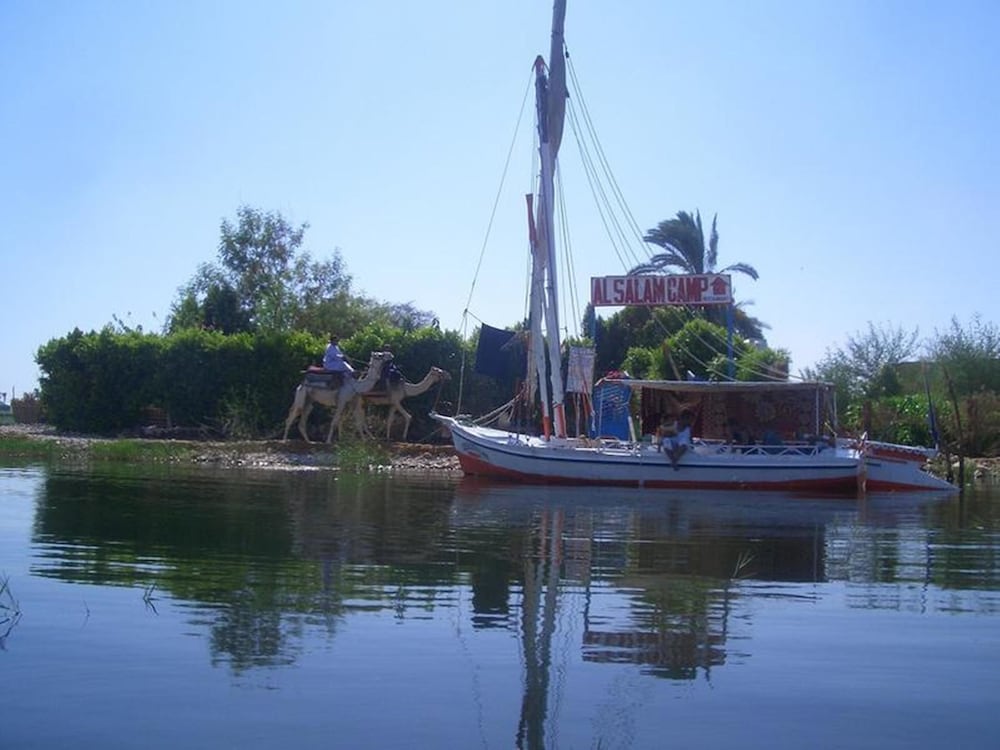
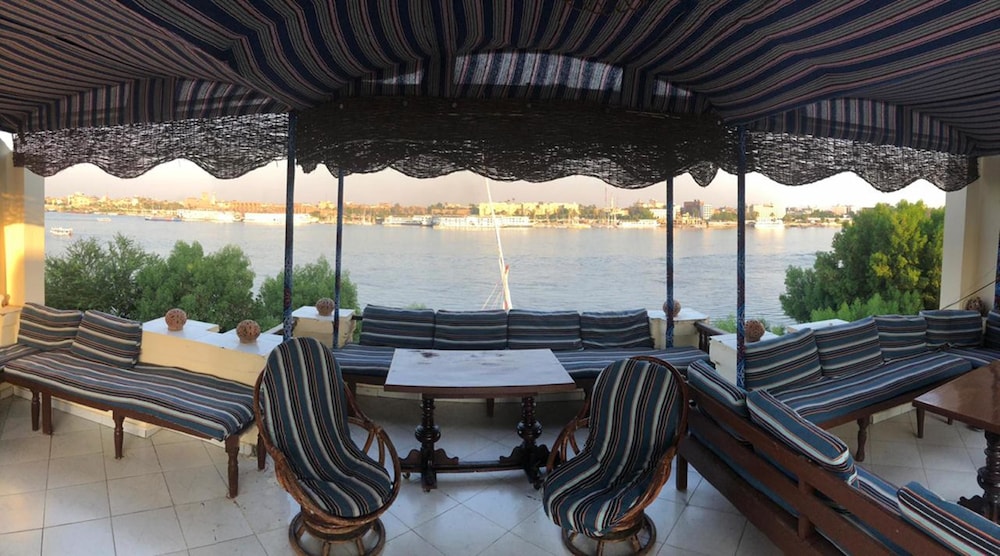
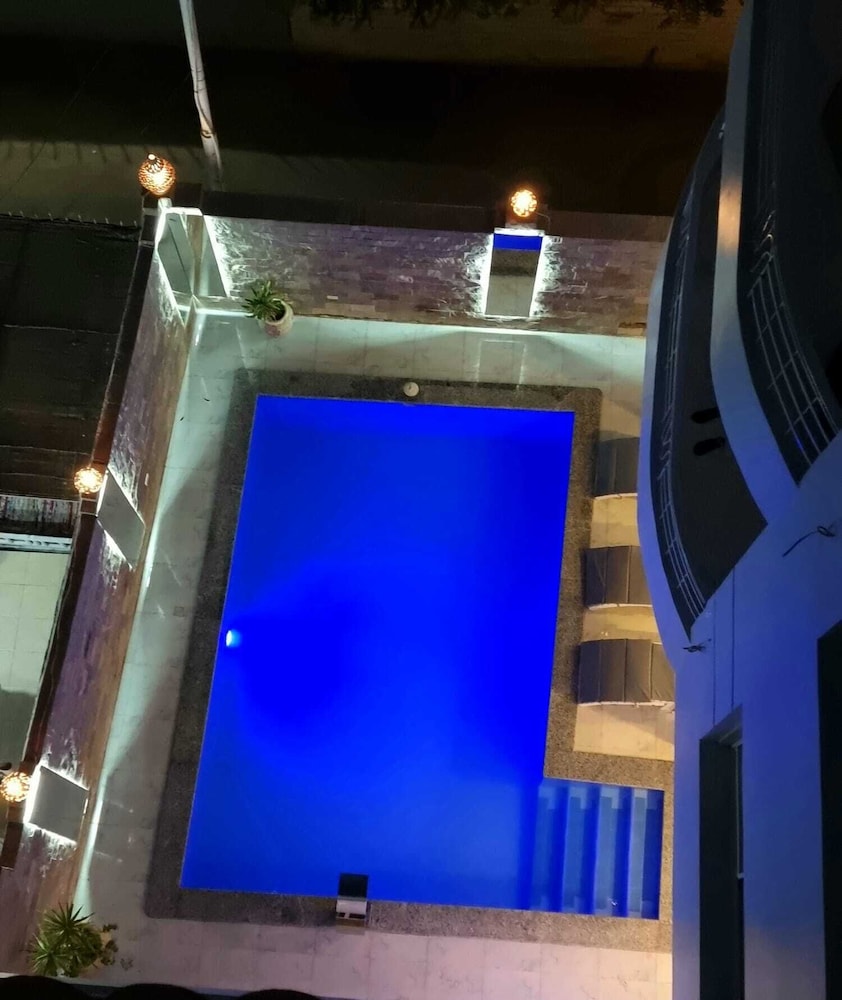
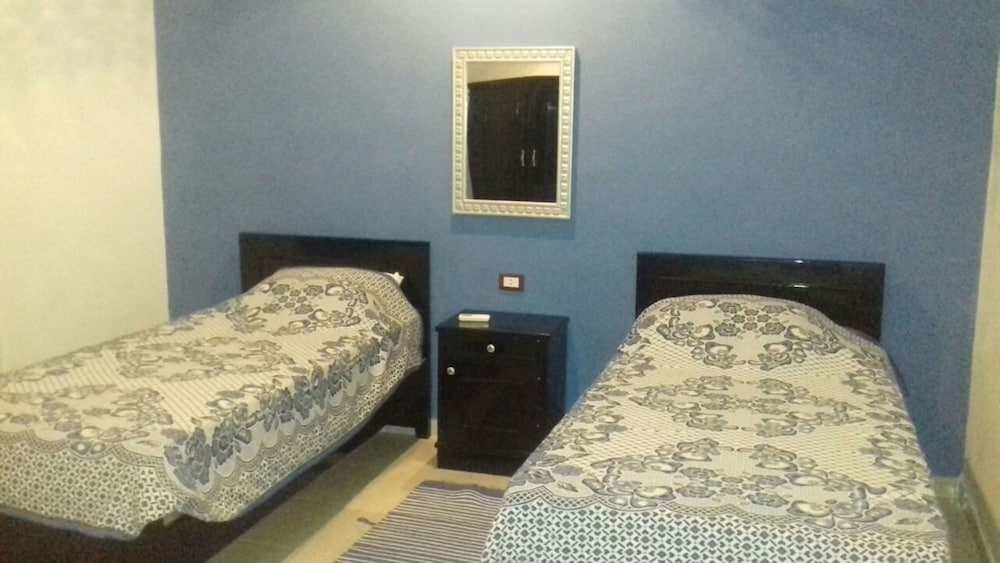
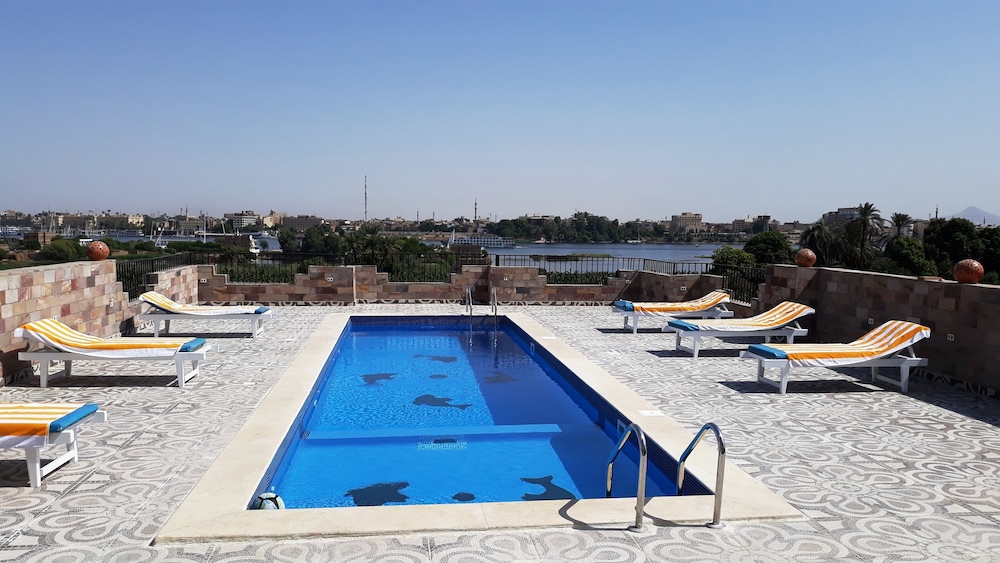
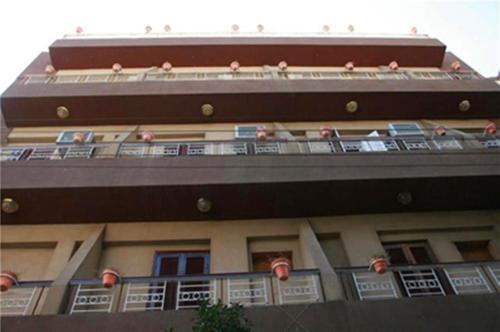
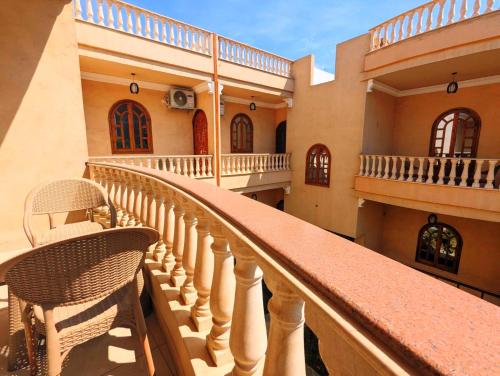
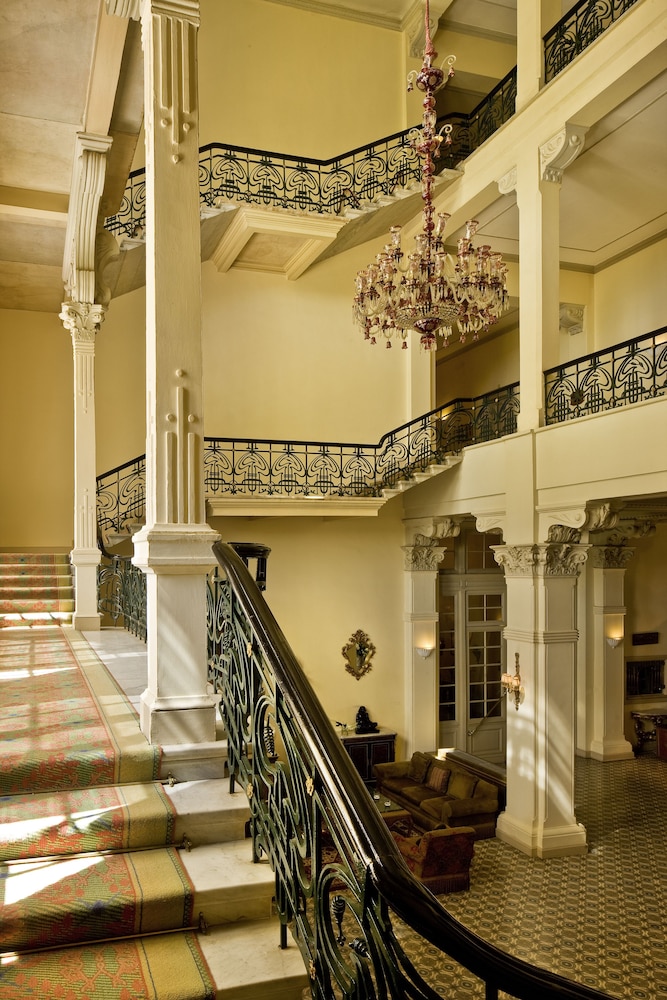
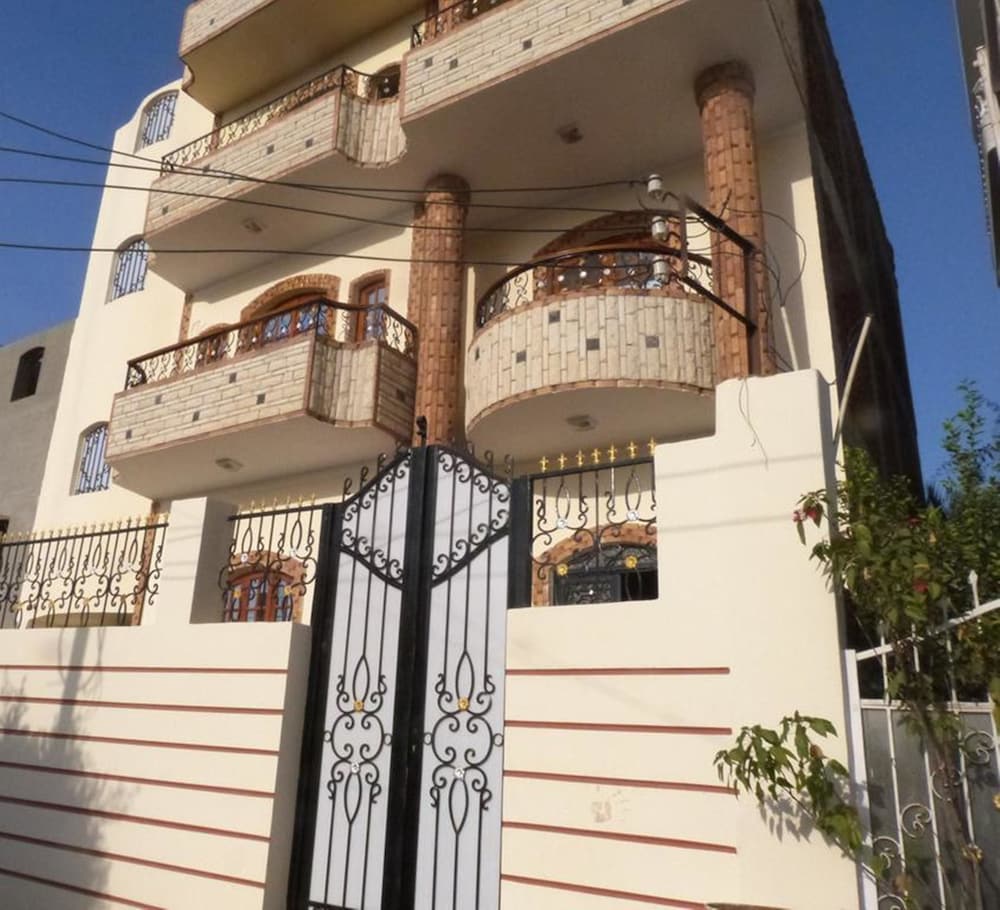

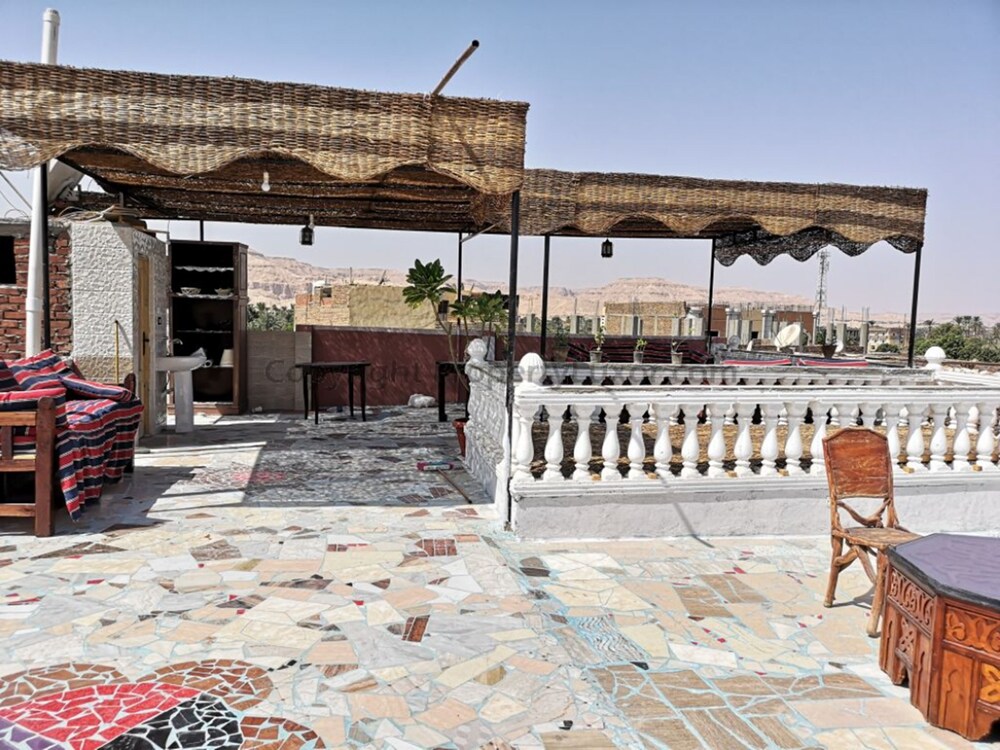
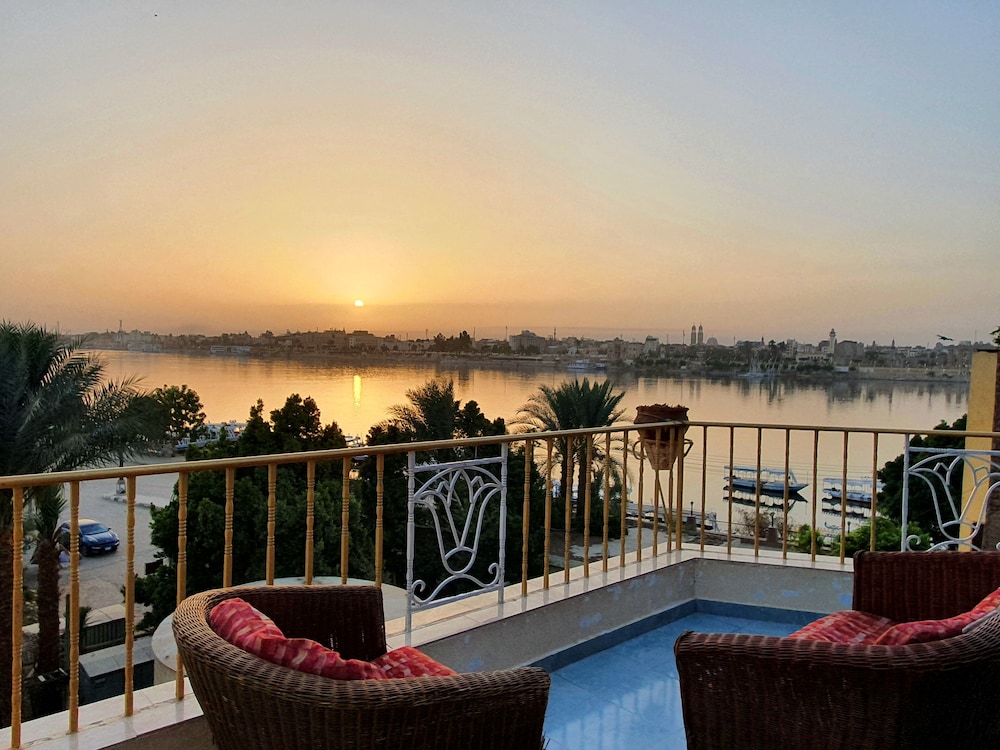
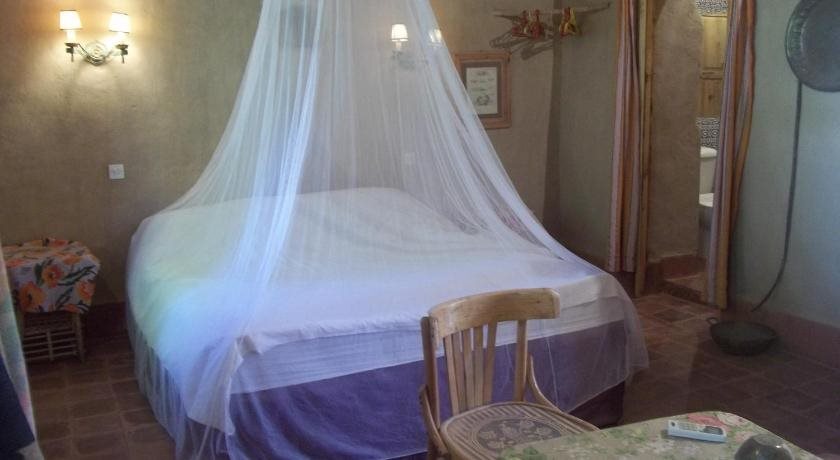
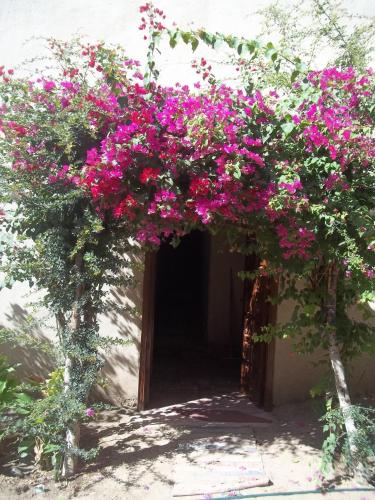
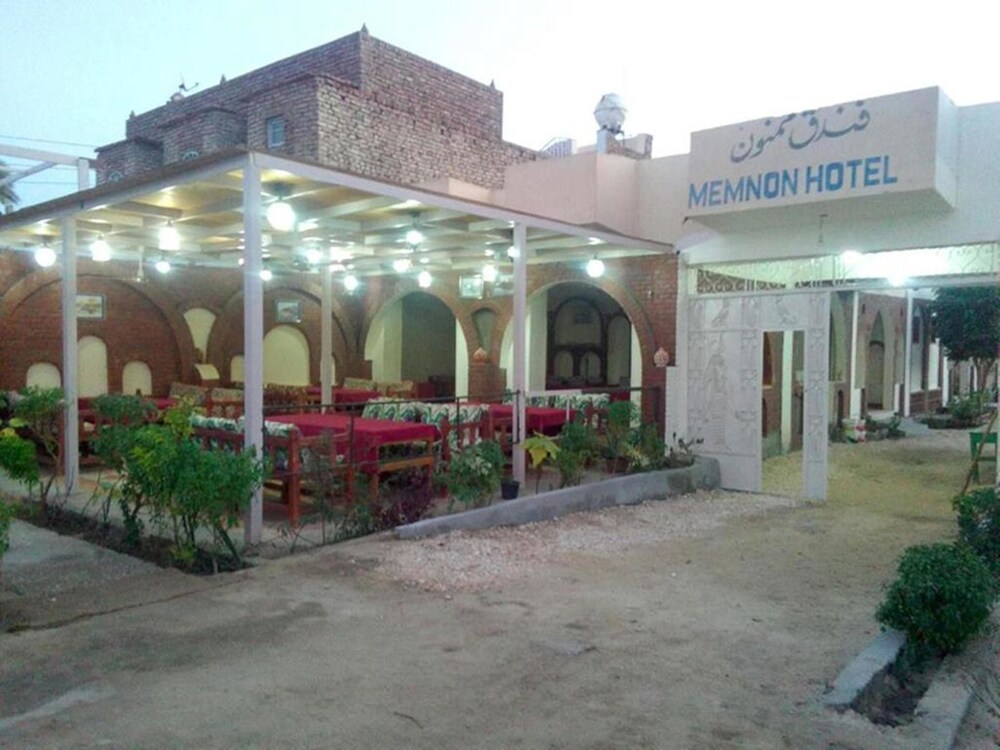


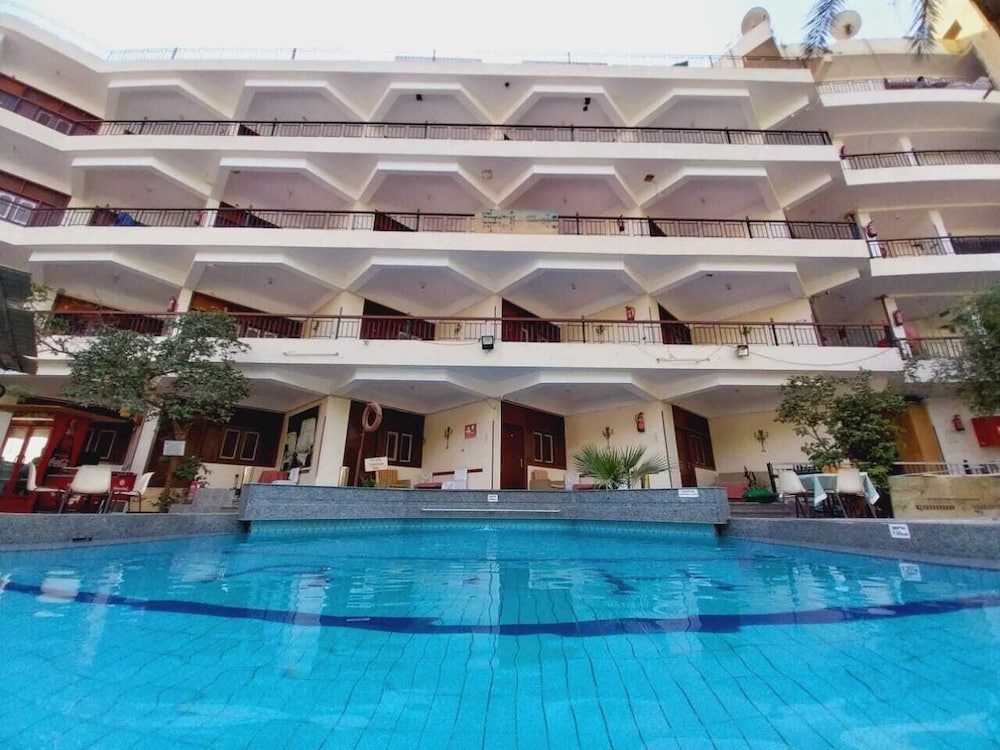
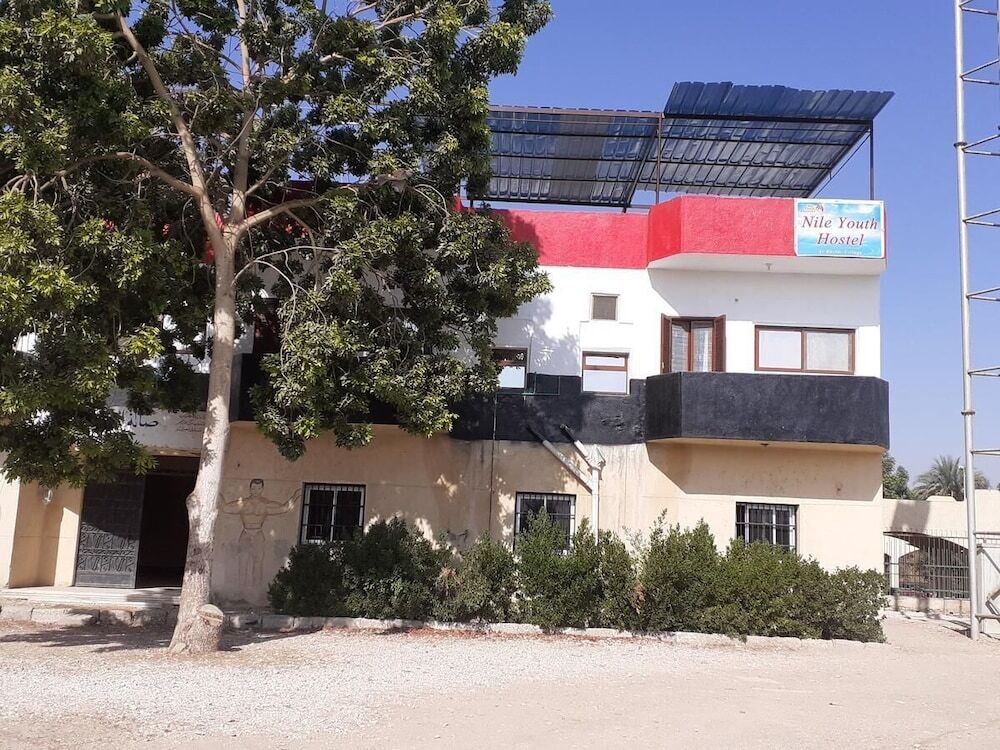
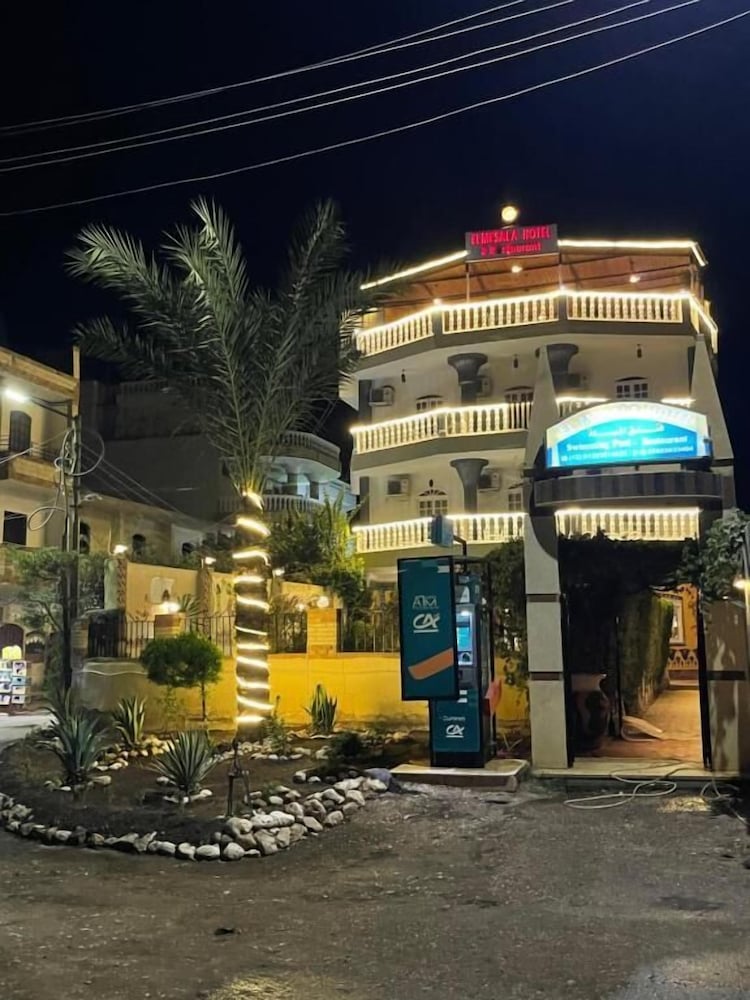
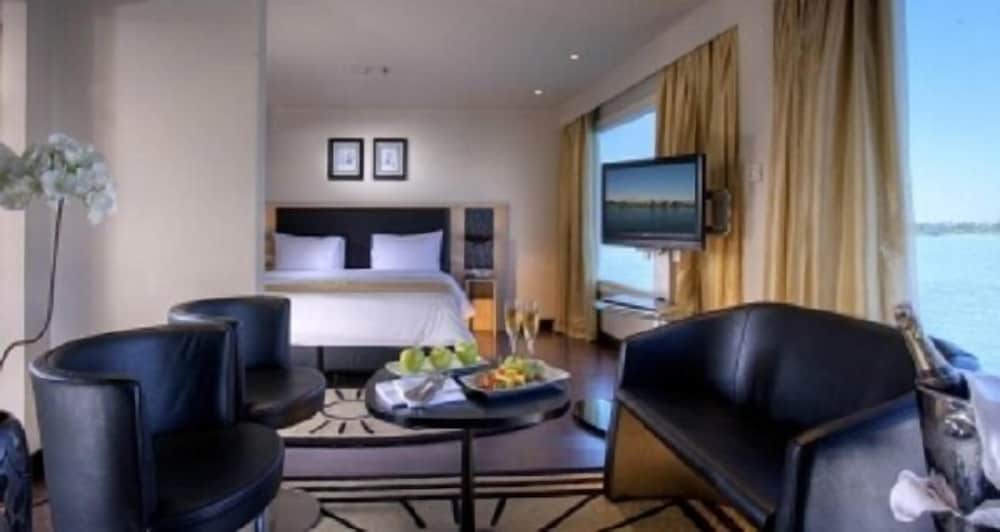
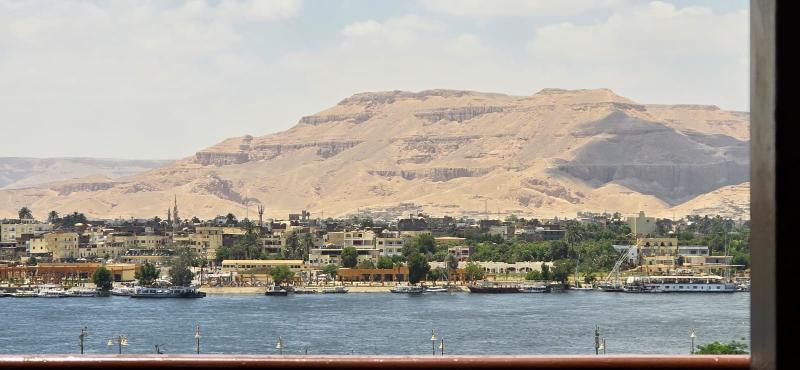
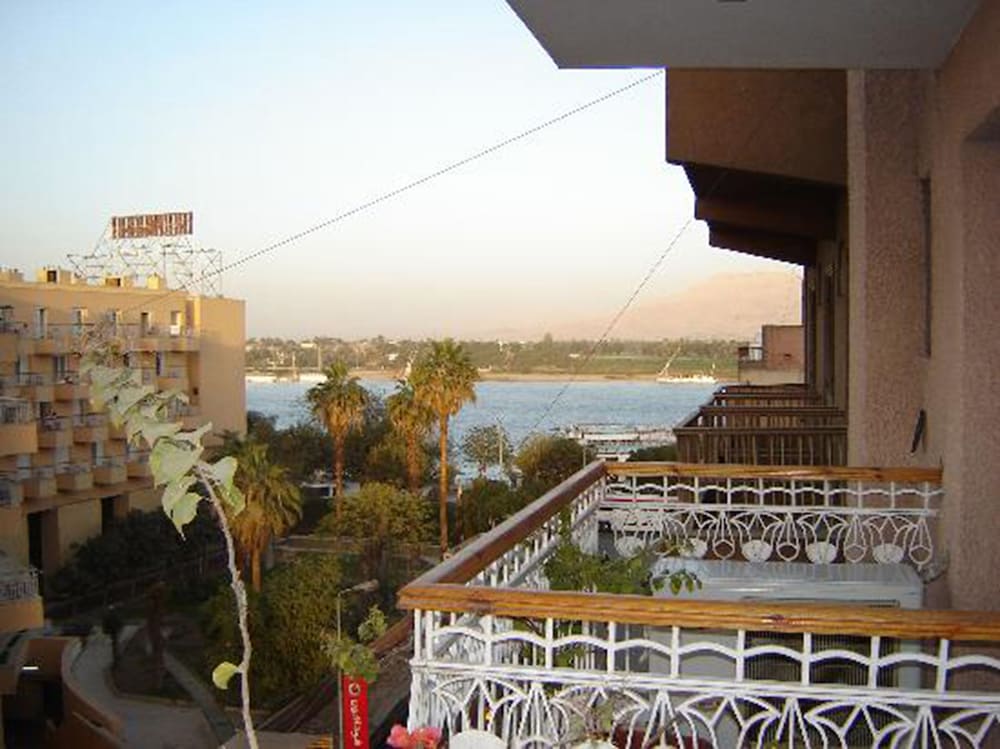
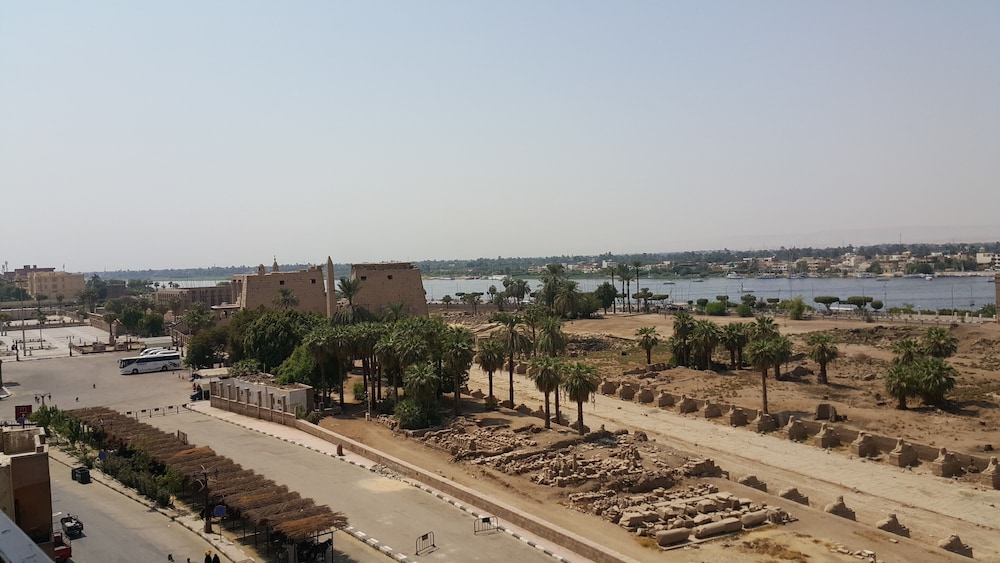
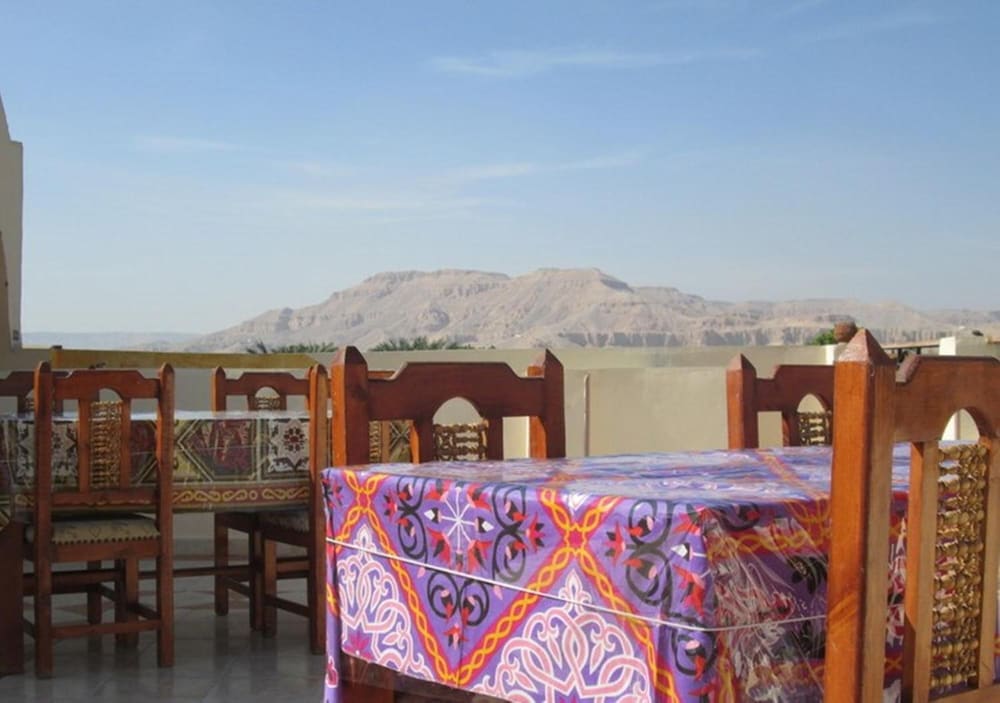
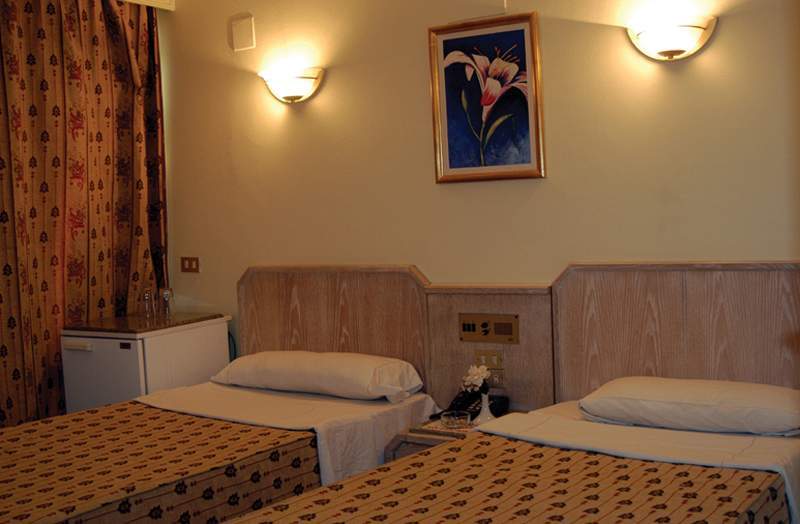
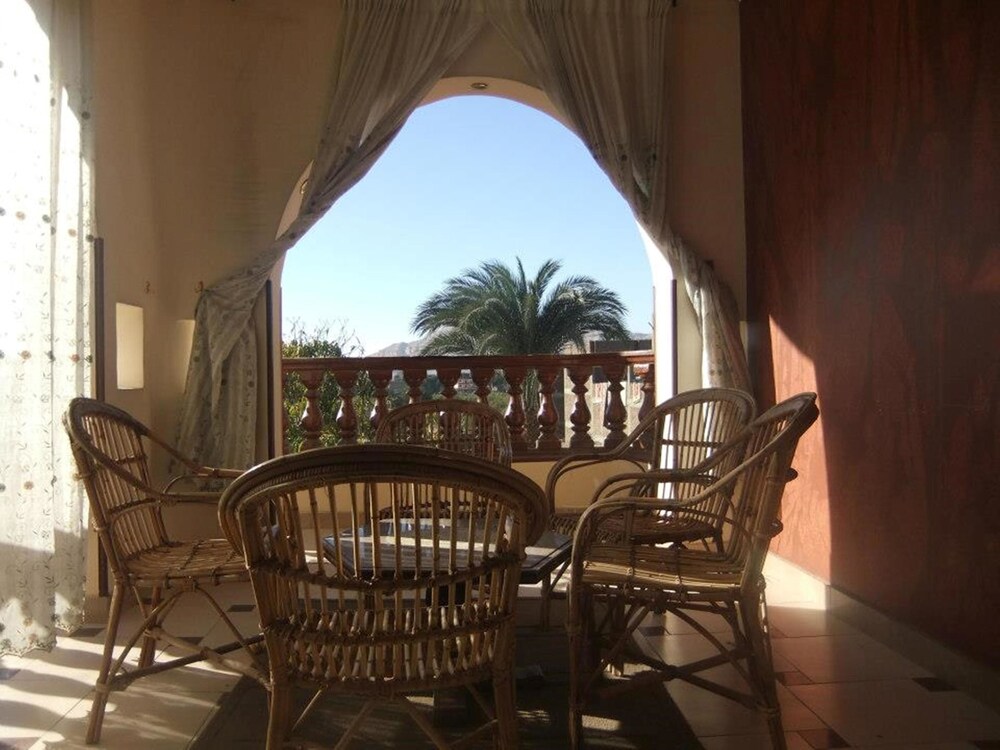

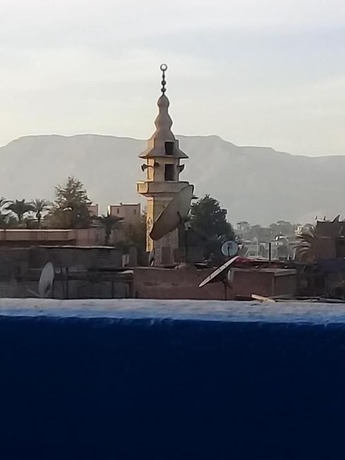
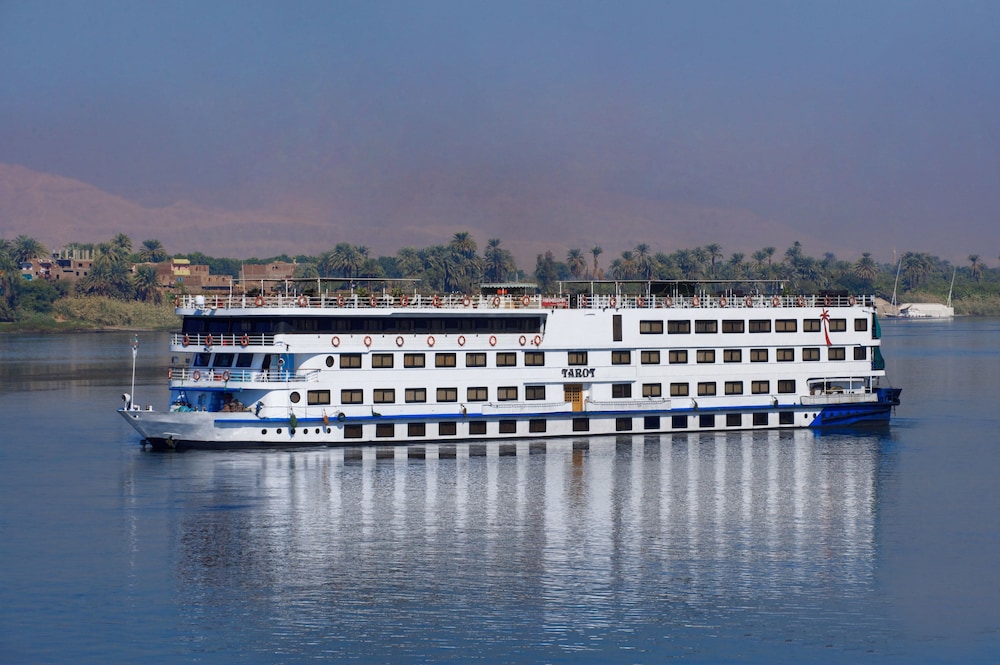
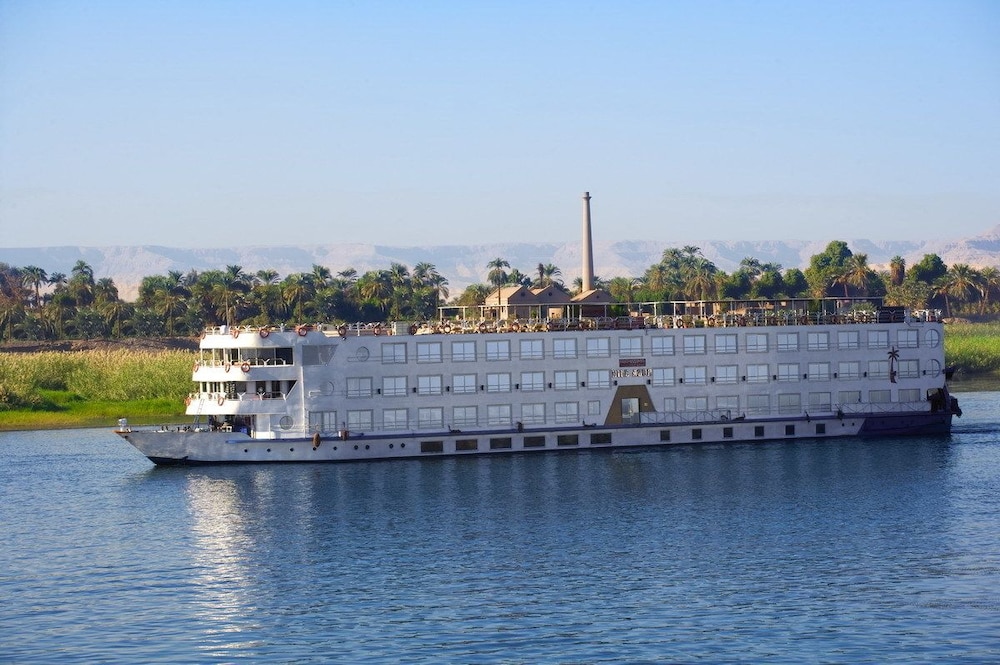
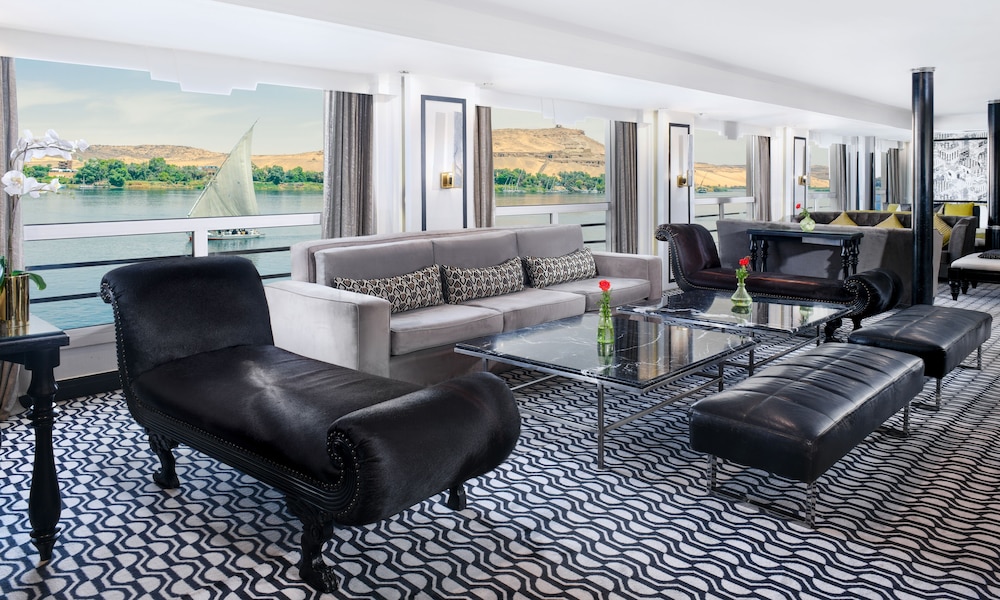


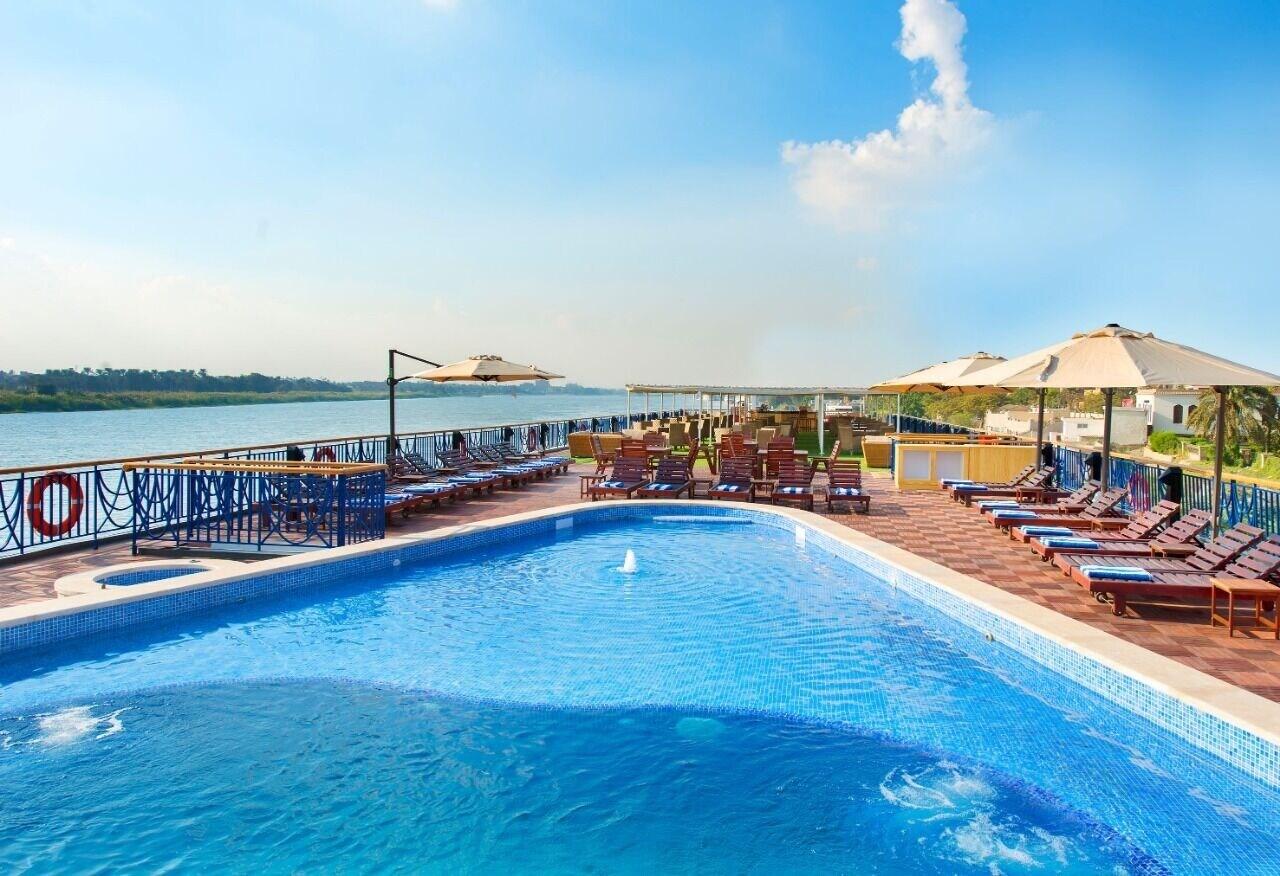
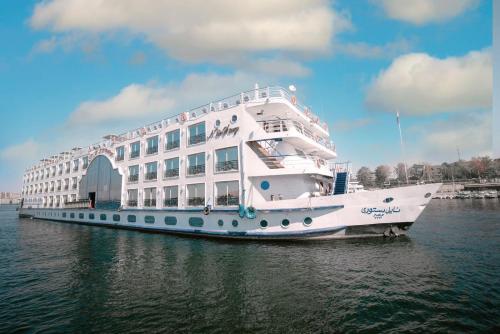
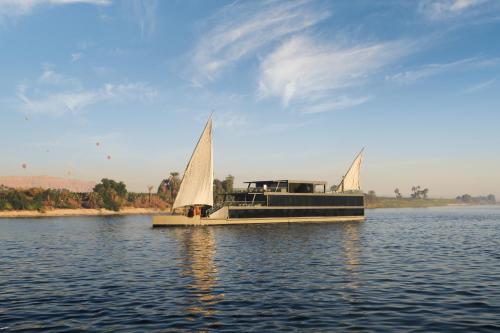
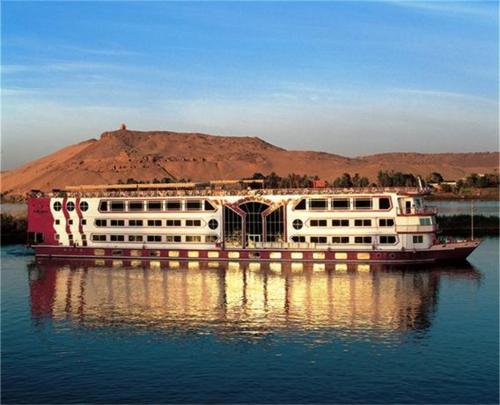

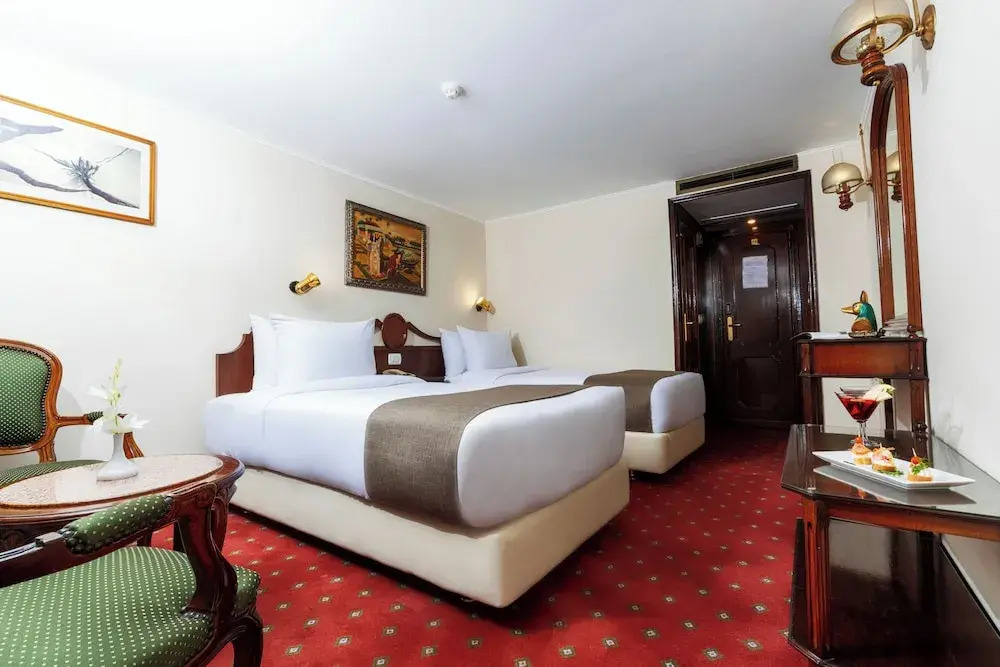
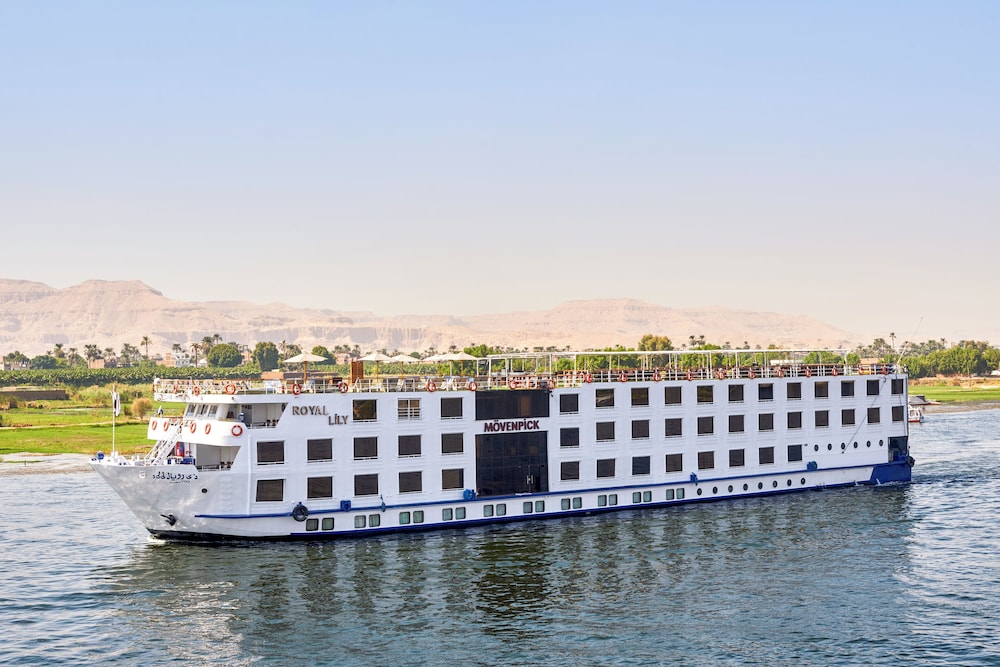
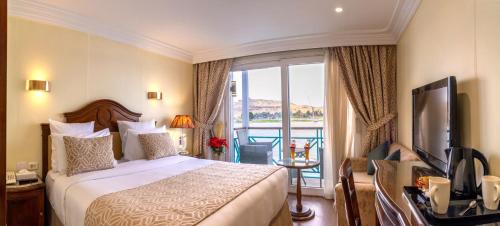
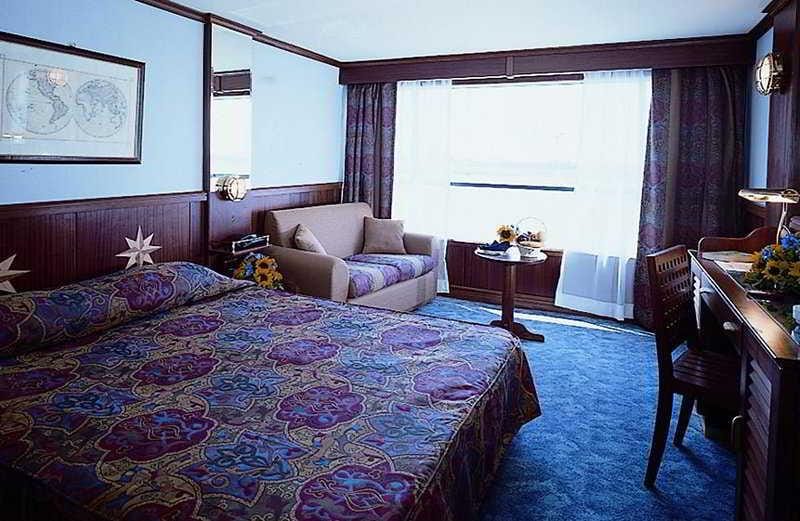
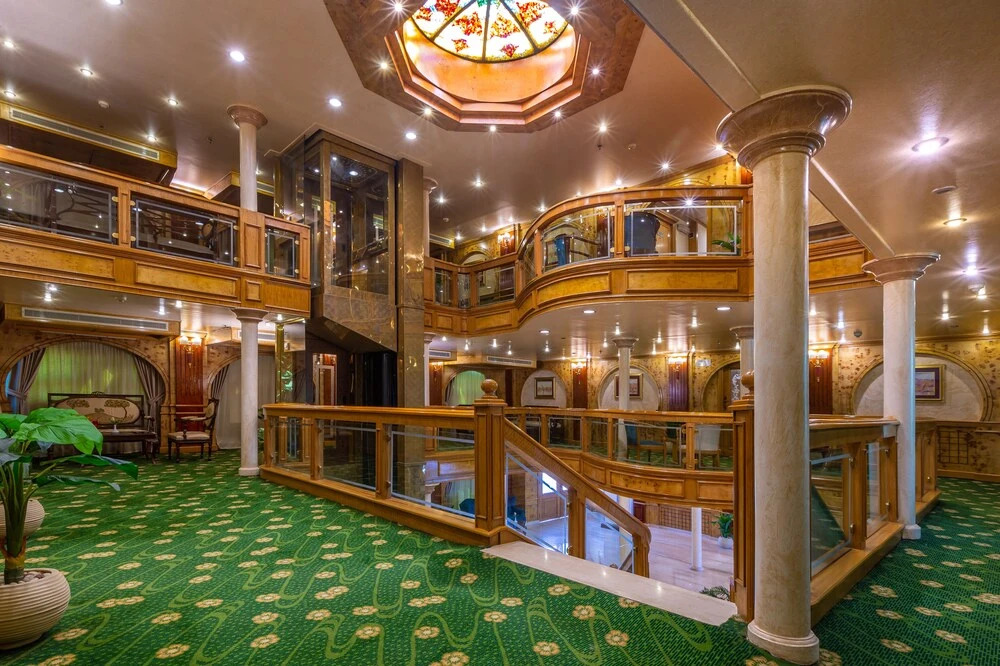

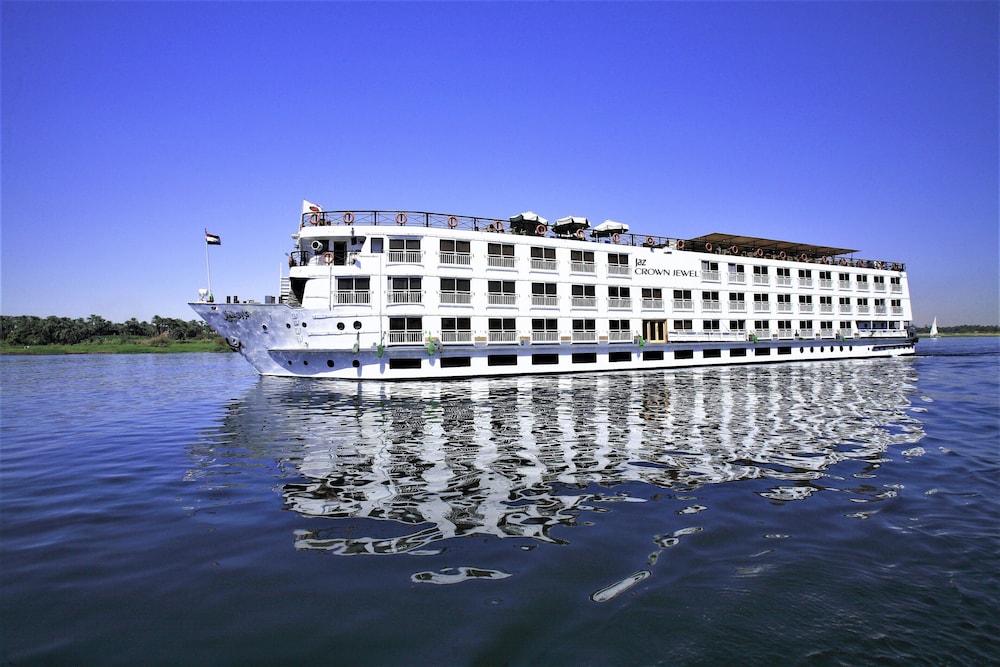
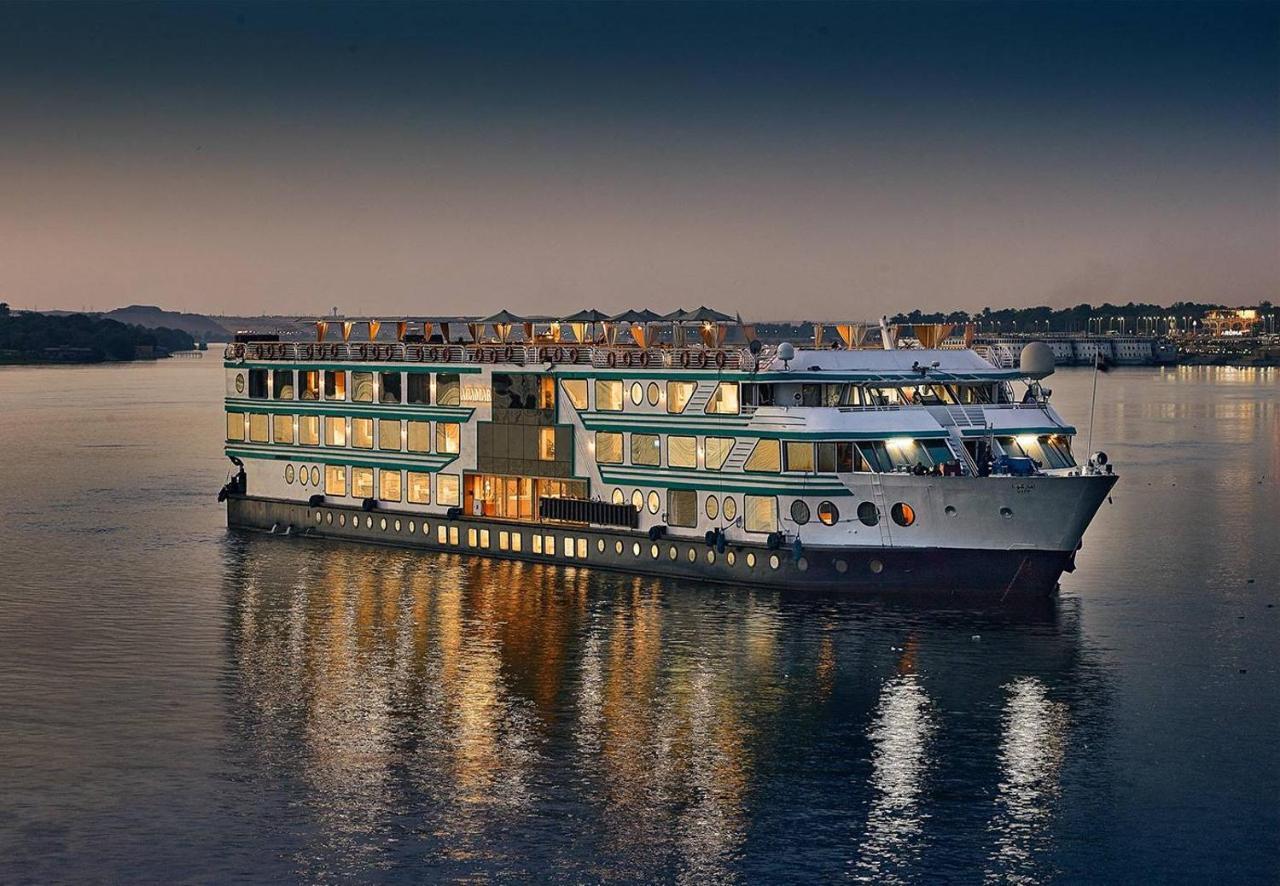
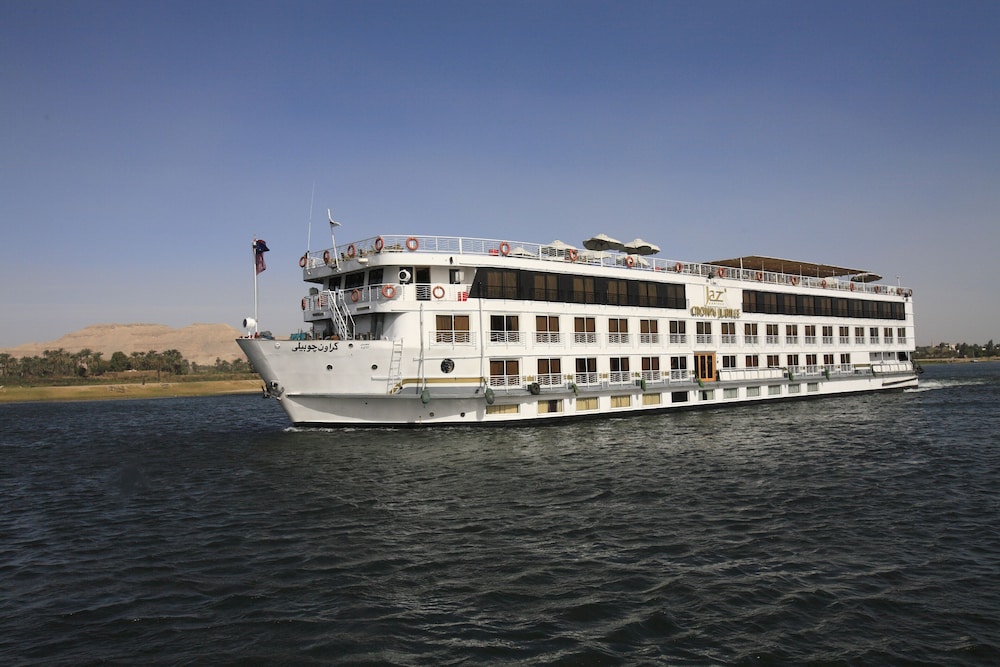
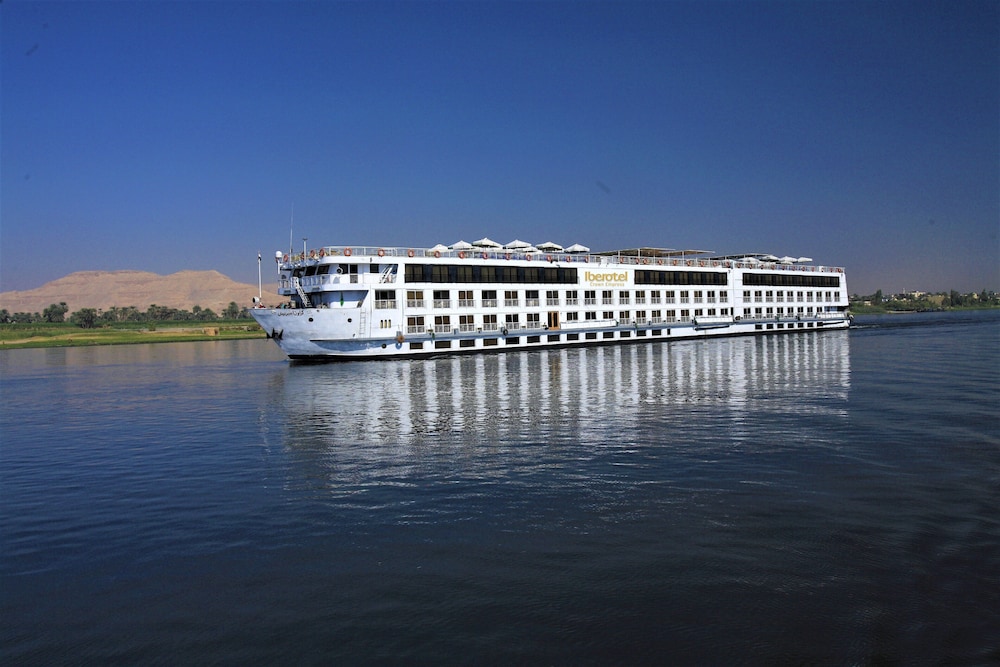




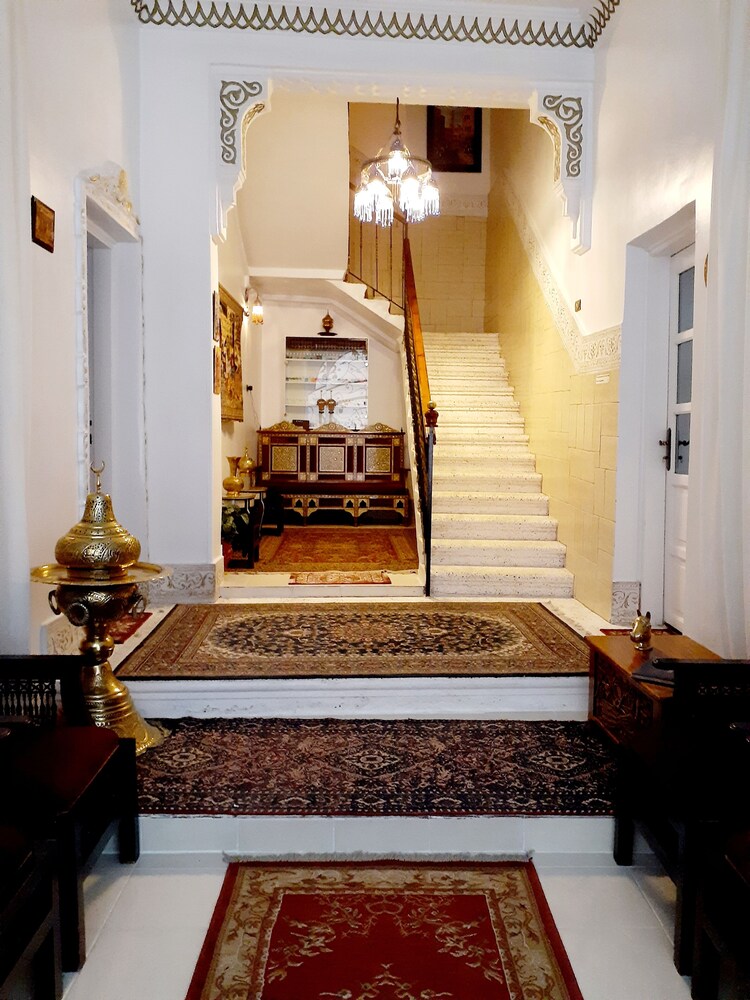
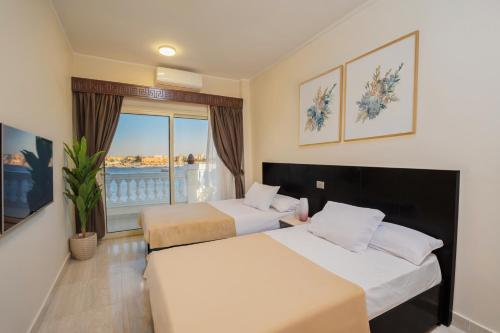
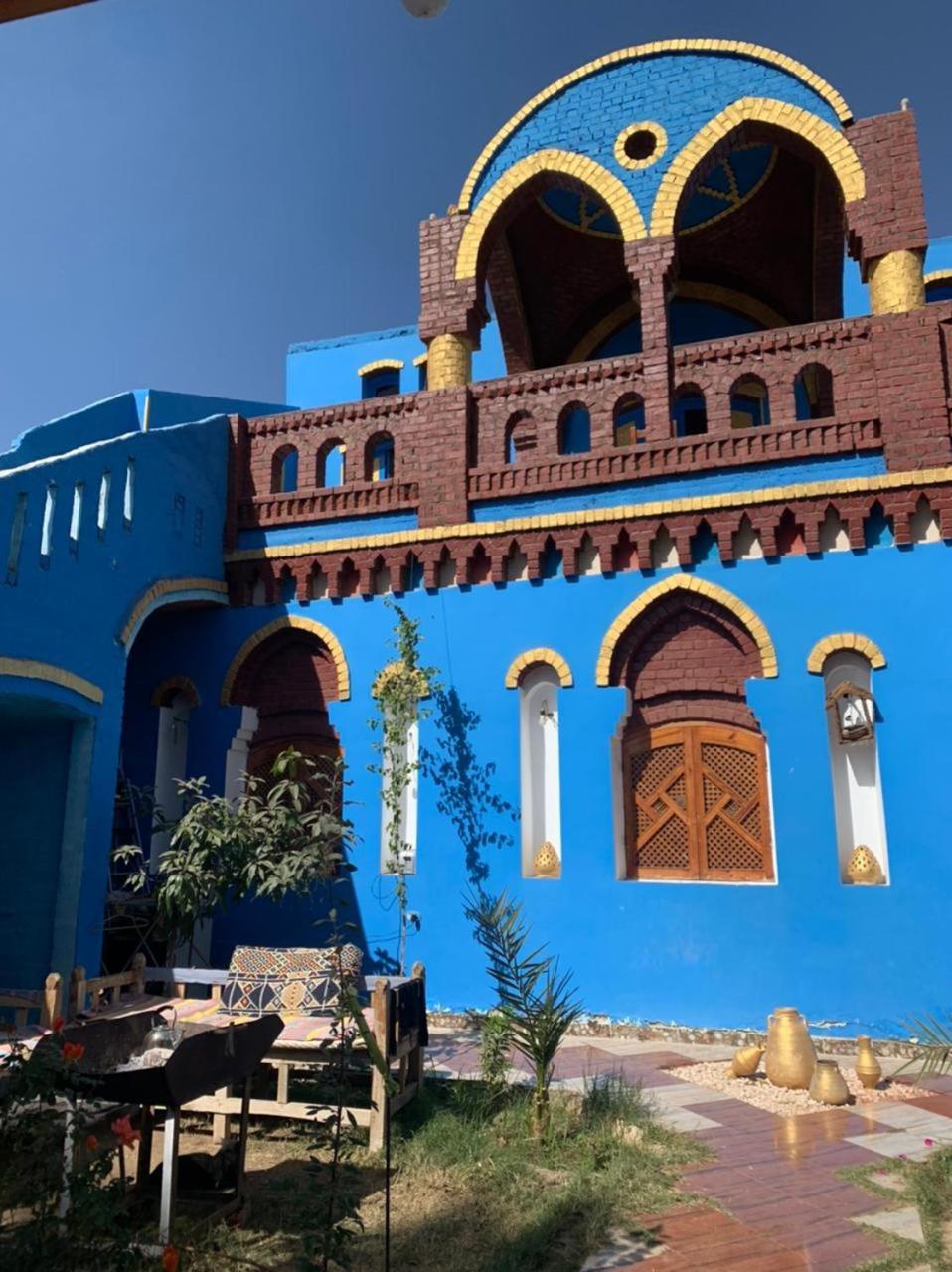
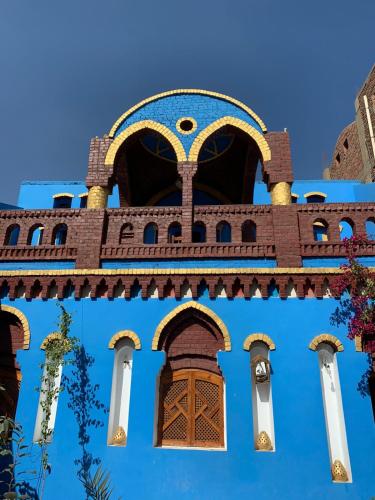
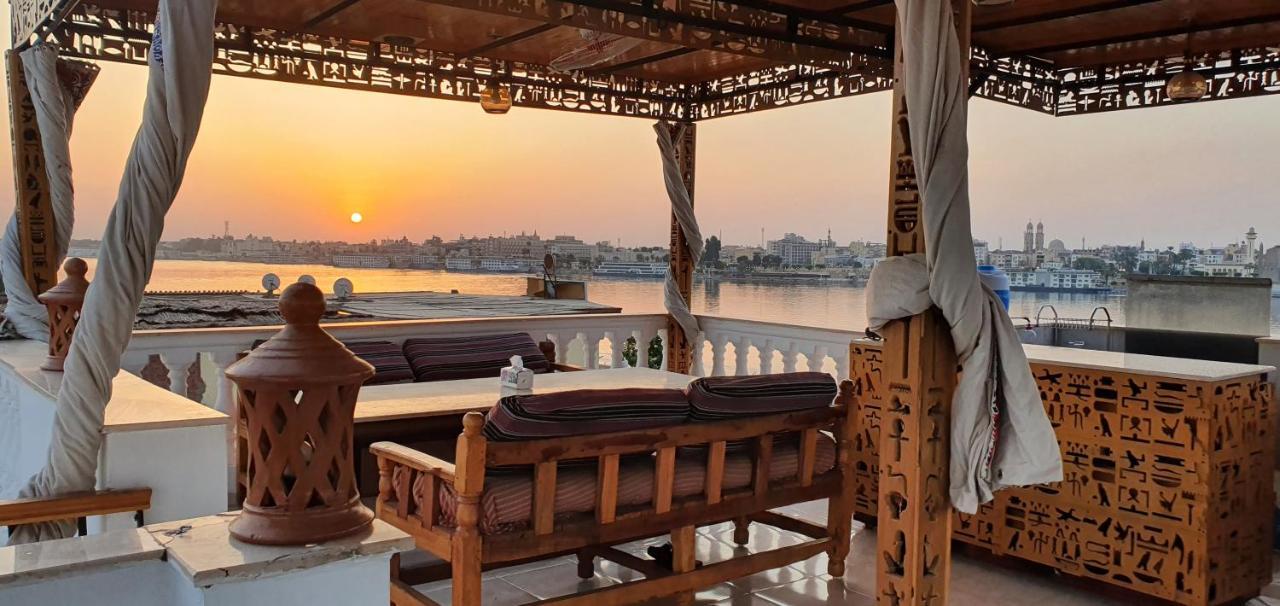
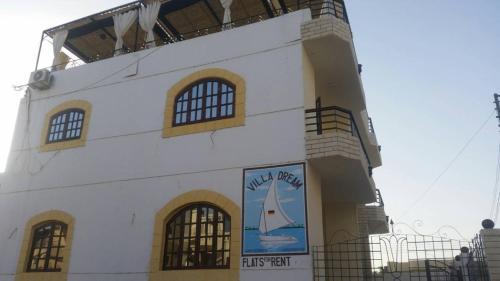
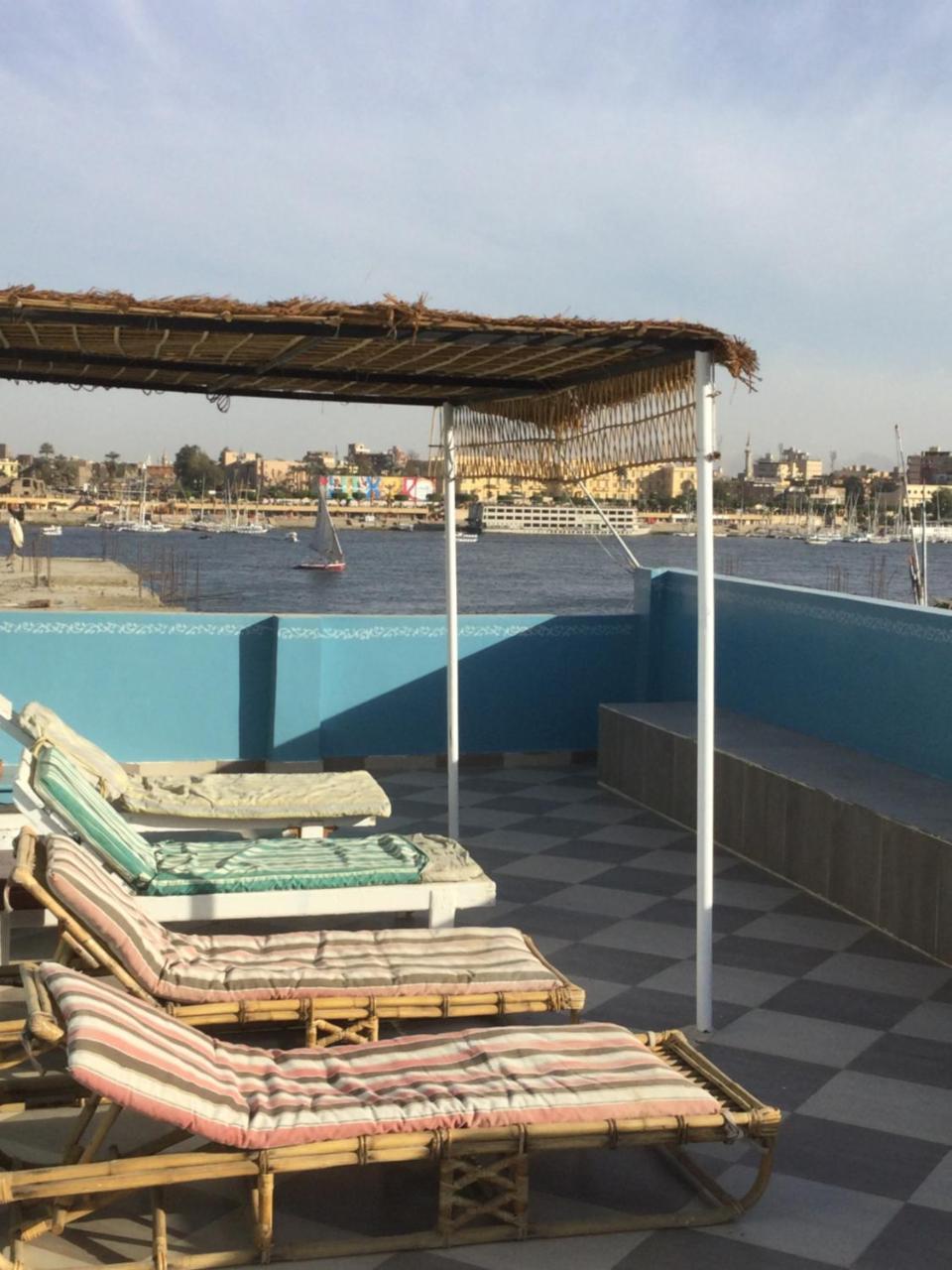
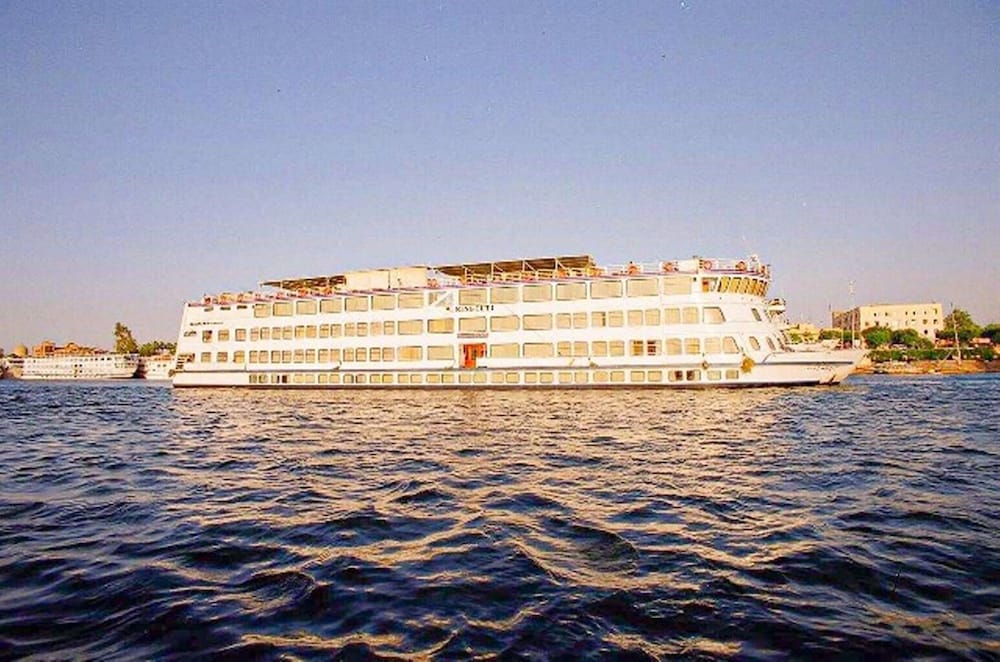

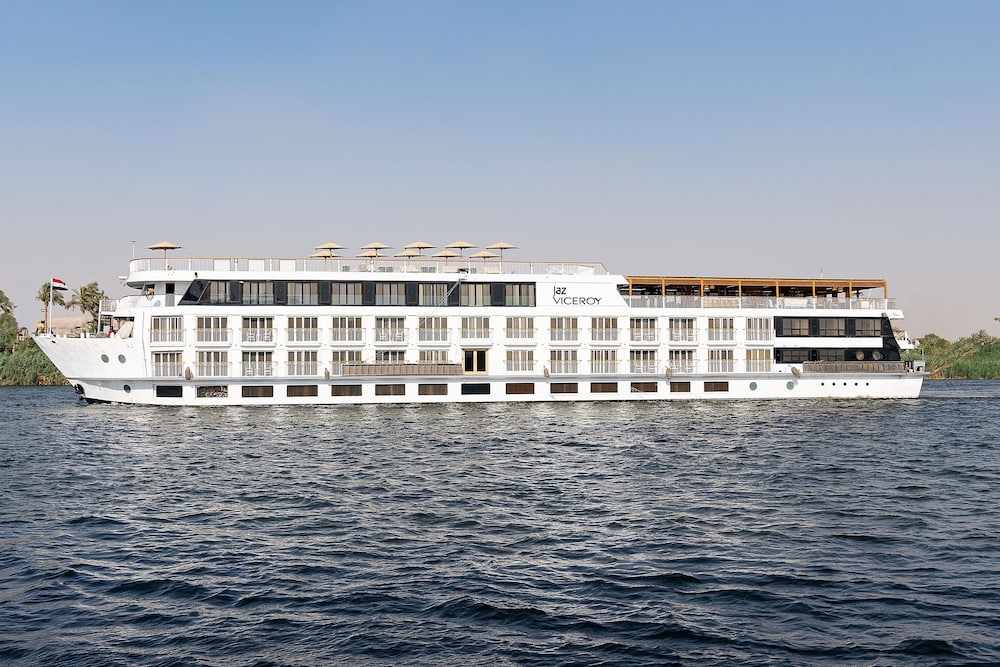
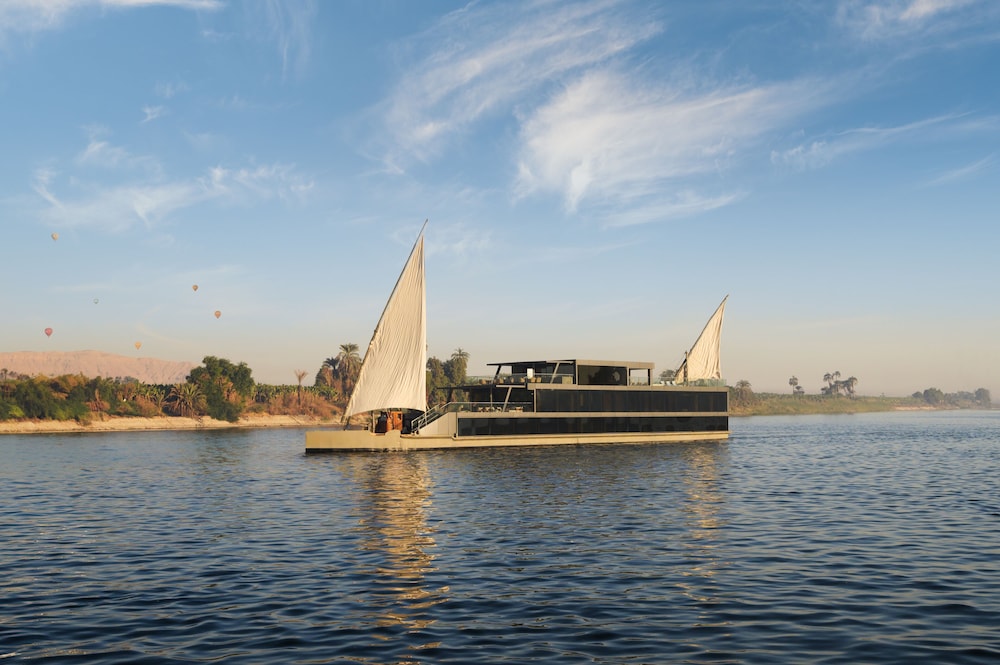
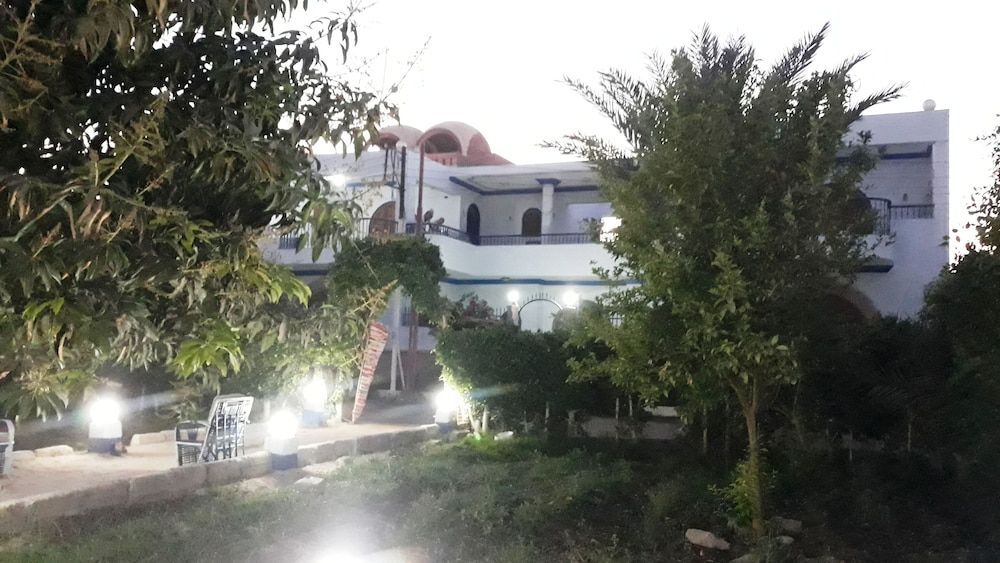
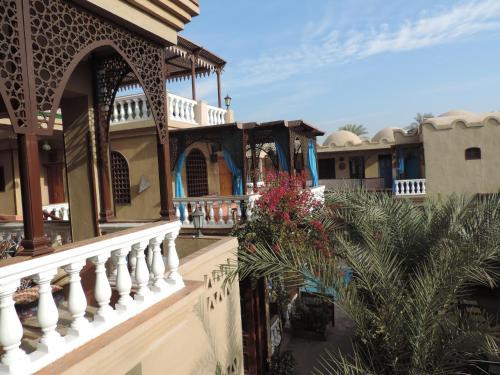
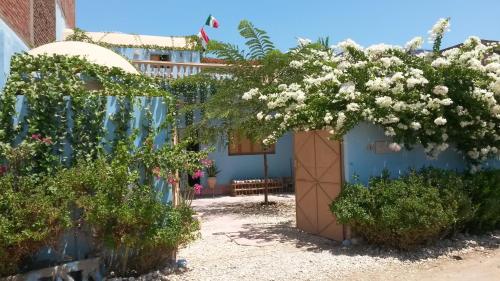
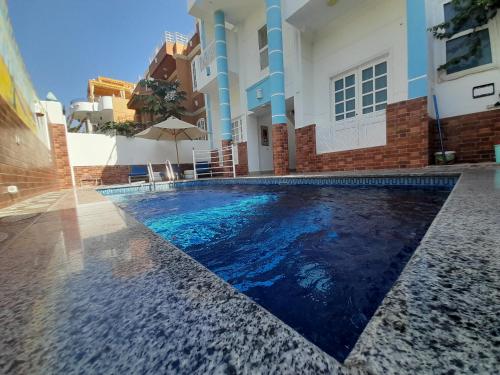
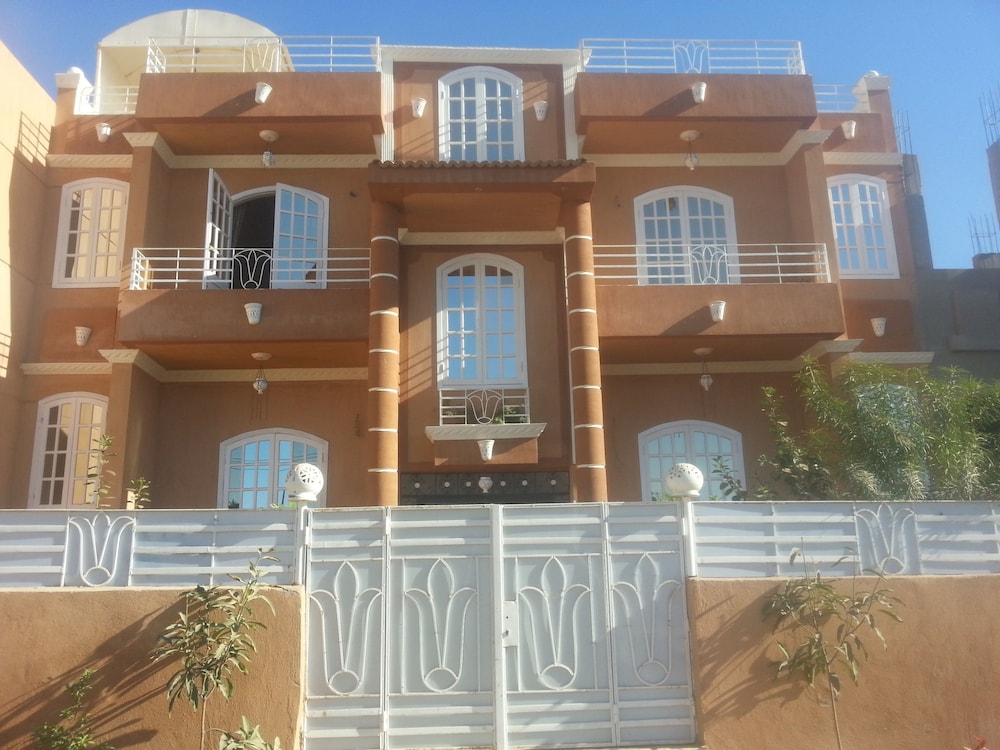
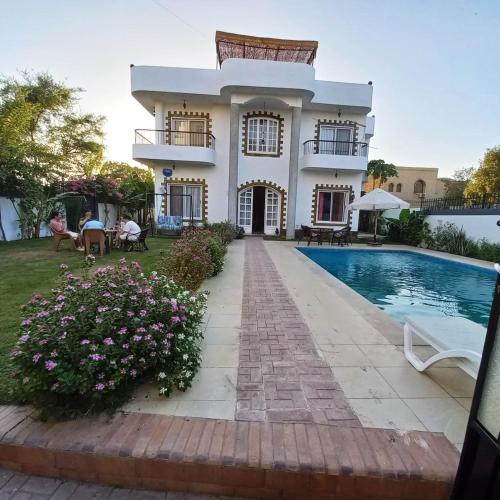
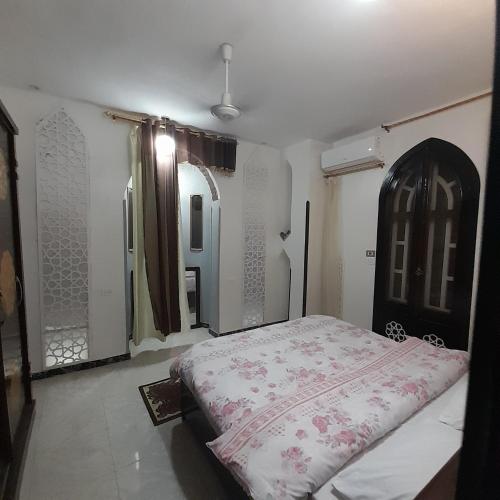
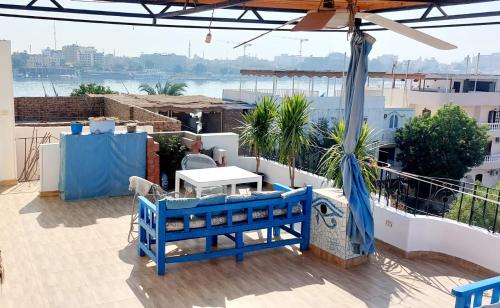
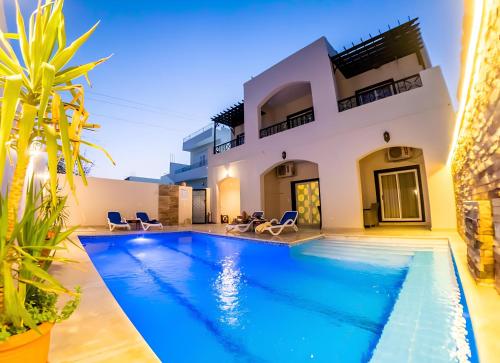
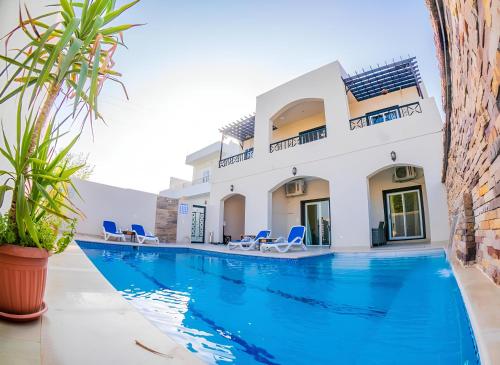
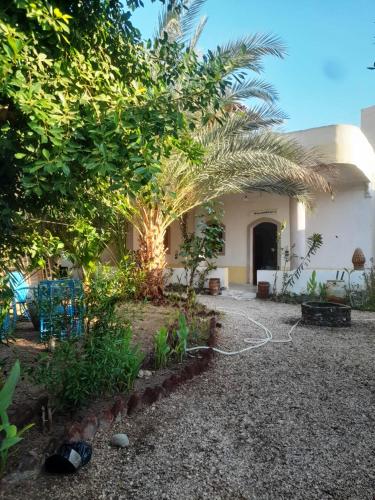
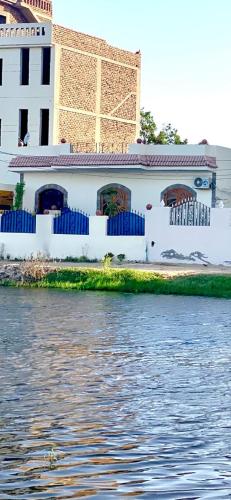
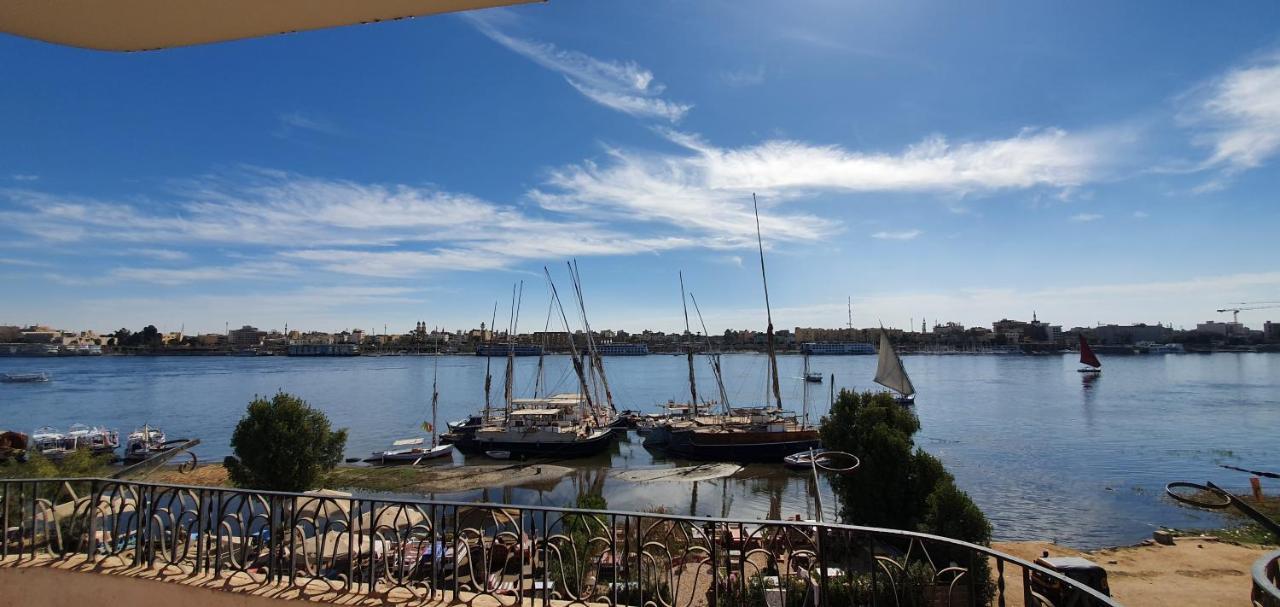
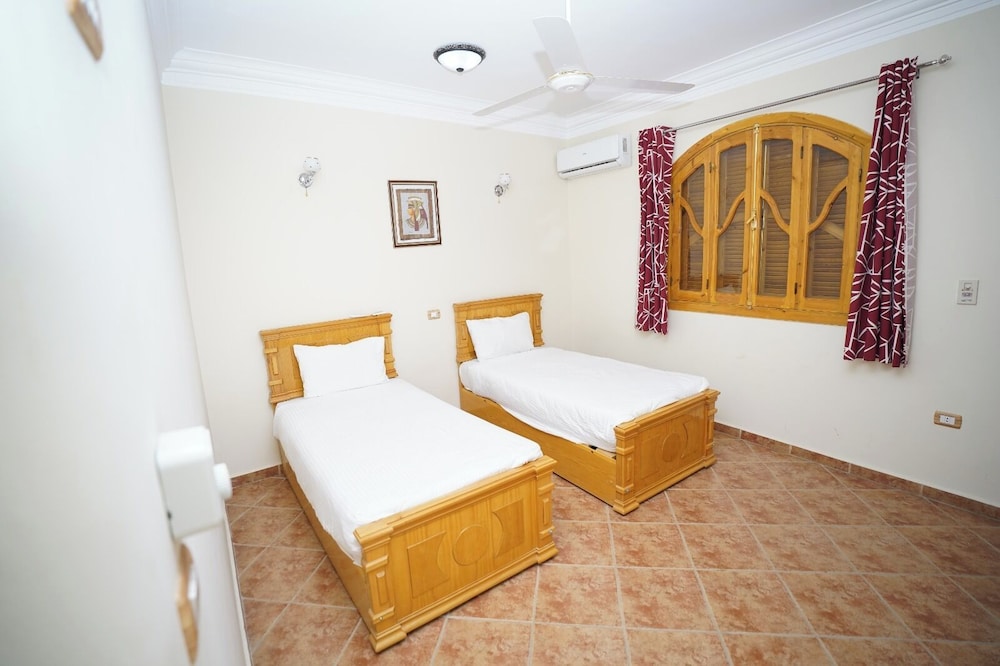
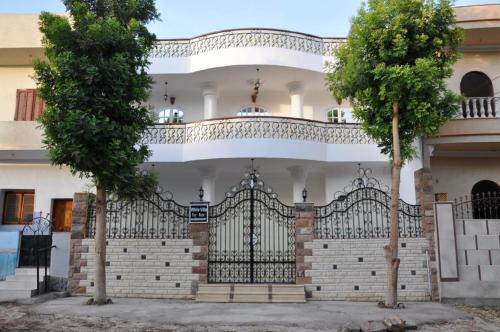
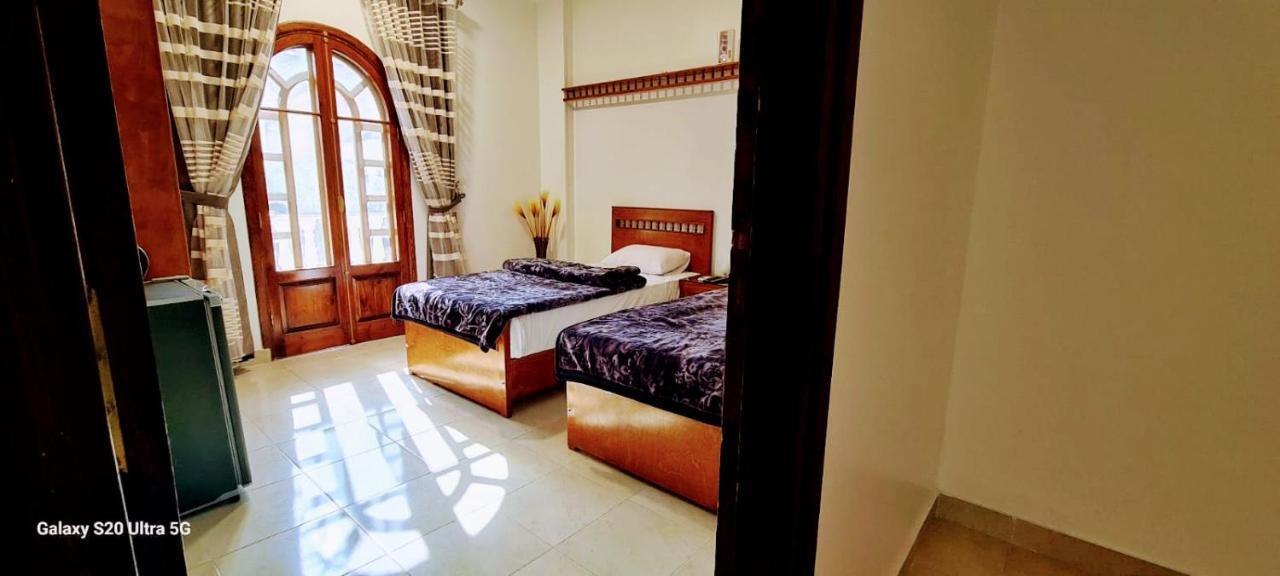


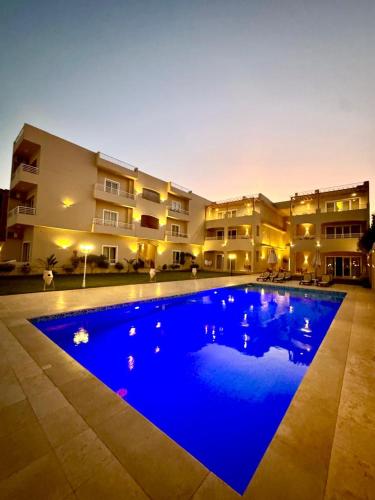
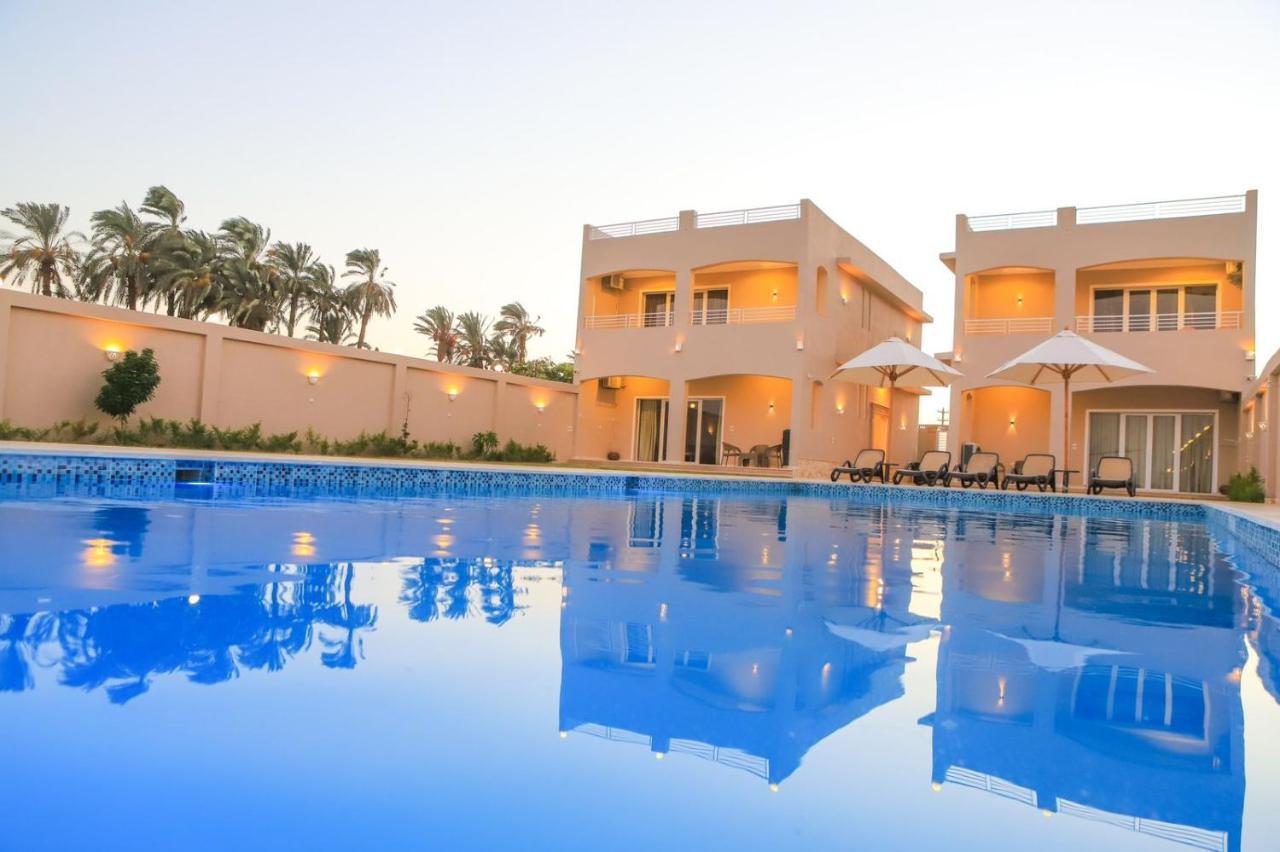
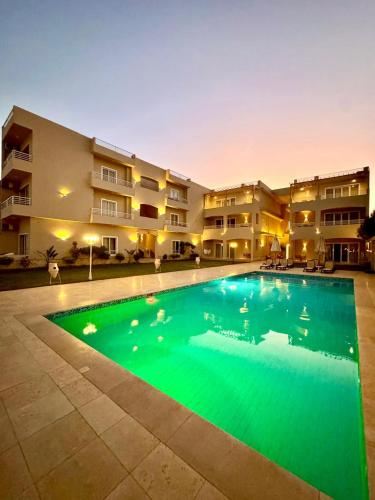
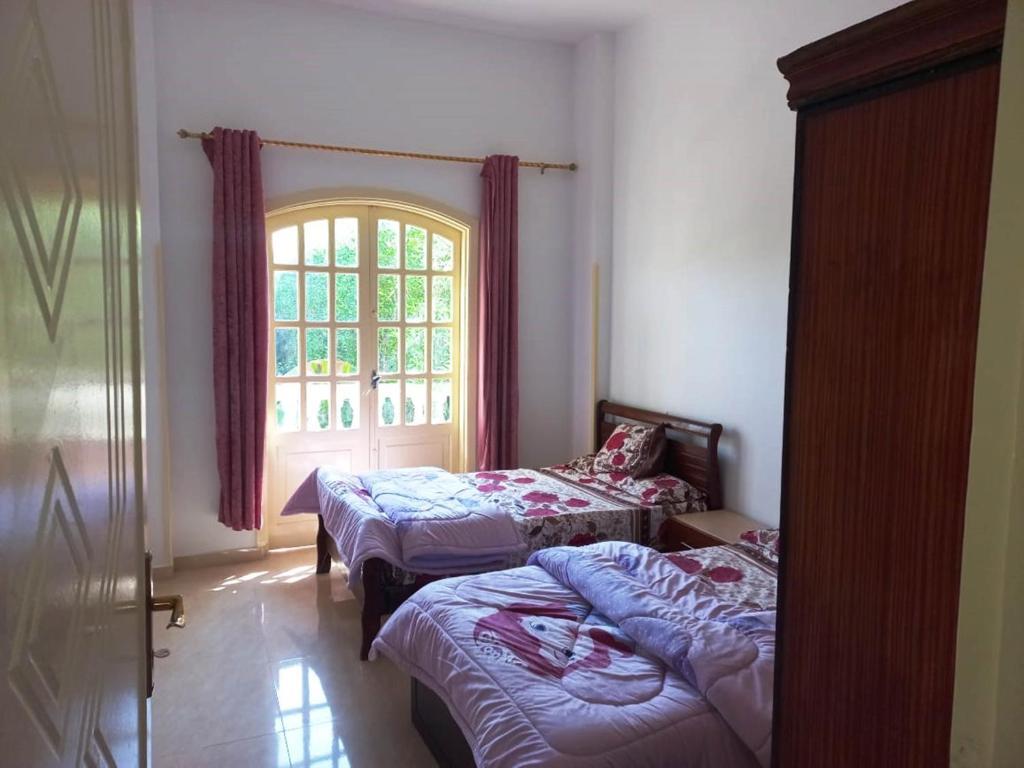
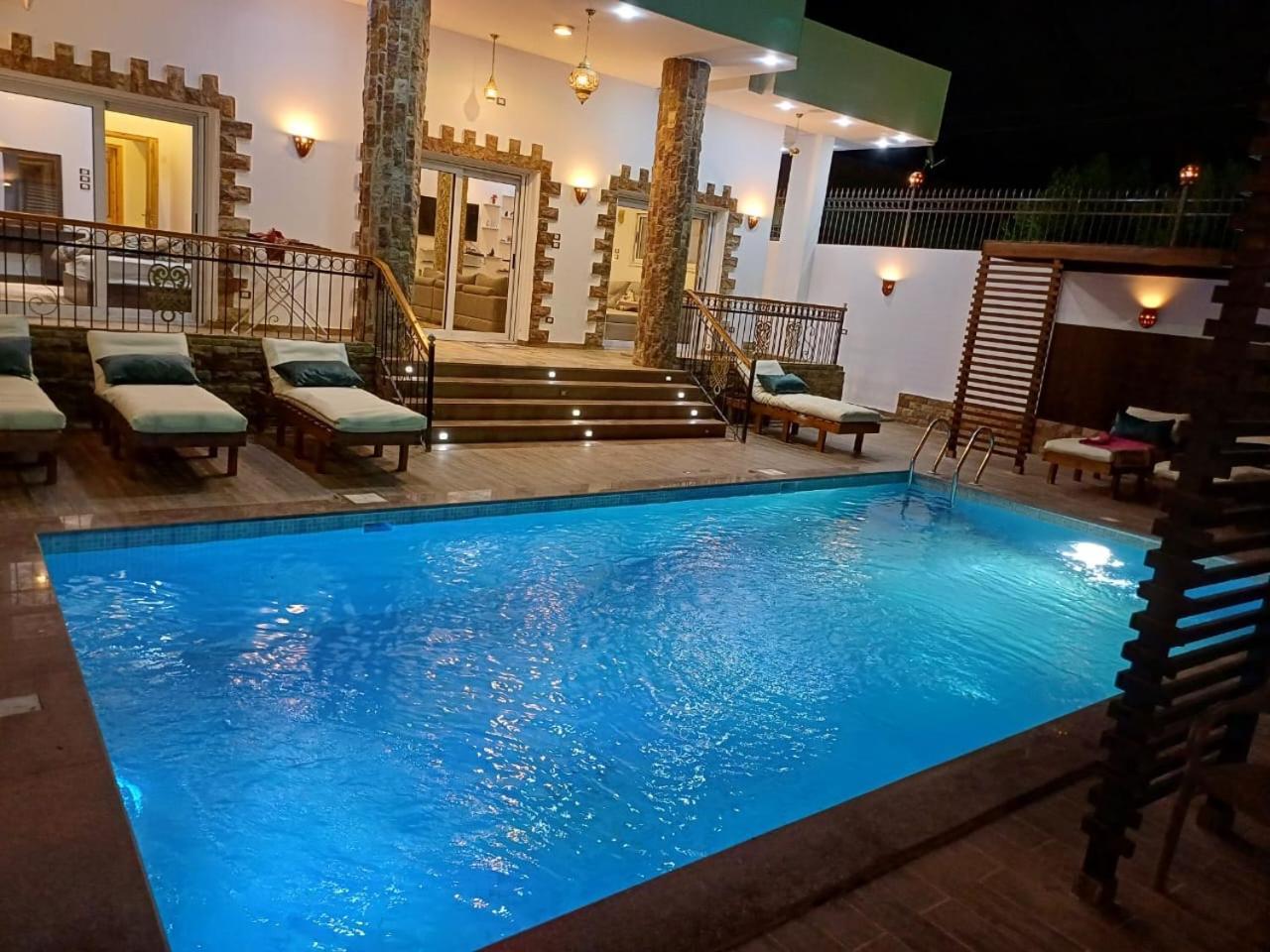
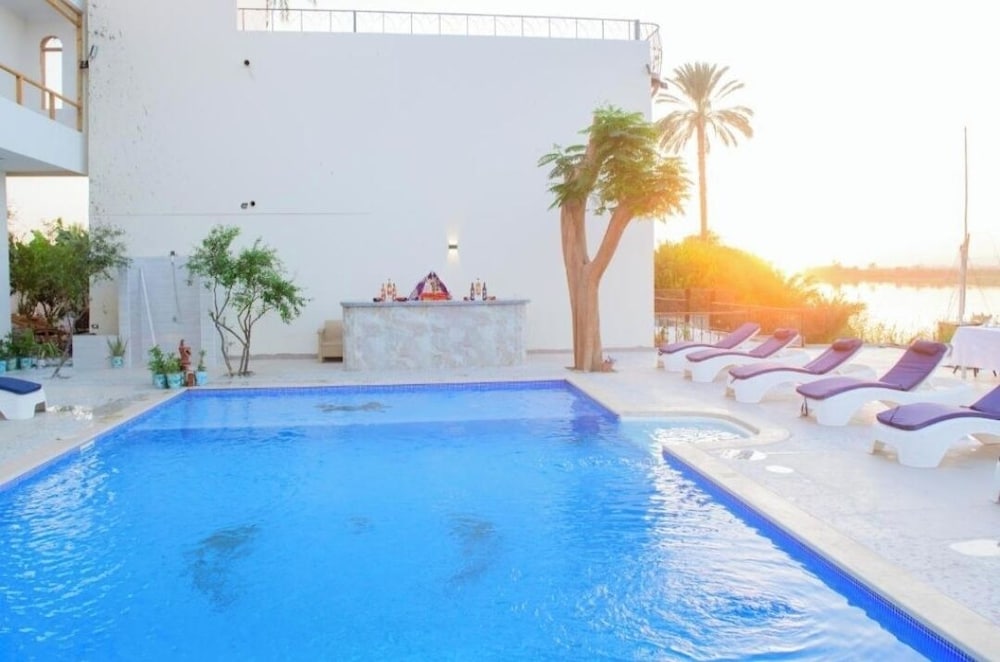
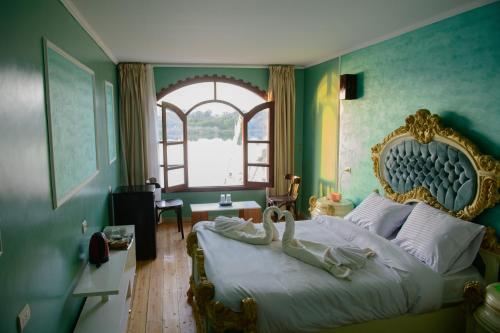
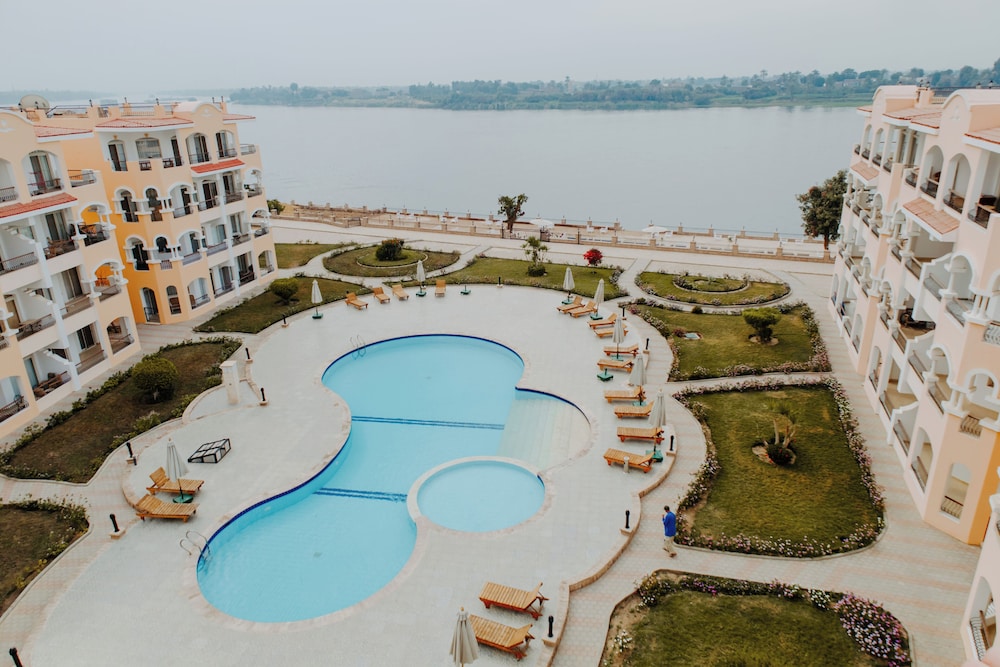
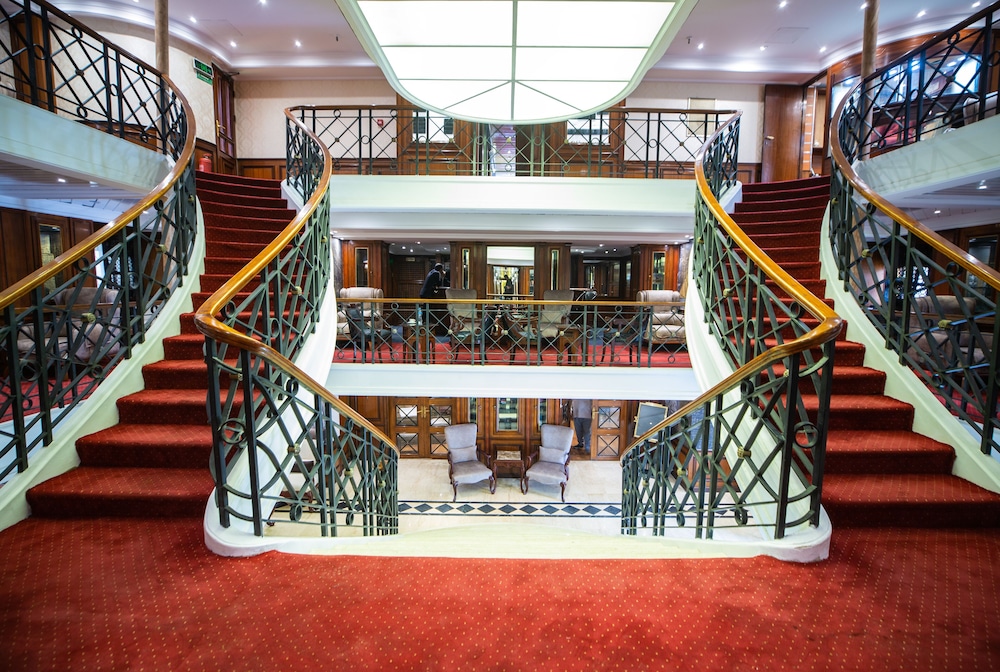
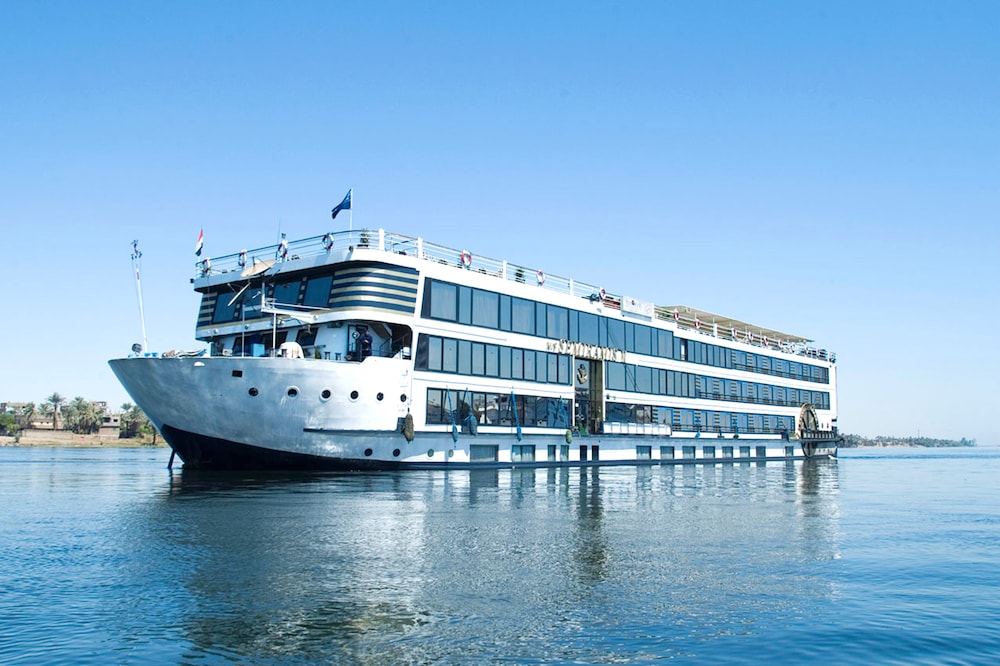
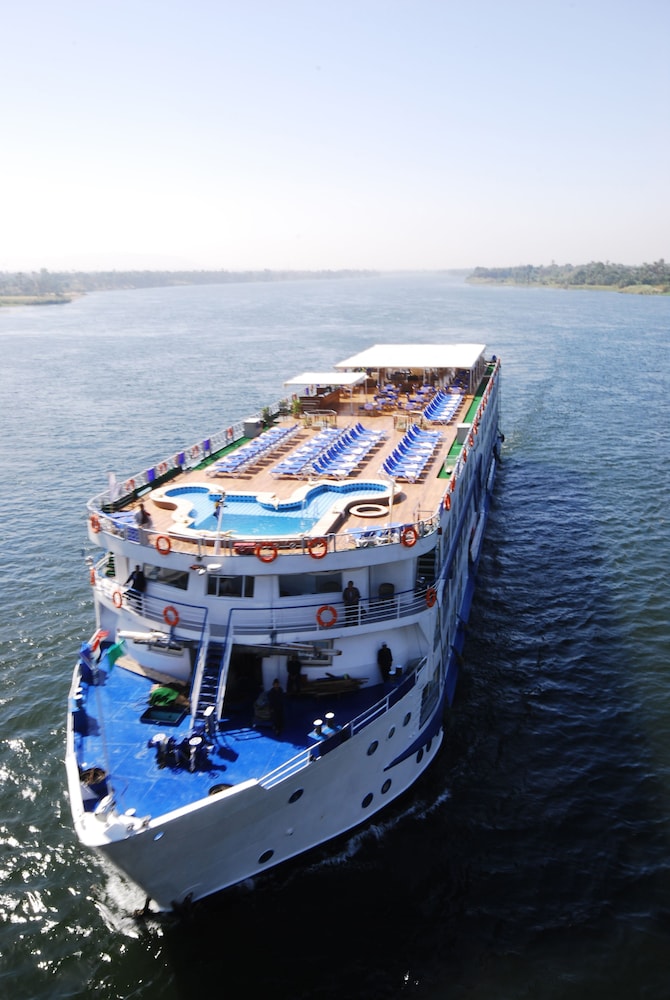
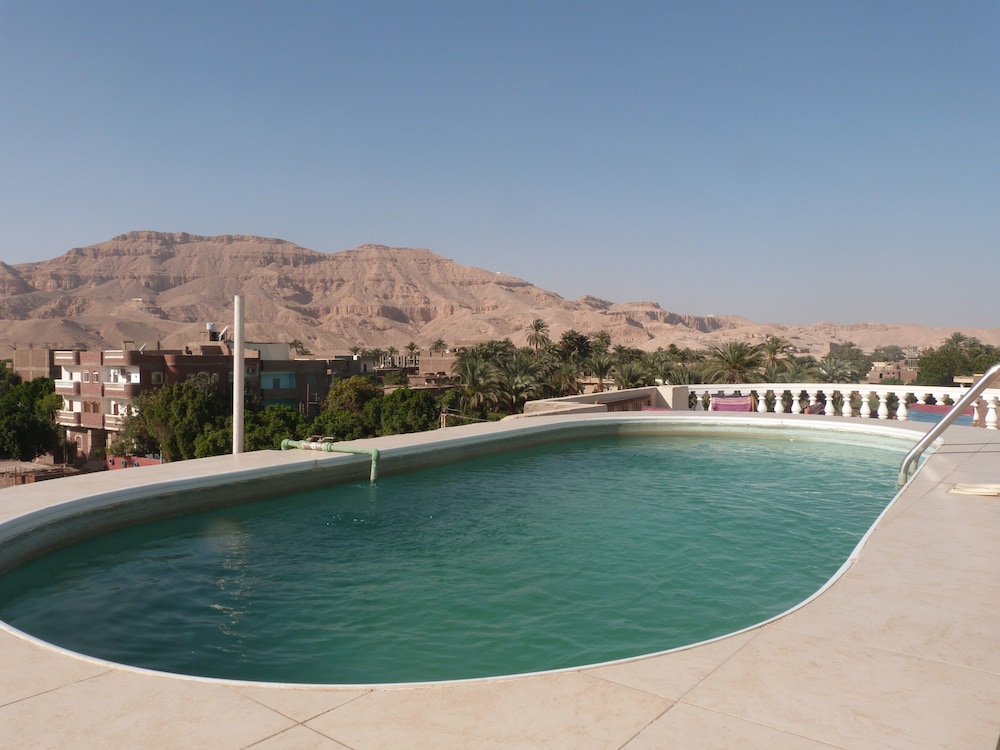
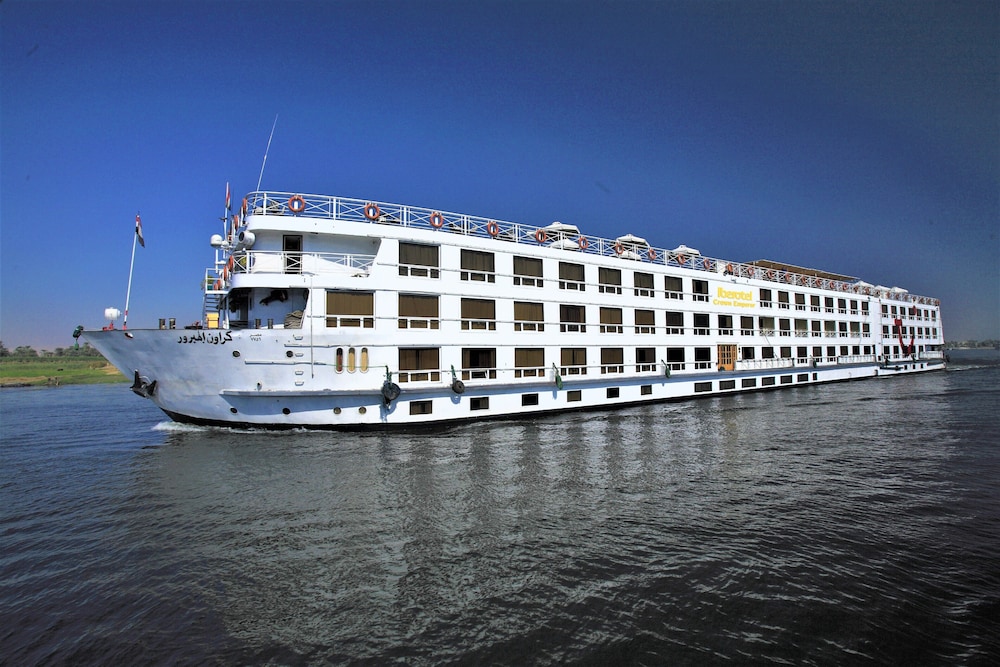
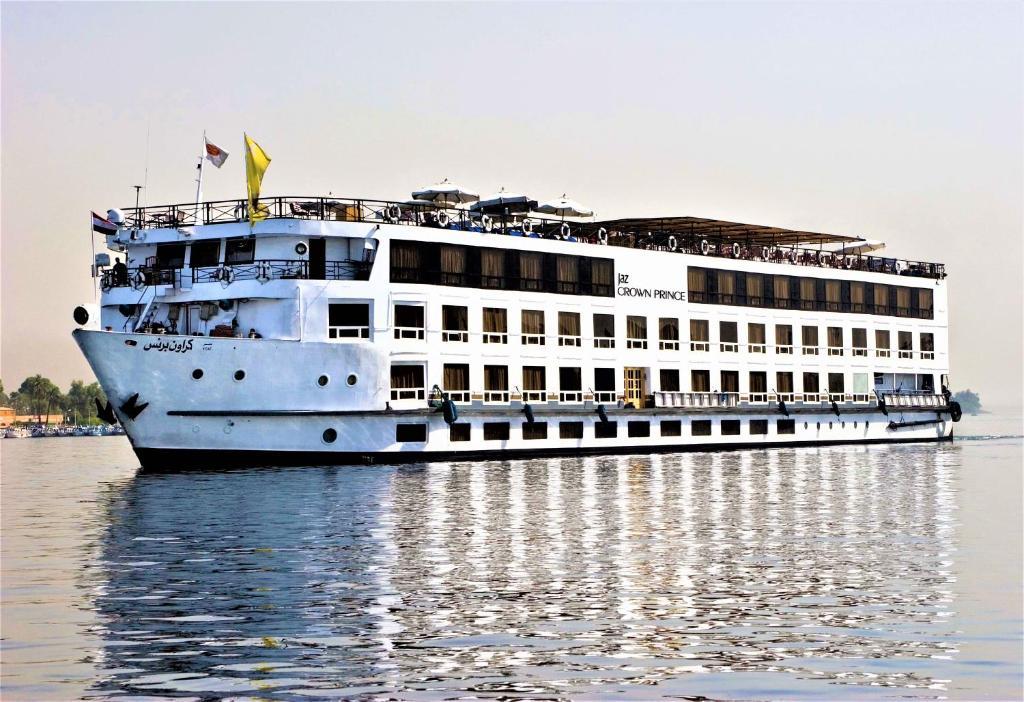
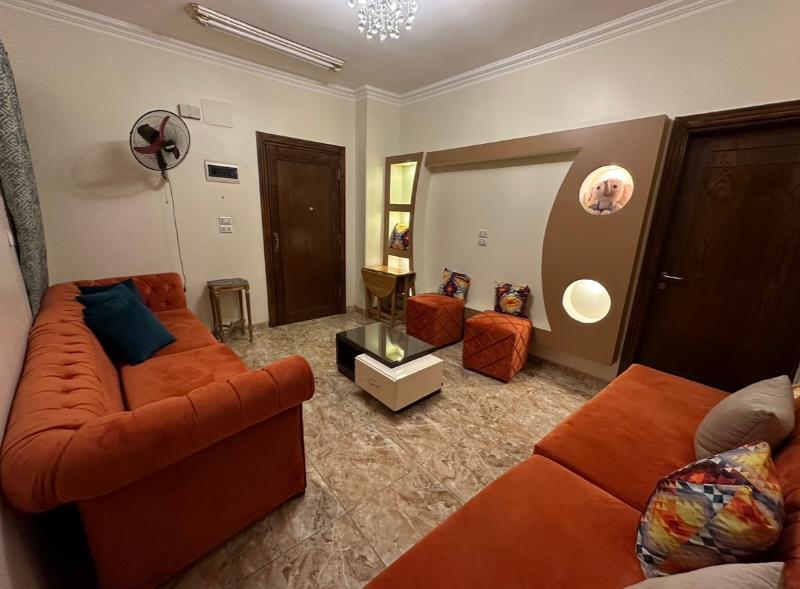
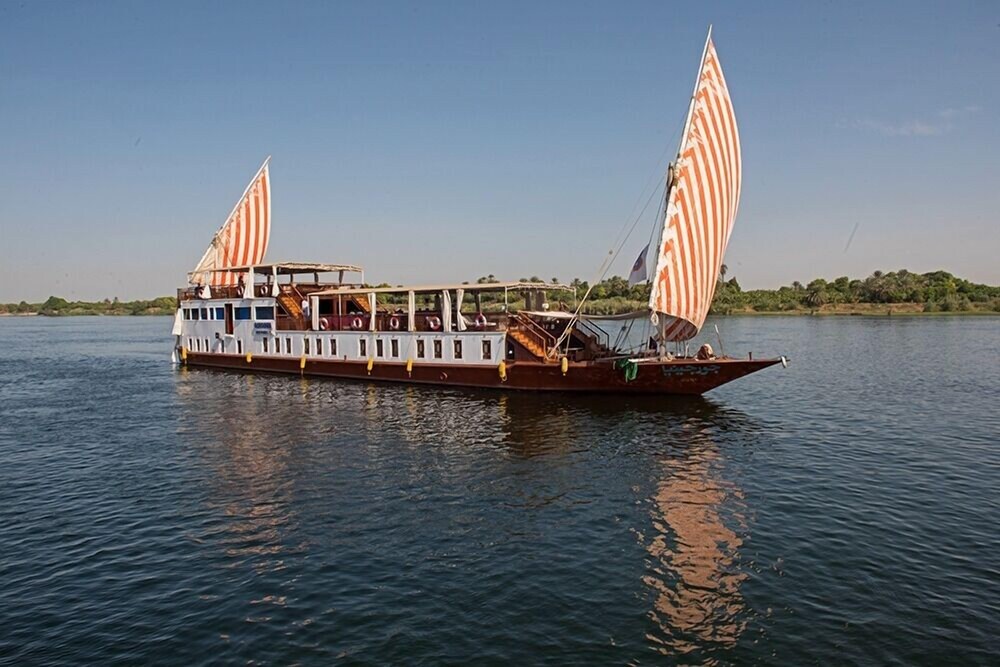
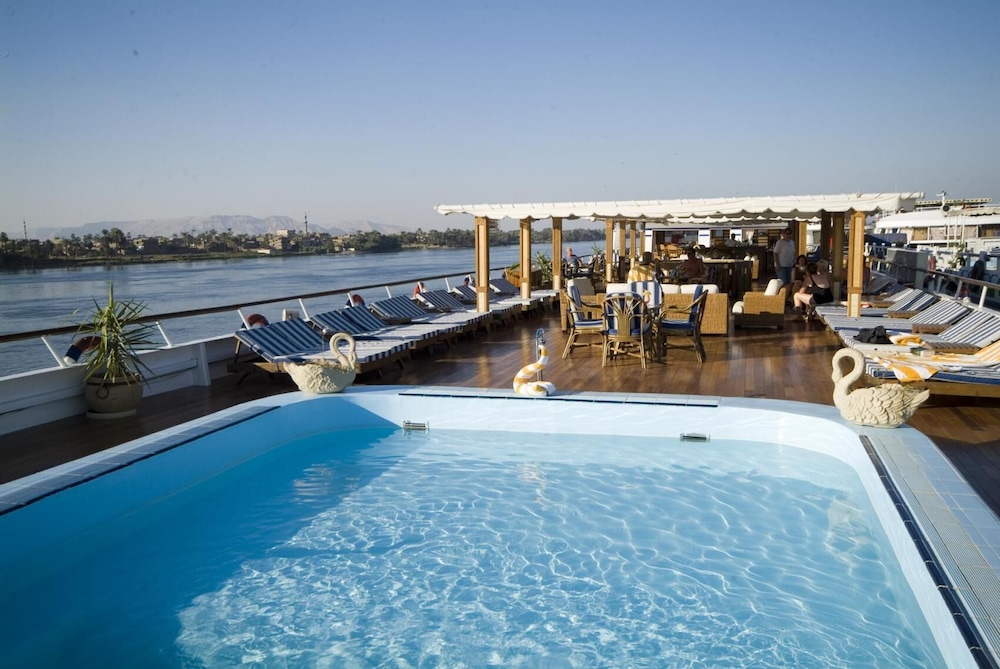
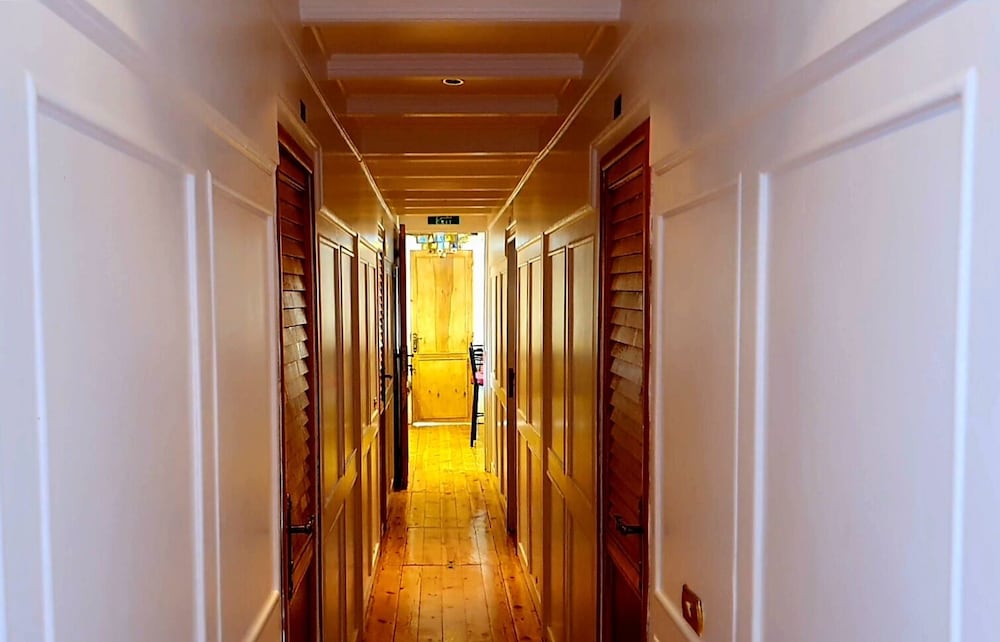
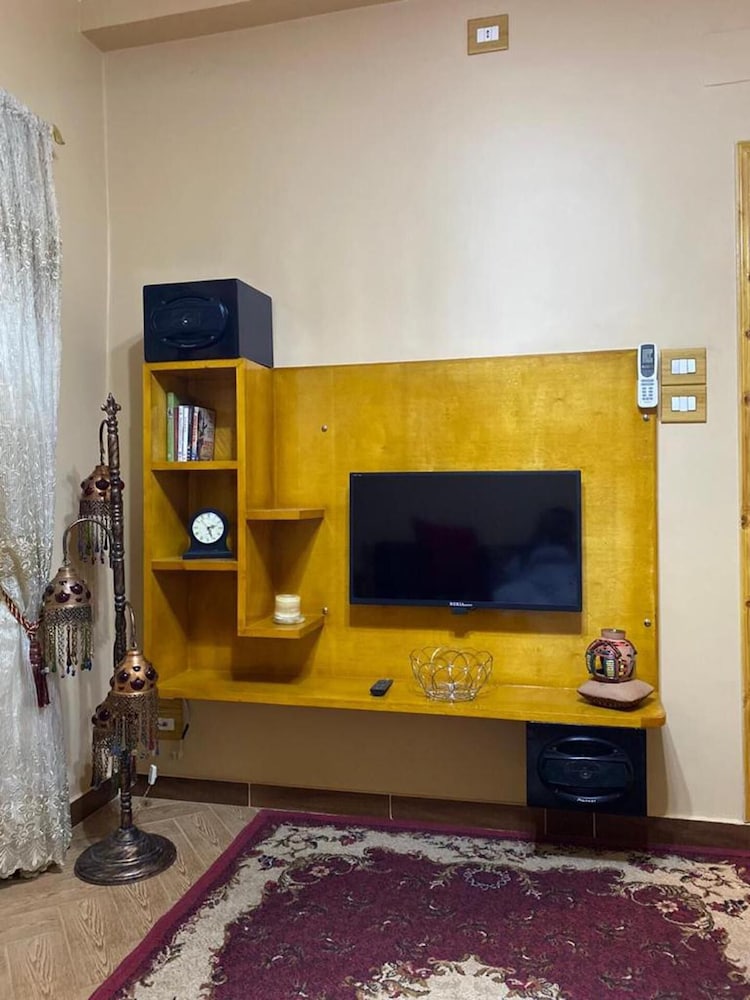
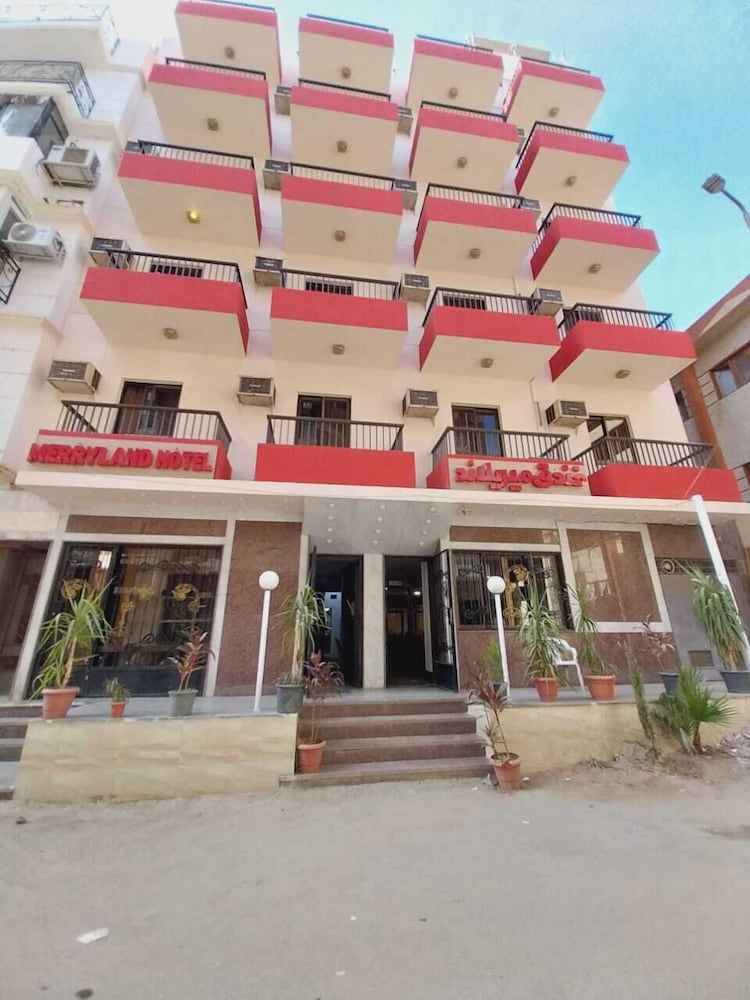

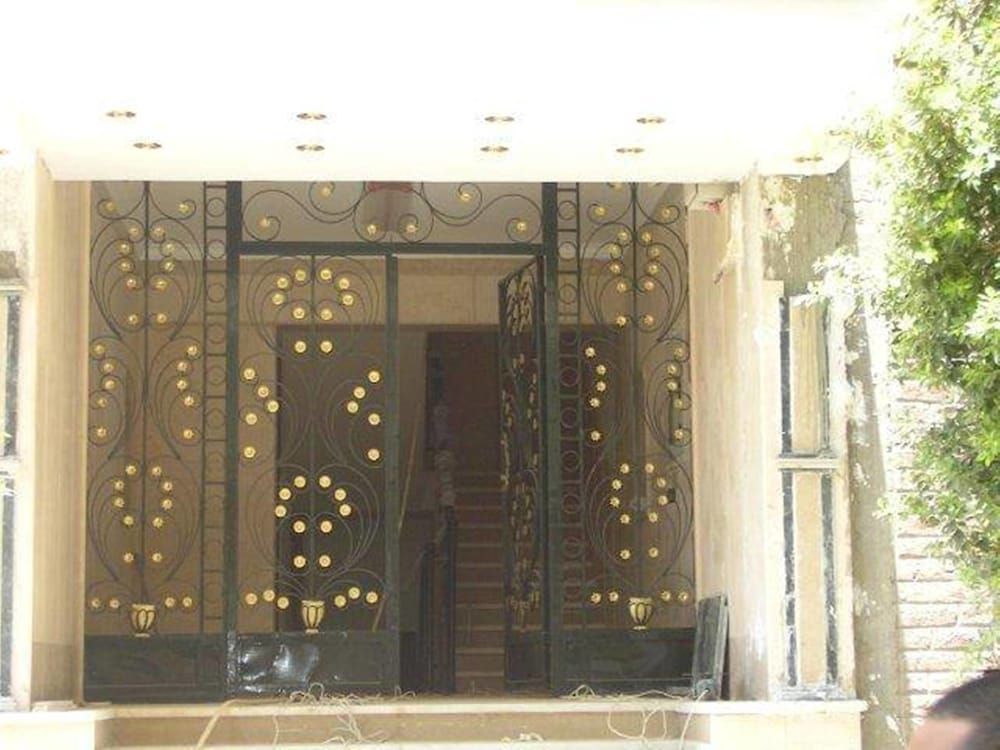
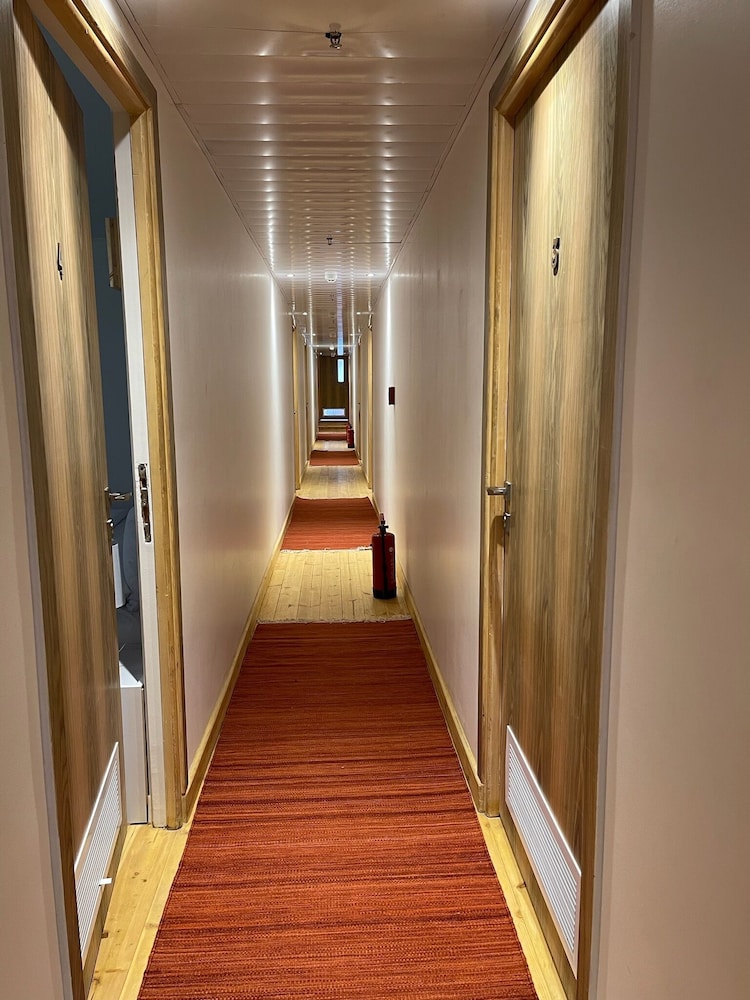
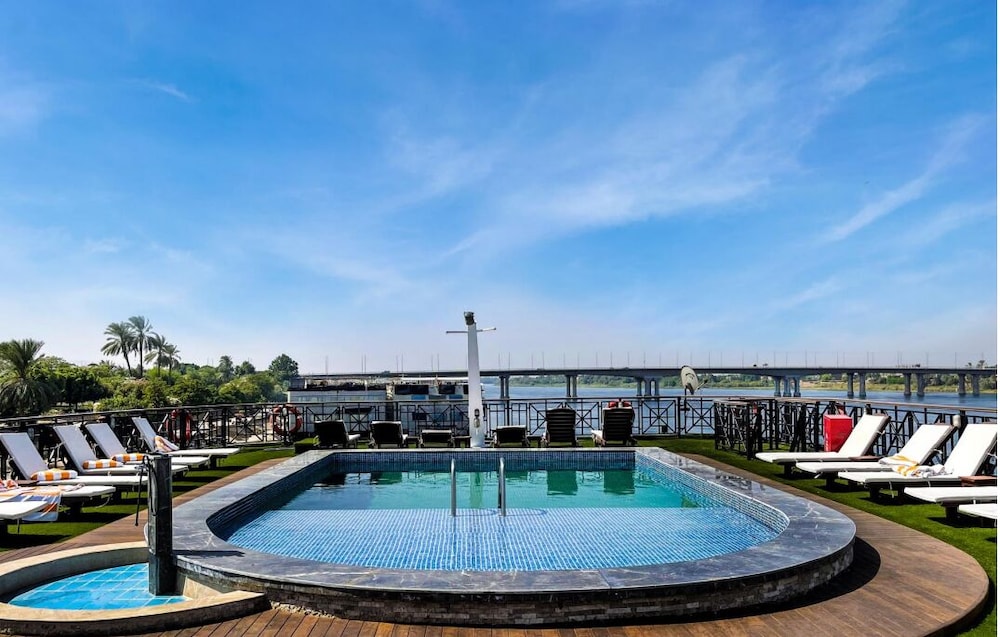
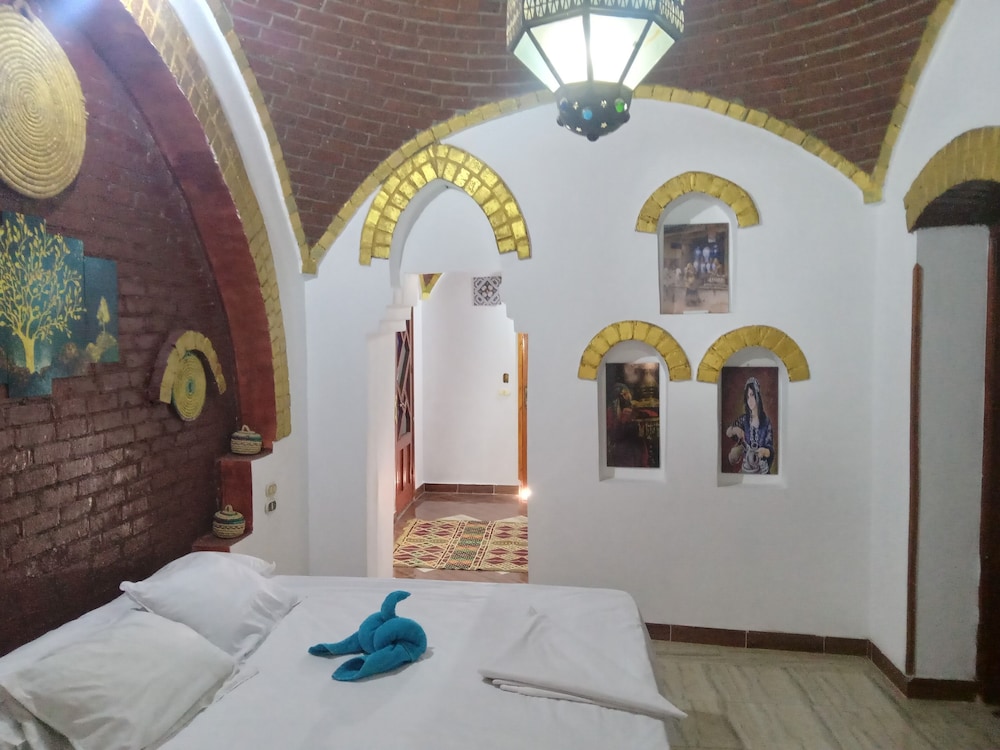
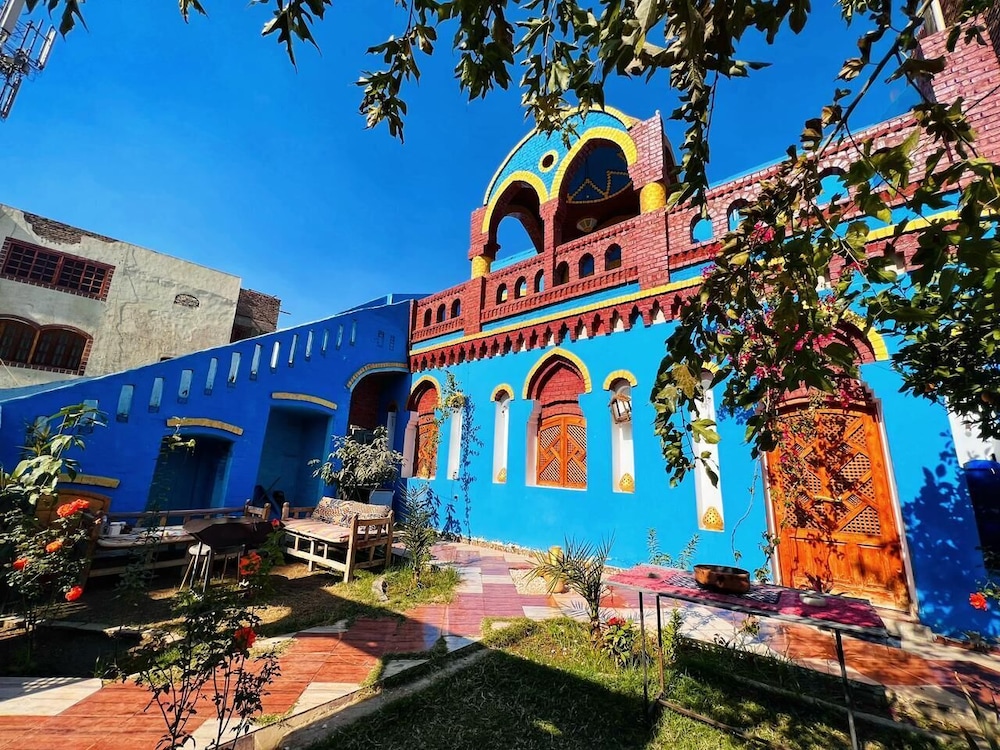
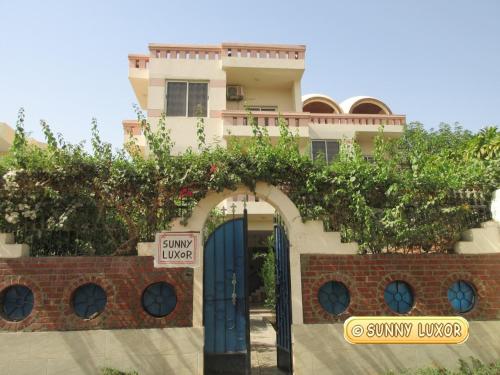
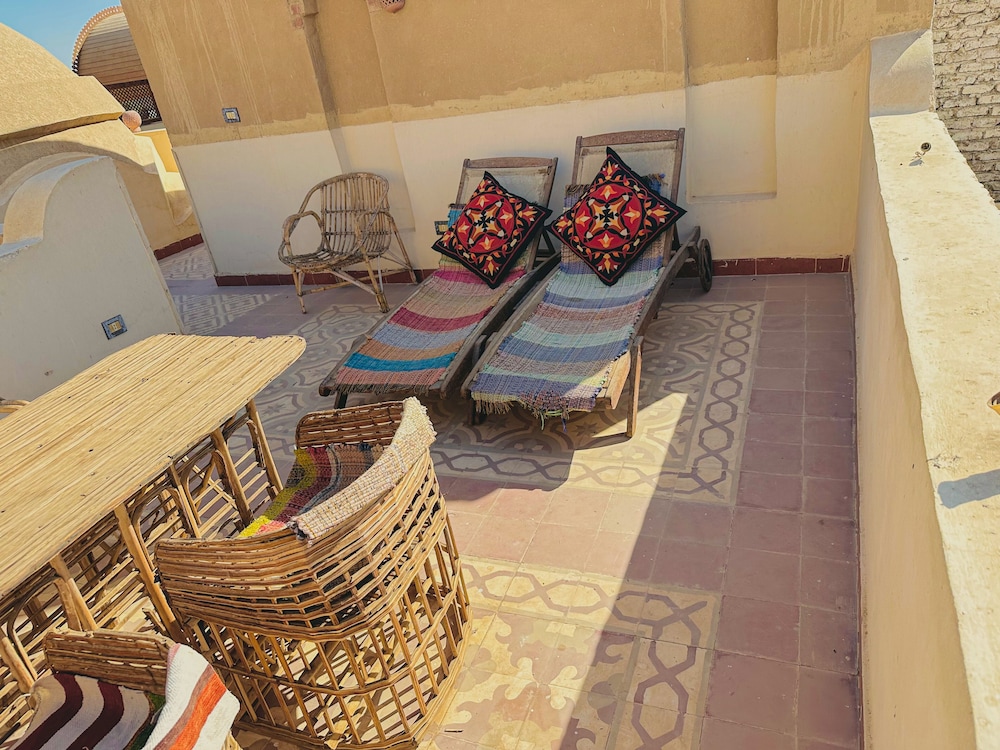
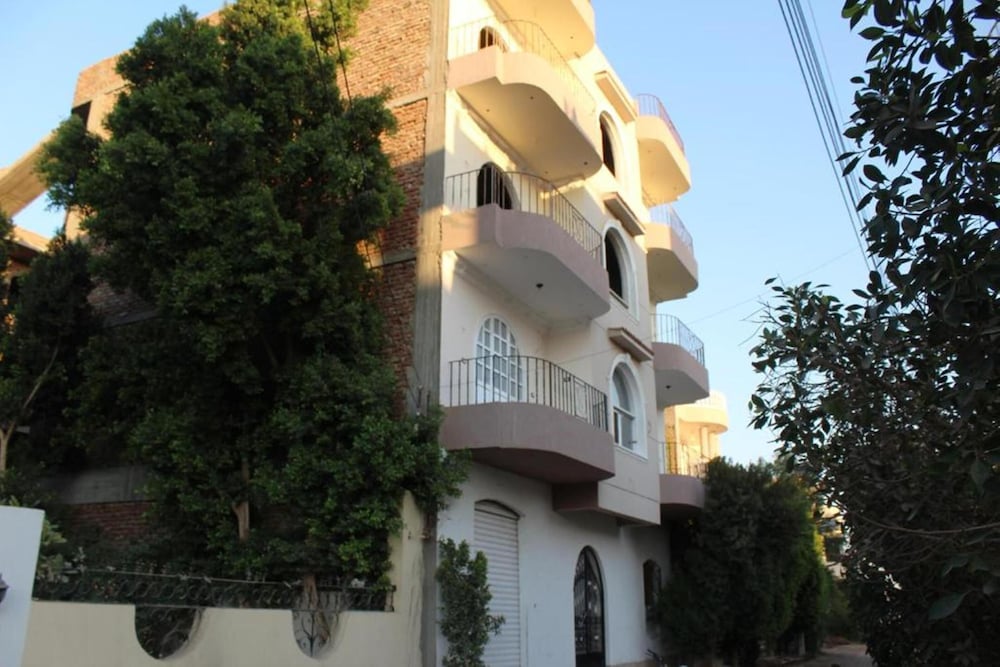
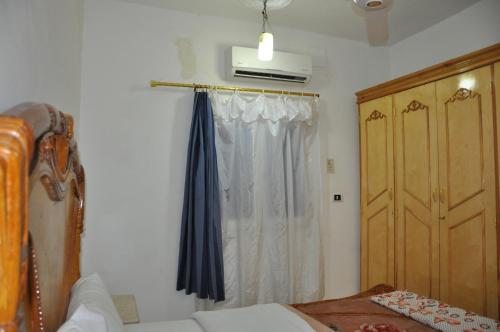
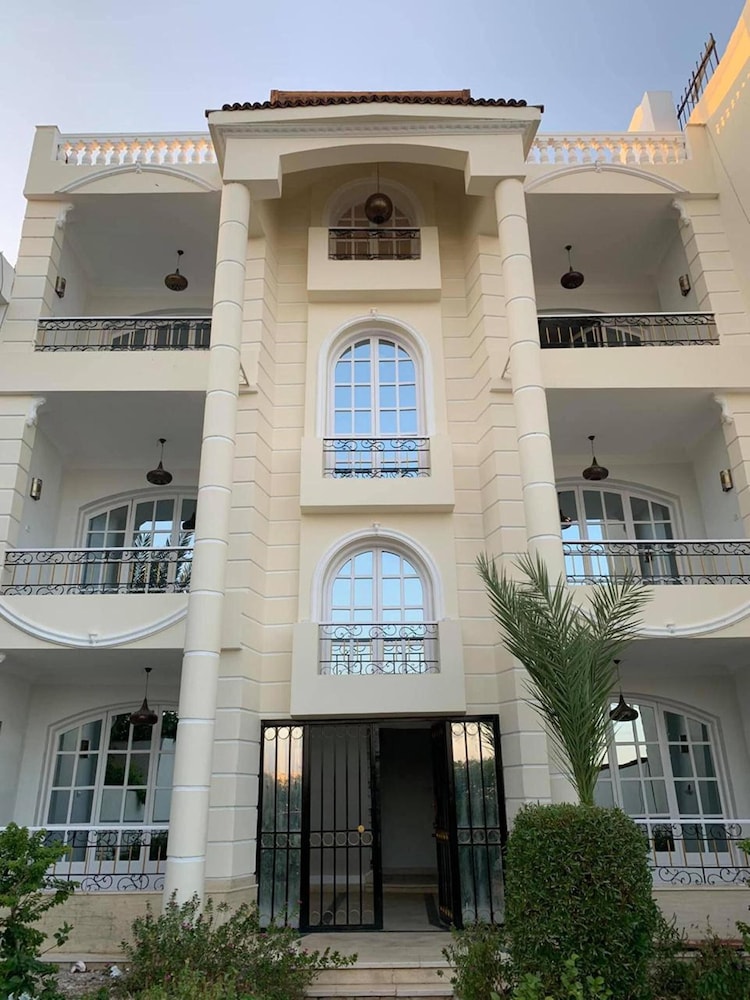
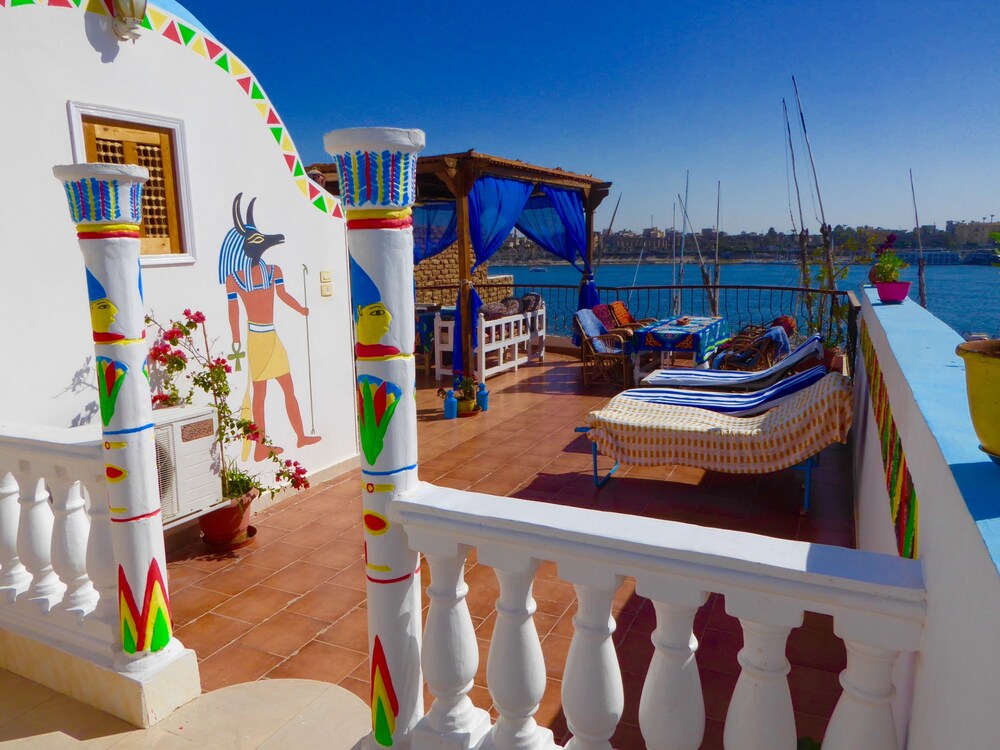
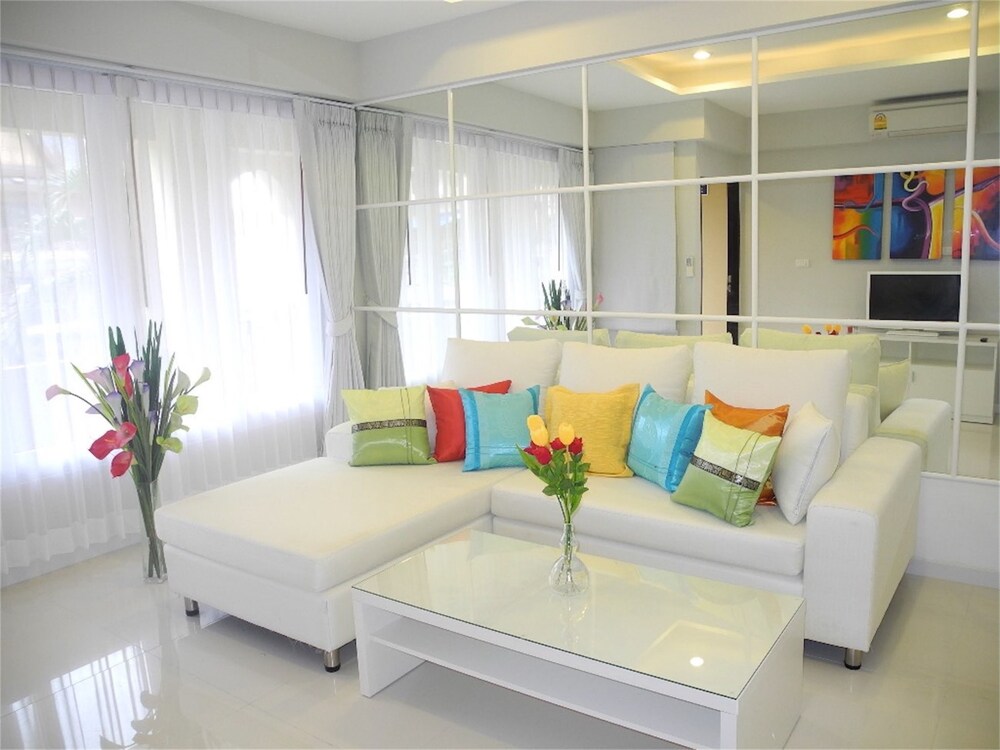
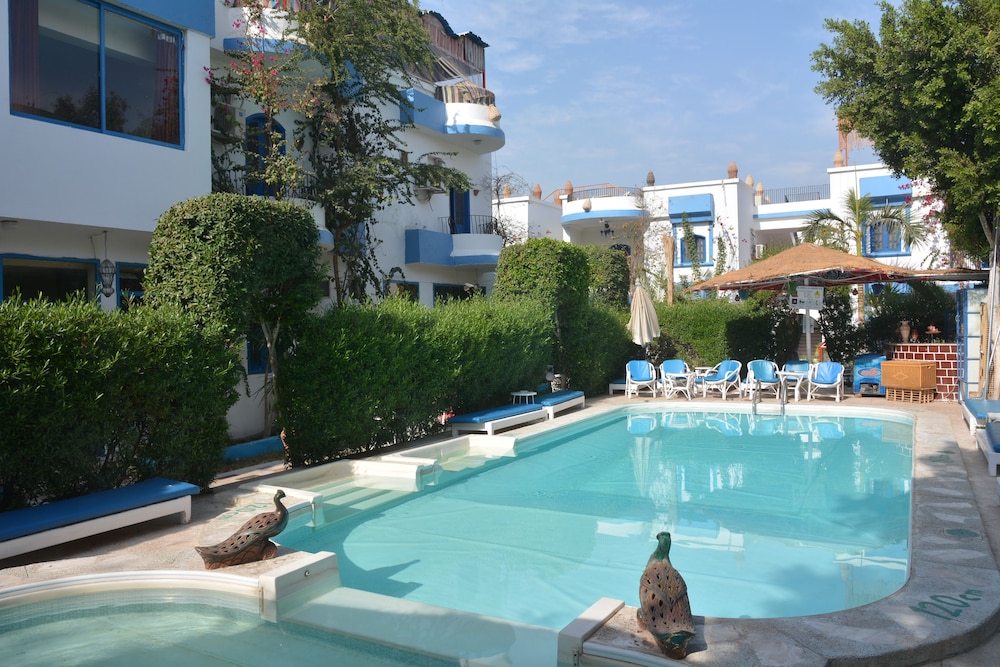
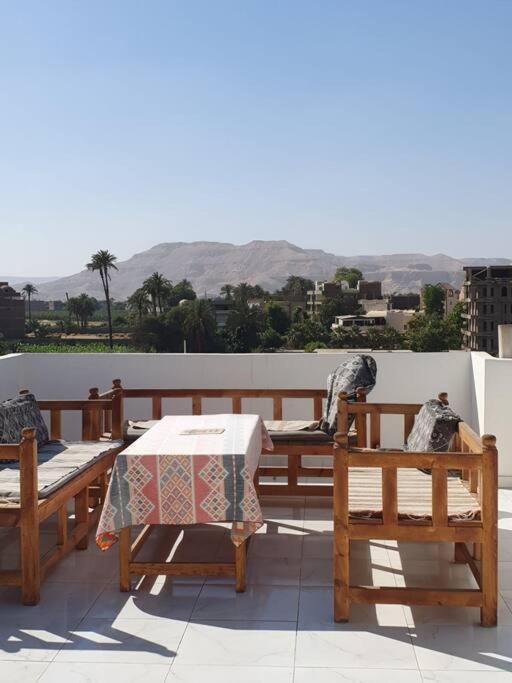
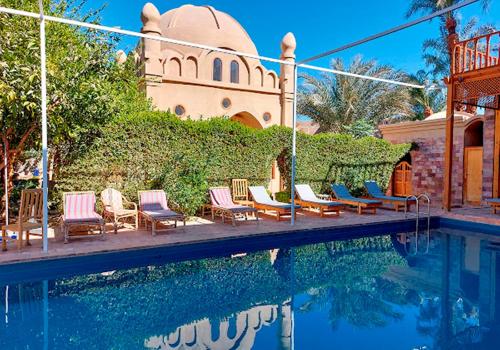
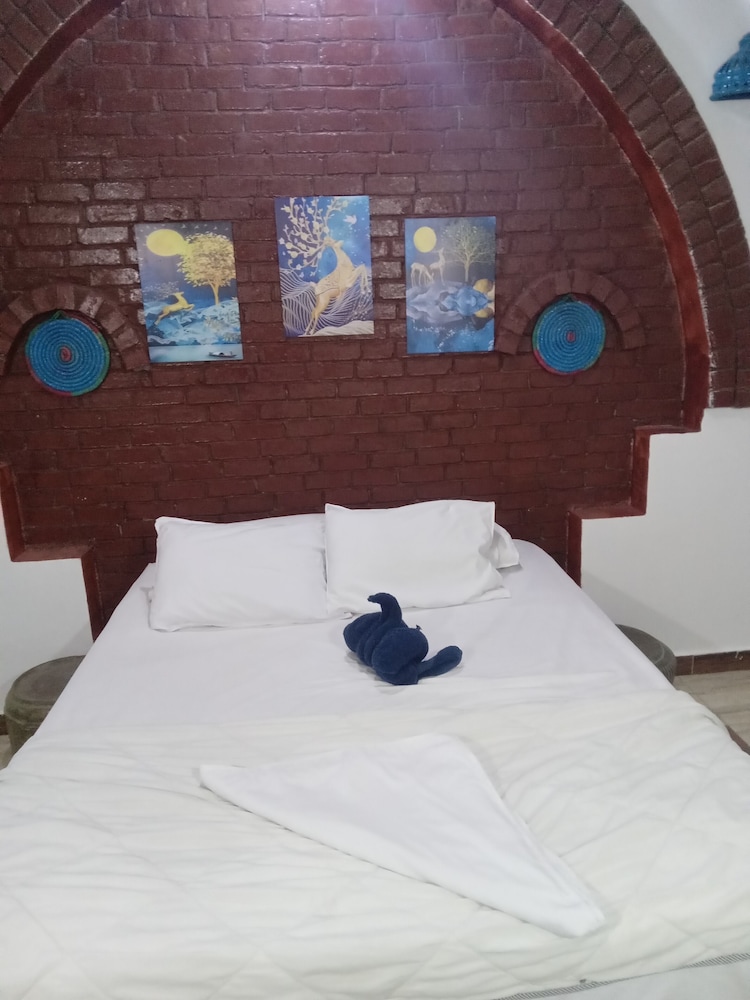
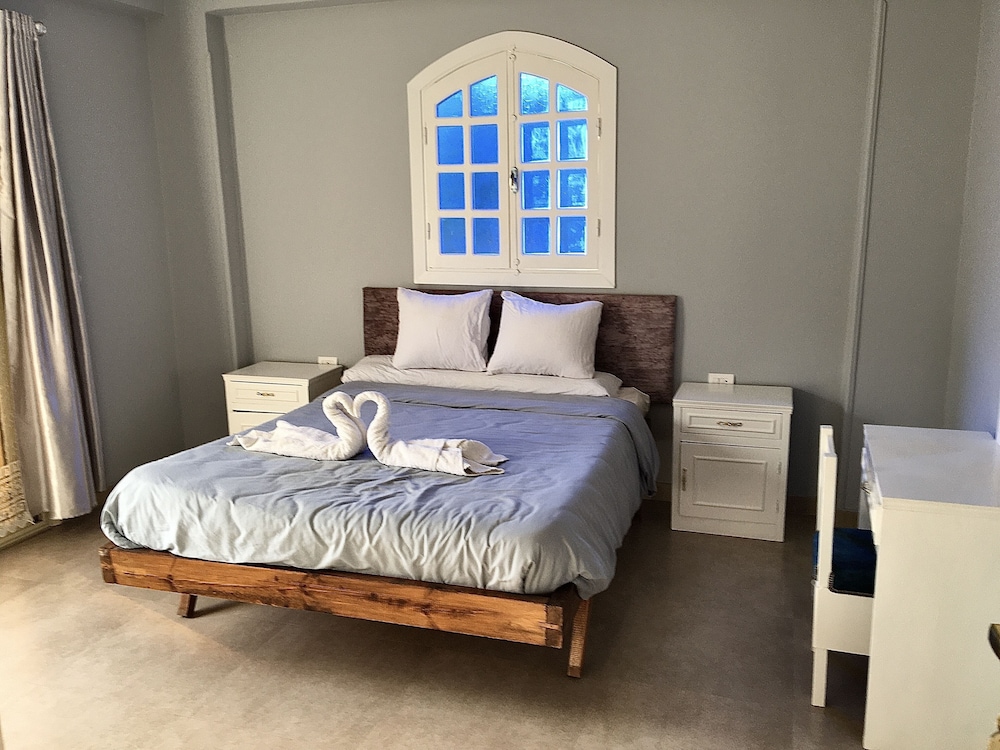
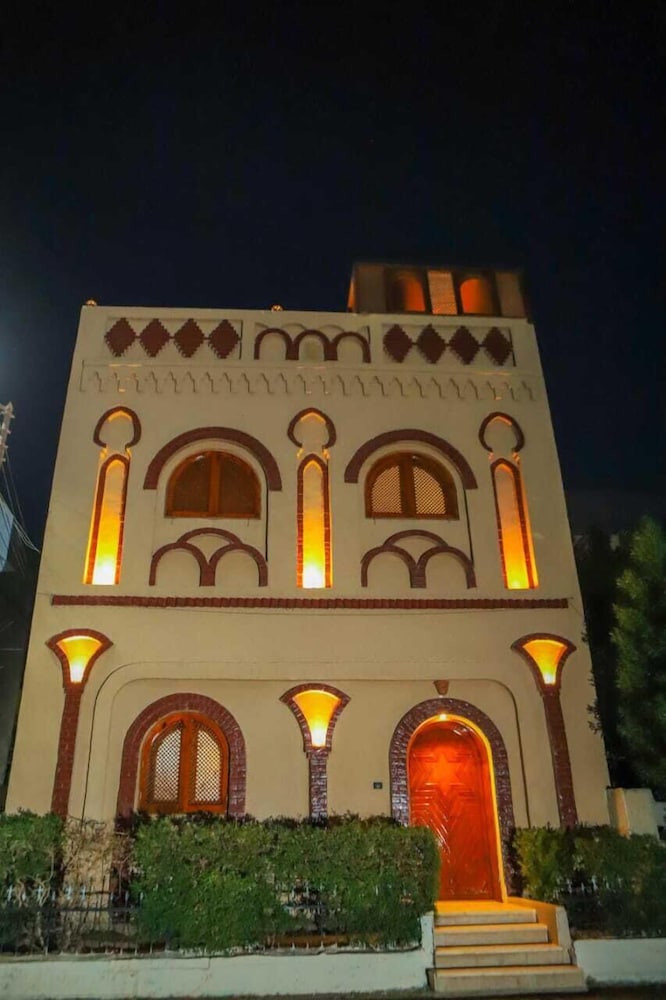
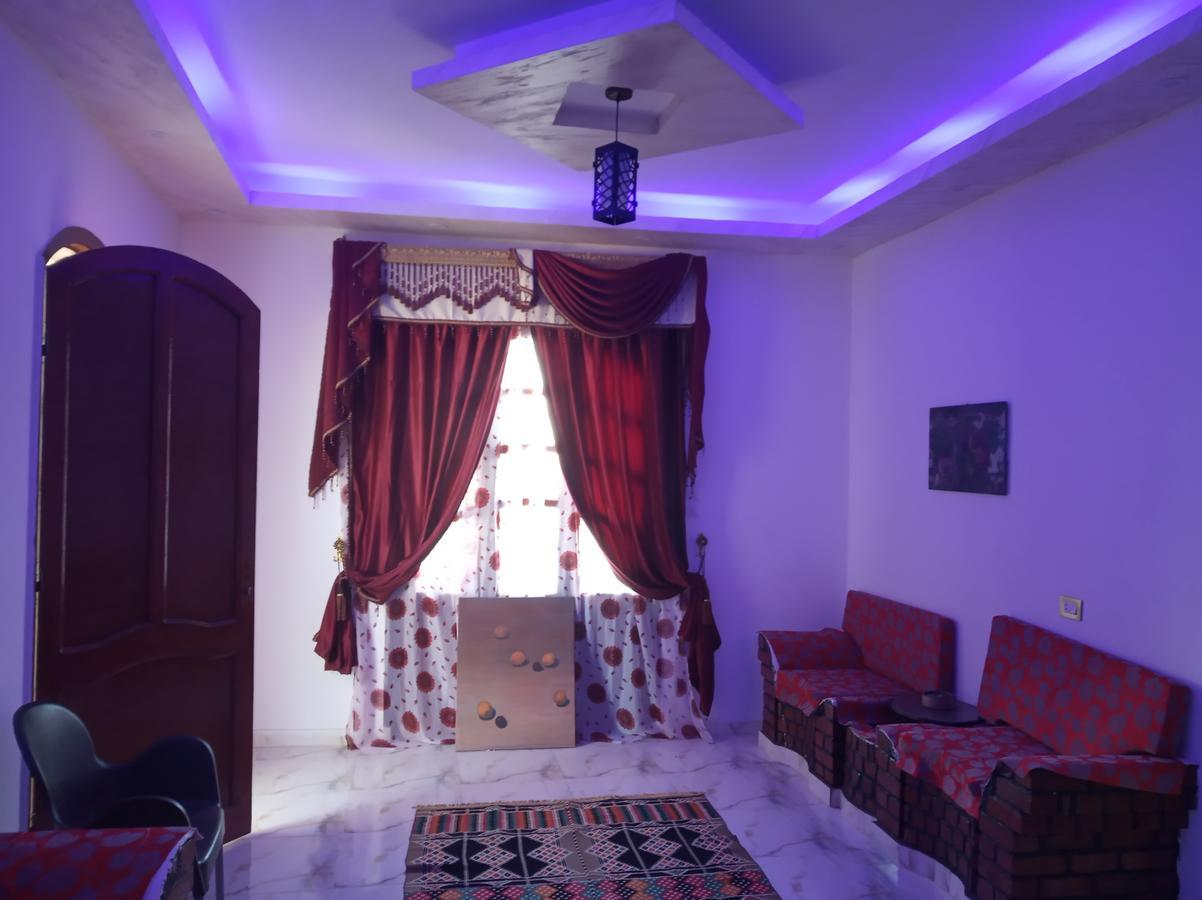
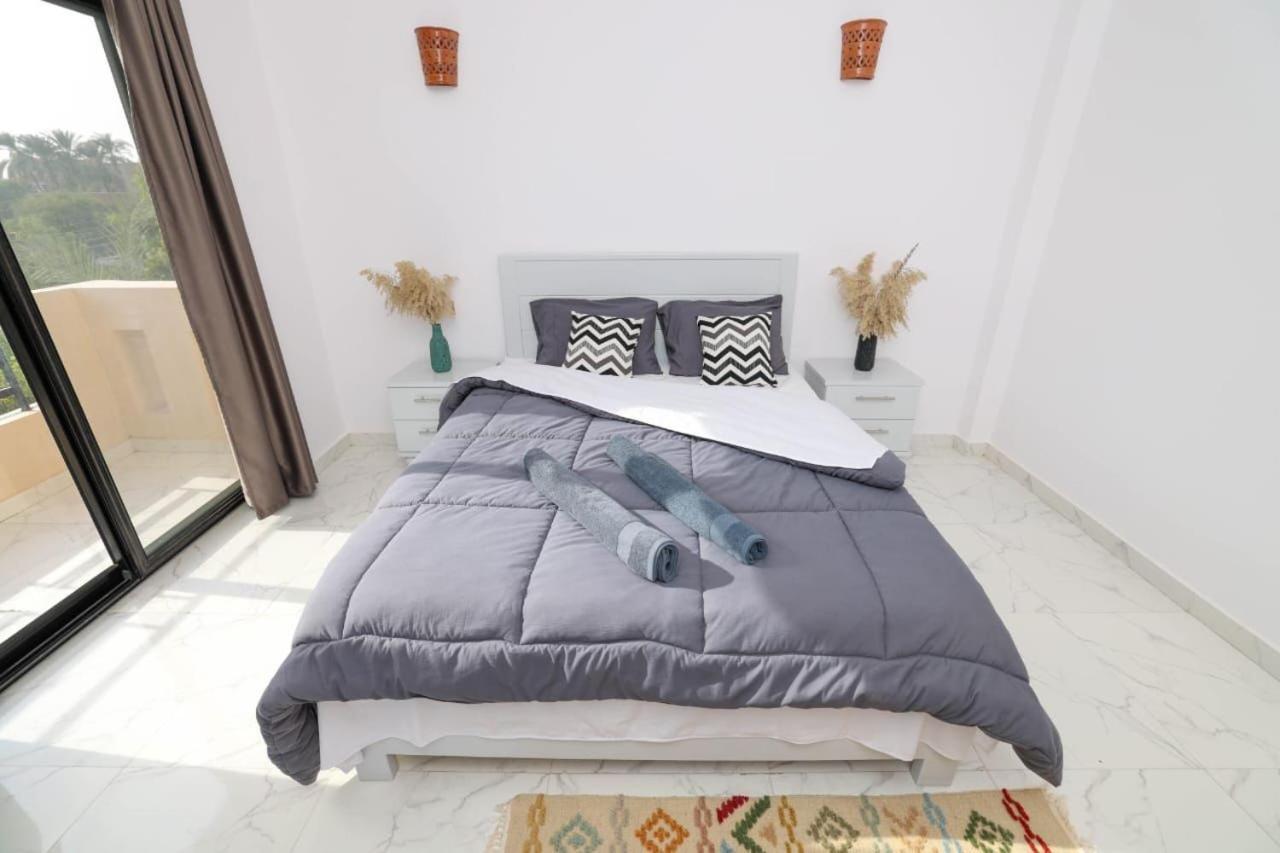
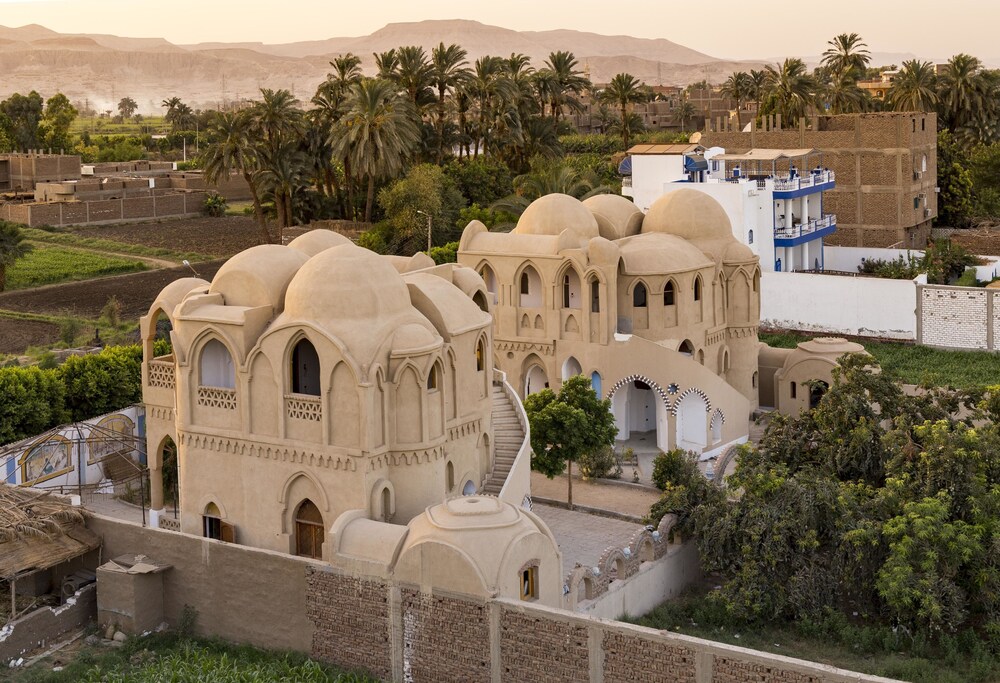
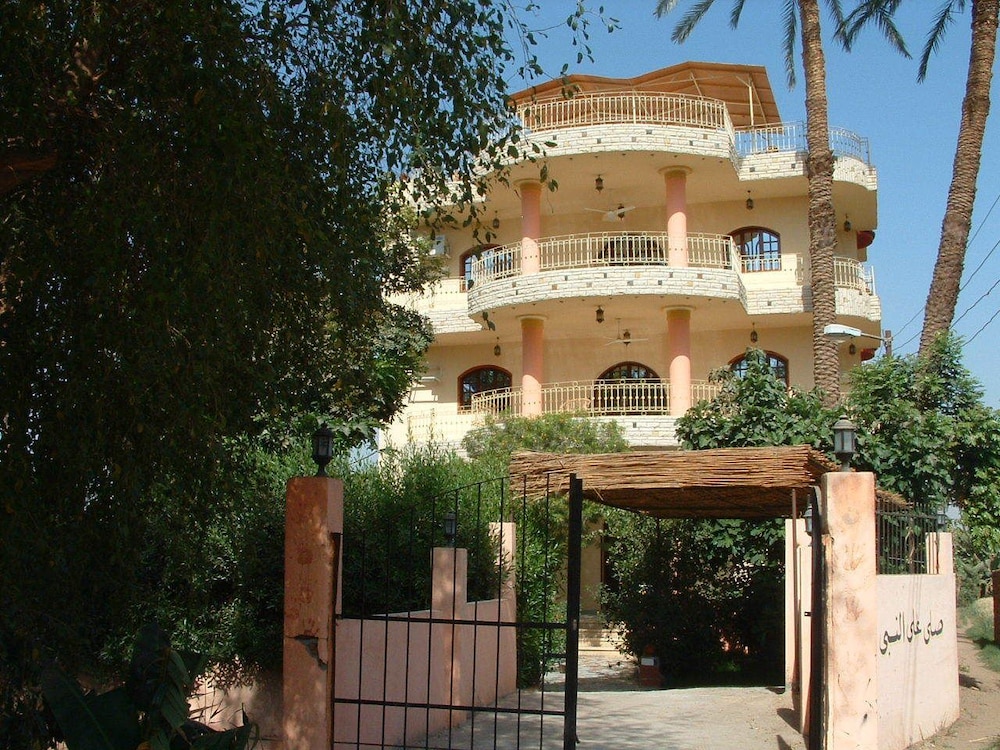
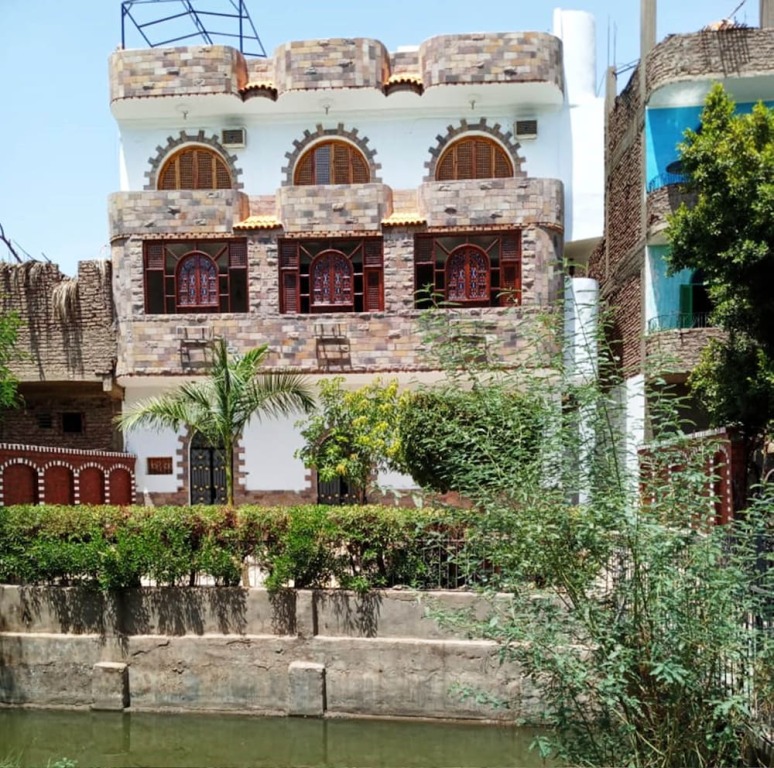
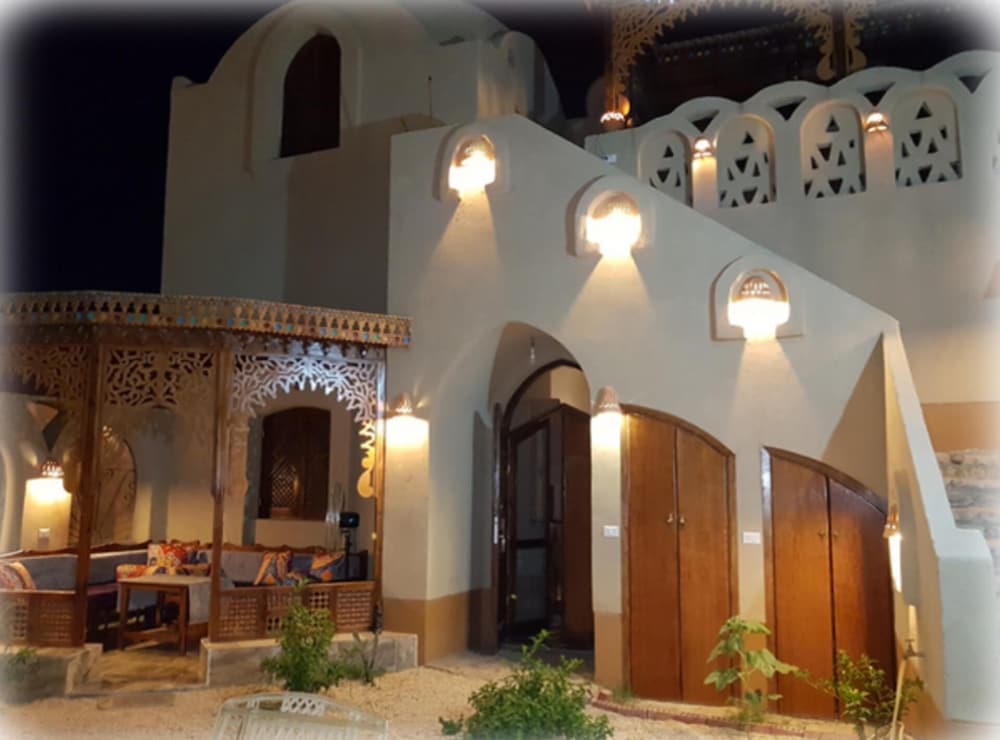
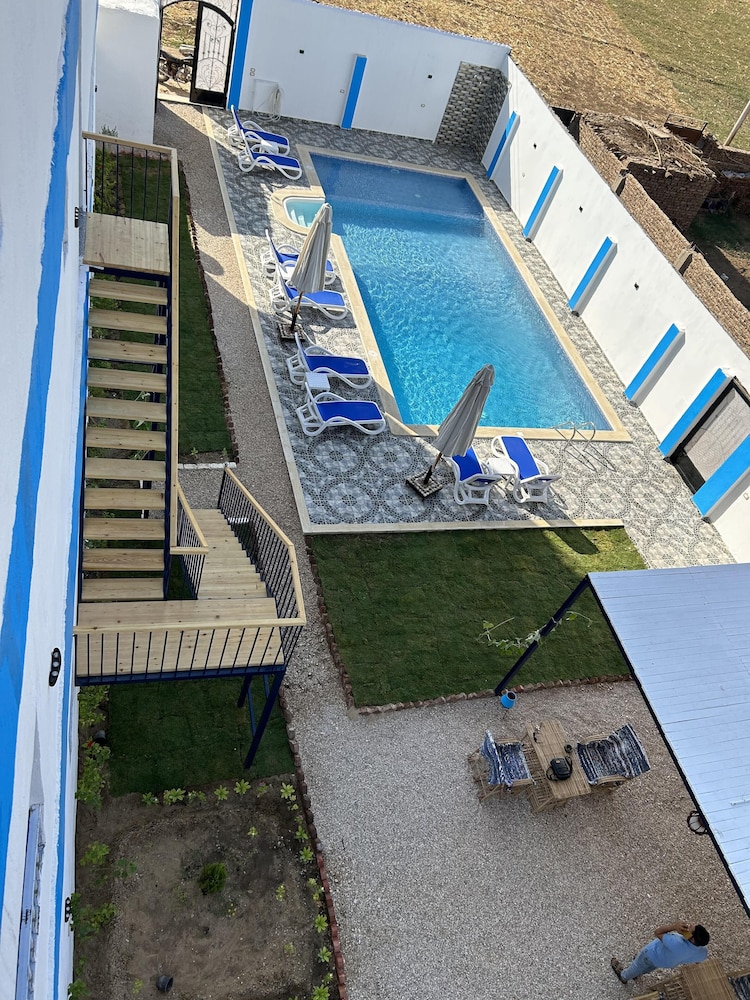
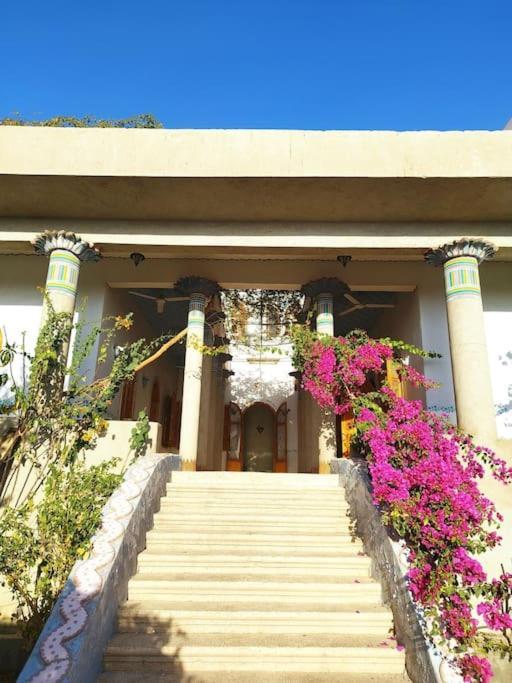
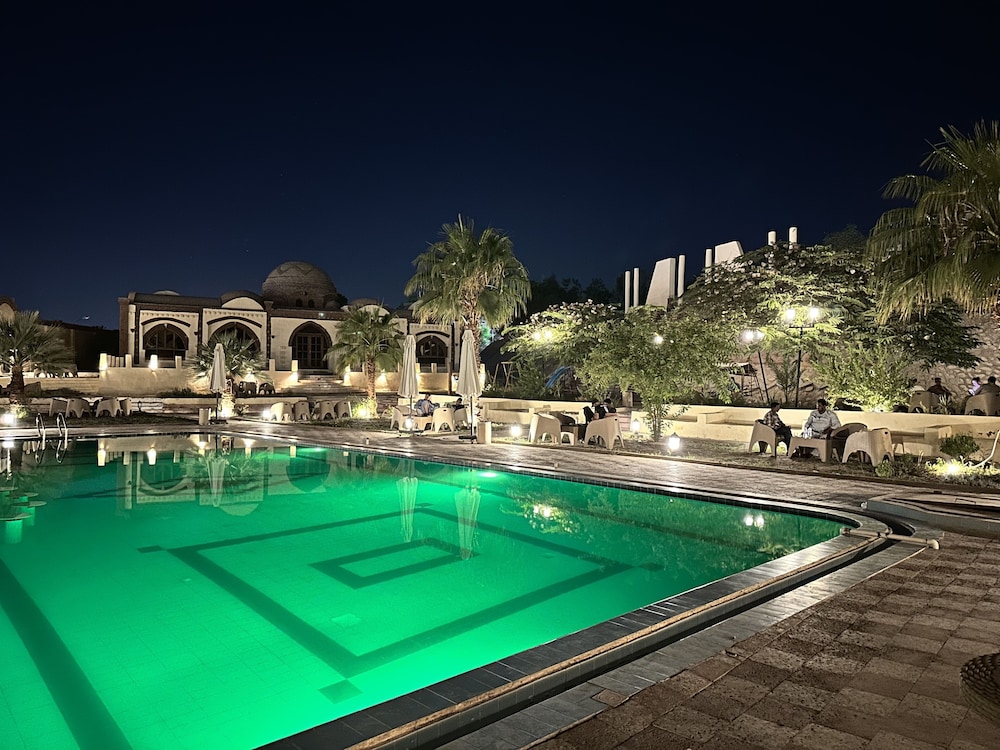
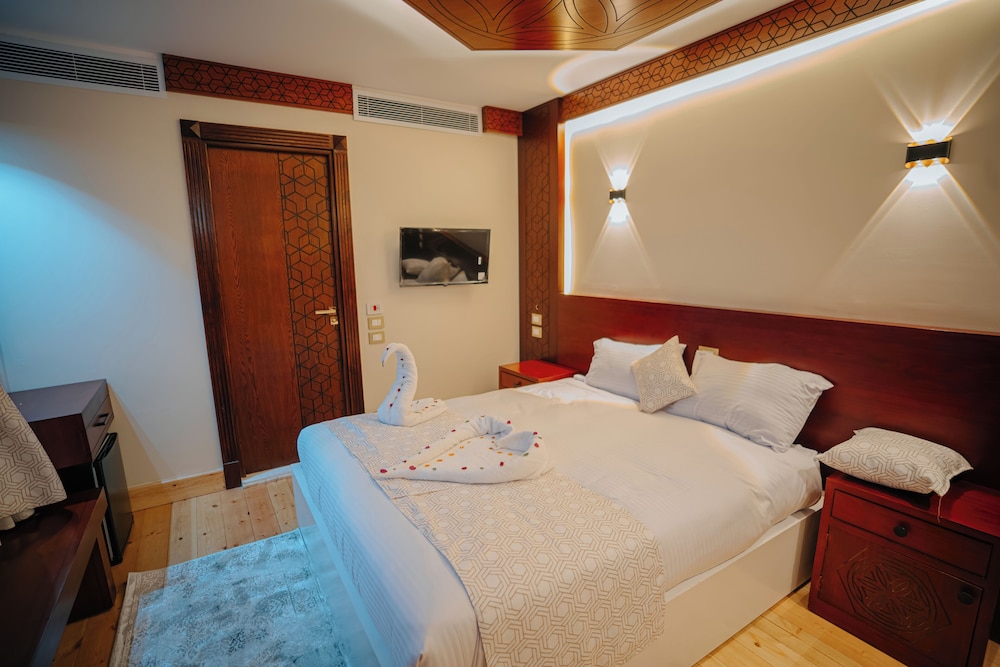

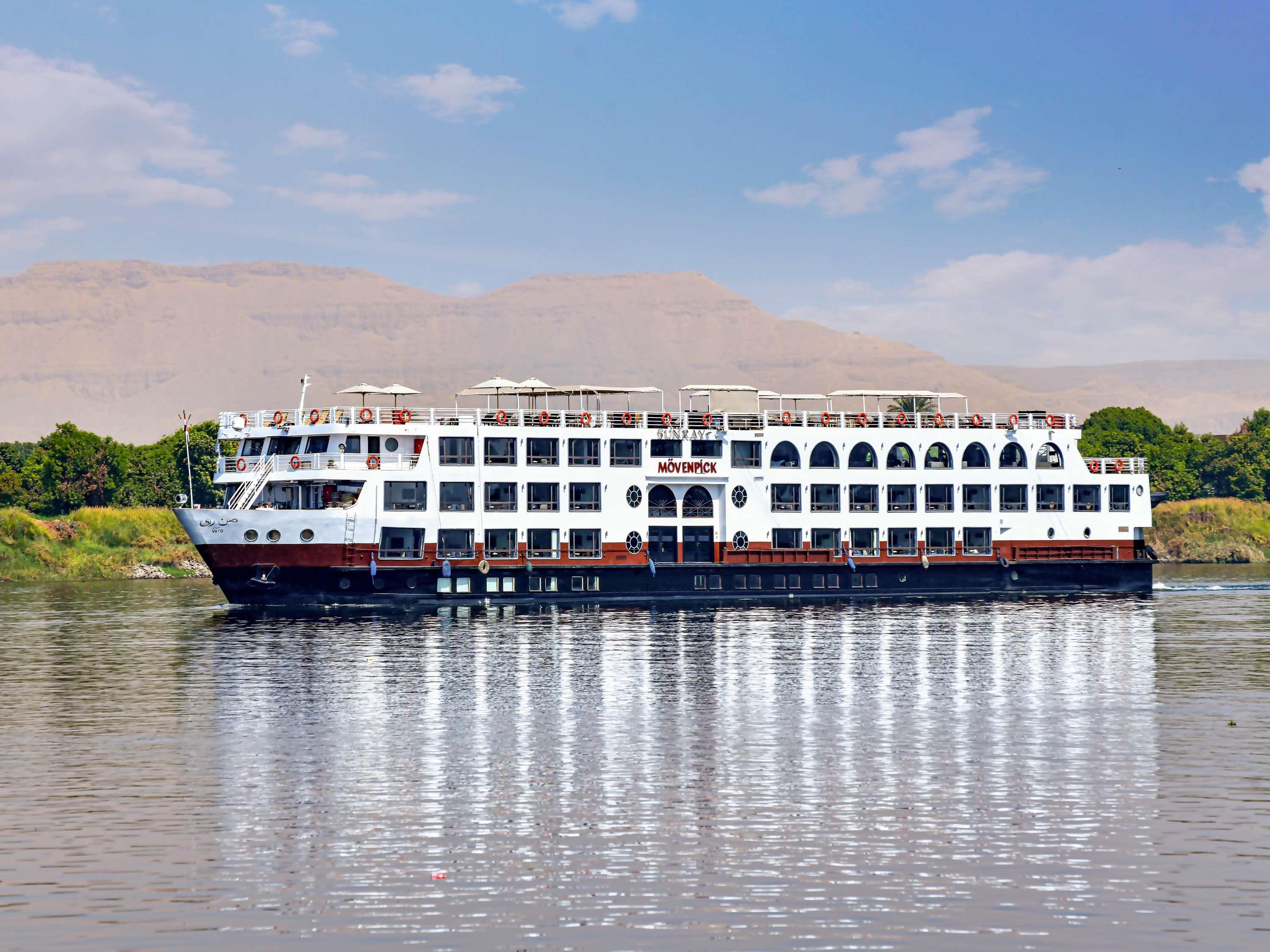
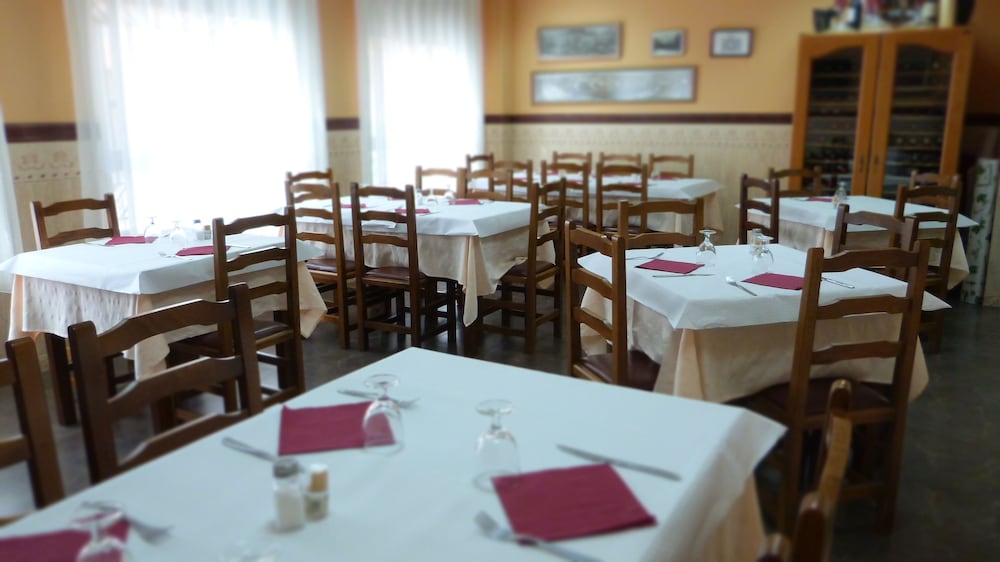
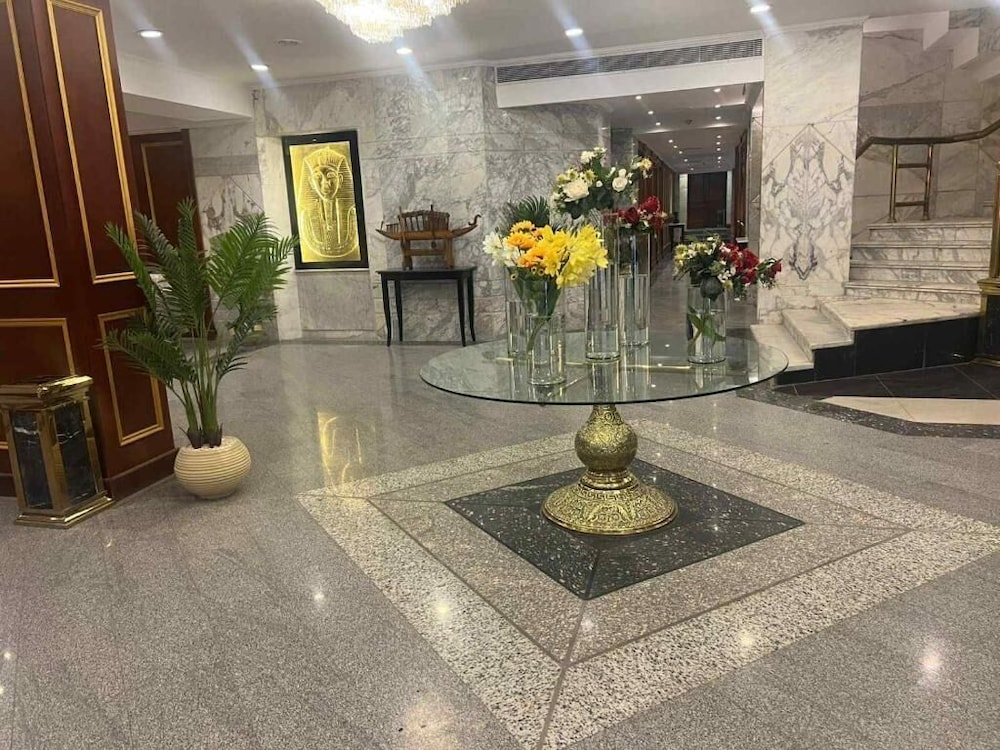
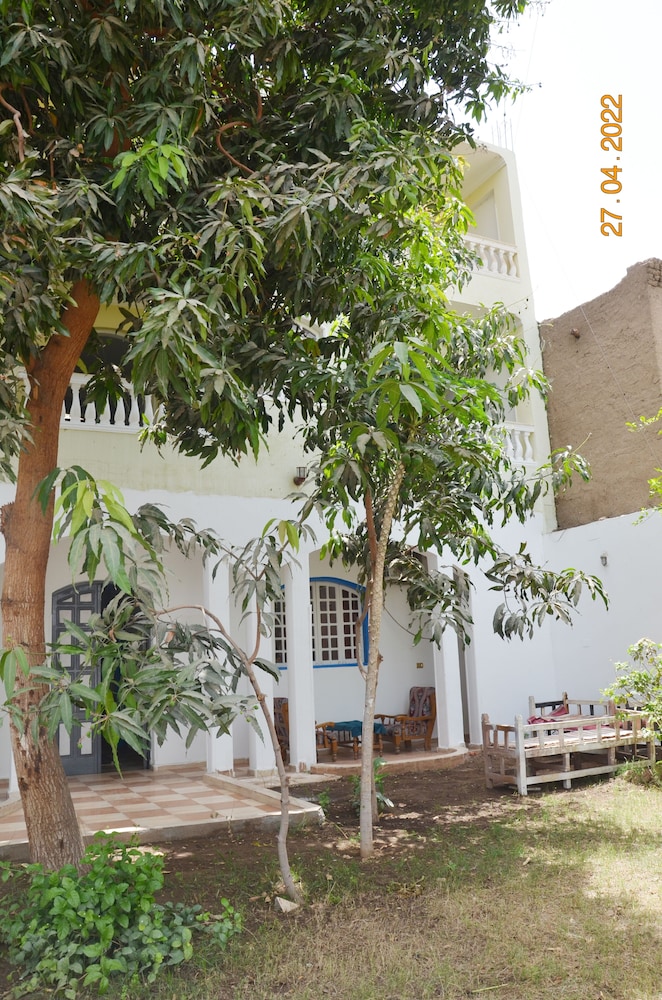

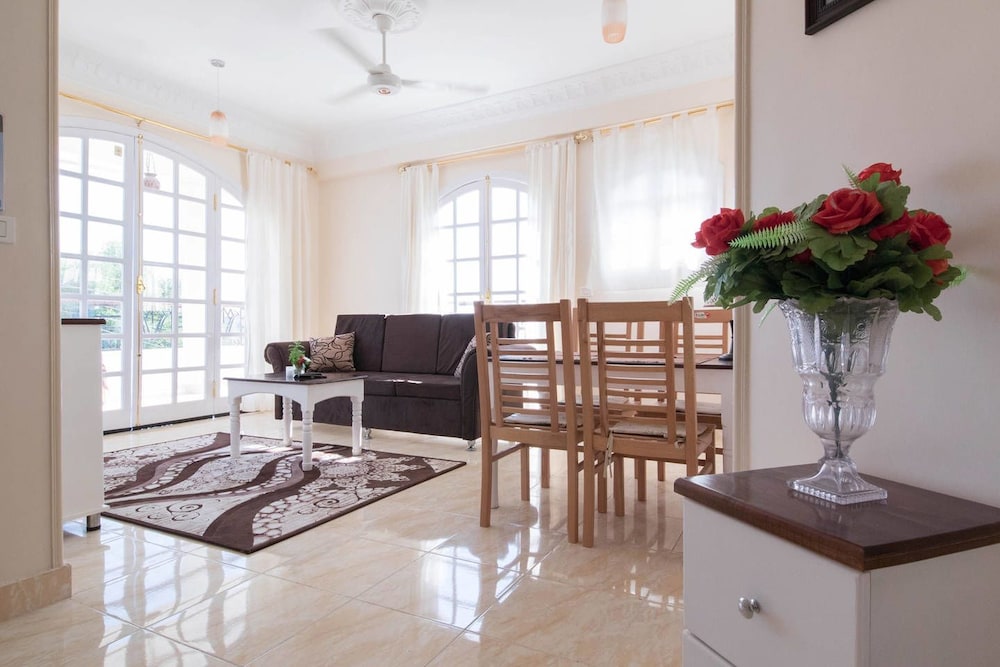
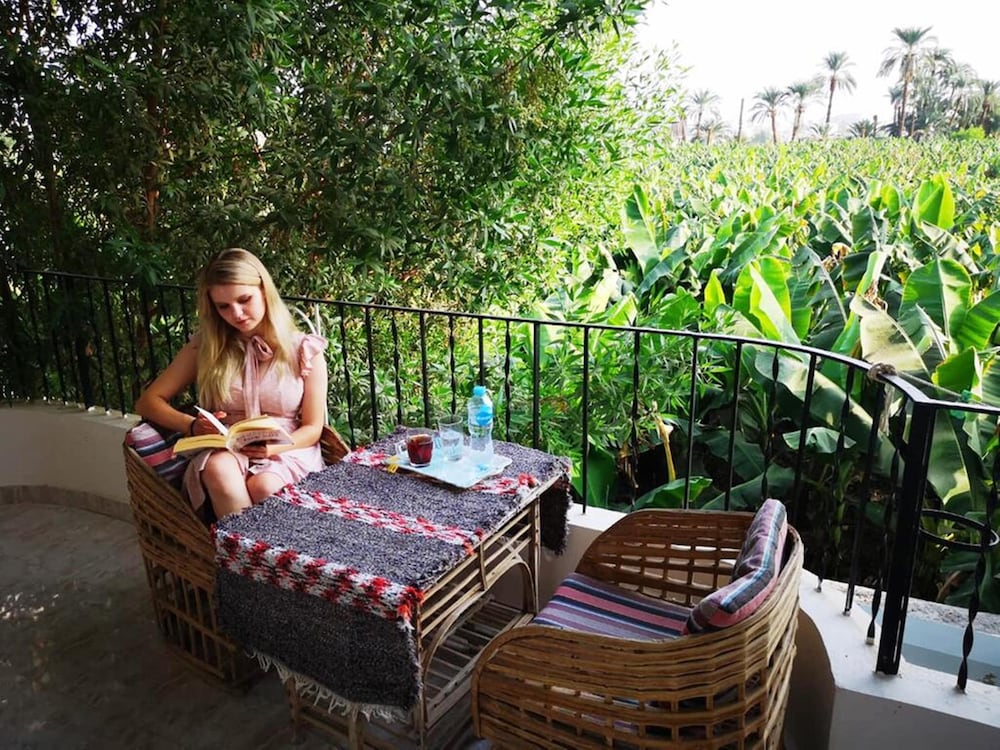
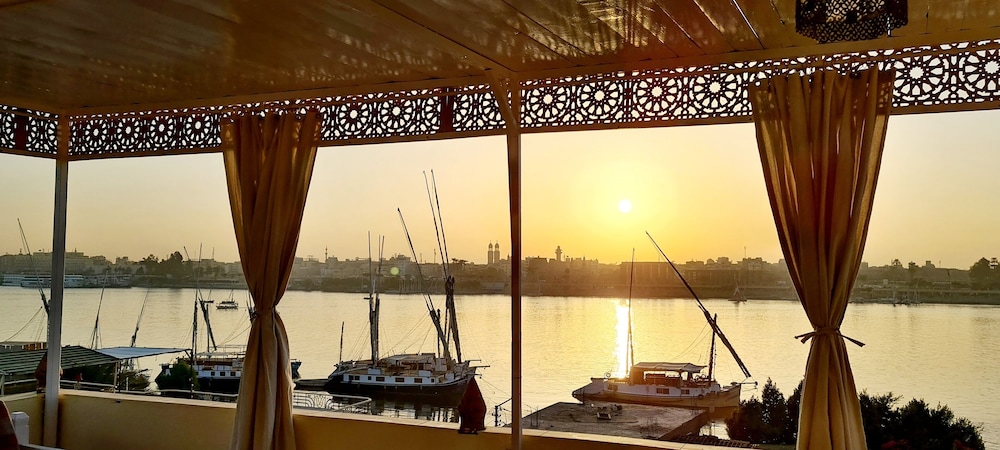
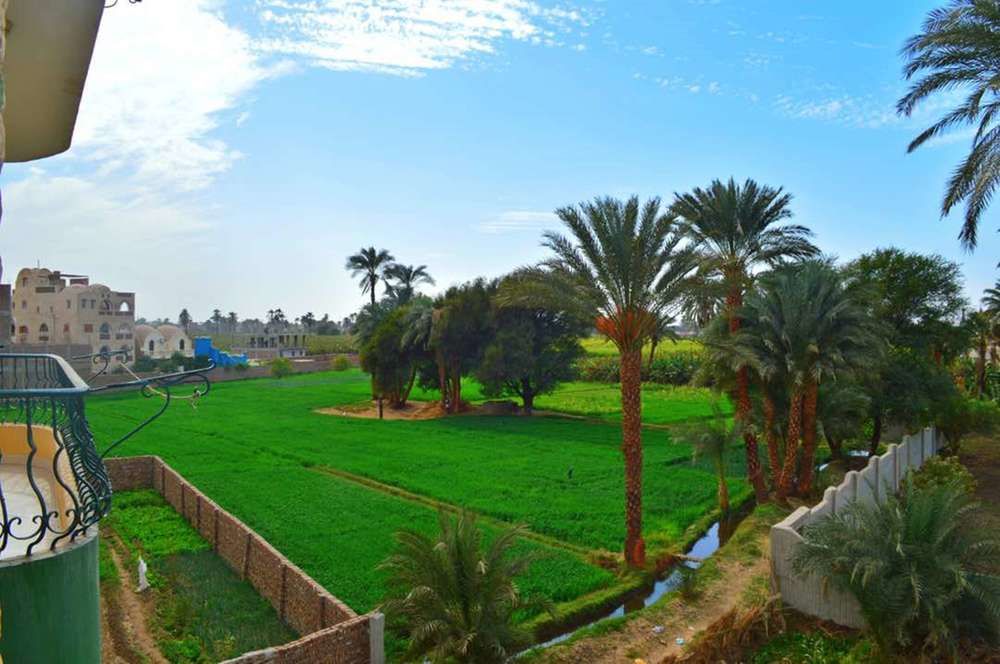
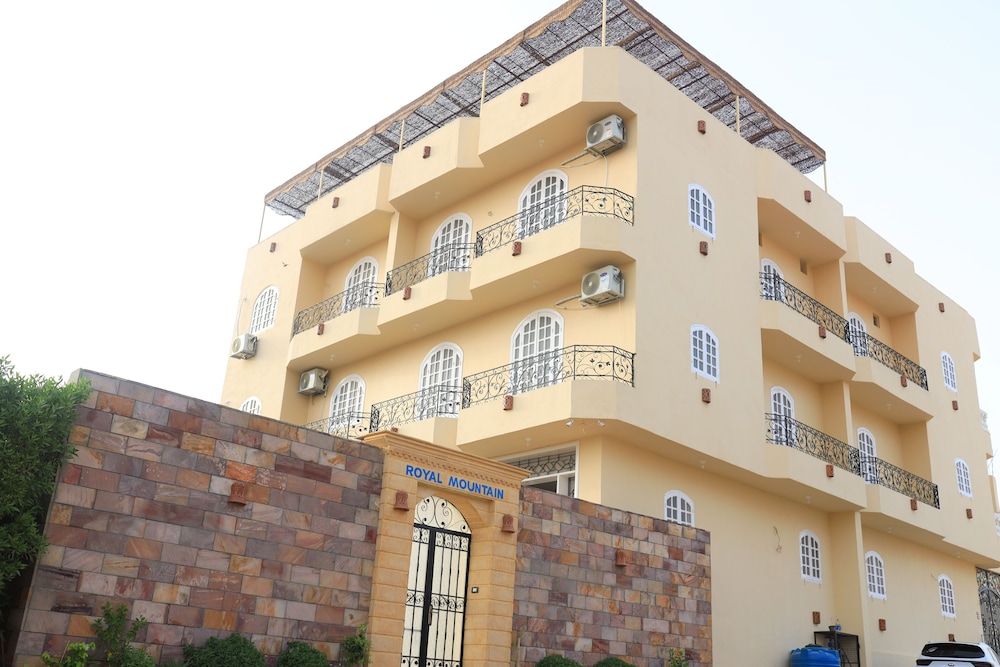
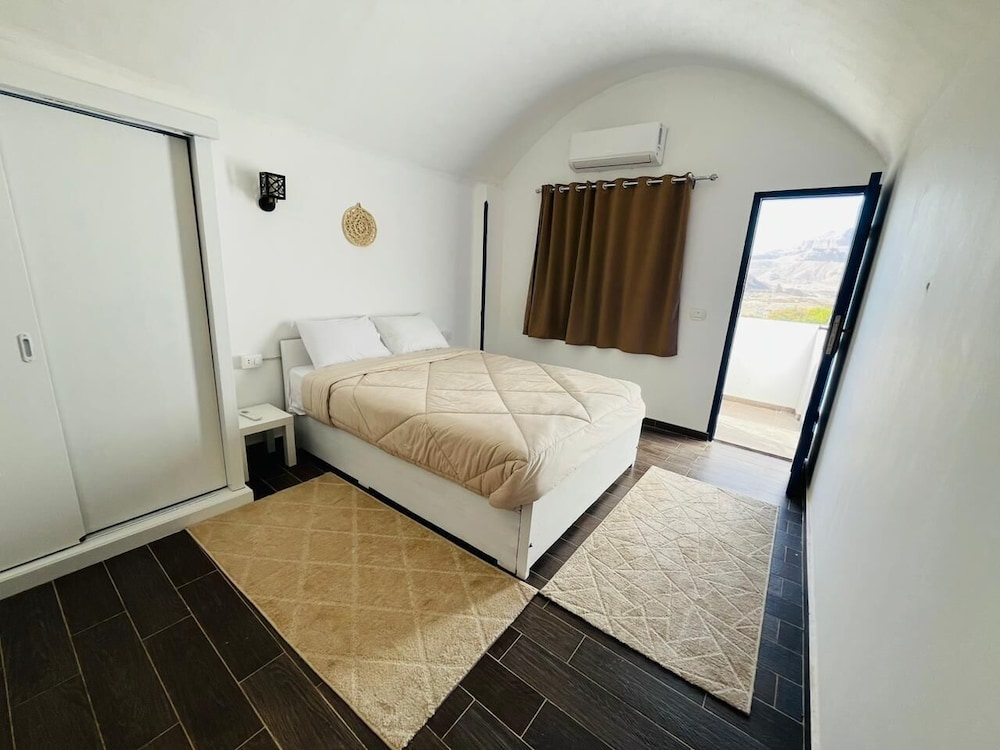
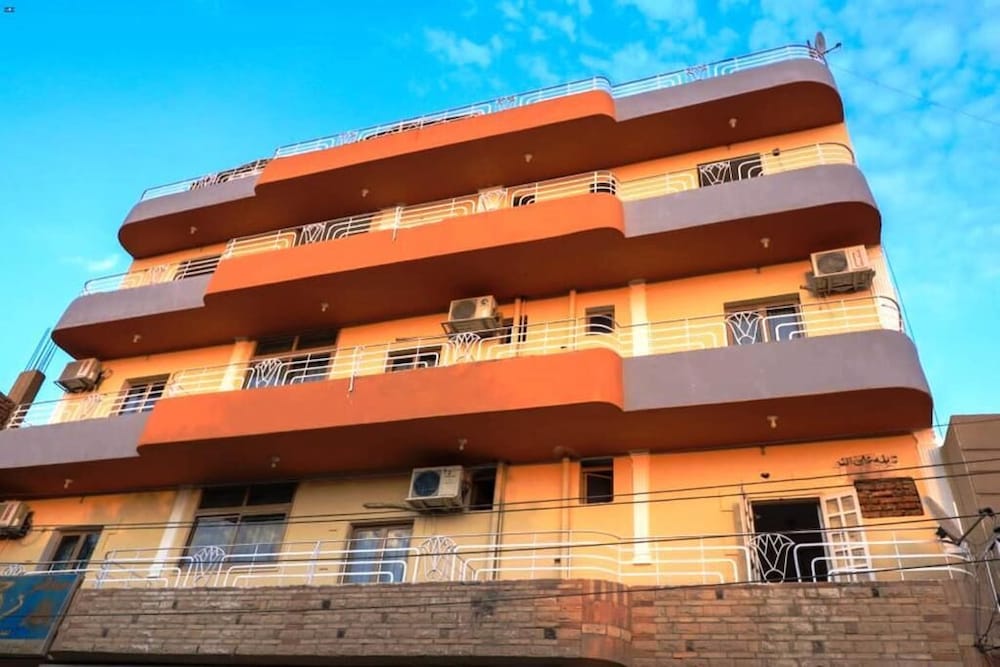
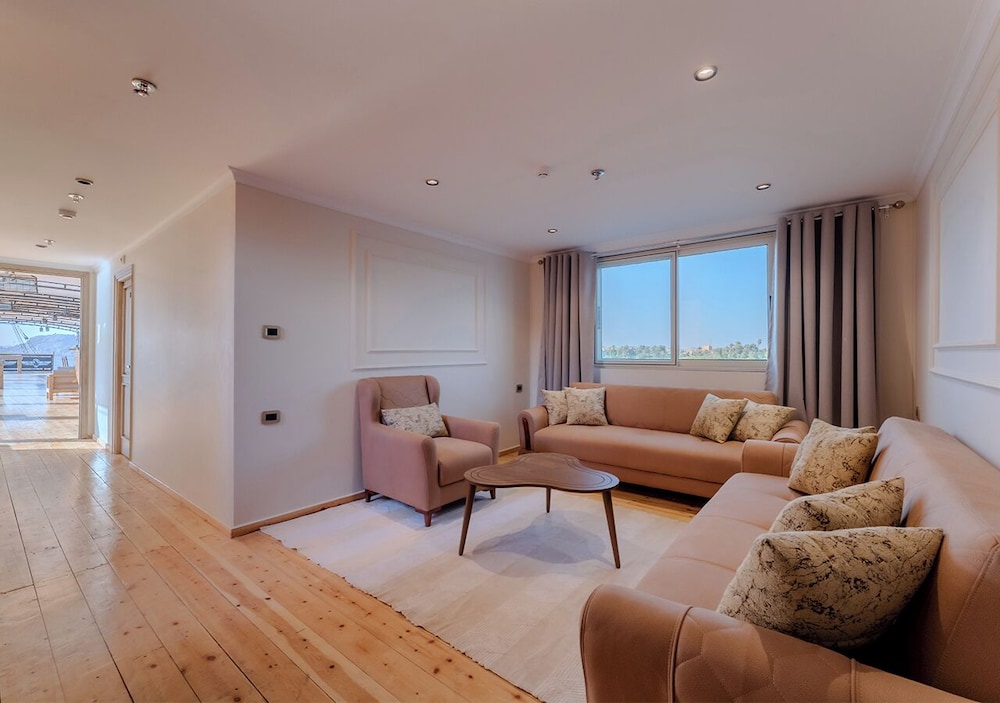
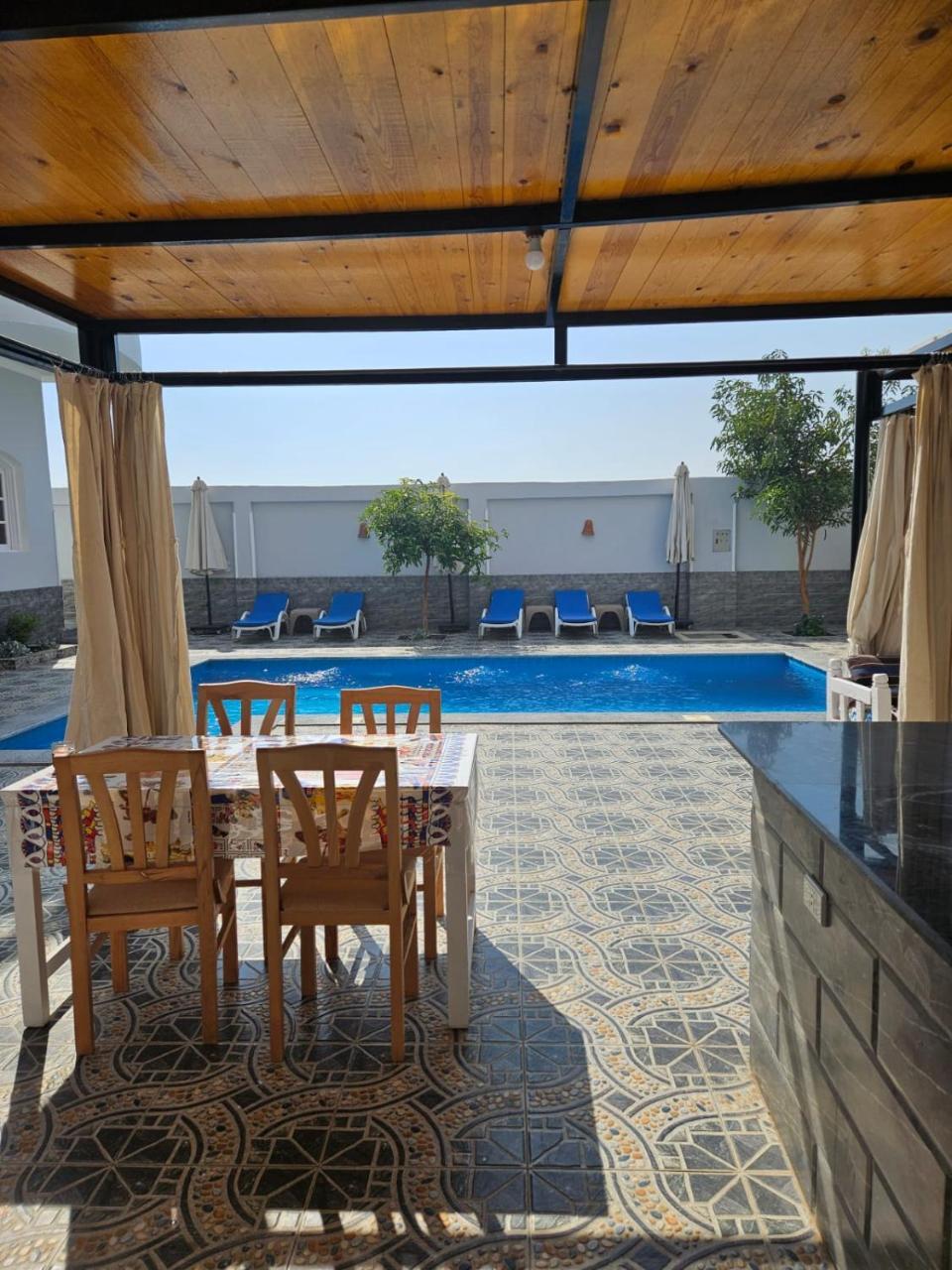
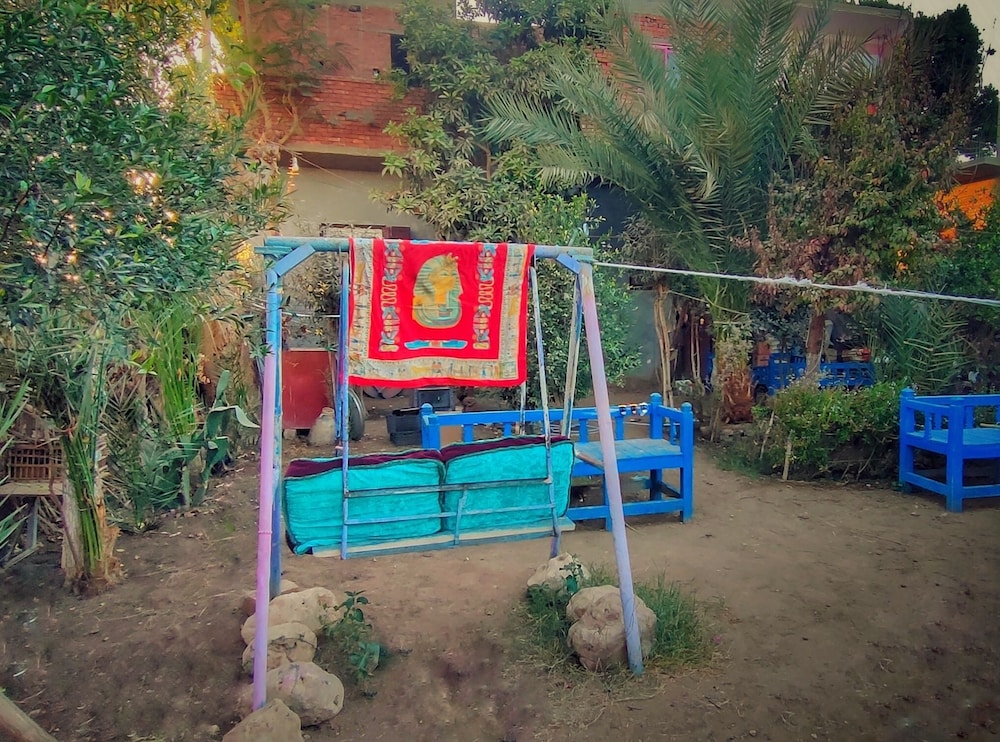
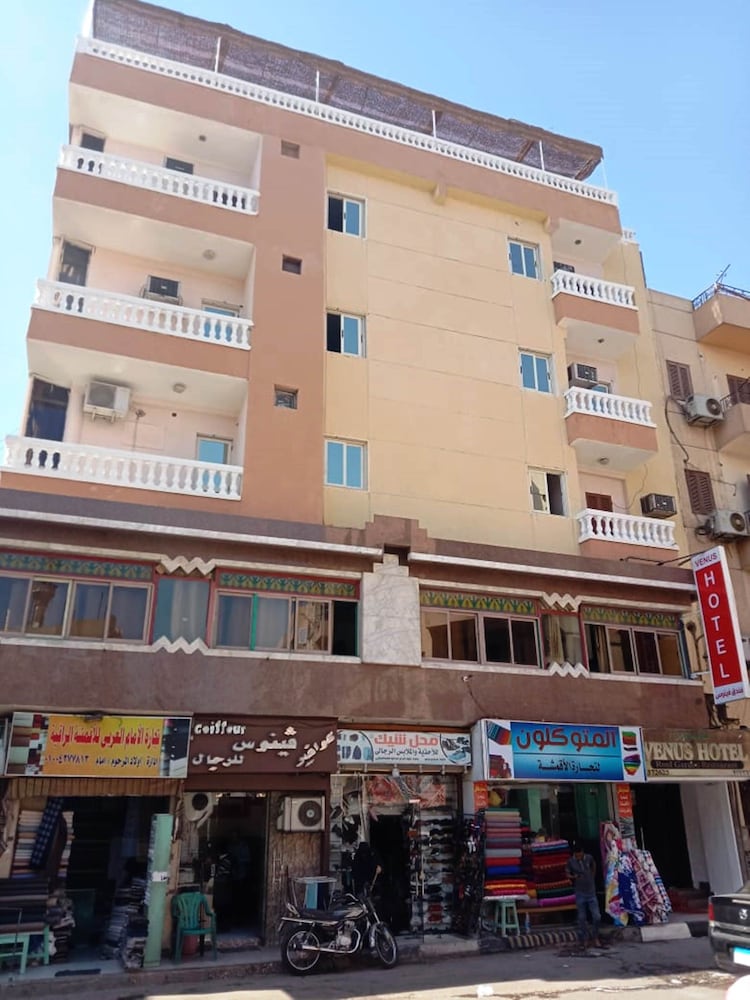

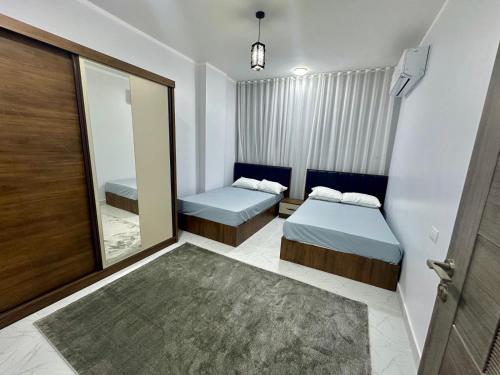
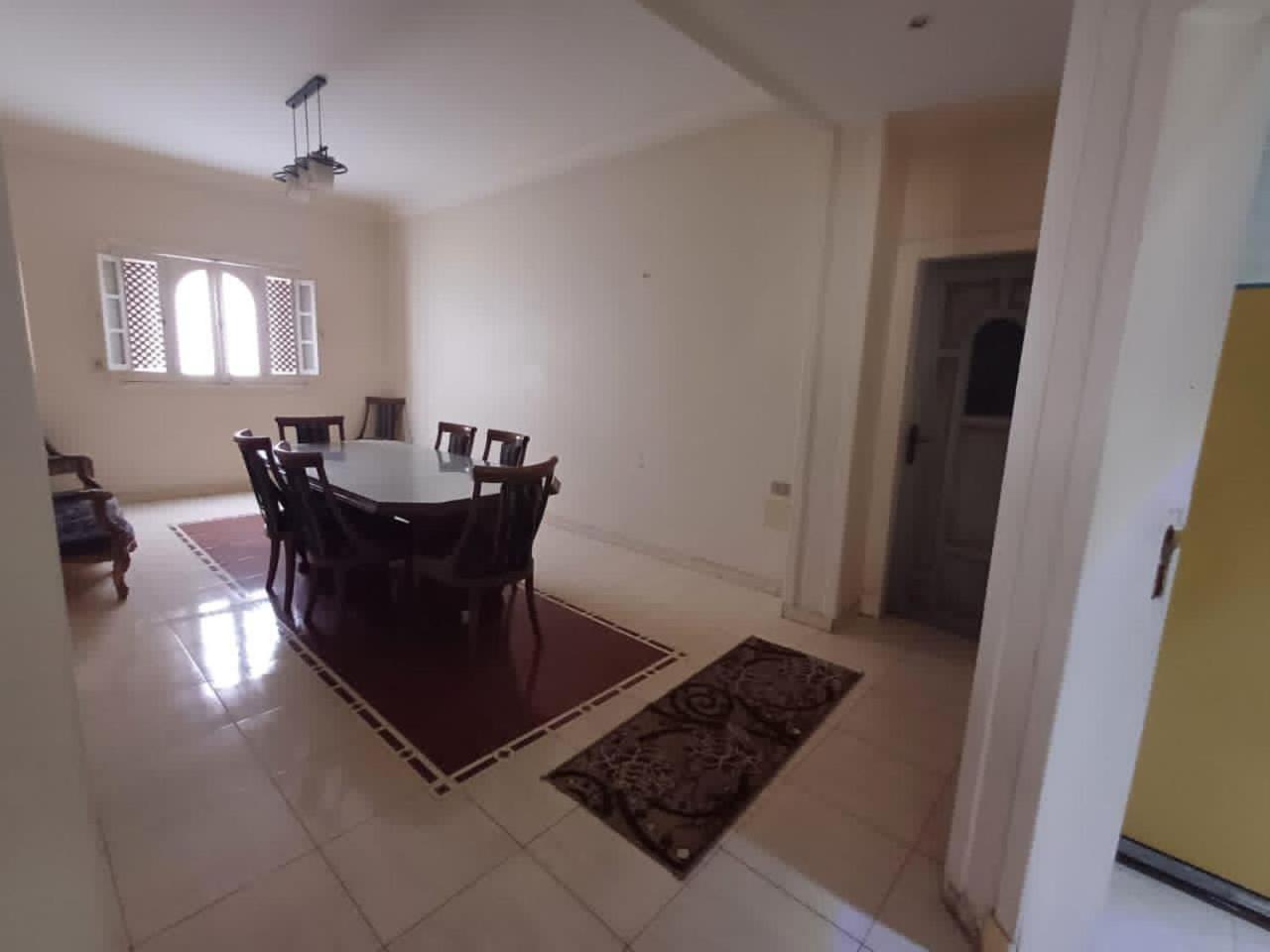

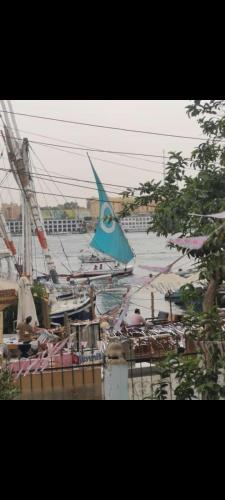
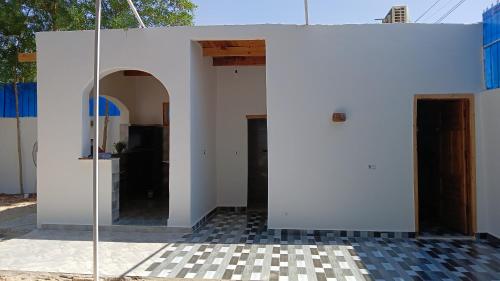
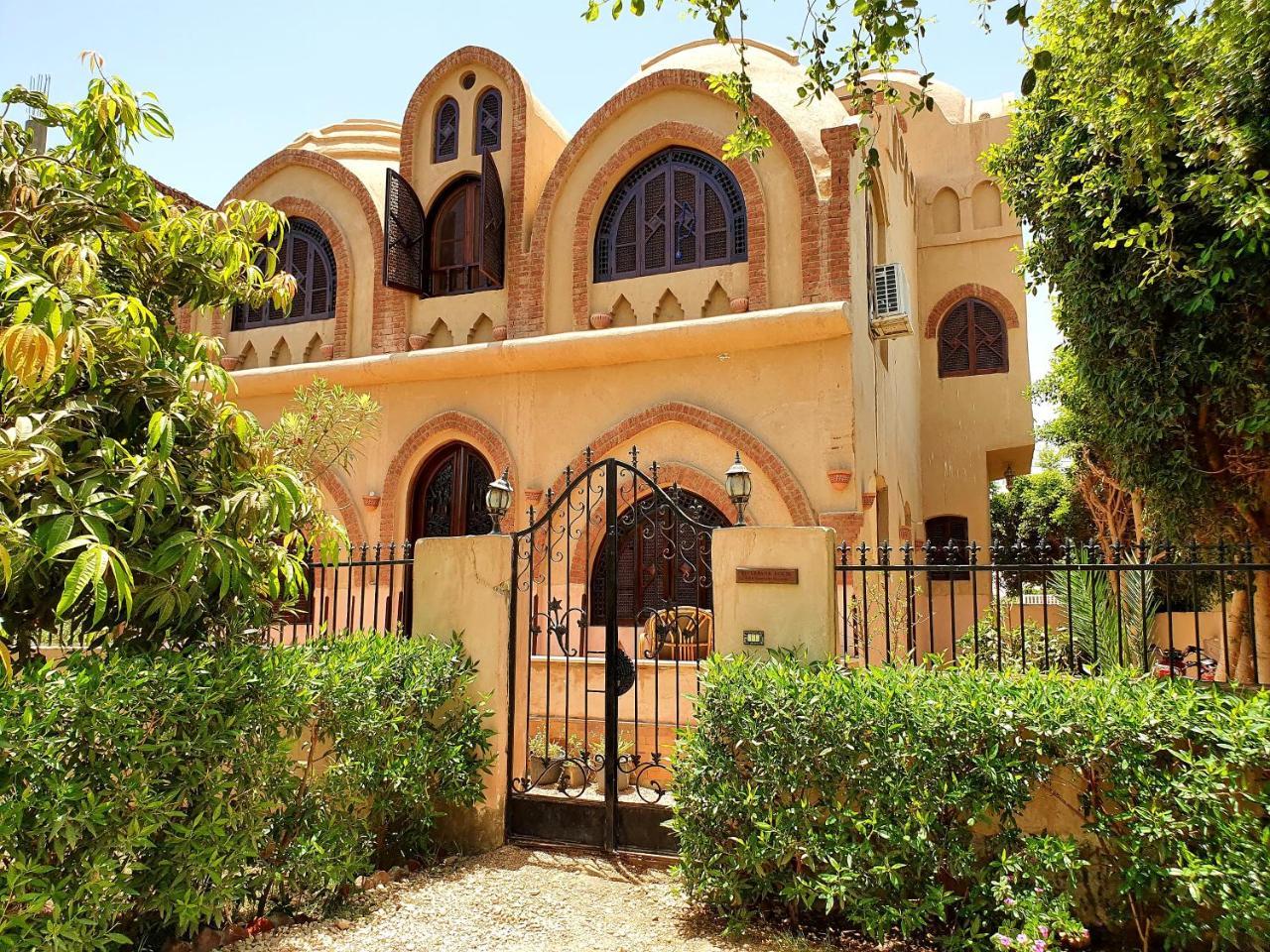

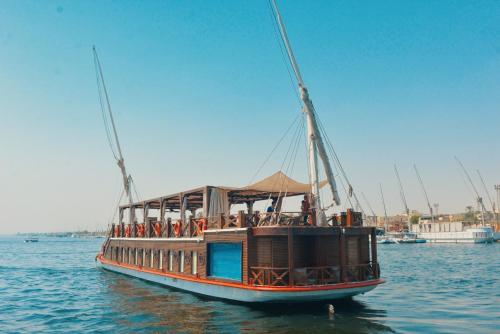
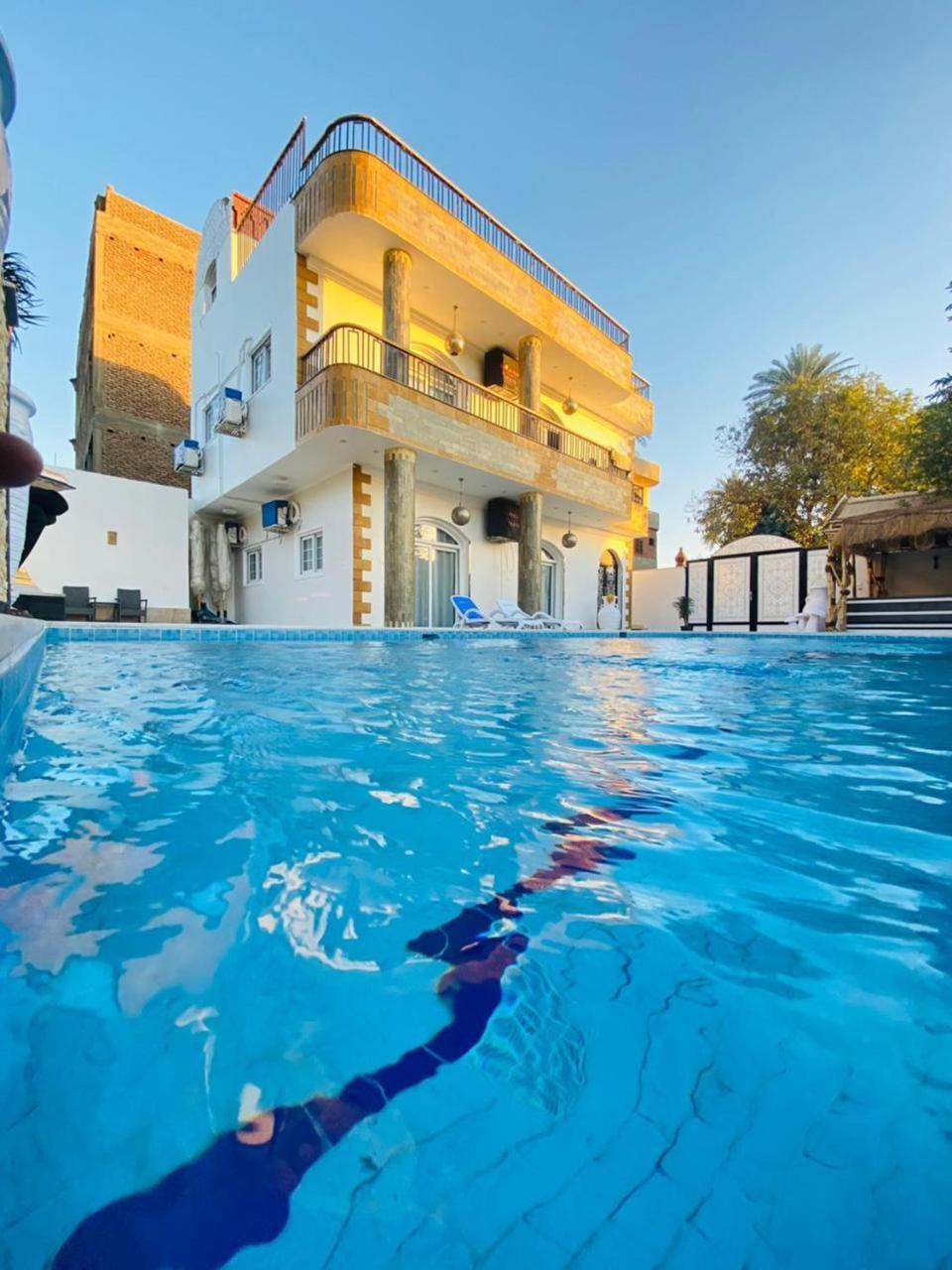
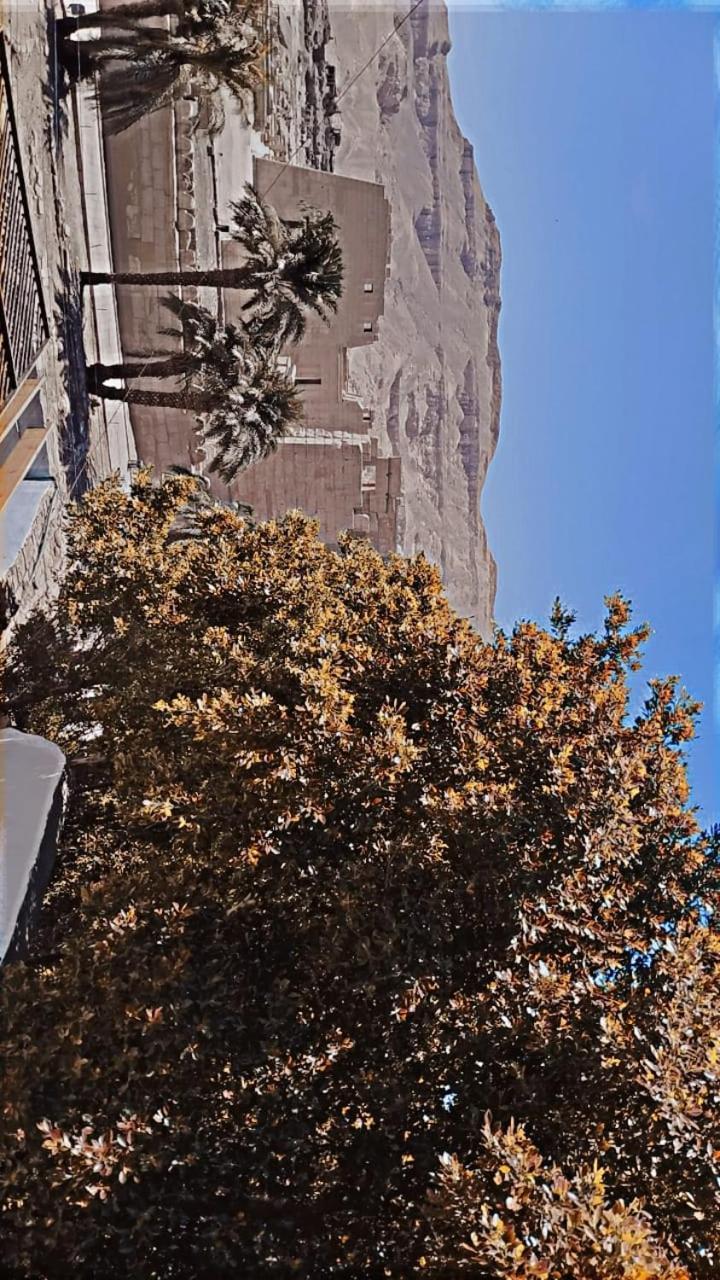
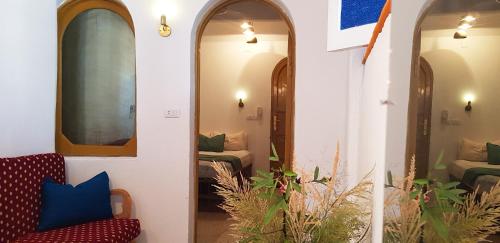
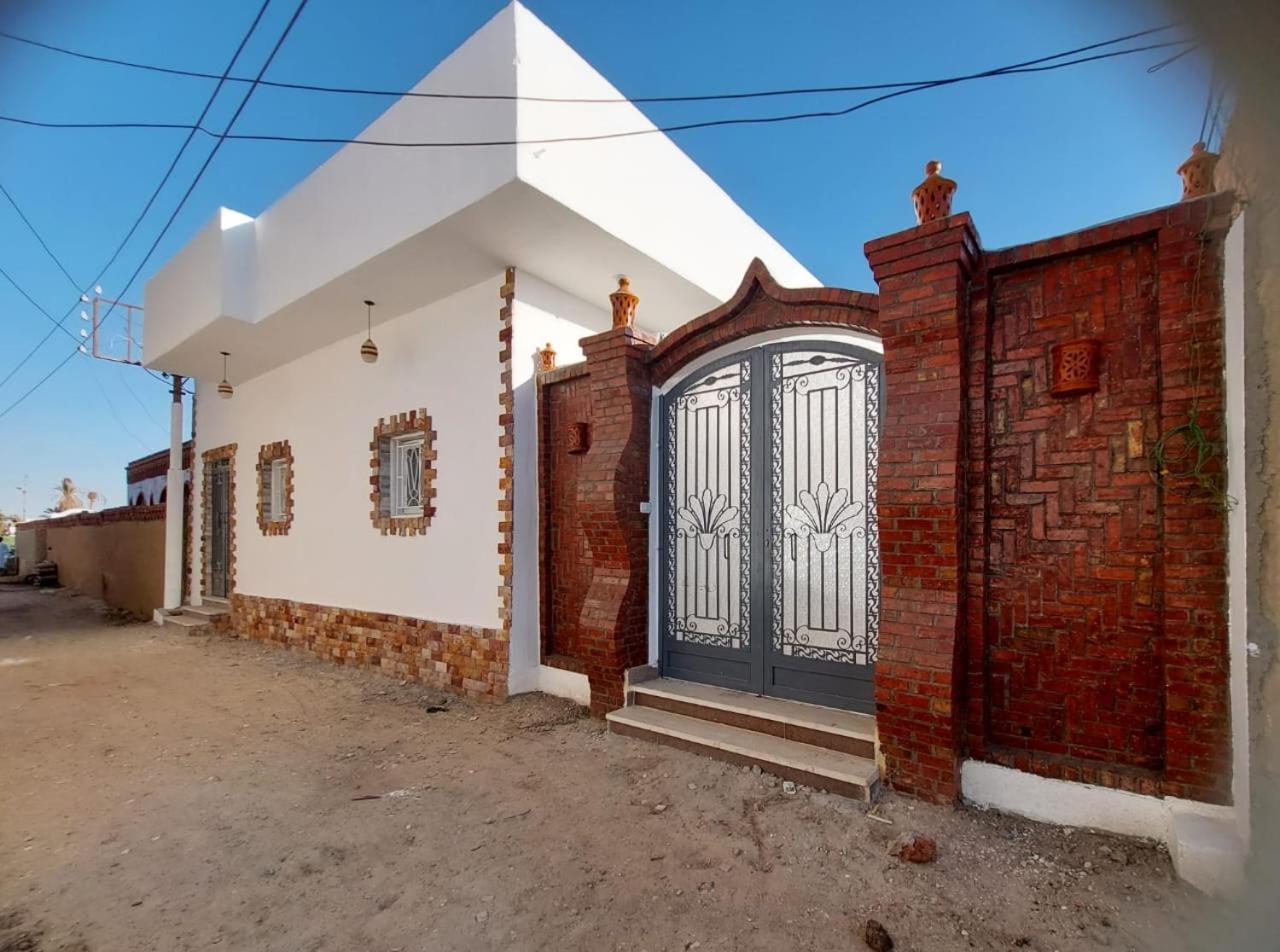
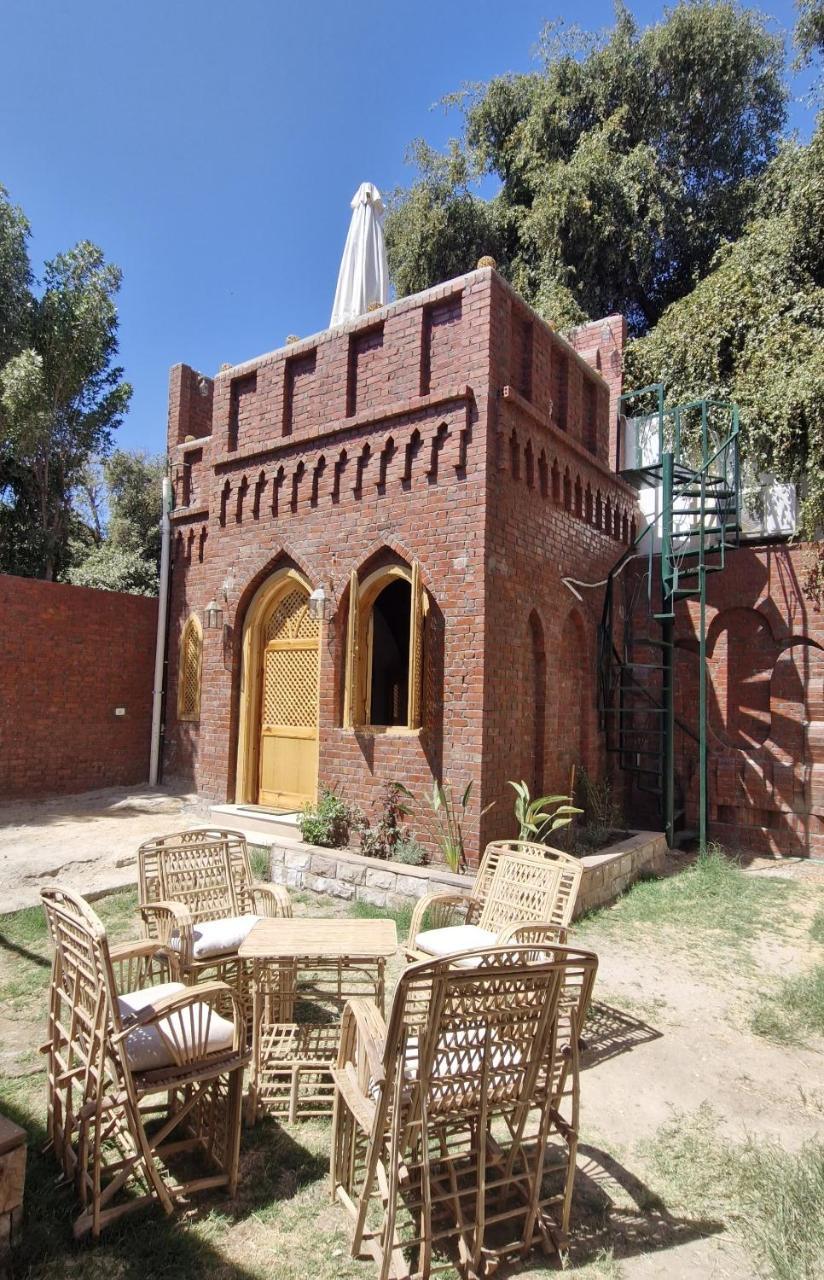
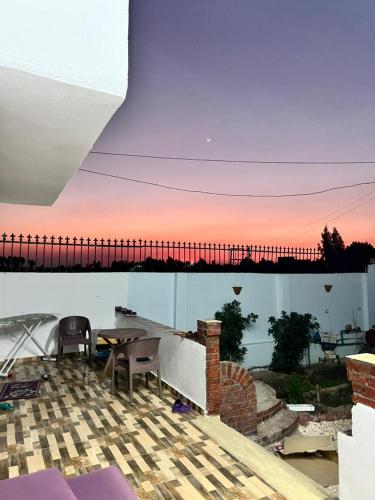
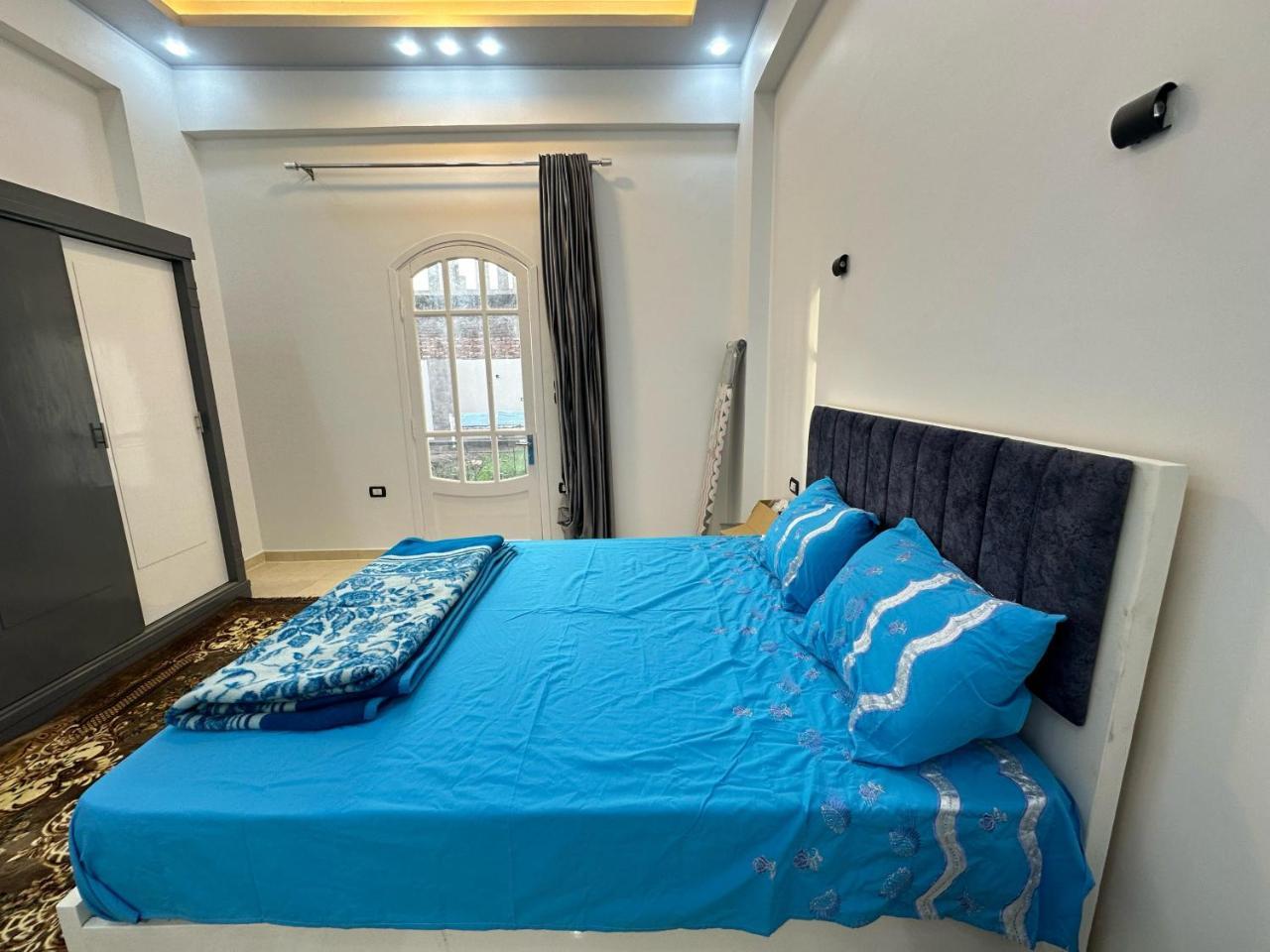
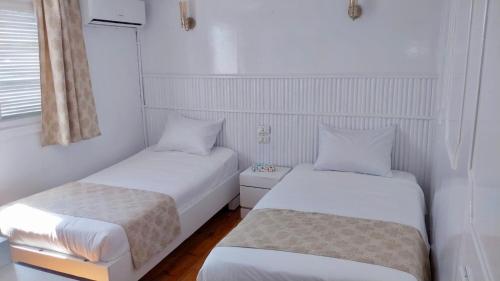
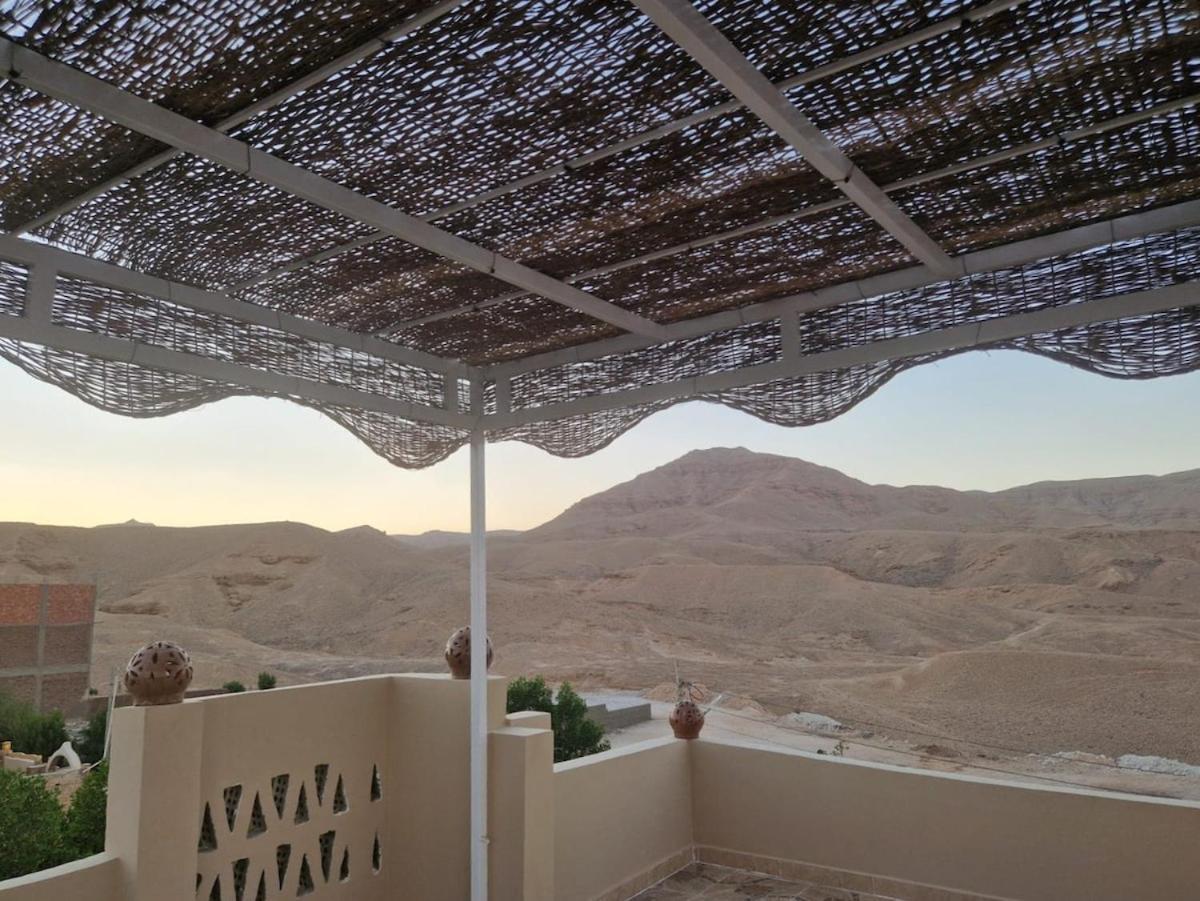
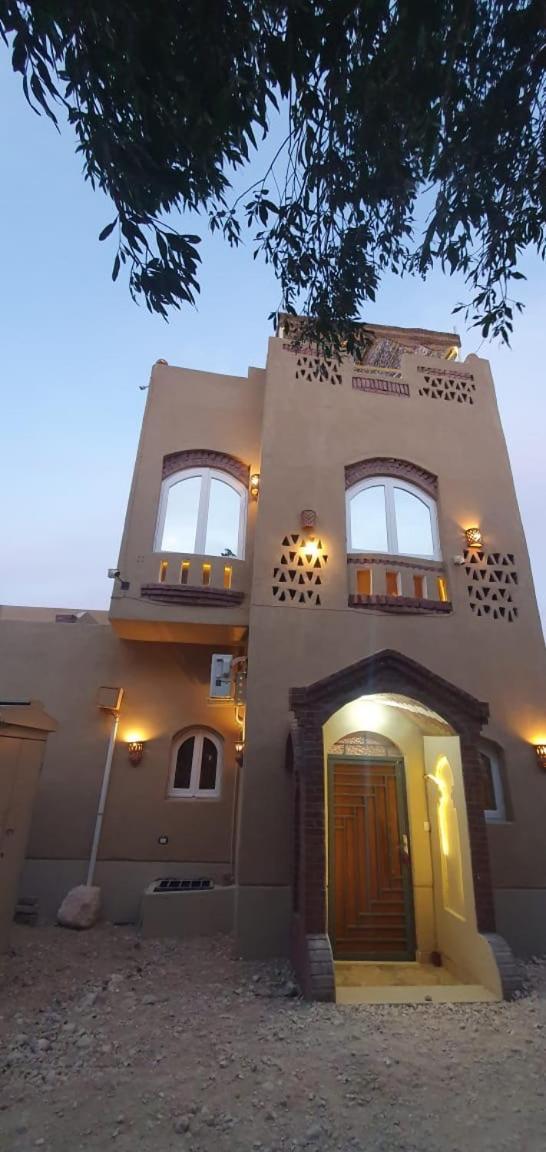
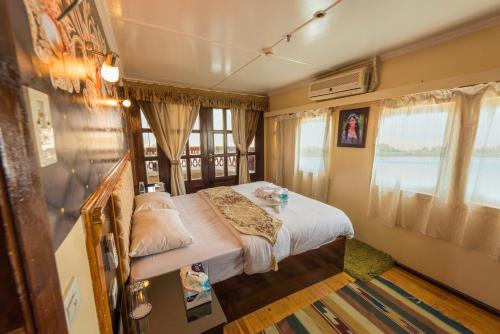
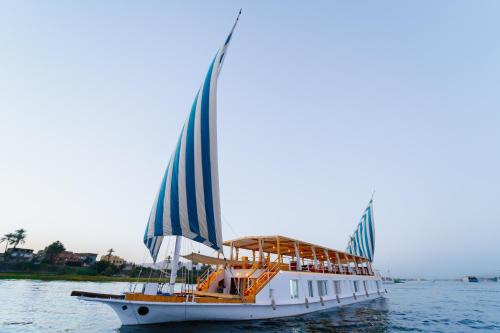
Where to stay in Luxor: East Bank, West Bank and the Corniche
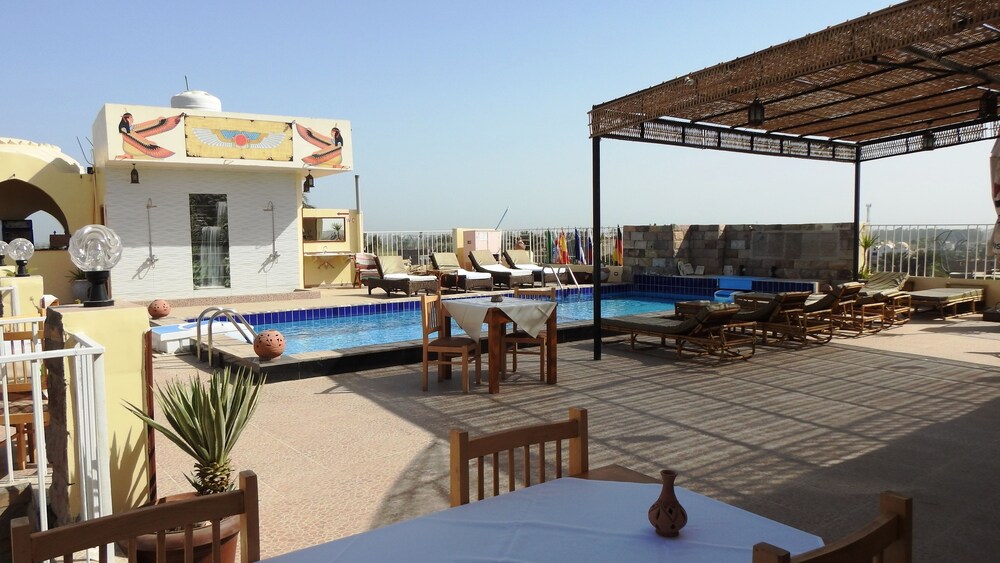
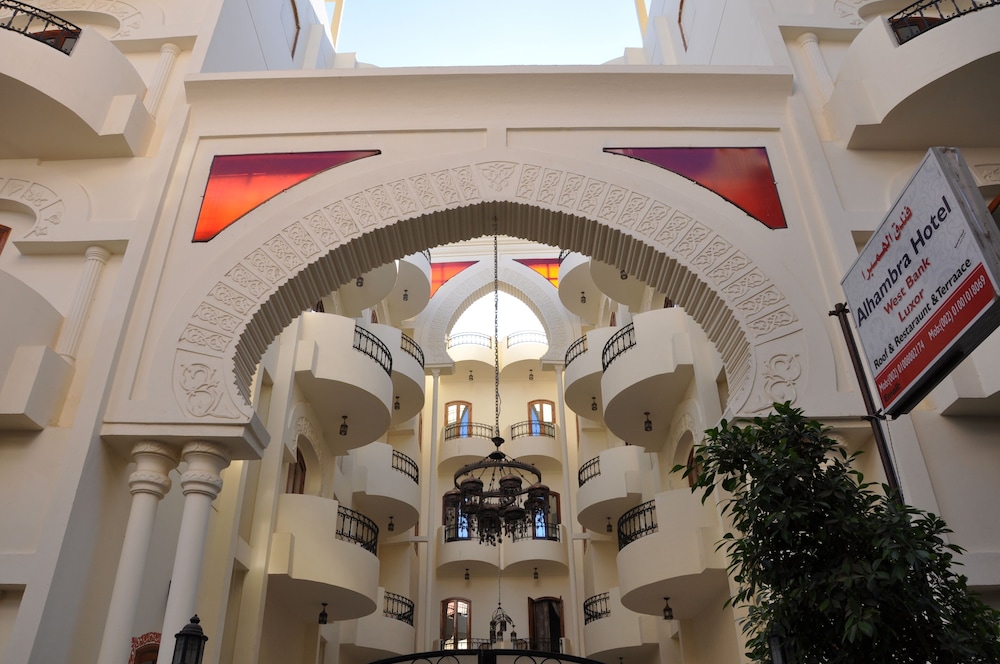
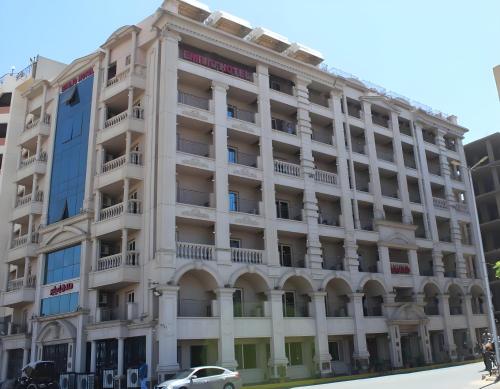
Stay on the East Bank if it is your first visit. The Corniche al-Nil strip between Luxor Temple and the Winter Palace puts you within a 15-minute walk of the temple, the souq and the train station, and a short taxi from Karnak, 3 km north. This is where most 4- and 5-star Nile-view hotels sit, and where nightly rates run highest. Luxor City Center, one block back from the Corniche, is cheaper by 20-40% for essentially the same location, and Al-Awameyah to the north-east is where you find the budget guesthouses used by backpackers heading on to Aswan.
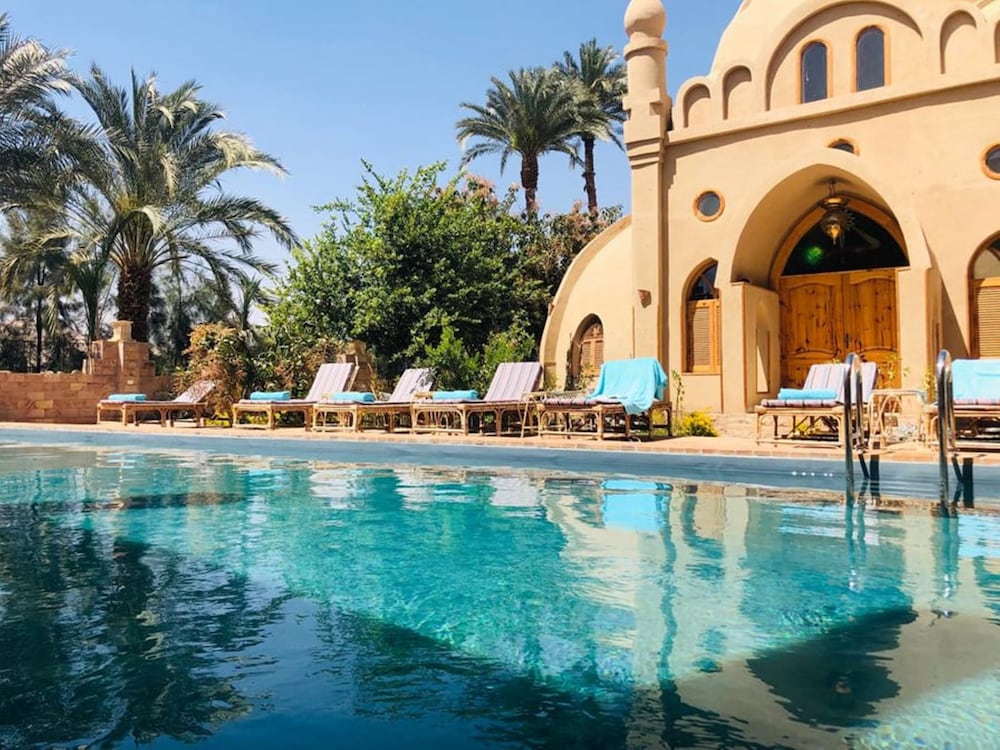
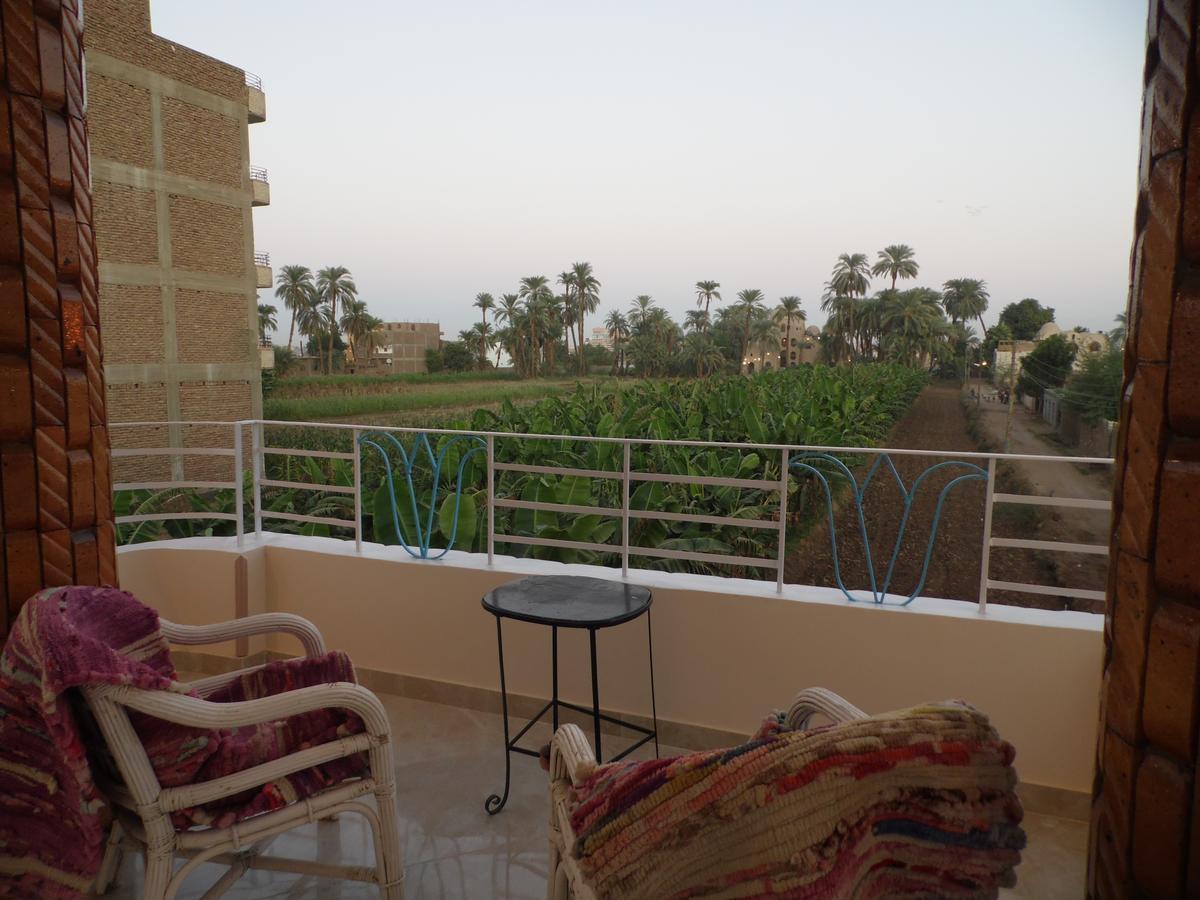
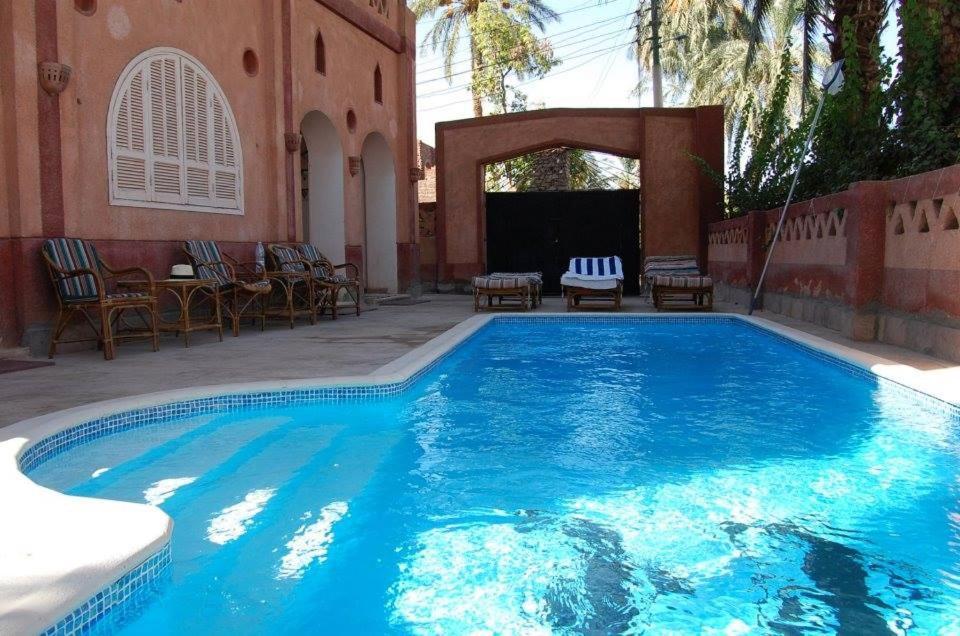
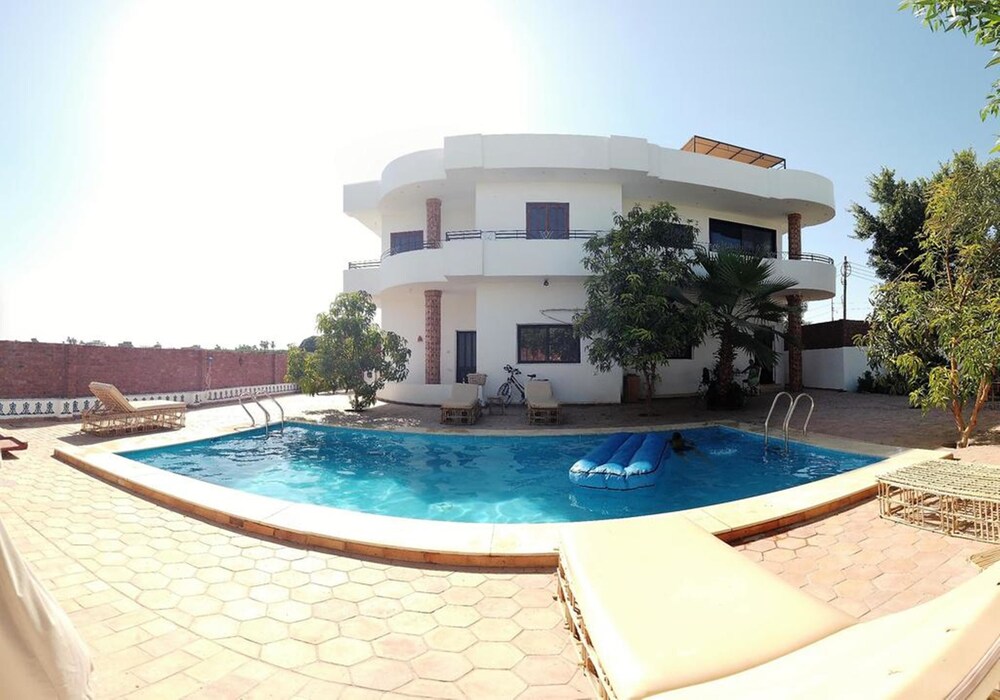
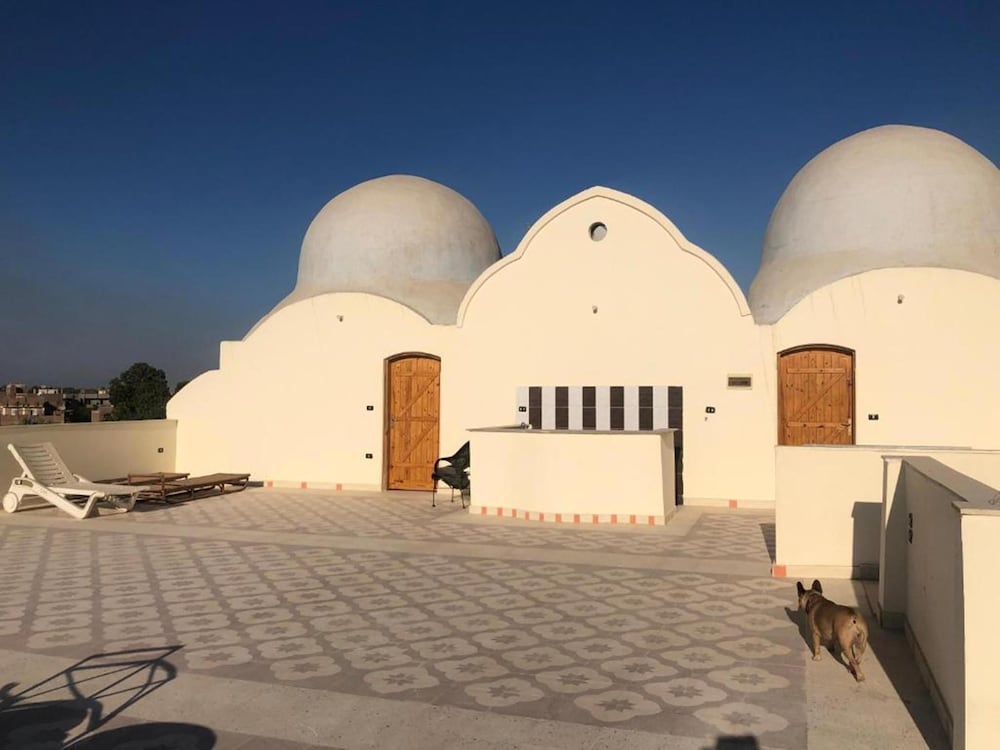
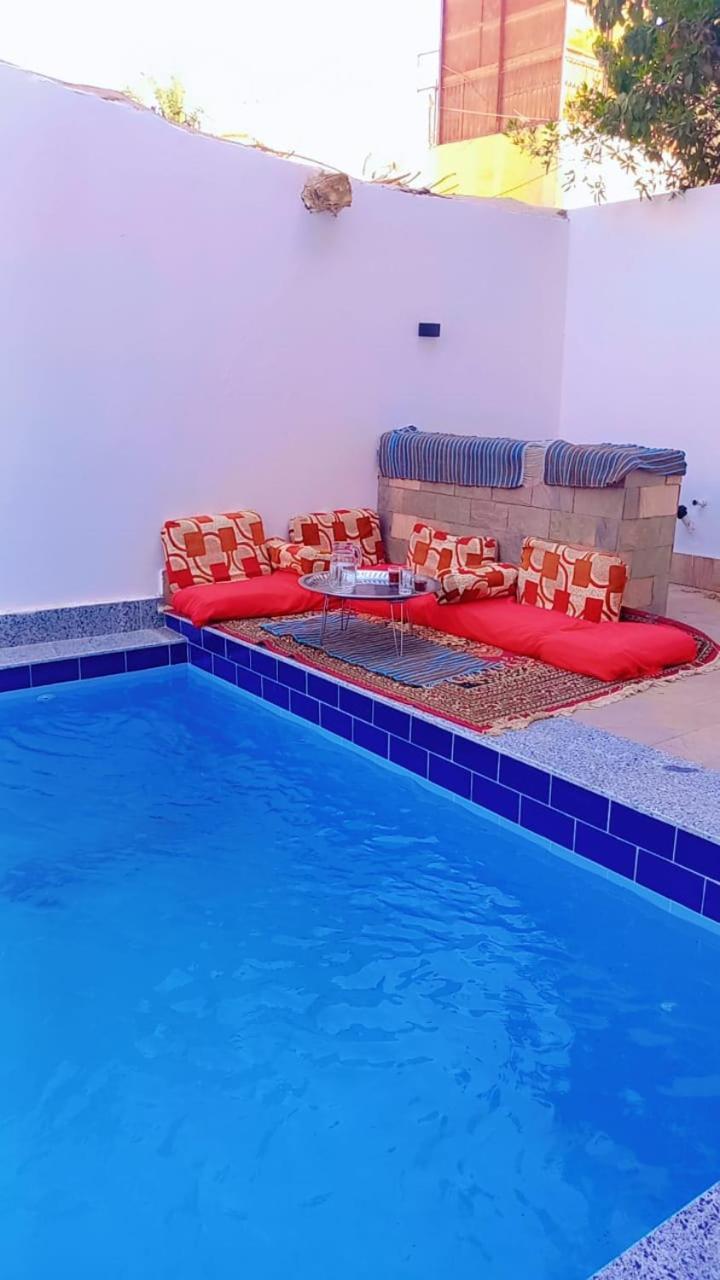
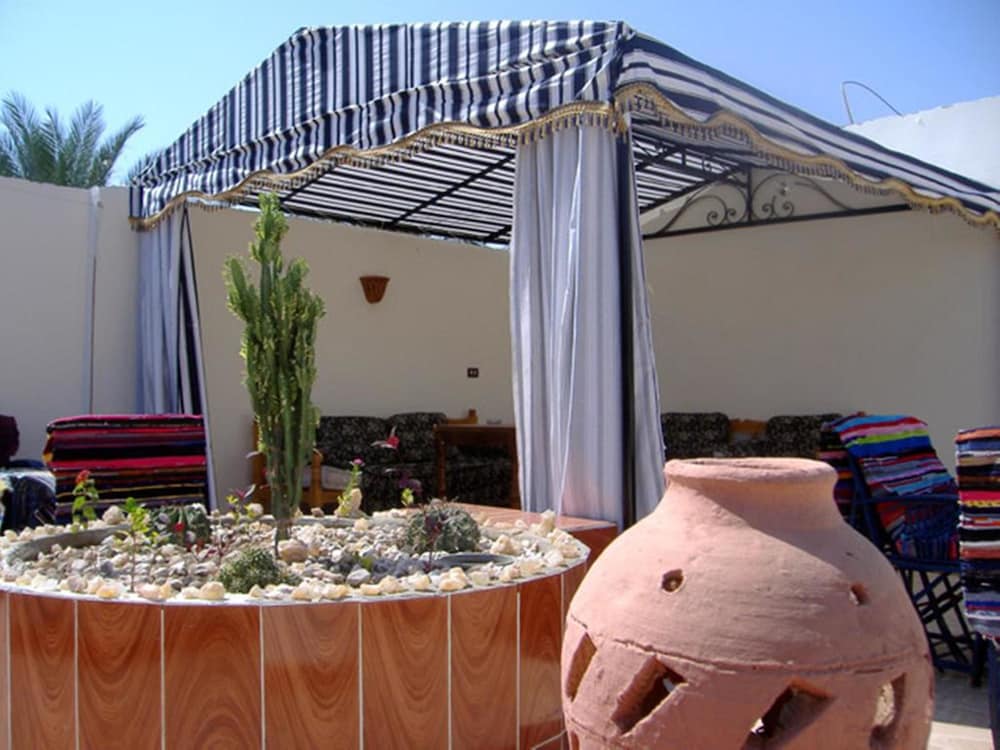
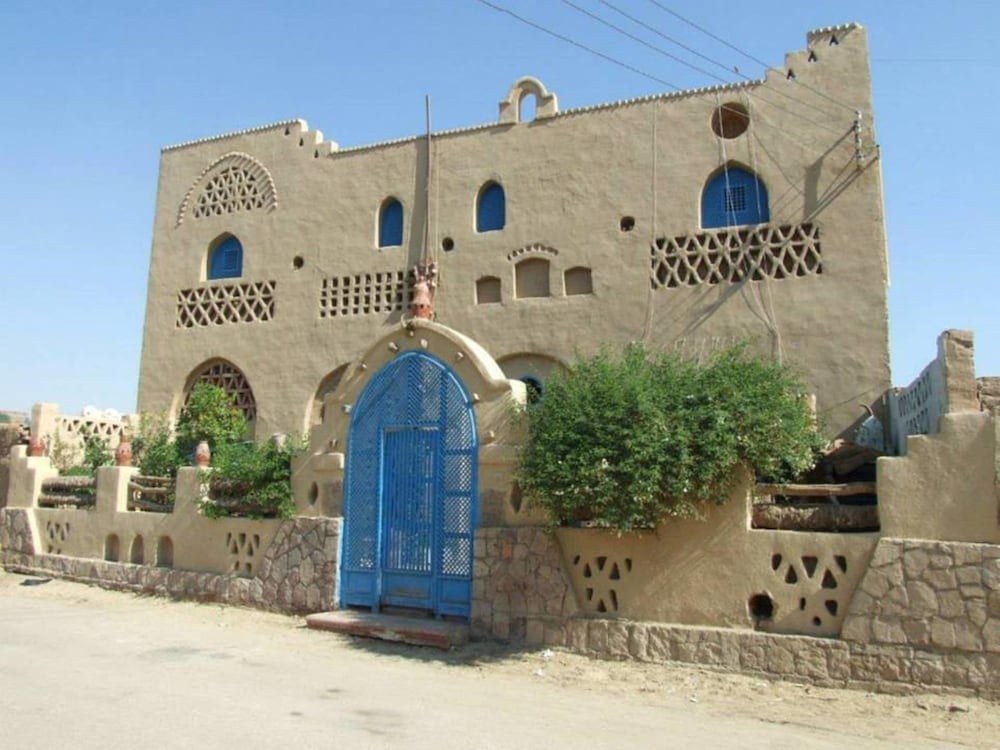
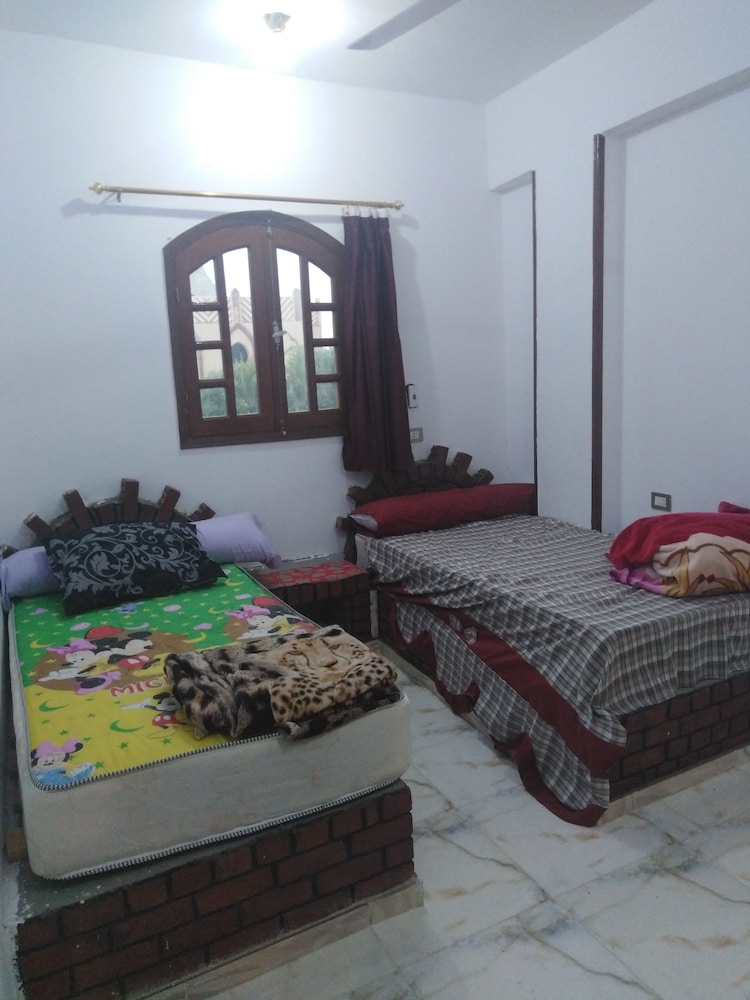
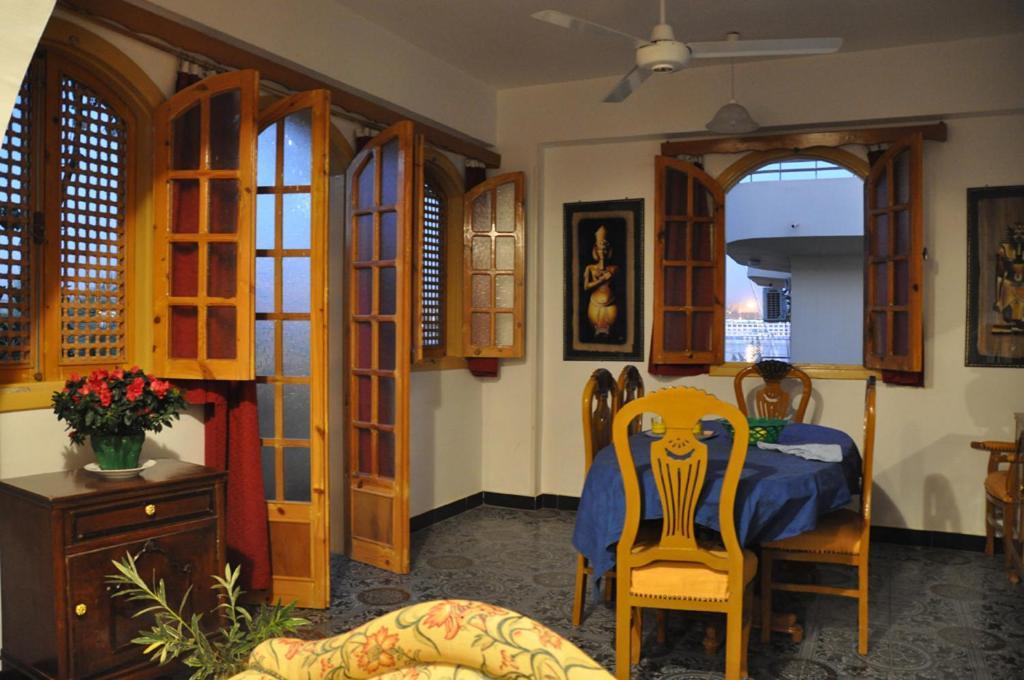
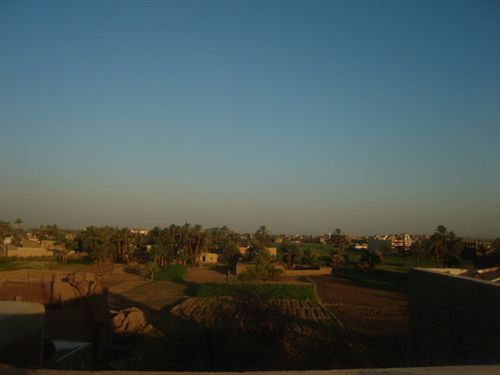
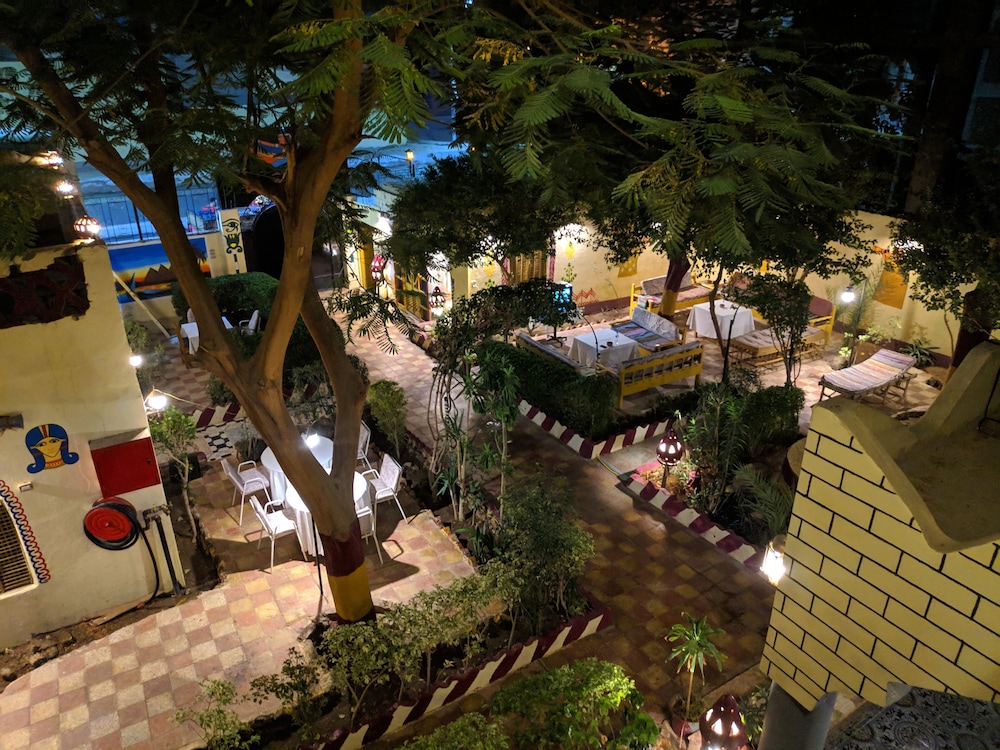
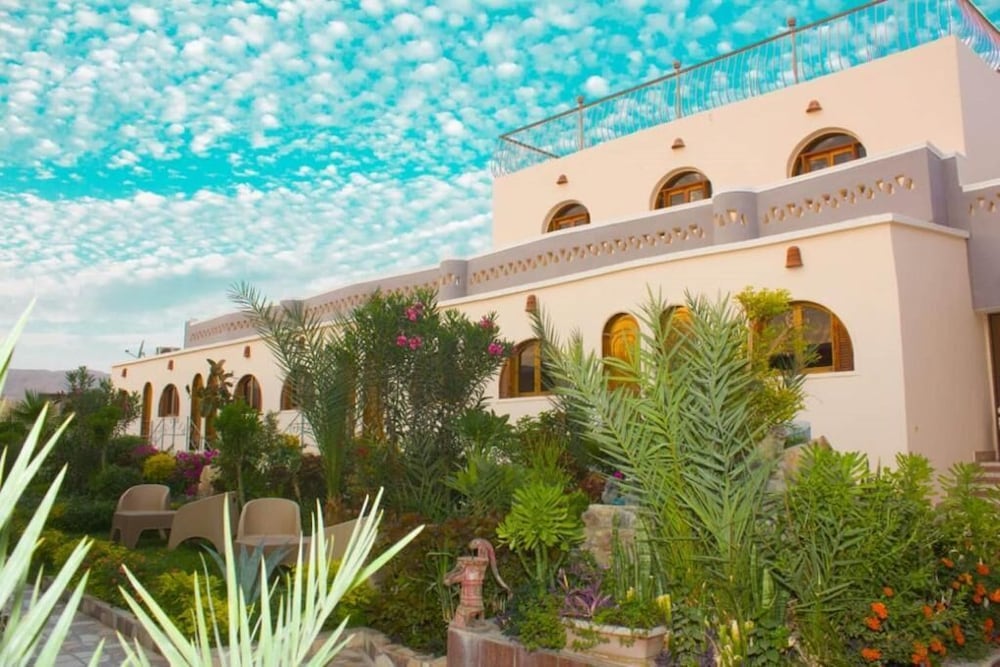
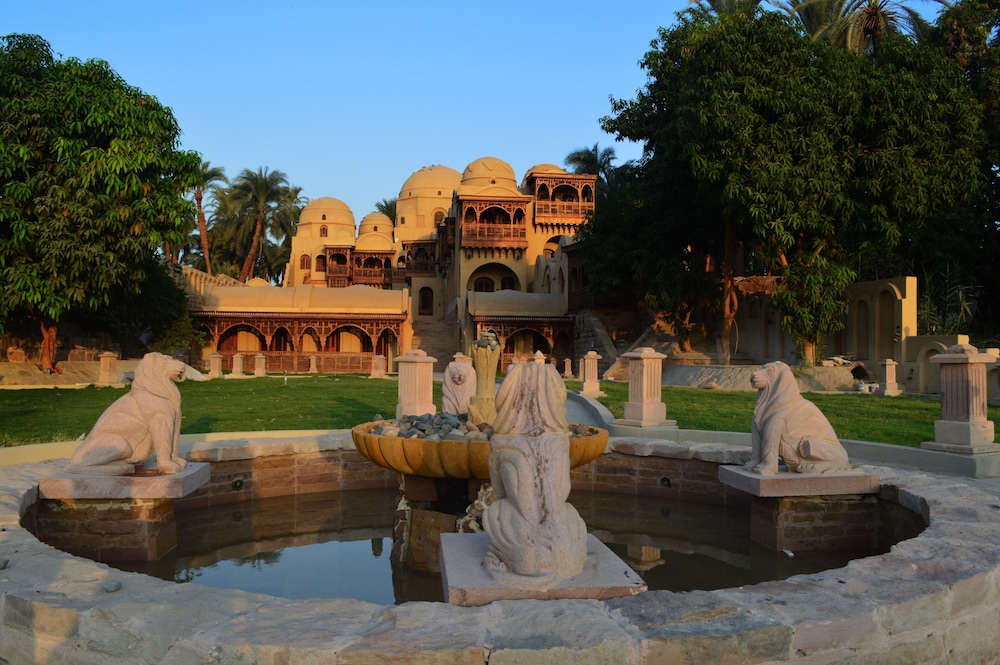
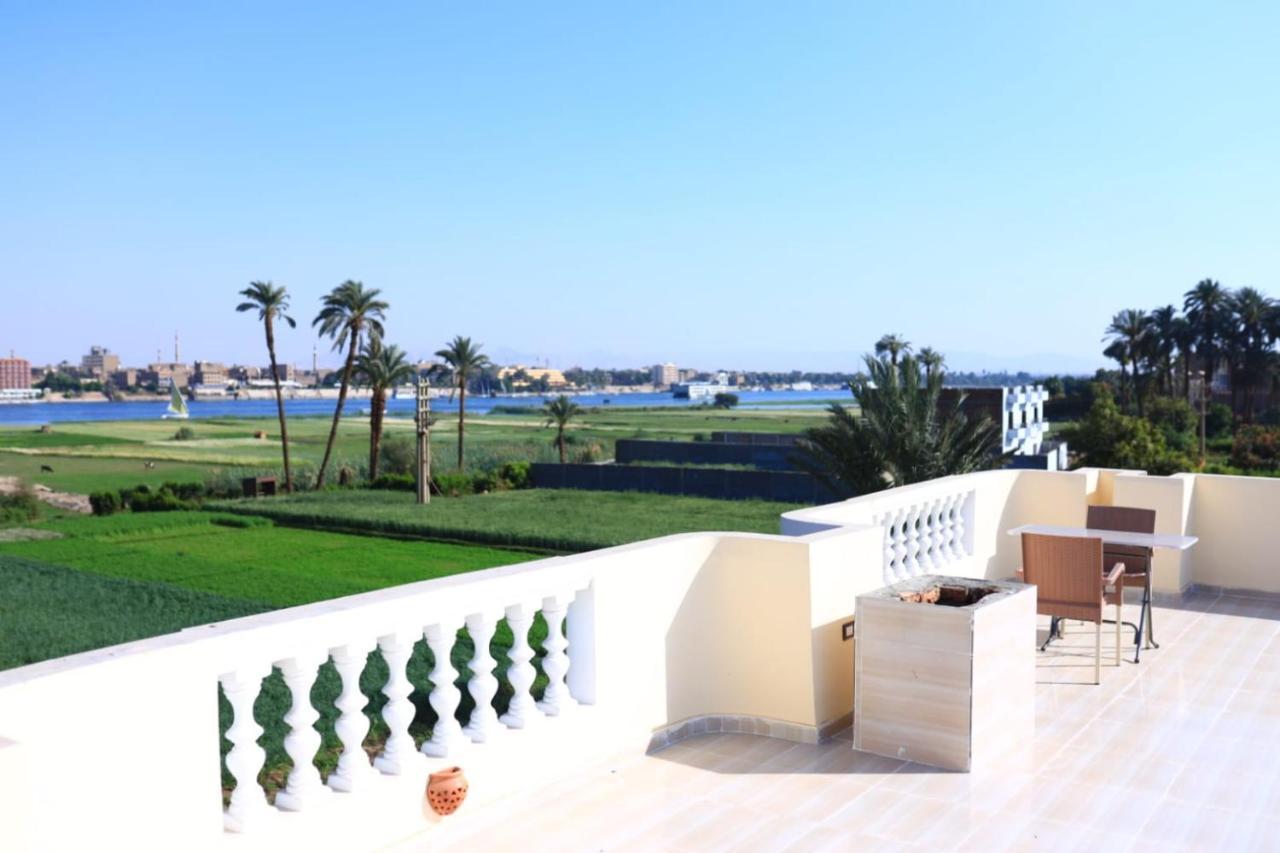
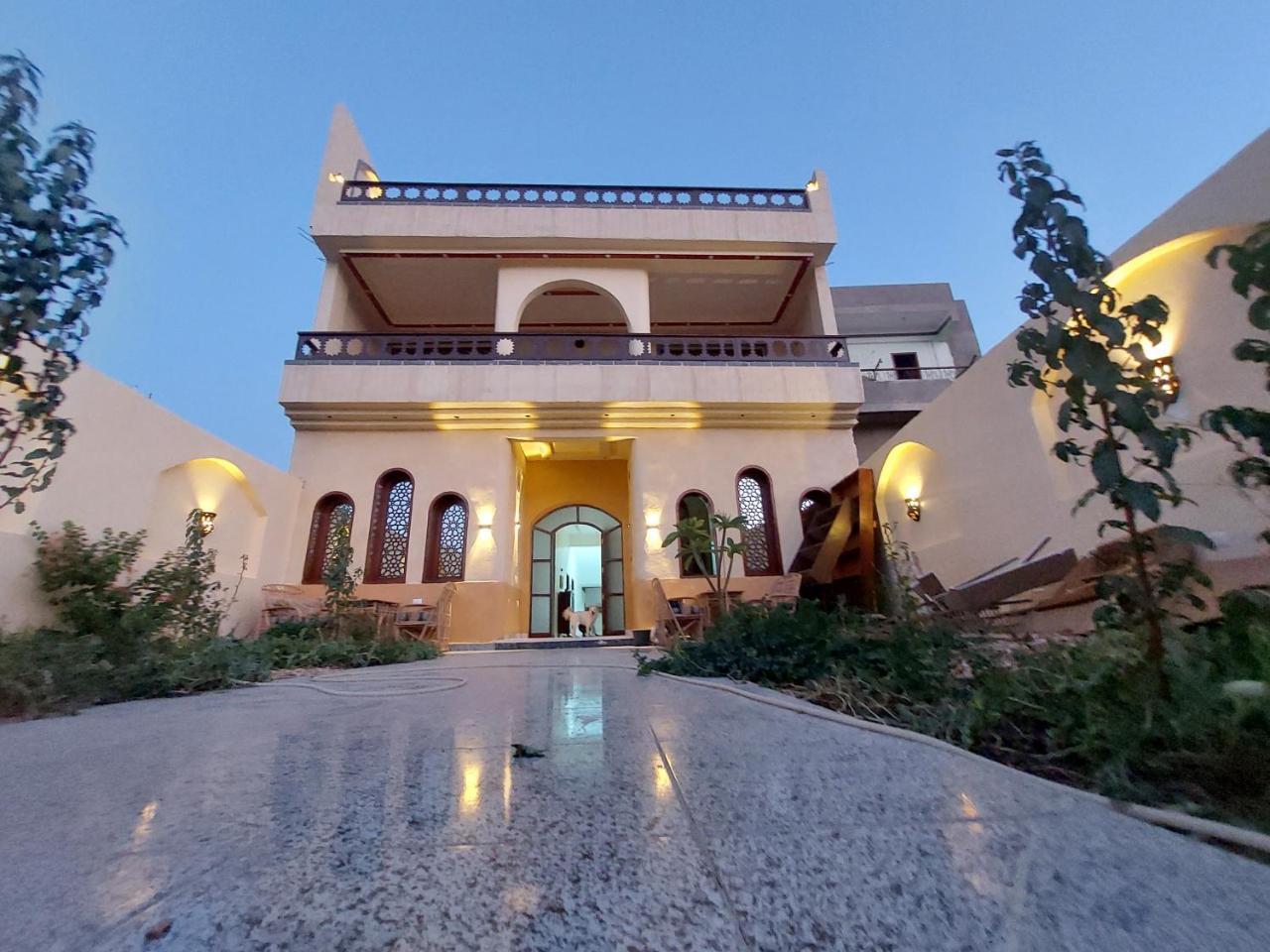
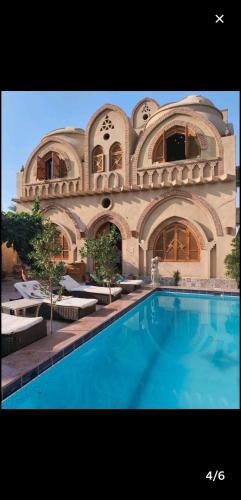
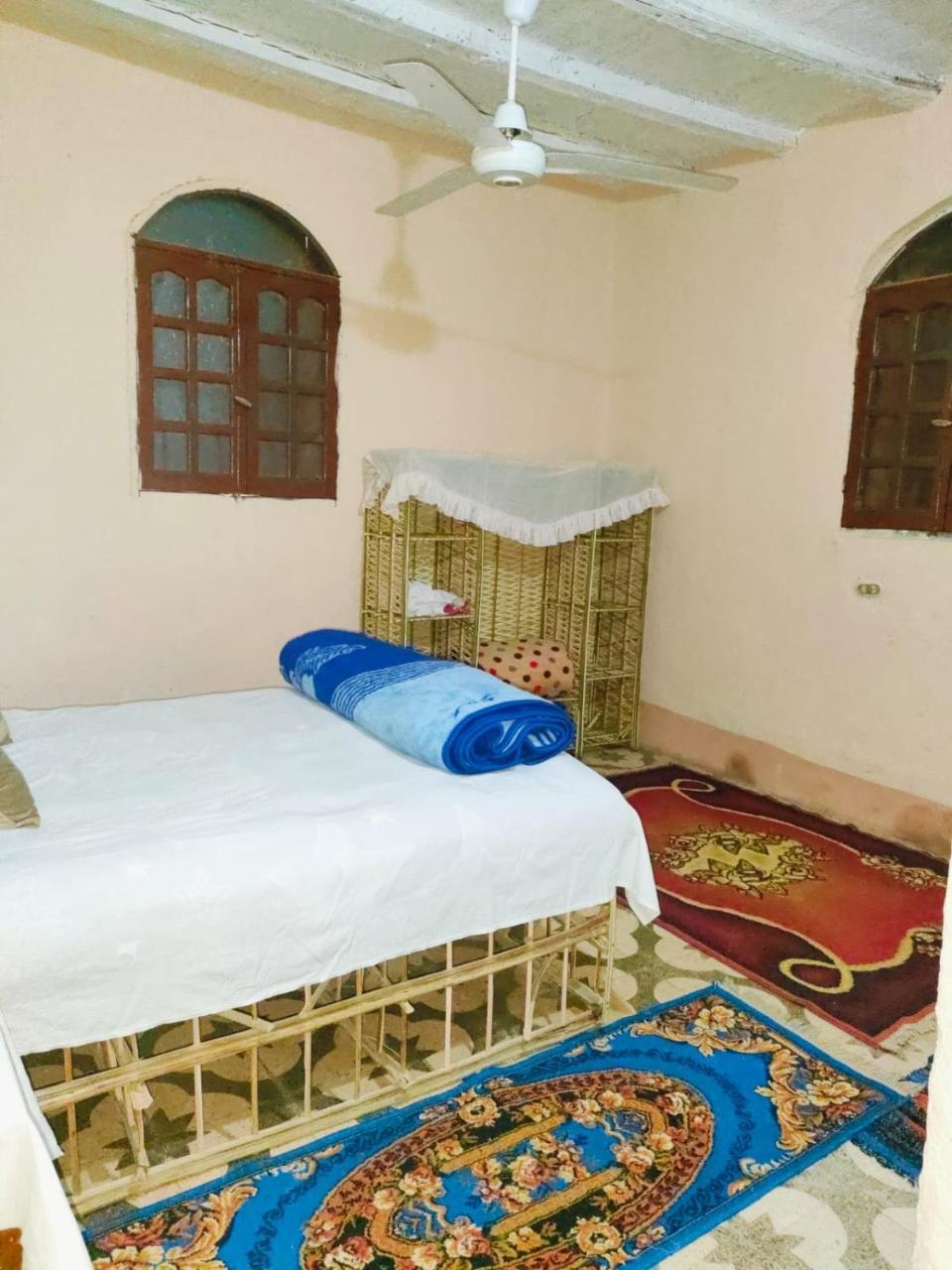
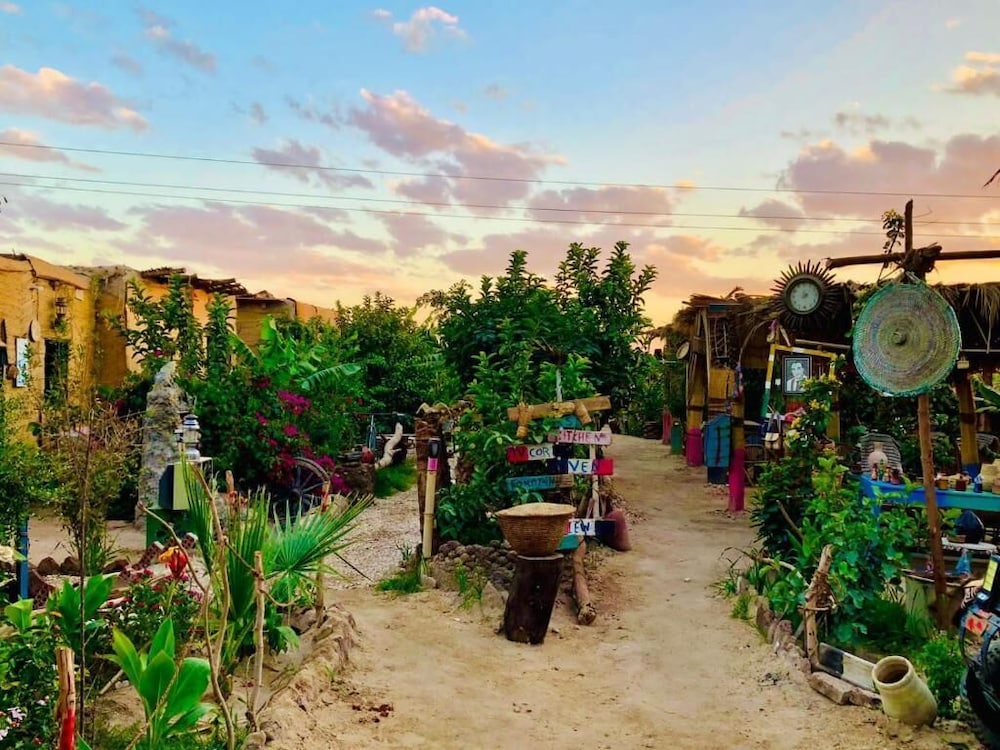
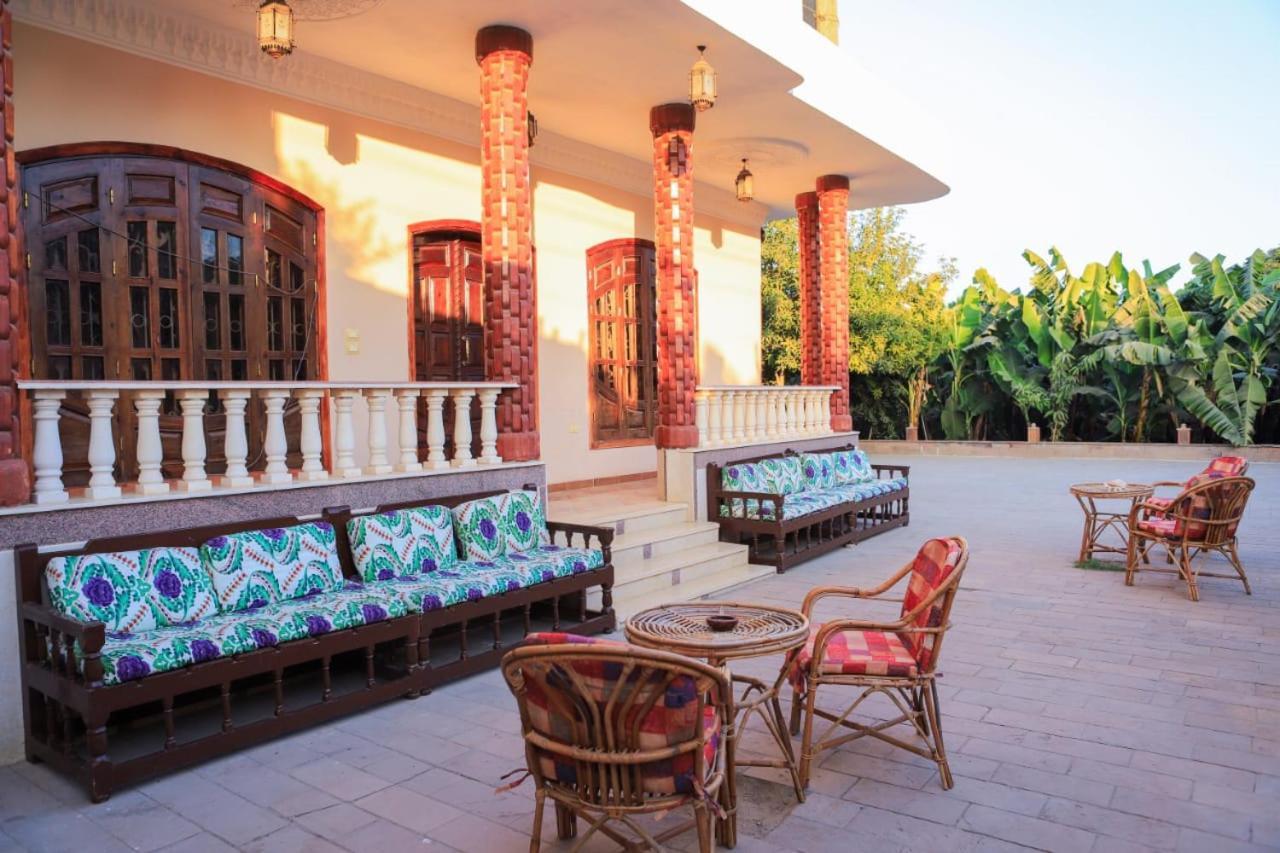
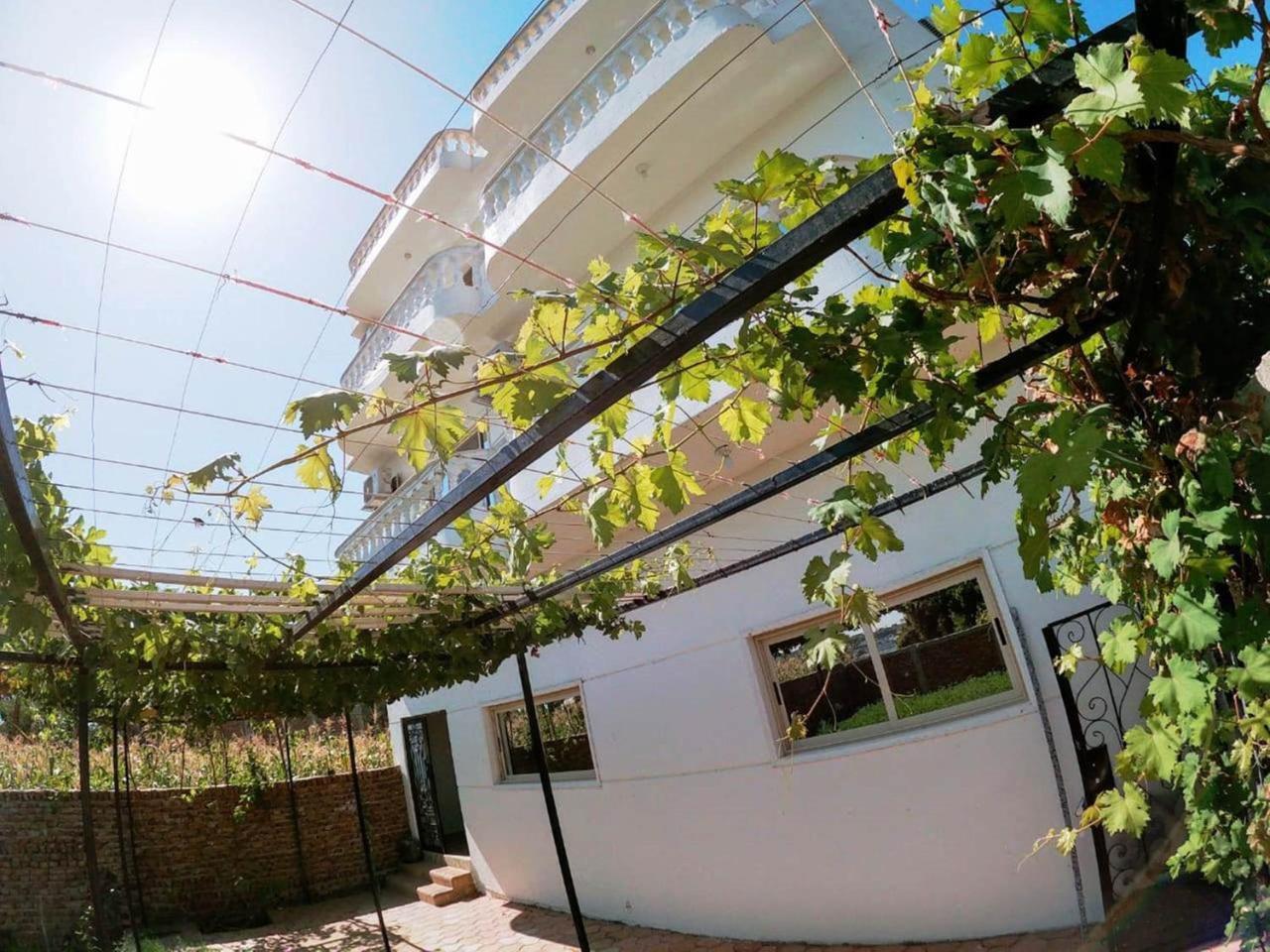
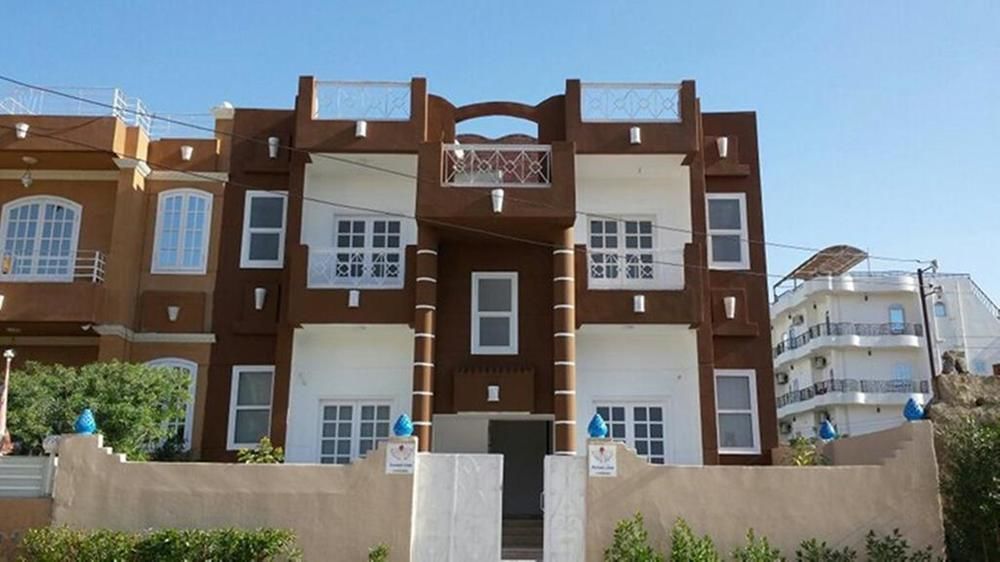
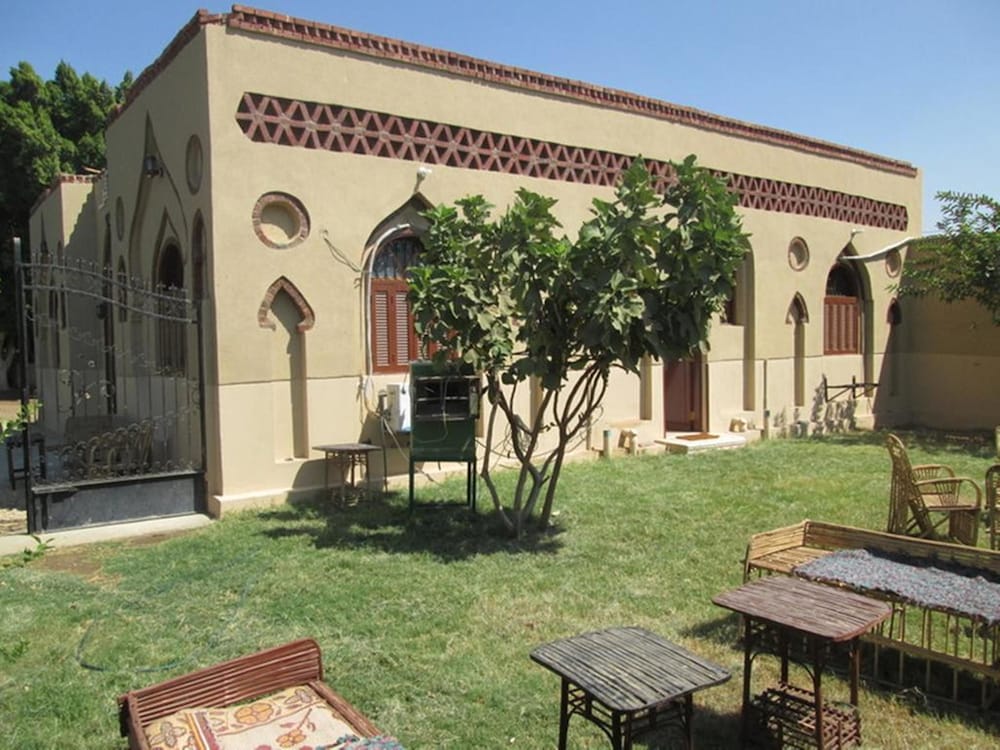
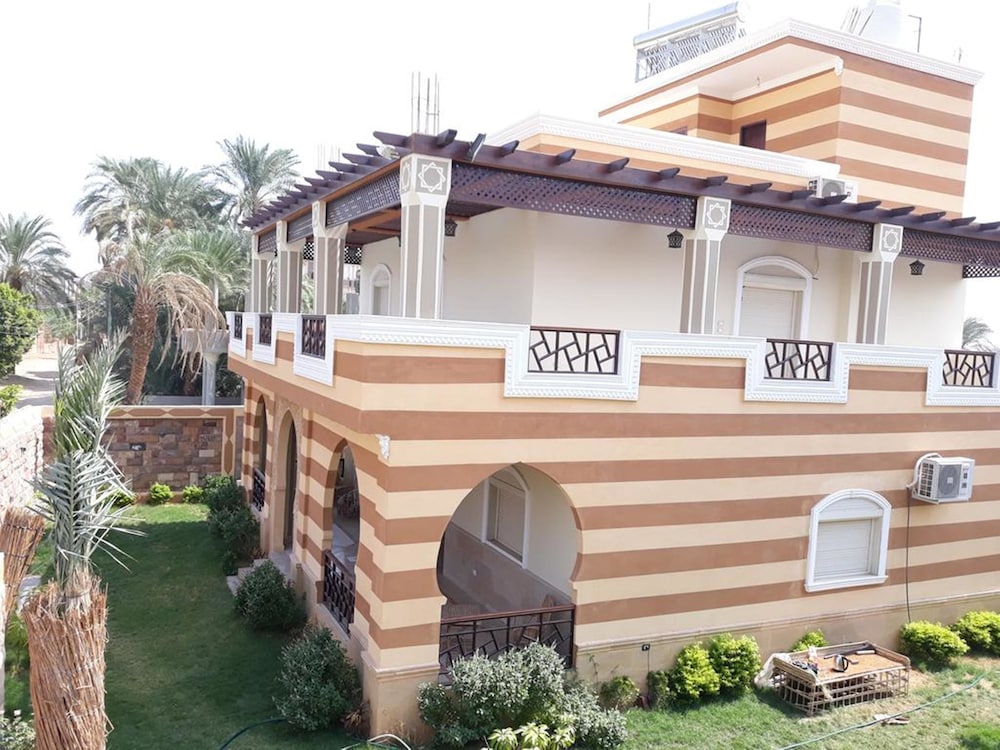
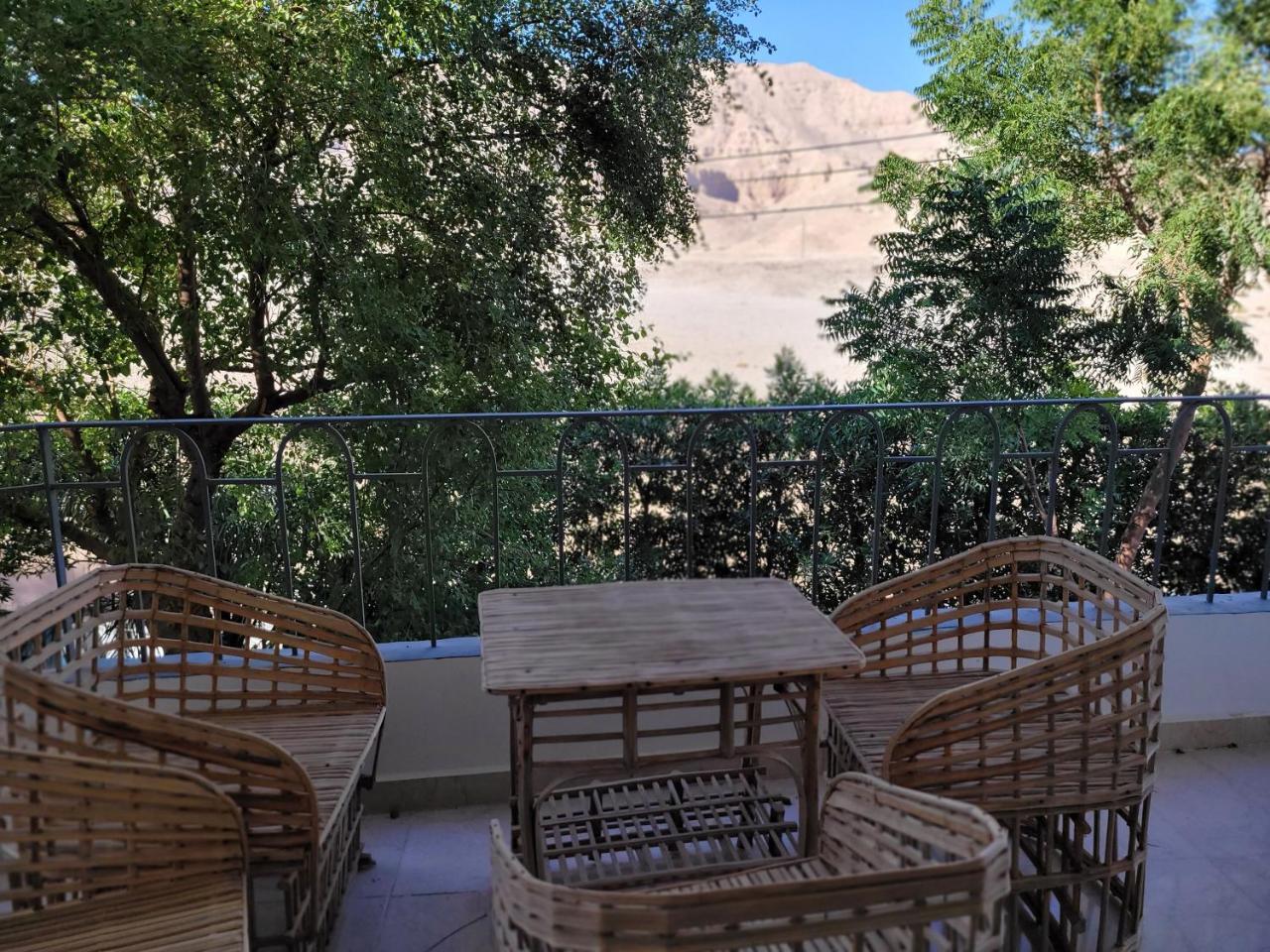
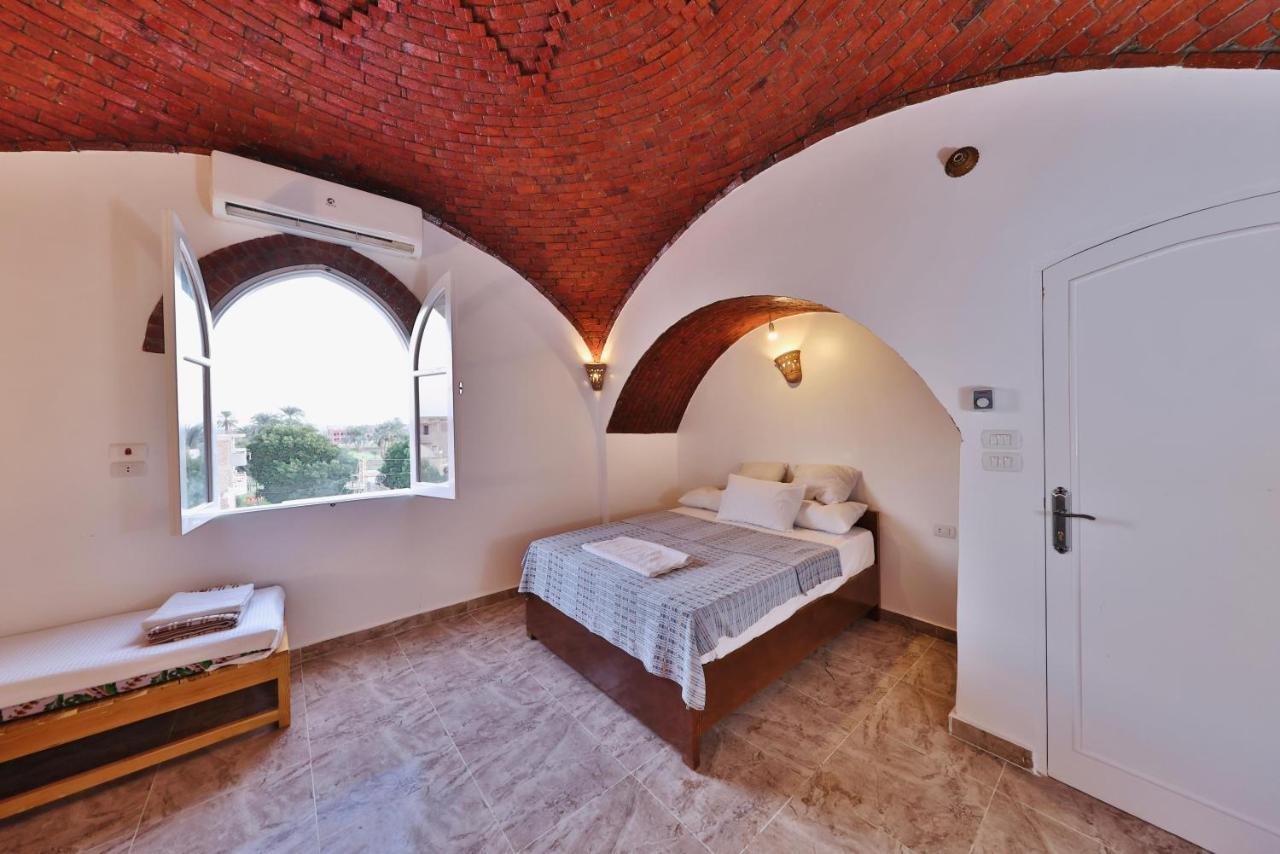
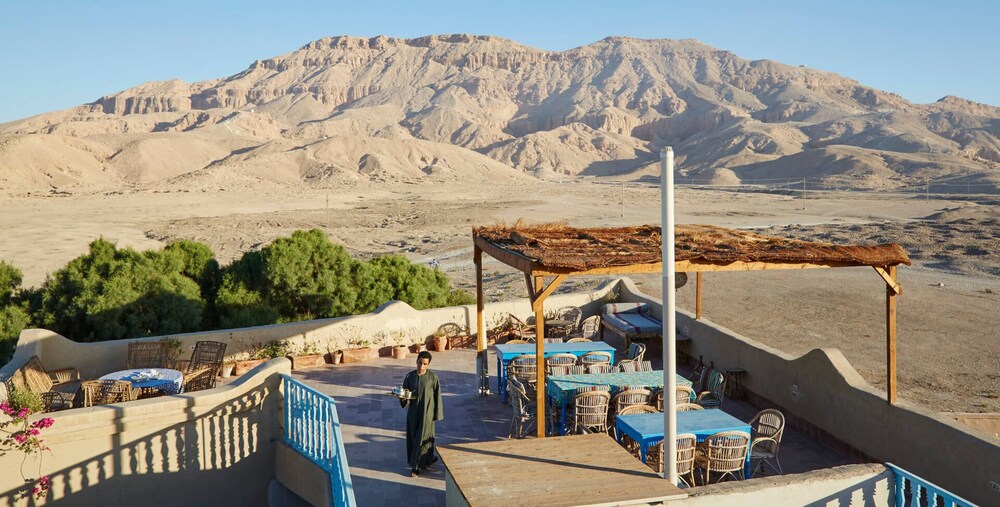
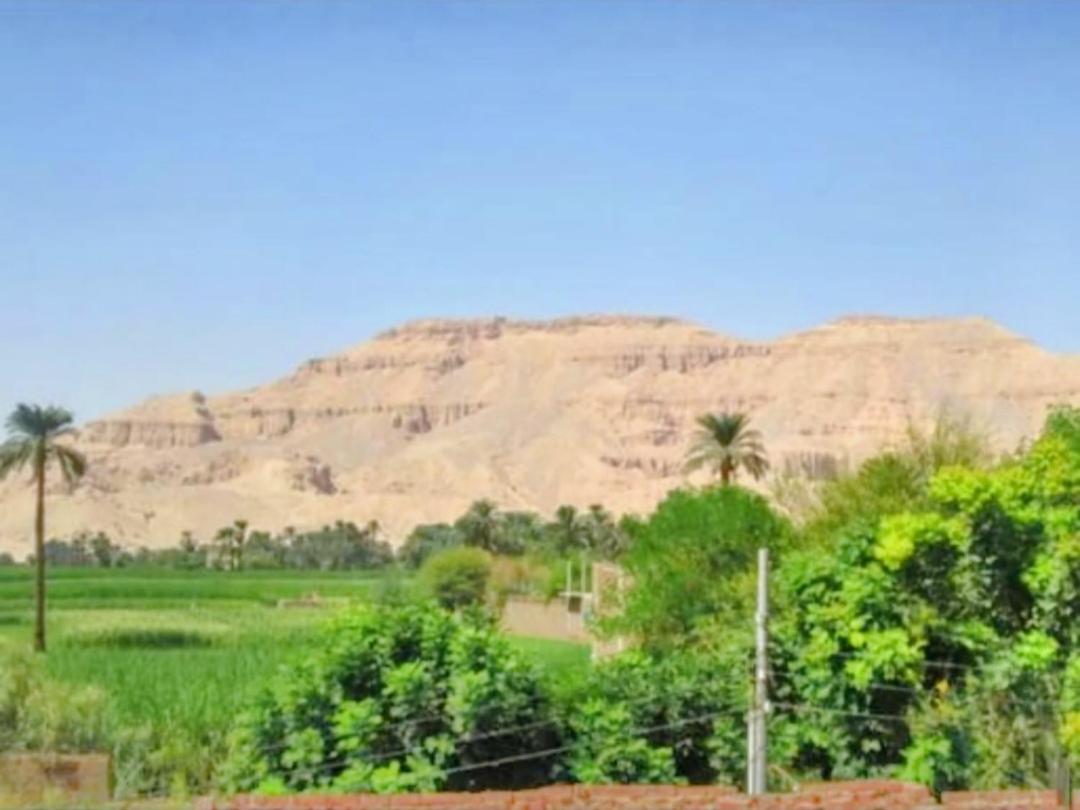
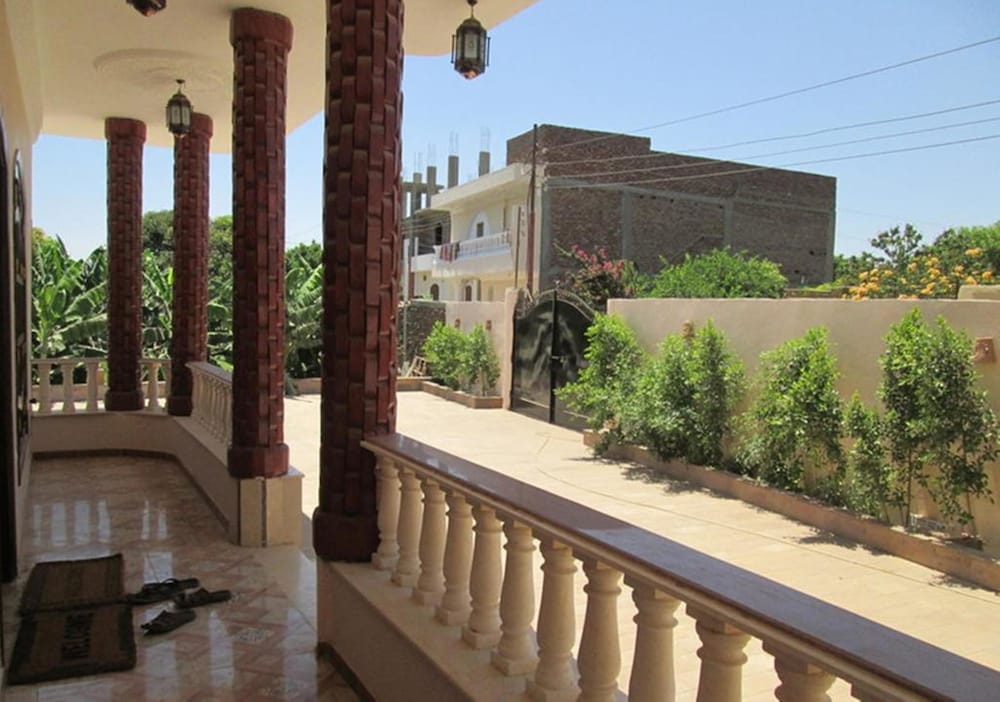
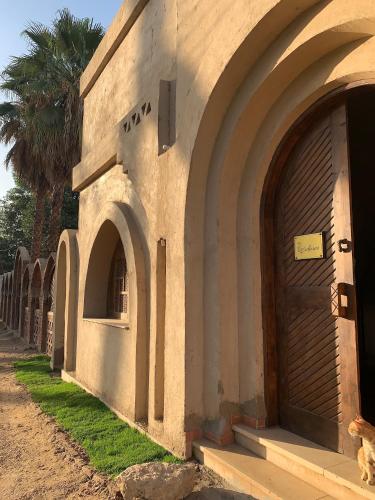
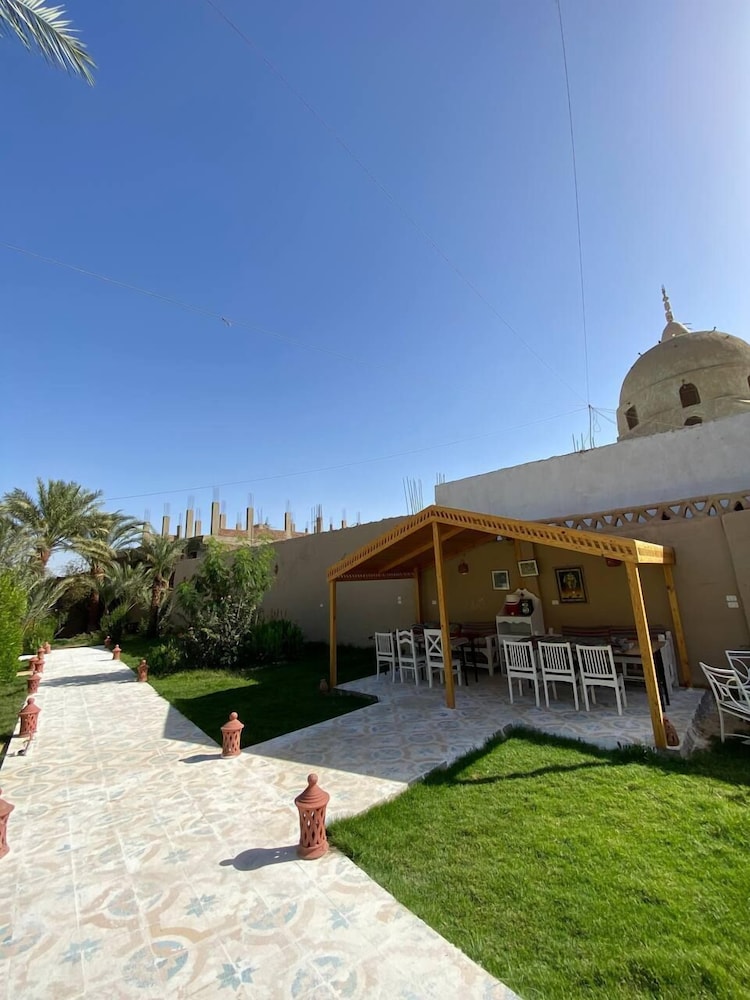
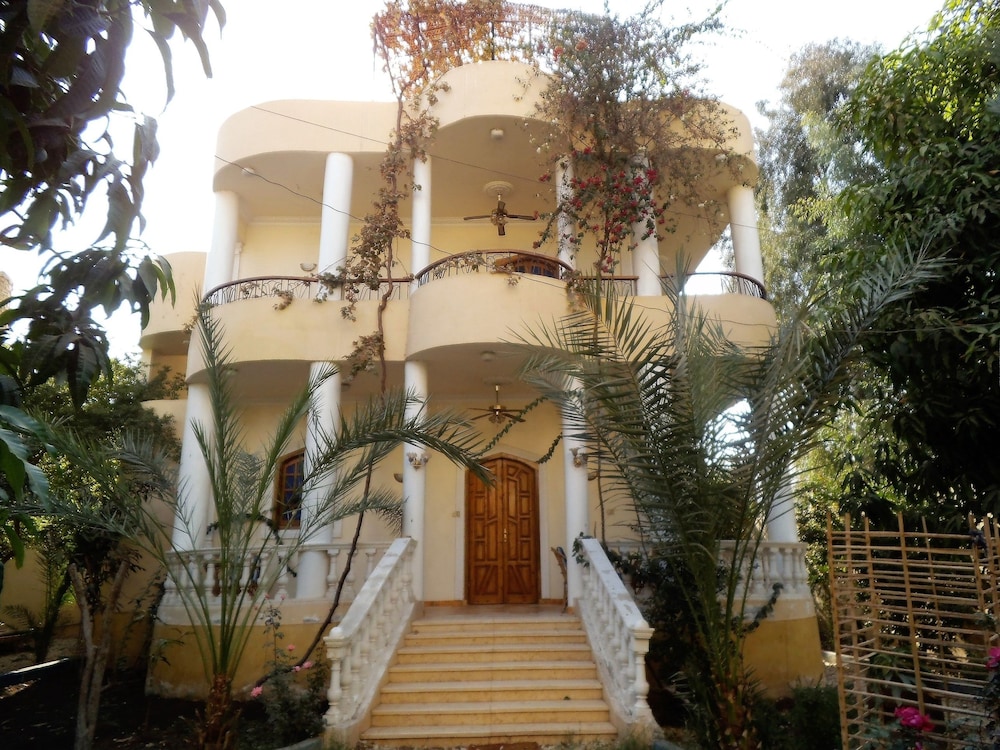
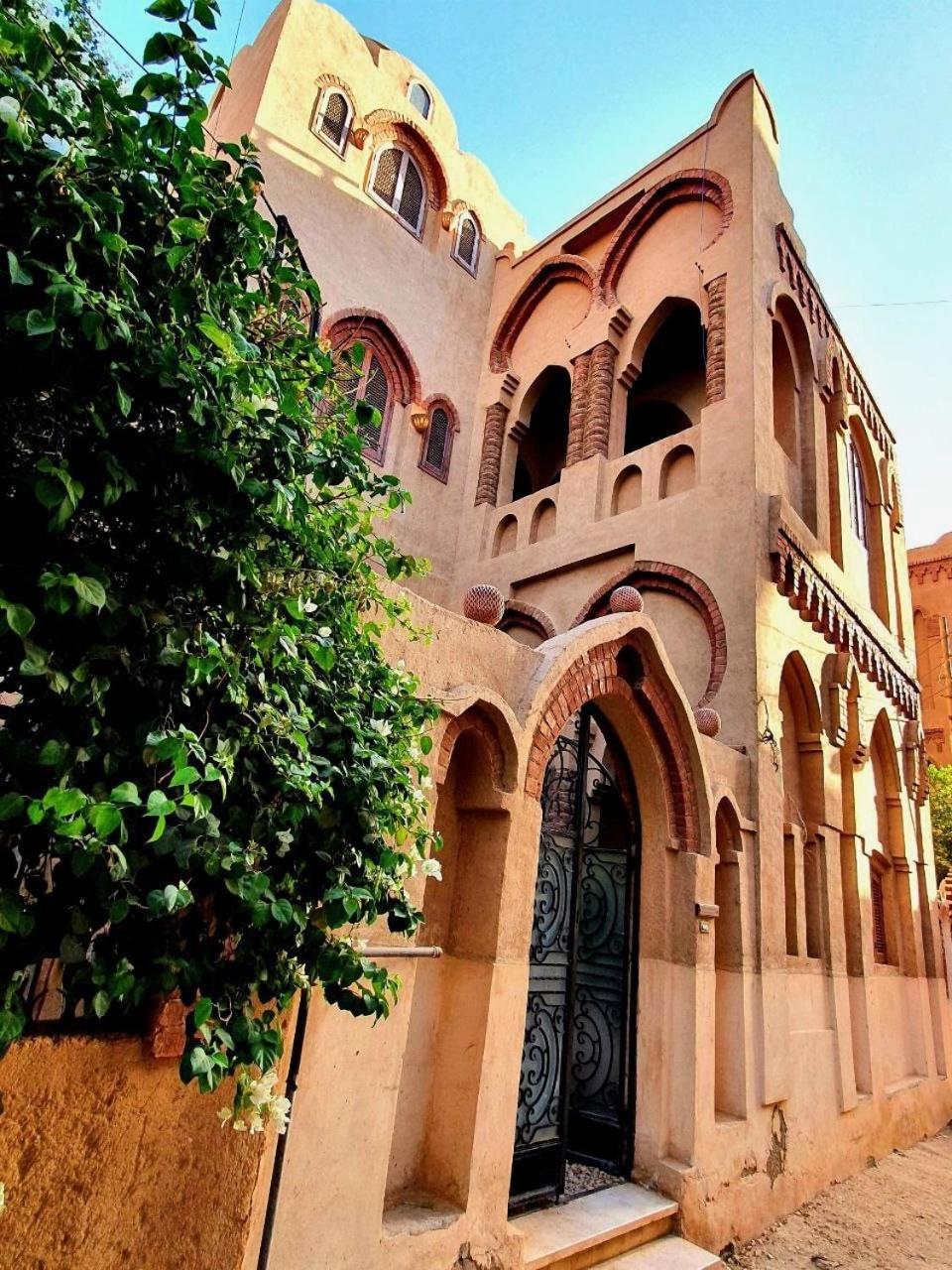
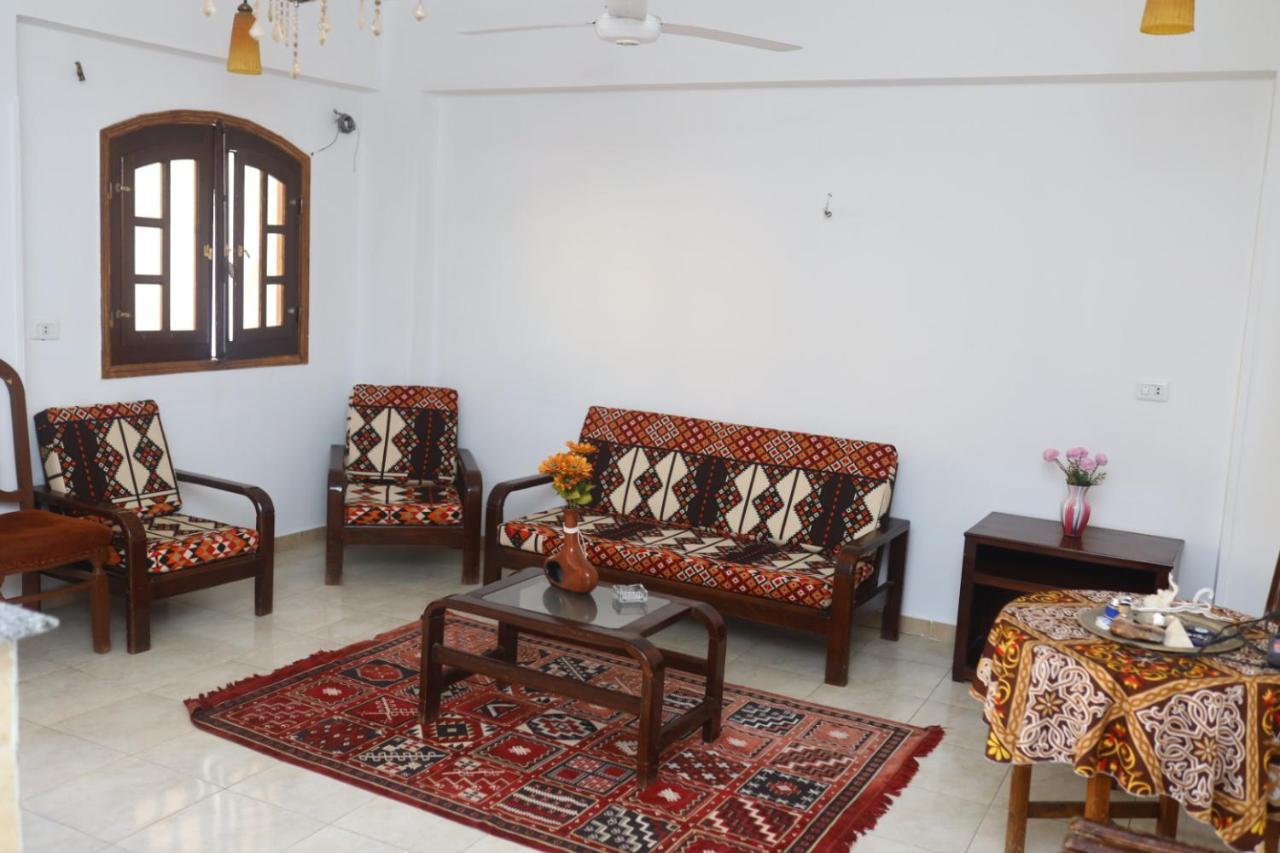
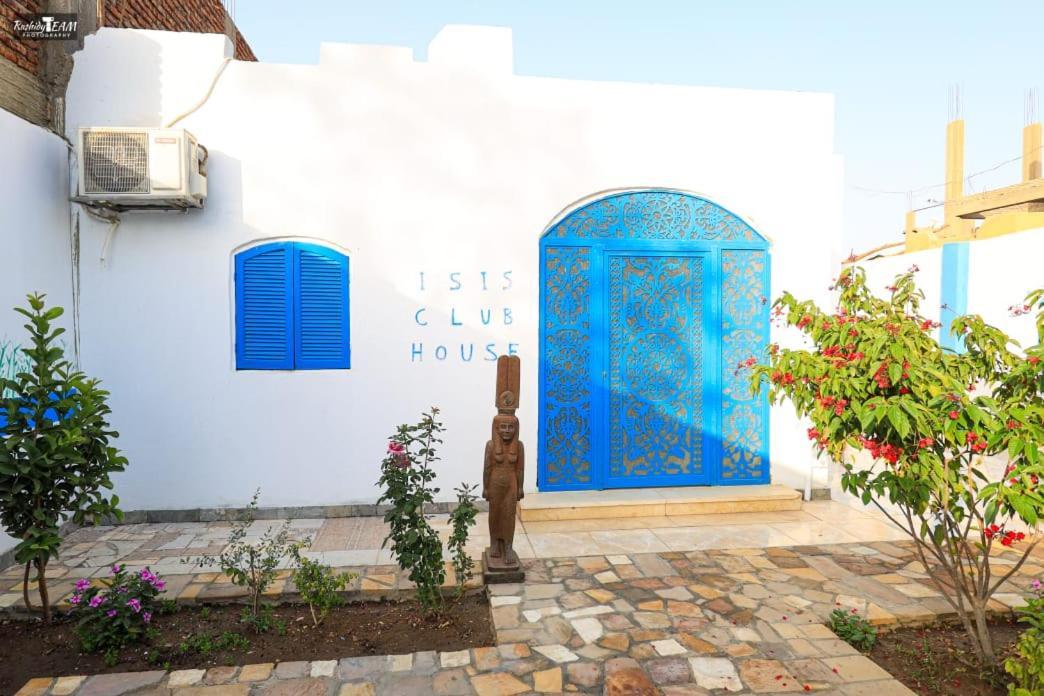
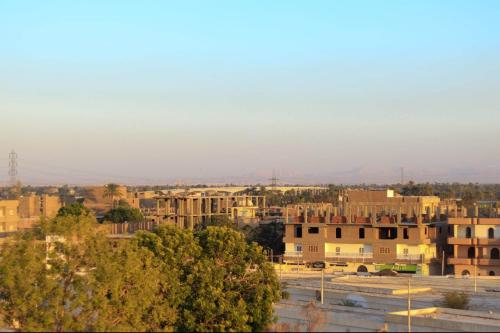
The West Bank is the quiet side, reached by the bridge 7 km south of town or the local ferry from the Corniche. Al-Qurna, New Qurna and the lanes around Medinat Habu are dotted with small family-run guesthouses on farmland, often 30-50% cheaper than an equivalent East Bank room, and within a 10-minute drive of the Valley of the Kings. Choose the West Bank if you want to be near the tombs at dawn and do not mind crossing the river for dinner; choose the East Bank if you want restaurants, ATMs and the train on your doorstep.
Best time to visit Luxor month by month
October to April is the season. Daytime highs sit around 25-30°C, the tombs are bearable, and hotel rates on the Corniche peak between 20 December and 5 January and again over Easter, when a Nile-view double can double from its November price. February and March are the sweet spot: reliable weather, full site opening hours, and the Luxor African Film Festival usually falling in March. November is nearly as good and noticeably cheaper.
May to September is low season and hot: 42-46°C in July and August is normal, and afternoon visits to Karnak or Hatshepsut are genuinely punishing. Hotels drop rates by 30-50%, and you can negotiate further on arrival. Ramadan (moving earlier each year) changes restaurant hours across Luxor City Center and the West Bank villages; iftar in the souq is worth timing for, but expect quieter days. The Opet-linked festivities and moulids around Abu al-Haggag Mosque, built inside Luxor Temple, are the other dates locals plan around.
Getting around Luxor and the Nile Valley
You do not need a car in Luxor itself. The East Bank sights — Luxor Temple, Karnak, the Luxor Museum and the Mummification Museum on the Corniche — are walkable or a 20 EGP taxi apart. Karnak is 3 km north of Luxor Temple; a caleche costs 50-100 EGP after bargaining. For the West Bank, hire a taxi for the day (roughly 600-1,000 EGP for the Valley of the Kings, Hatshepsut, Medinat Habu and the Colossi of Memnon) or cross on the public ferry for 5 EGP and pick up a taxi on the far side.
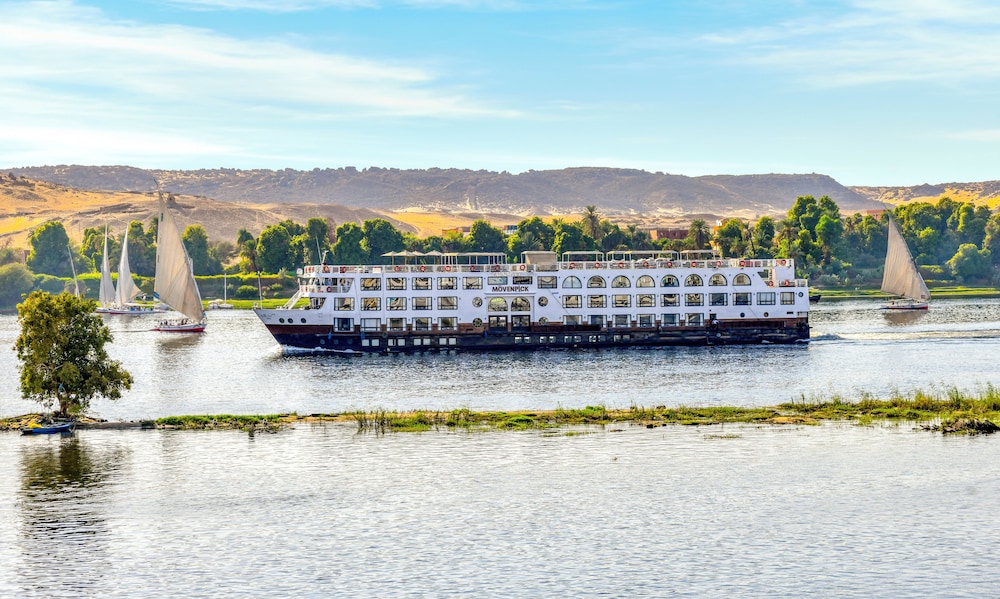
For day trips further out you have three options. Trains run from Luxor station to Esna, Edfu, Qena and Dendera, but timings are inconvenient; most travellers hire a driver instead. Dendera is 60 km north (about an hour), Abydos 160 km north (2.5-3 hours, best done as a long day with Dendera), Edfu 115 km south, and Esna 55 km south with its lock where cruise ships queue. Armant, Al-Tod, Naqada, El-Ballas and Al-Bayadiya are all within 30 km of Luxor and only reachable practically by taxi or private car.
How many nights in Luxor and a first-timer itinerary
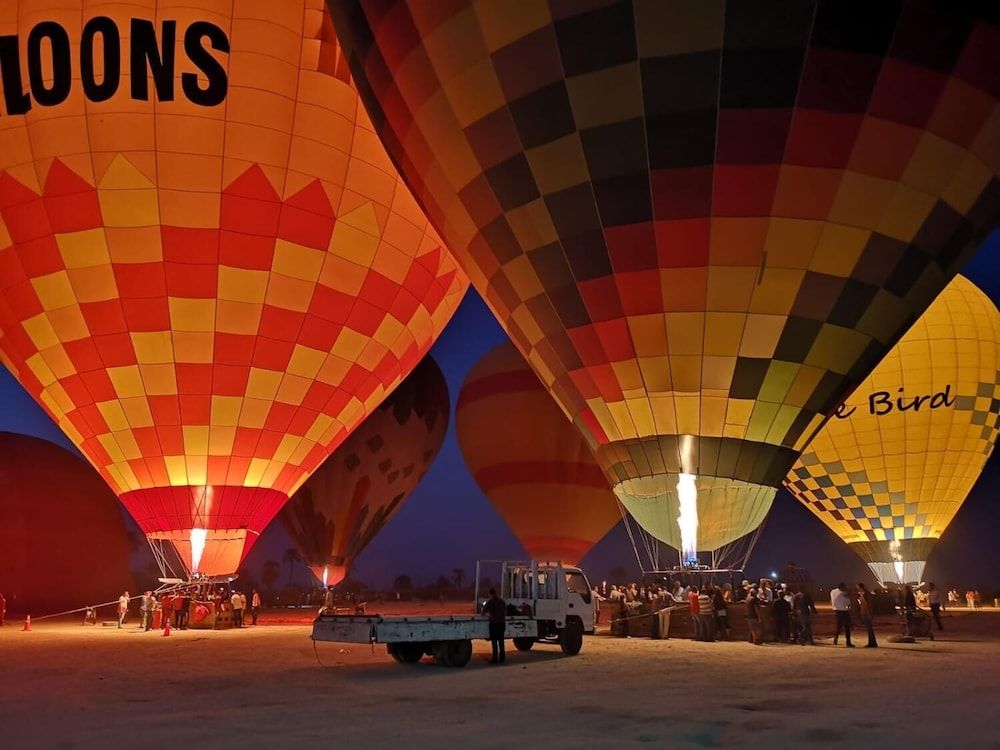
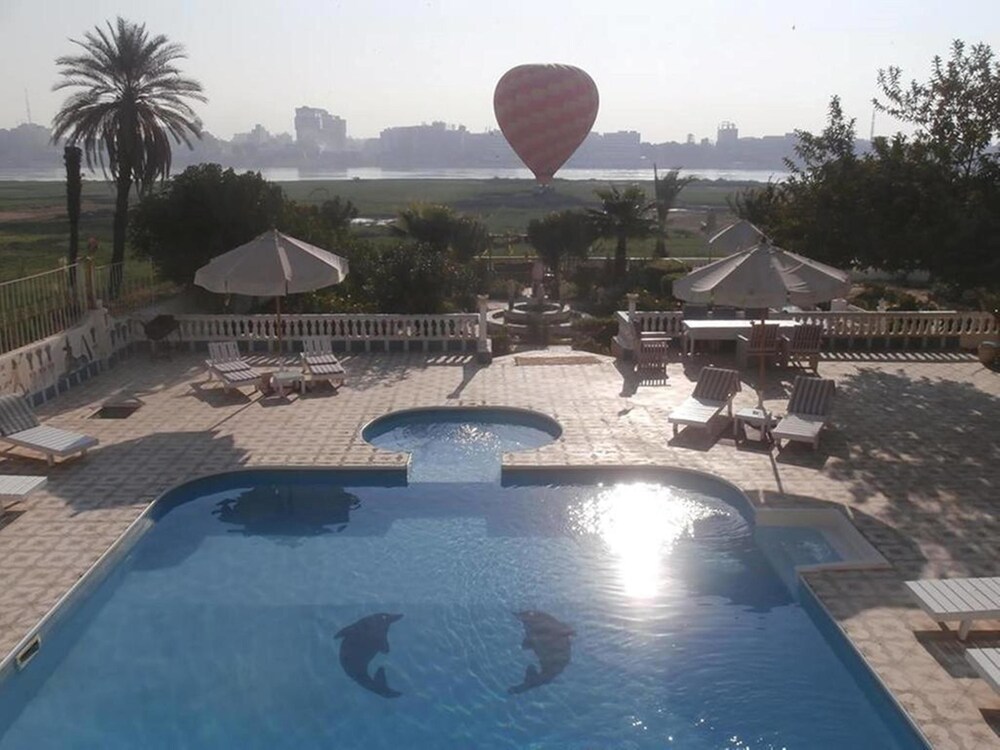
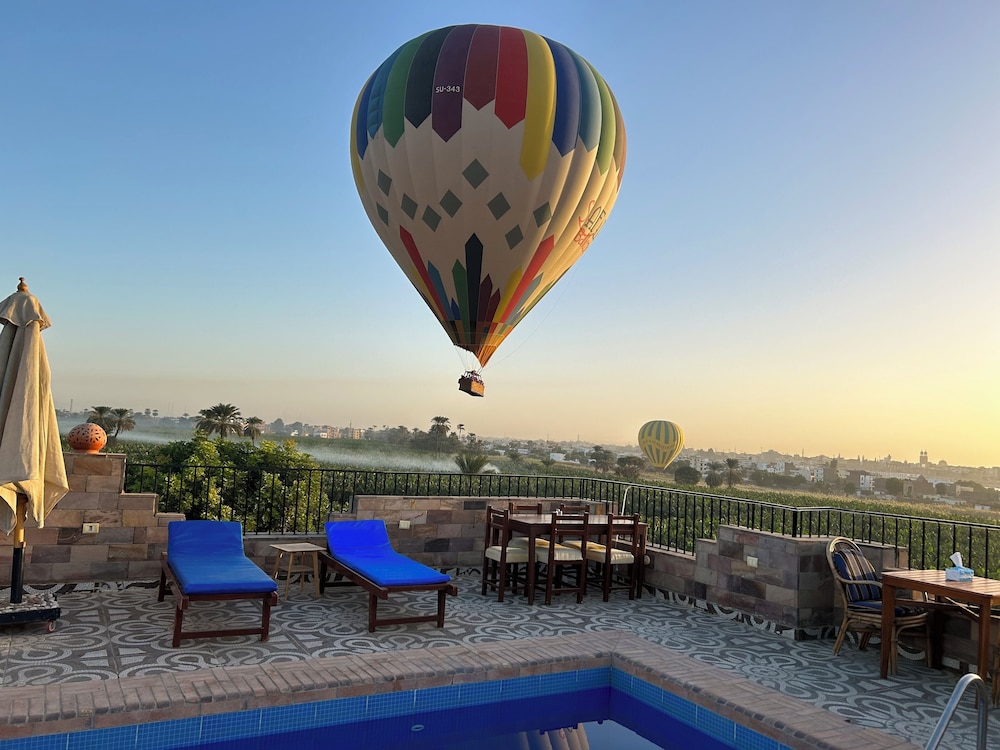
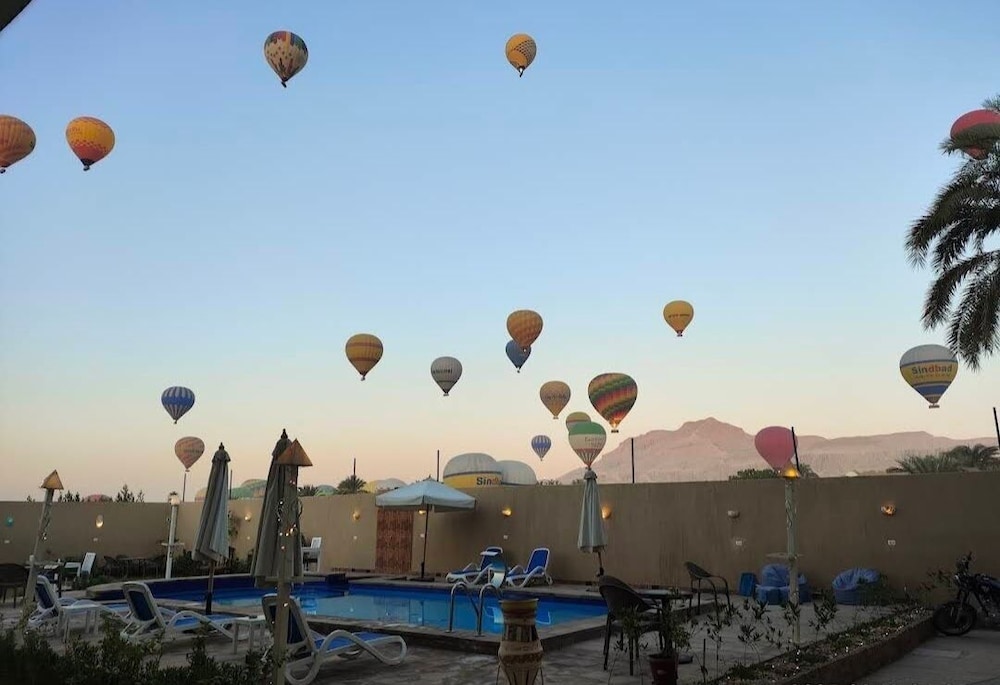
Three full nights is the honest minimum, four is better. Day 1: Karnak in the early morning before the tour buses at 09:00, Luxor Museum in the afternoon, Luxor Temple after dark when it is lit. Day 2: West Bank at sunrise — Valley of the Kings (buy the extra ticket for Seti I if it is open), Hatshepsut at Deir el-Bahari, Medinat Habu, Colossi of Memnon on the way back. Day 3: either a hot-air balloon flight at dawn over the West Bank, then Deir el-Medina and the Ramesseum, or a day trip to Dendera and Abydos.
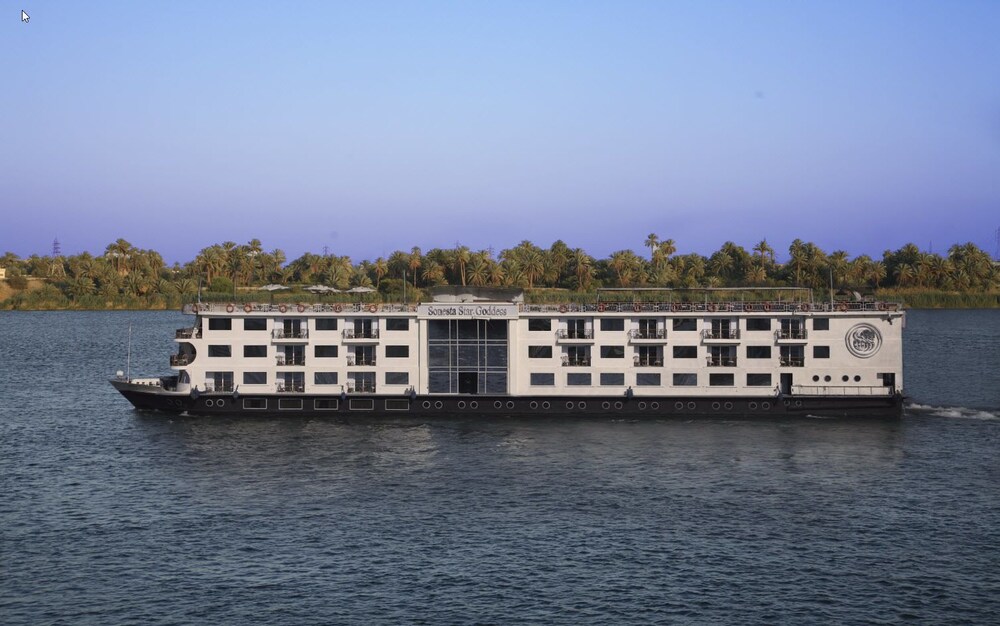
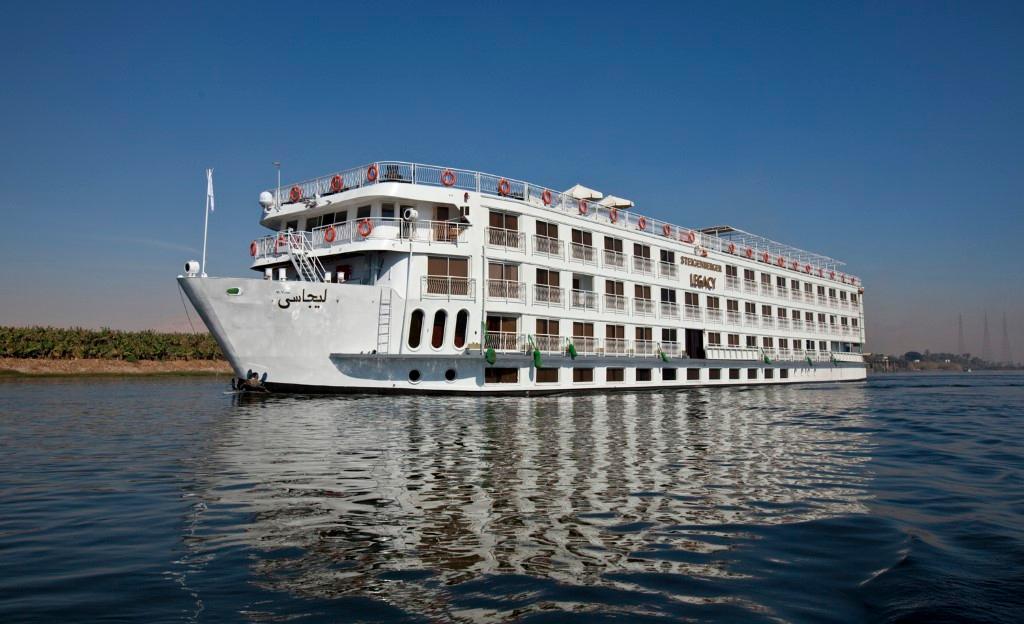
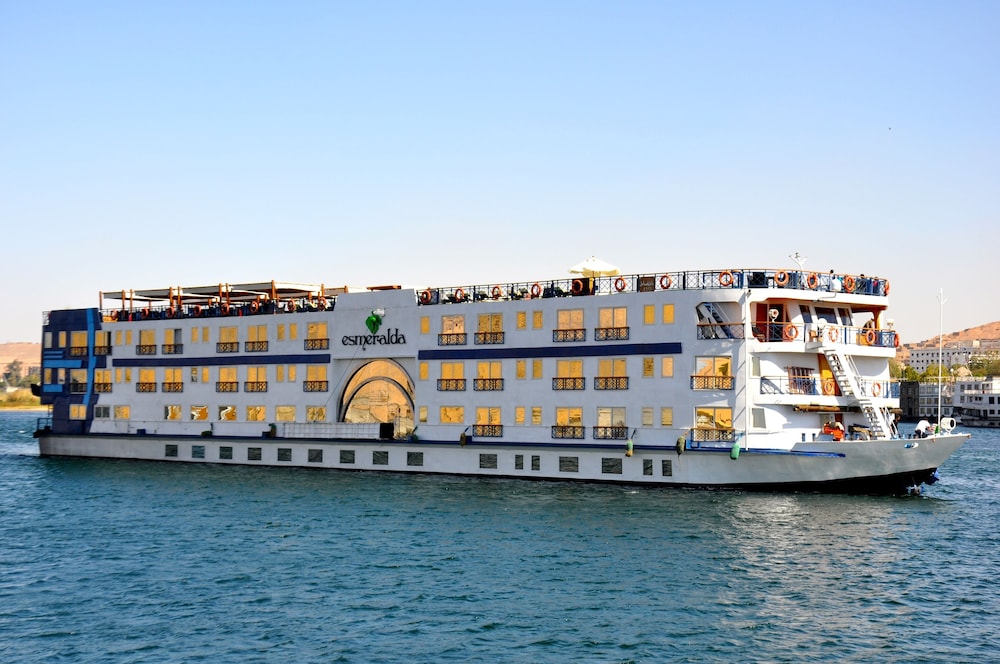
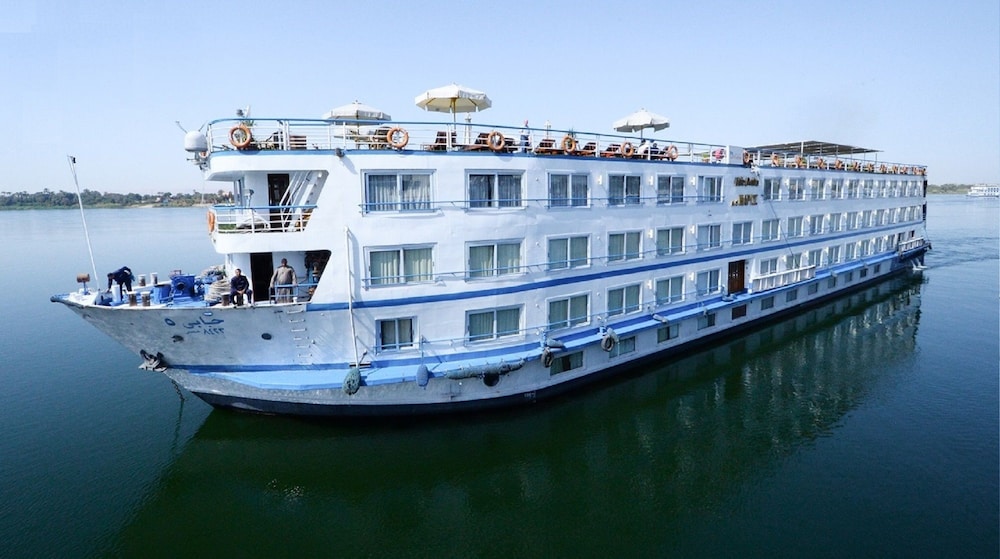
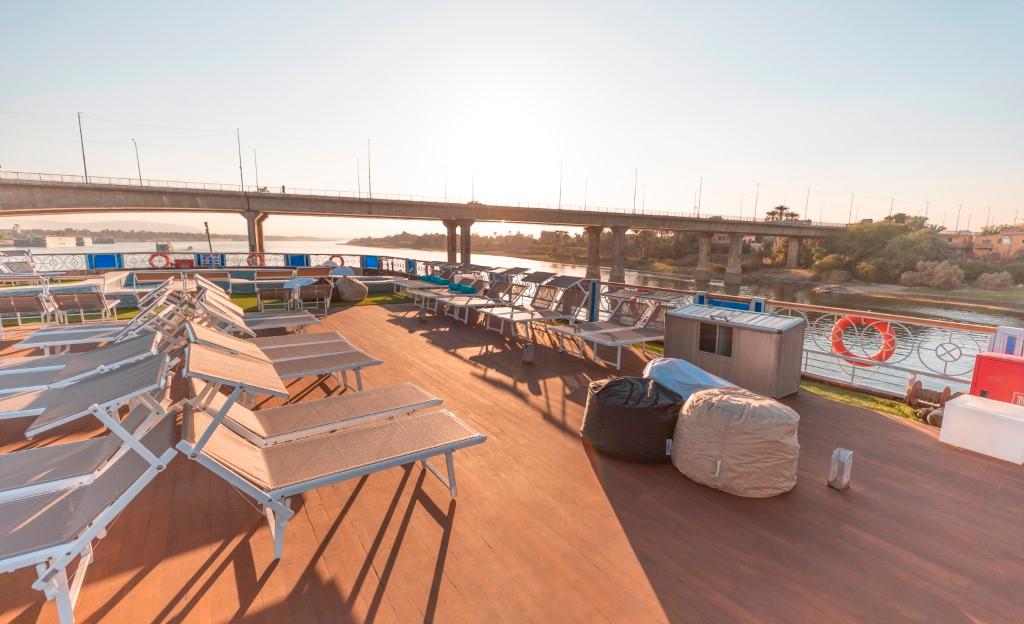
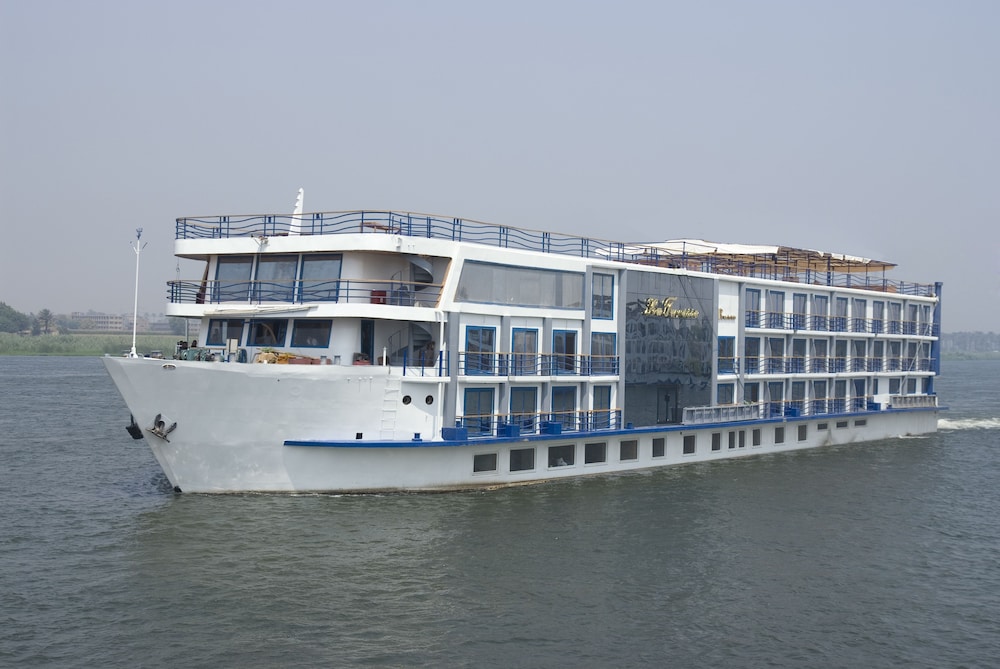
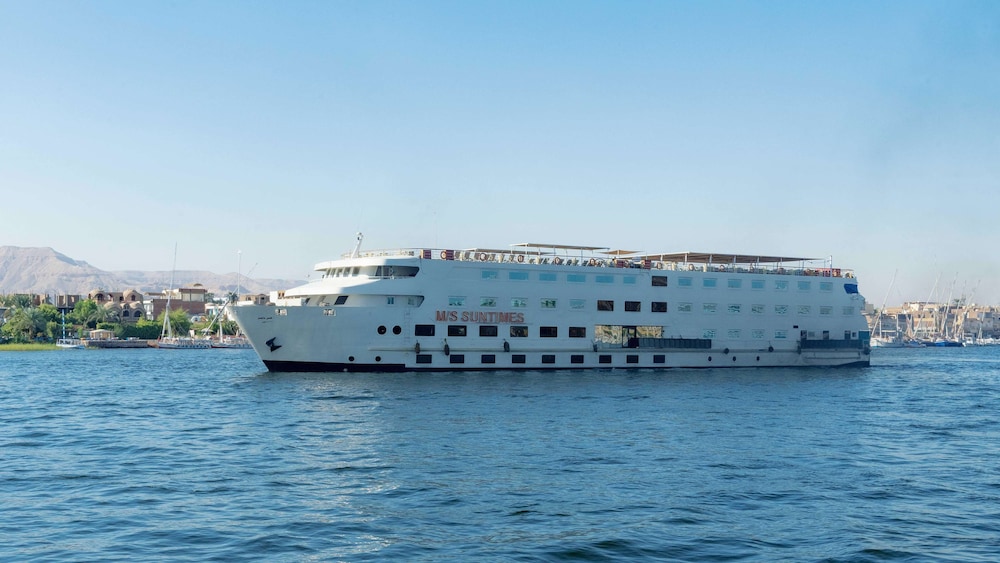
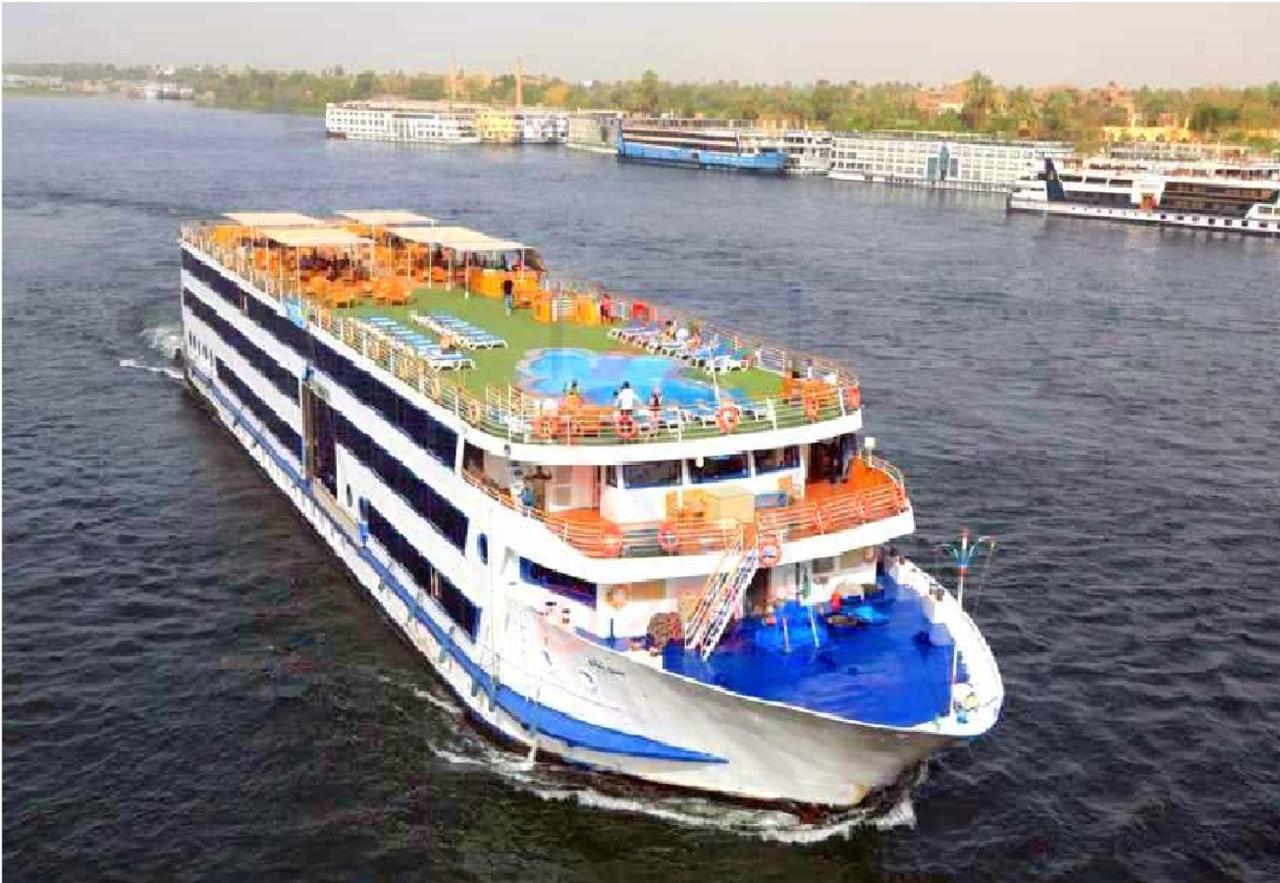
Add a fourth night if you want Edfu and Esna without rushing, or if you plan to walk in the Al-Qurna villages and visit Howard Carter’s house. Consider the Luxor Pass (Premium at USD 200, Standard at USD 100, students half) if you plan to enter more than four or five ticketed sites including Nefertari’s tomb and Seti I — it pays for itself quickly. Five nights makes sense if you are joining a Nile cruise to Aswan from the Corniche docks.
What hotels in Luxor actually cost
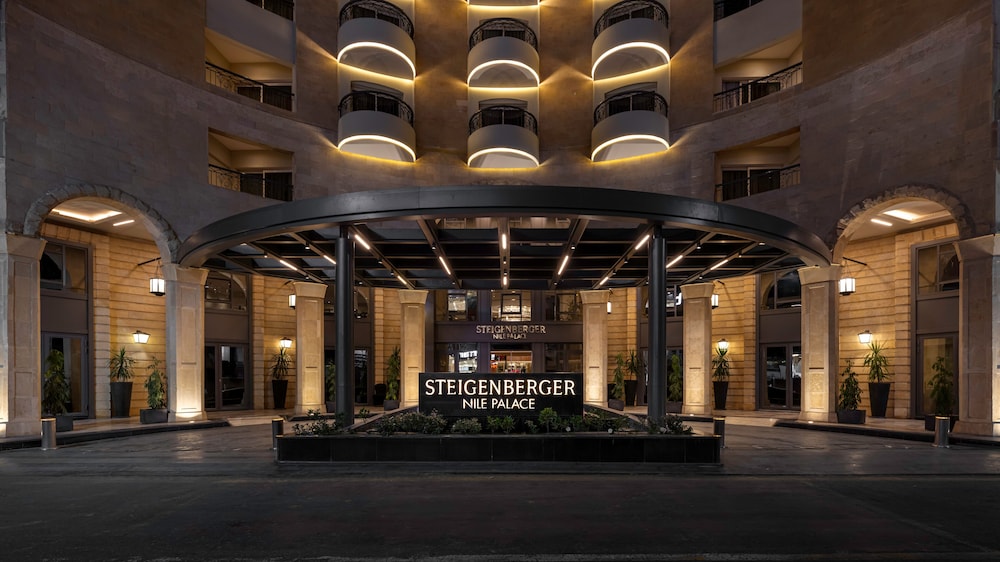
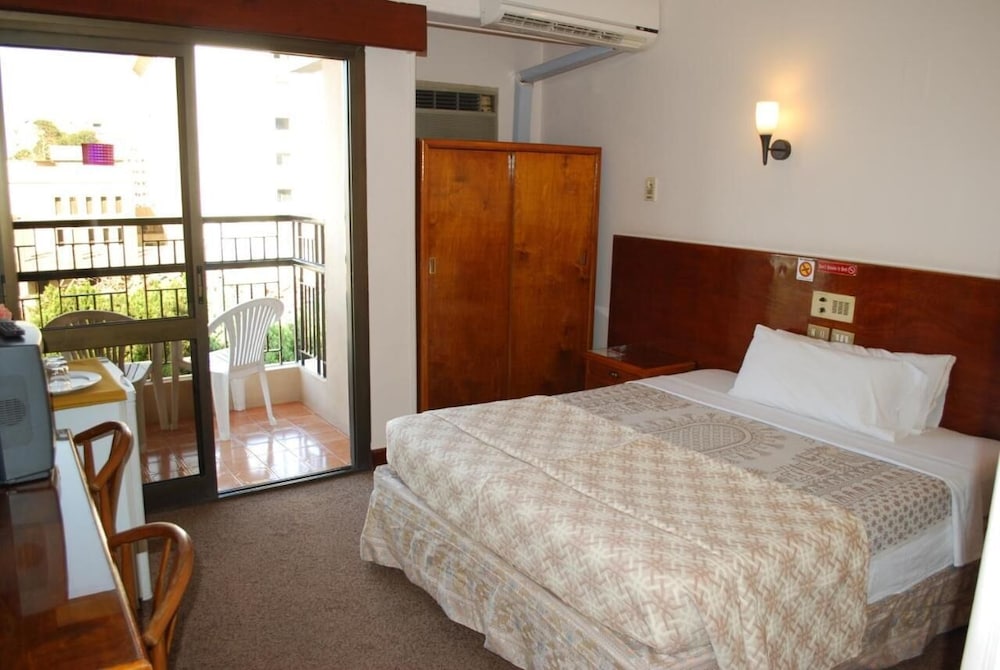
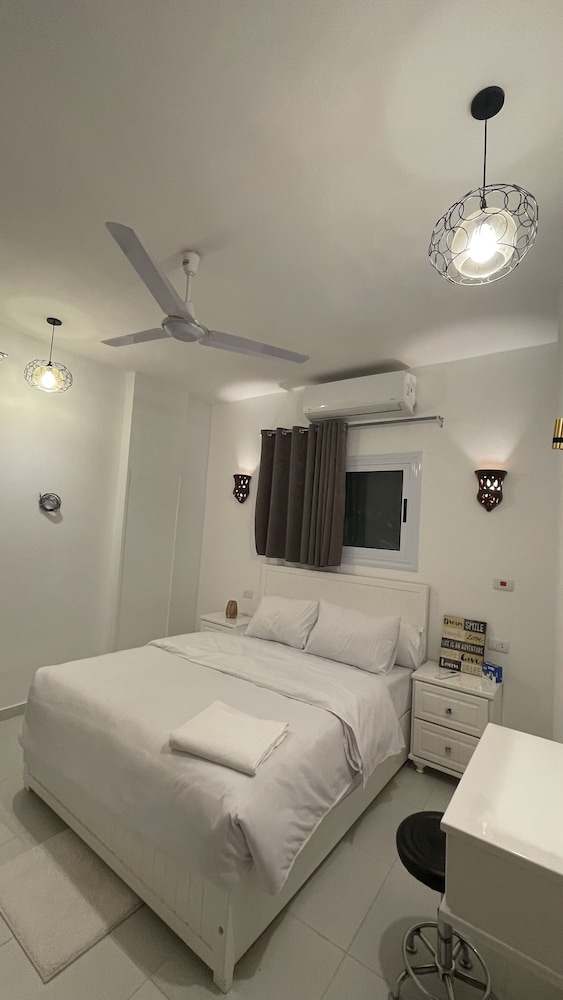
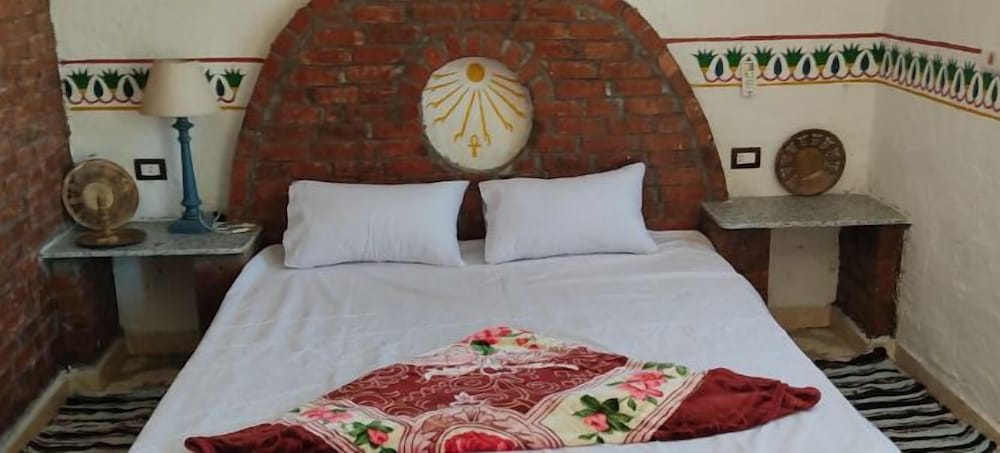
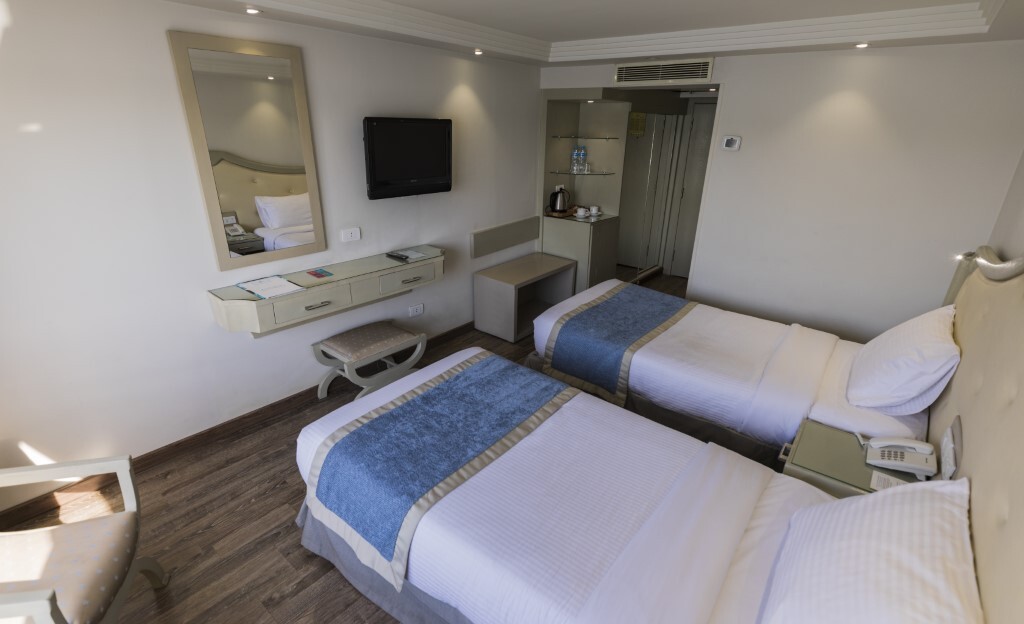
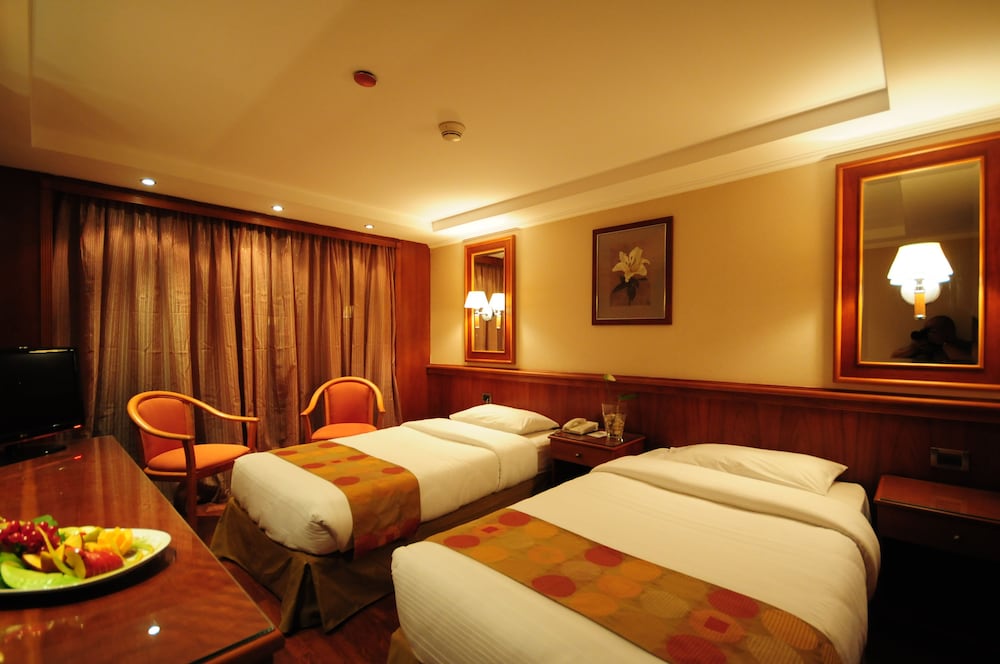
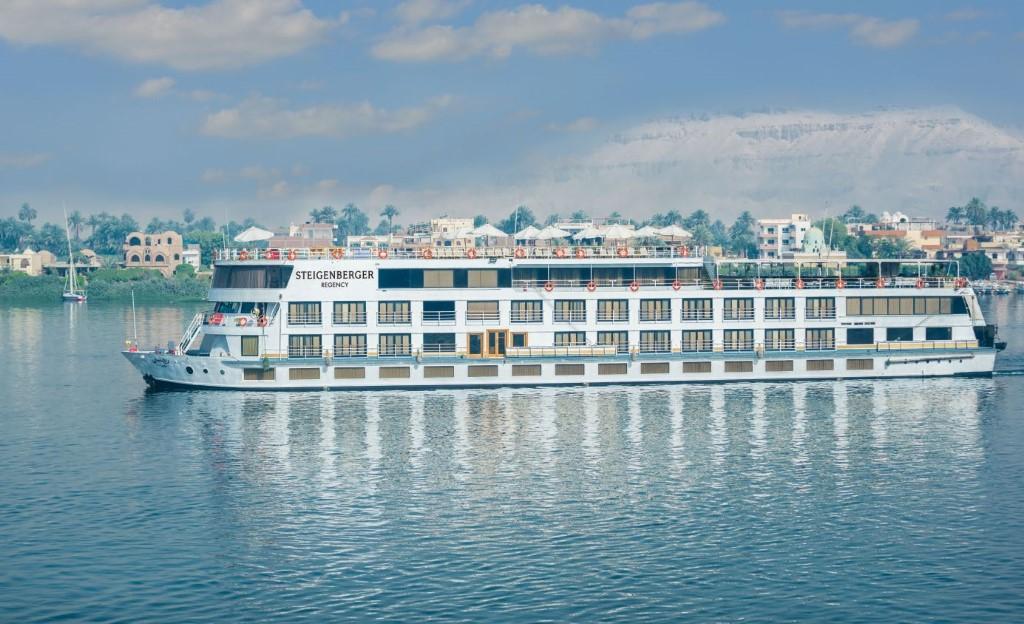
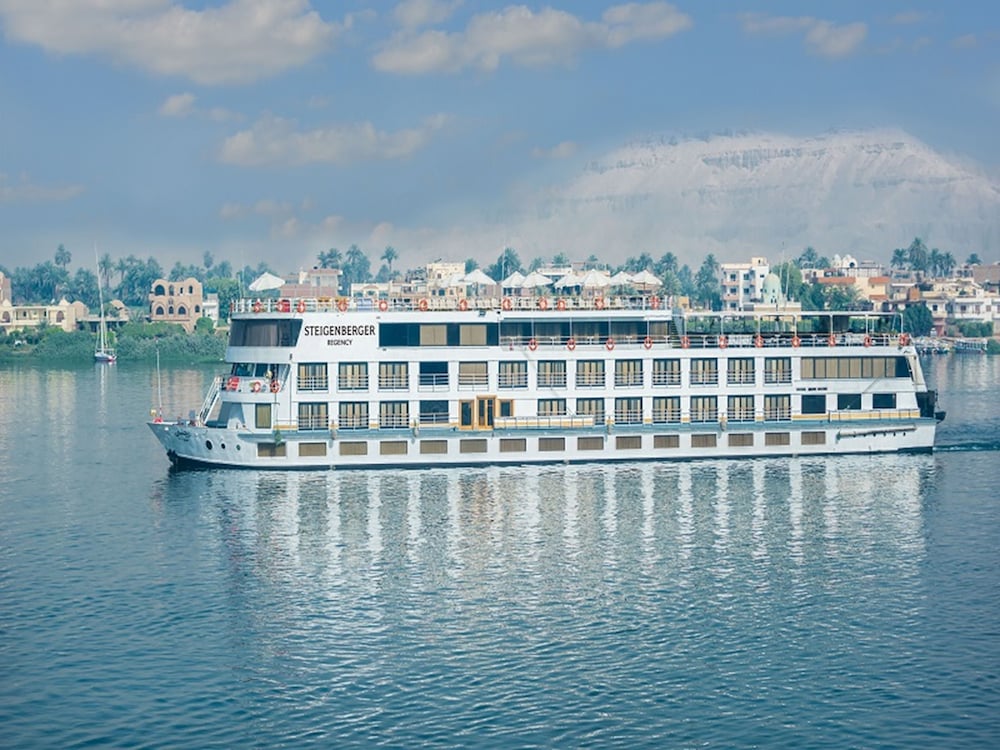
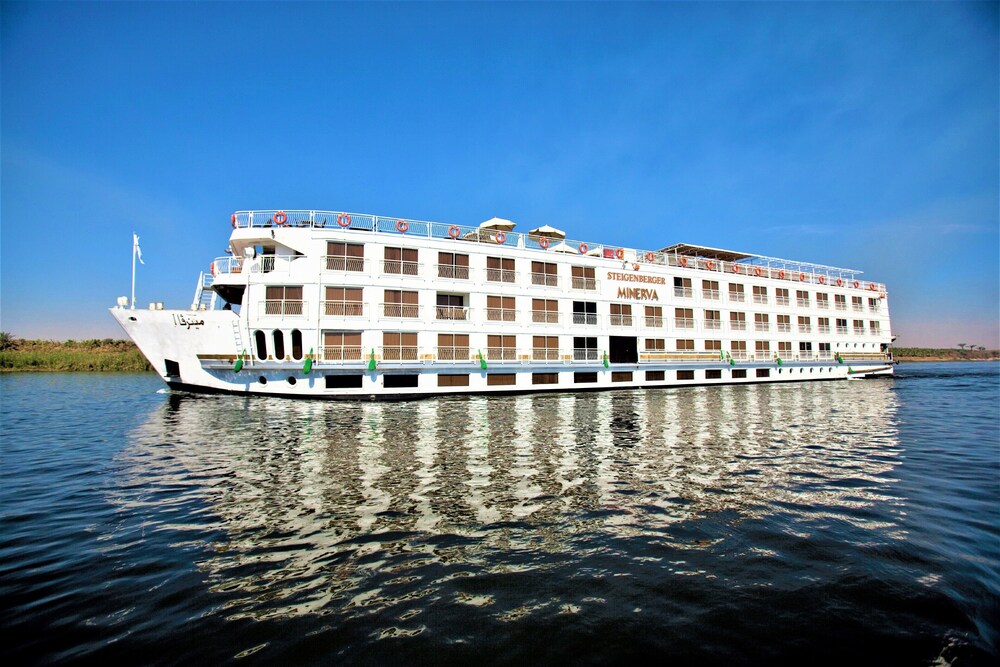
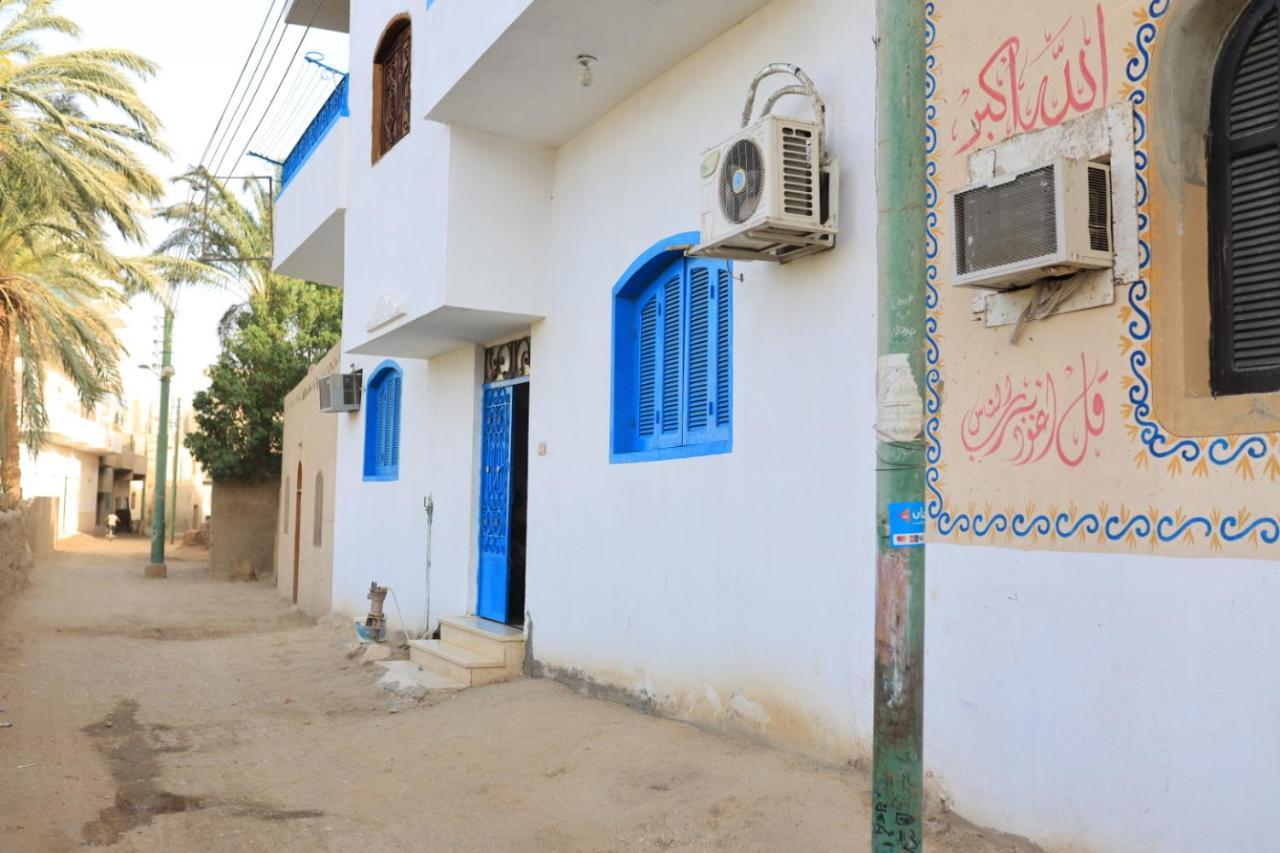
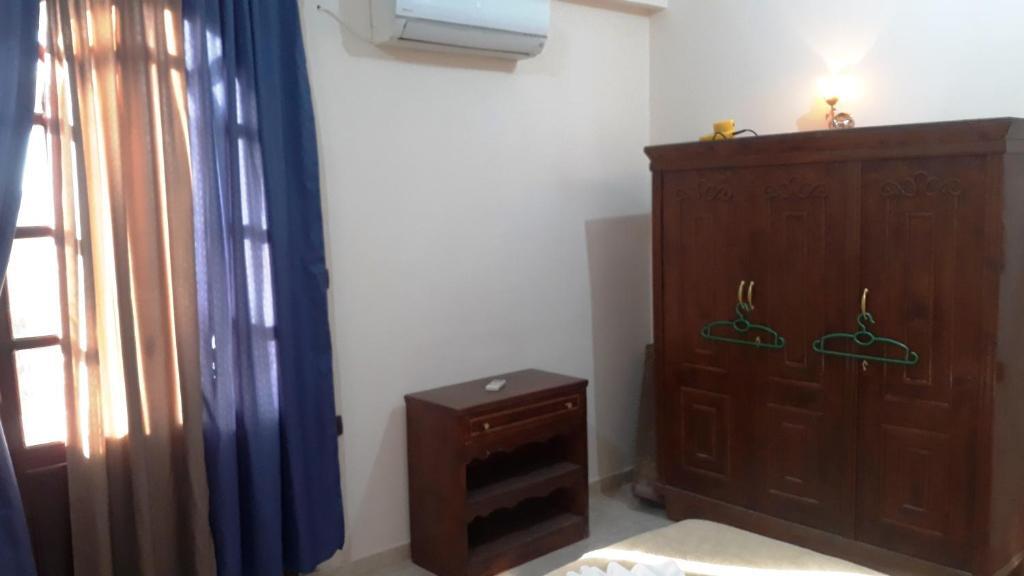
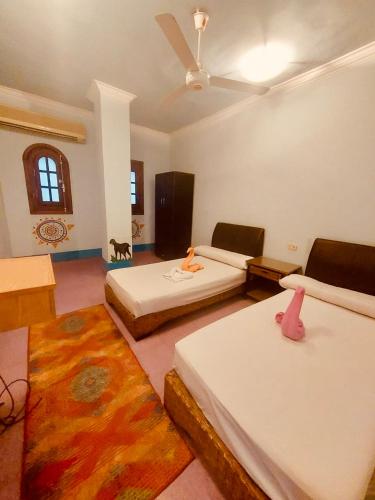
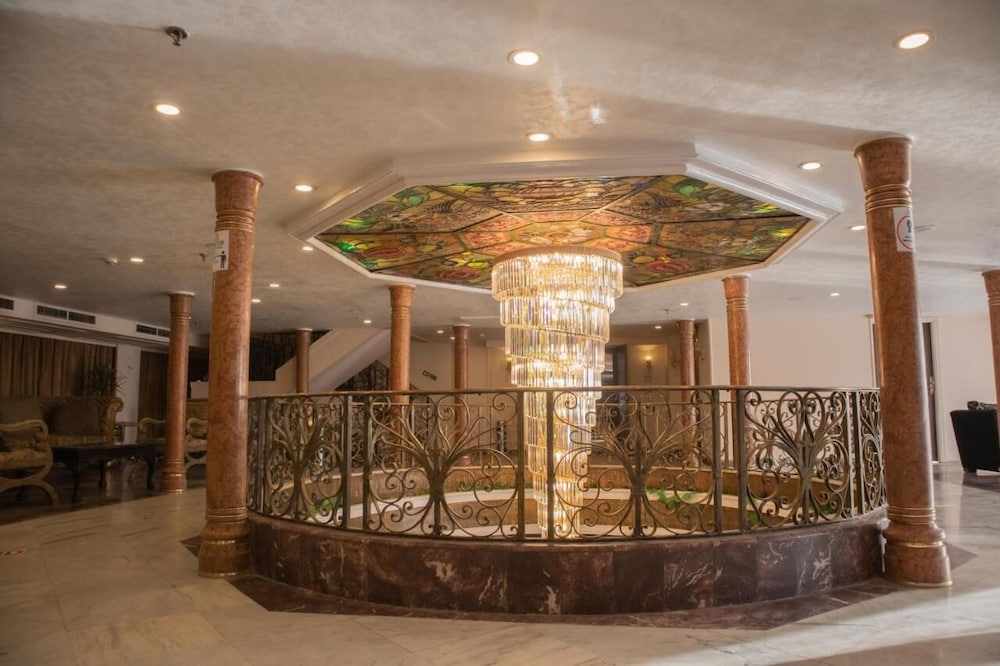
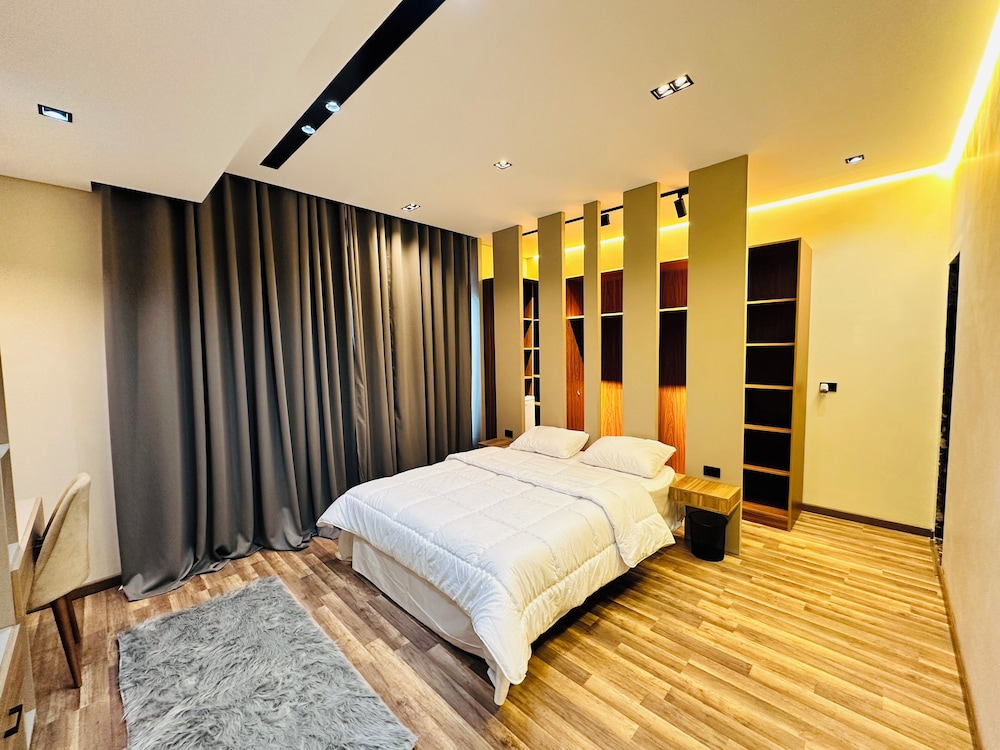
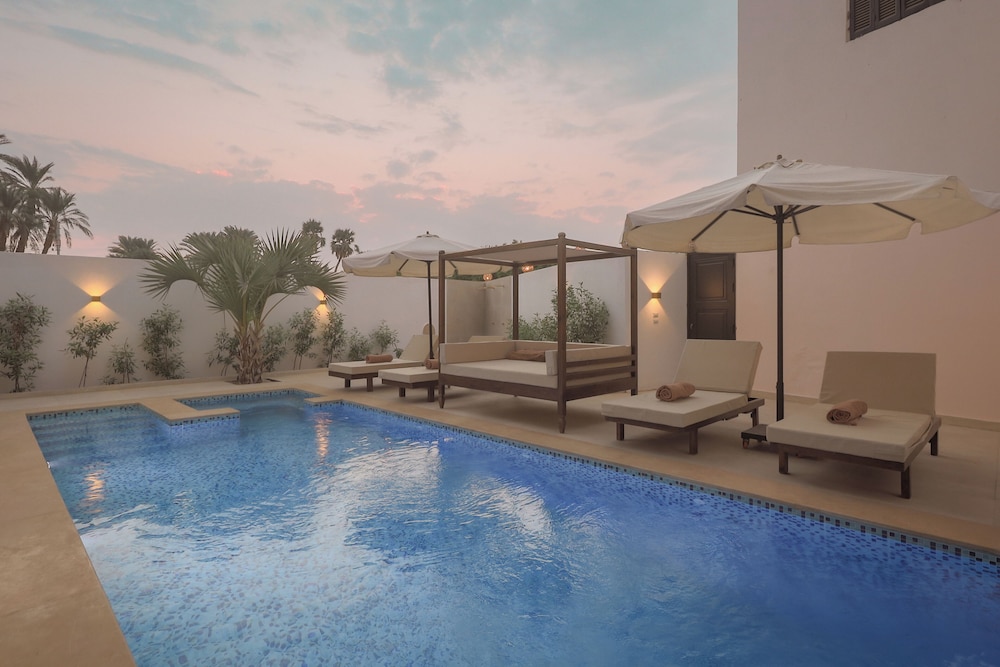
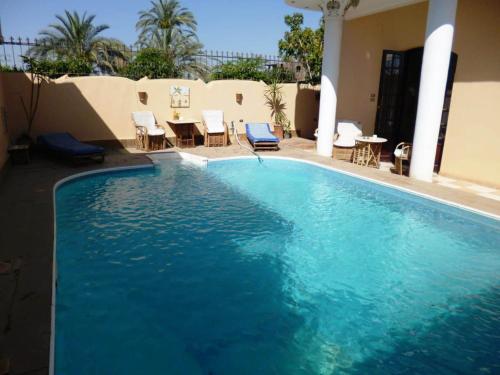
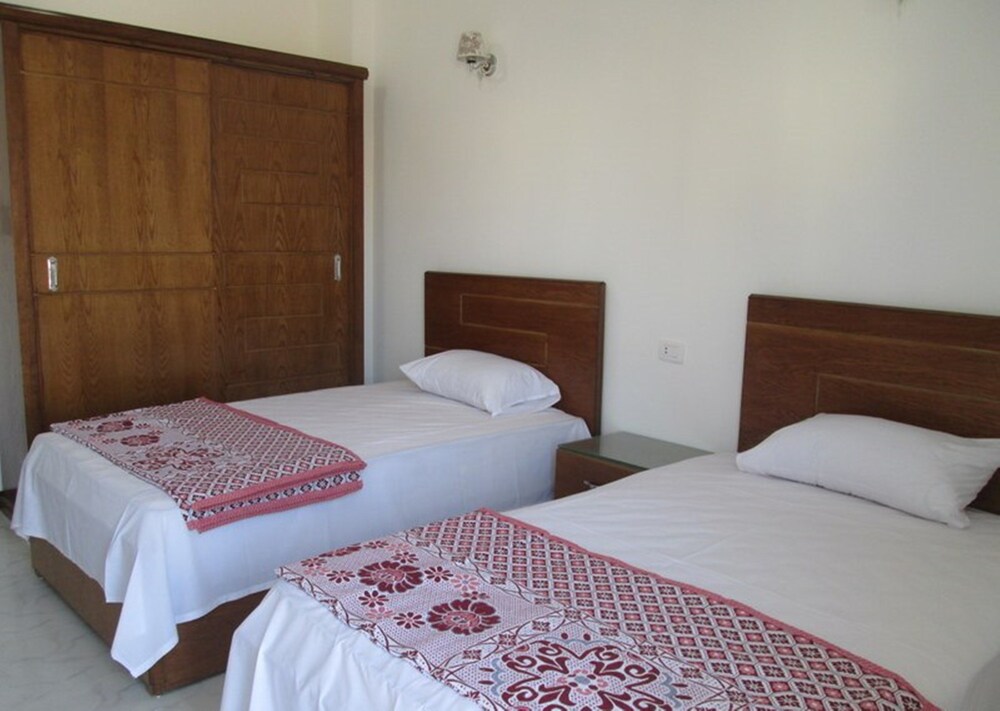
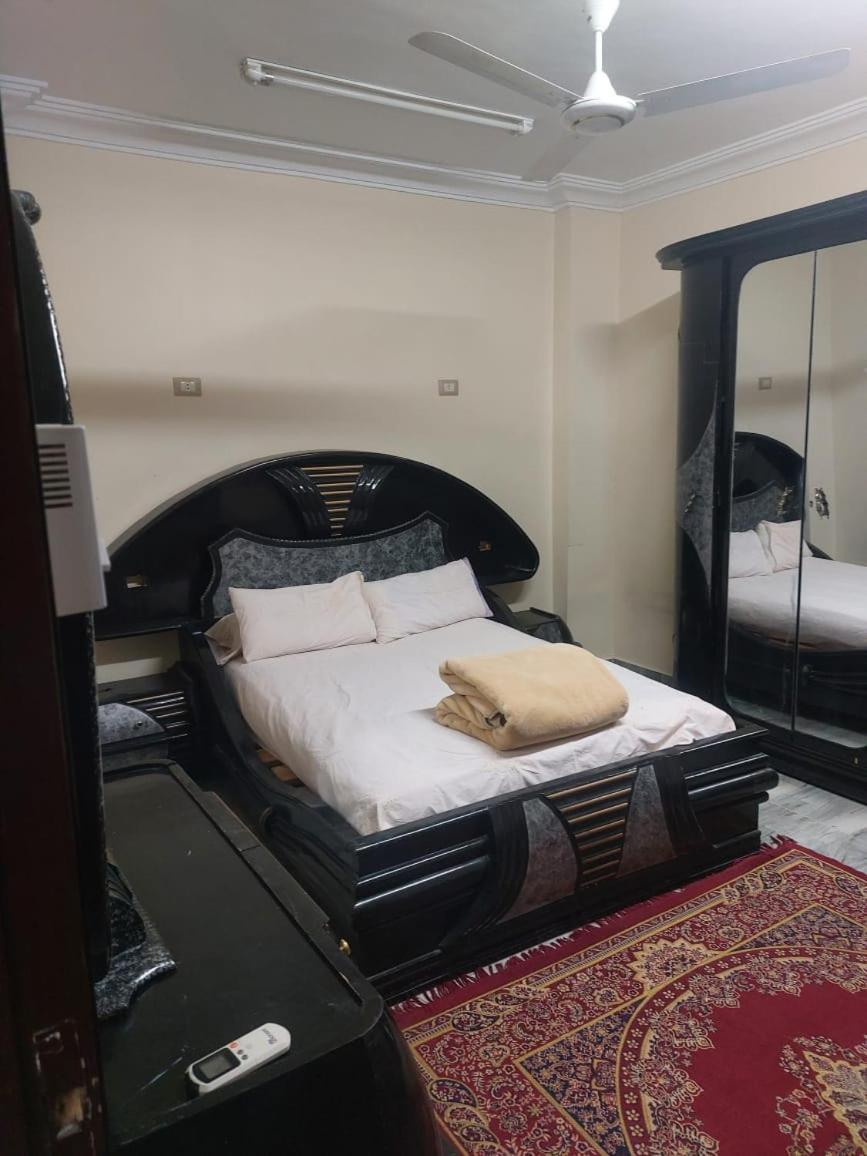
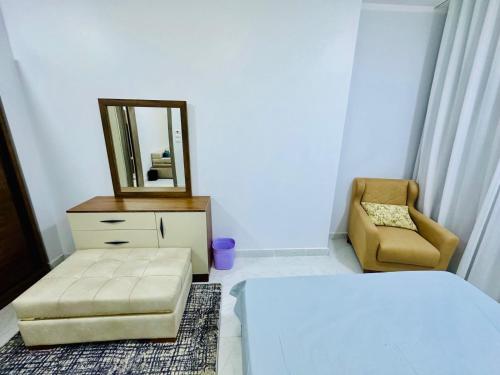
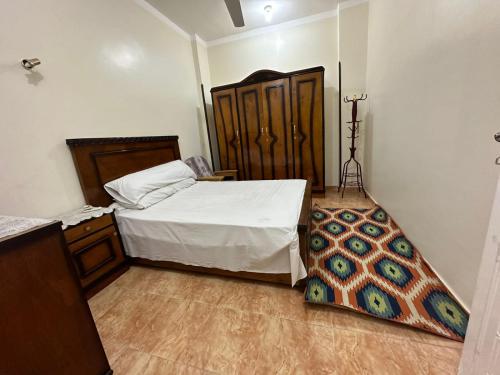
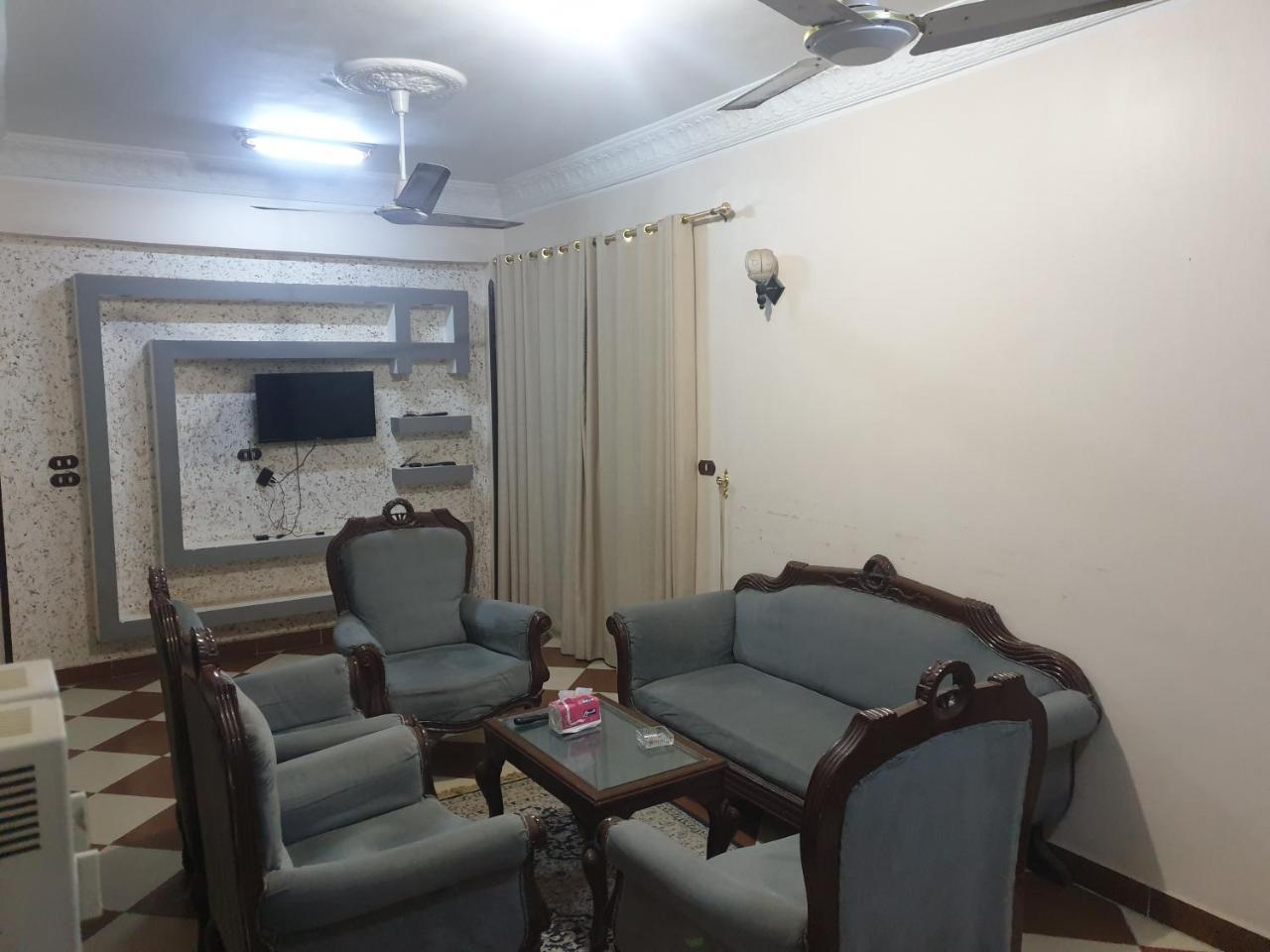
Budget rooms in Al-Awameyah, the West Bank villages and the back streets of Luxor City Center run 300-600 EGP a night for a clean double with breakfast and air-con. Mid-range 3- and 4-star hotels off the Corniche, and the better West Bank guesthouses in Al-Qurna and near Medinat Habu, sit at 900-1,800 EGP. Nile-view 4-stars typically go for 1,800-3,000 EGP, and the historic 5-stars on the Corniche — the Winter Palace, Sonesta St George, Steigenberger Nile Palace — run 3,500-7,000 EGP for a river-facing room in season.
Rates spike hardest between Christmas and 5 January, over Easter, and around Egyptian public holidays when Cairo weekenders drive down. May to September prices fall by a third or more and walk-in bargaining works. Watch for a 12% service charge and 14% VAT on top of quoted rates at the larger hotels; smaller guesthouses in New Qurna and Al-Bayadiya usually quote all-in.
The West Bank versus East Bank question people get wrong
The mistake most first-time visitors make is booking the East Bank for the whole stay and then losing 90 minutes each morning crossing the river to the tombs. The Valley of the Kings opens at 06:00 in summer and 06:00-07:00 in winter, and the light and the crowds are both better before 09:00. If you are serious about the archaeology, spend at least one night on the West Bank in Al-Qurna, New Qurna or near Medinat Habu — you will be at the ticket office before the tour coaches leave their Corniche hotels.
The other local trap is Al-Tod, Armant, Naqada and El-Ballas being sold as easy half-days. They are legitimate sites — Naqada is the type-site for pre-dynastic Egypt, Al-Tod has a Montu temple with a famous silver treasure — but there are no tourist facilities, no ticket kiosks in some cases, and no taxis waiting to bring you back. Arrange the return with your driver before you set off, take water, and do not count on English signage. Al-Zeiniya, between Luxor and Qena, is similar: interesting farmland and pottery workshops, not a self-guided day out.